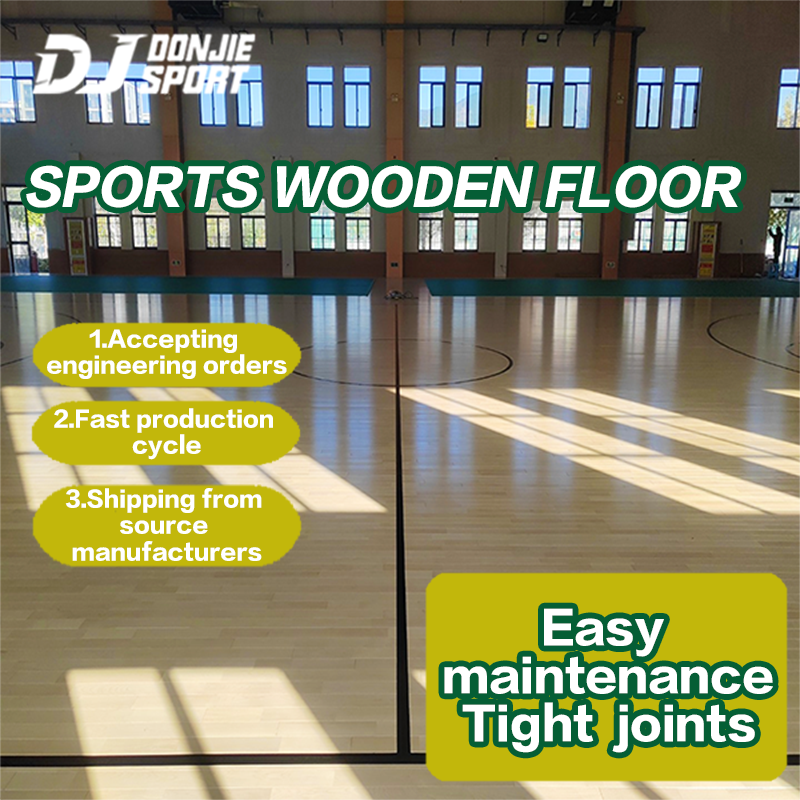
Basketball hardwood flooring is a critical element in creating a high-performance court that meets professional standards. Whether for a professional sports facility or a home gym, the type of flooring you choose directly impacts both the look and feel of the court. Hardwood flooring is a preferred choice for basketball courts because it offers durability, ideal bounce, and excellent grip, all of which are crucial for player performance. In this article, we will explore everything you need to know about basketball hardwood flooring, including its benefits, features, installation process, maintenance, and cost considerations to help you achieve a top-tier court.
What Makes Basketball Hardwood Flooring Special?
When it comes to professional basketball courts, hardwood flooring stands out for several reasons. Unlike synthetic flooring or other materials, hardwood has a natural resilience and strength that ensures longevity and superior playability. This material helps players maintain the right traction while enabling the ideal bounce of the ball, making it a favorite among professionals and elite players.
The composition of basketball hardwood flooring generally involves maple or oak, both of which are durable and capable of handling intense foot traffic, constant pivoting, and the impact of basketball play. Furthermore, hardwood’s natural aesthetic appeal adds to the overall professionalism of the court, giving it that polished and prestigious look.

The Benefits of Hardwood Basketball Flooring
Hardwood basketball floors are revered for their numerous benefits that make them the go-to choice for high-performance courts. Below are some key advantages:
Durability and Longevity
Hardwood flooring is known for its exceptional durability, capable of withstanding years of high-impact basketball play without losing its integrity. The strong grain structure of hardwood helps the court resist dents and scratches, even from aggressive movements such as fast pivots or jumps. With proper care and maintenance, hardwood courts can last for decades, offering long-term value for facilities or home gyms.
Enhancing Player Performance
One of the most significant reasons why hardwood is preferred for professional basketball courts is its impact on player performance. Hardwood floors provide a consistent, even playing surface that allows for superior grip and optimal bounce. The ideal amount of traction on hardwood ensures players can make quick turns, cuts, and stops without slipping, thereby reducing the risk of injuries. The natural flexibility of hardwood also helps to absorb some of the shocks from running, jumping, and landing, providing comfort for players during intense games or practices.
Aesthetic Appeal and Professional Appearance
The rich, polished look of a hardwood basketball court is synonymous with professionalism. Hardwood floors are naturally beautiful, with their intricate grain patterns and sleek finishes. Whether you’re building a court for a professional team, a college gym, or even your own home gym, the aesthetic appeal of a hardwood floor adds to the prestige of the space. The gleaming surface also contributes to optimal lighting, which enhances visibility during games, making it easier for players and spectators alike to follow the action.
Key Features of Professional Basketball Hardwood Flooring
To meet the standards of professional basketball courts, several specific features must be considered when choosing hardwood flooring.
Surface Finish and Texture for Optimal Play
The finish on hardwood flooring plays a significant role in its performance. Professional courts typically feature a polyurethane or varnish coating, which not only protects the wood but also gives the floor its smooth, glossy appearance. The texture of the floor needs to be refined enough to provide good traction while being smooth enough to ensure a consistent ball bounce. This balance helps players move swiftly while minimizing the chances of the ball unexpectedly skipping or bouncing unevenly.
Ideal Thickness and Density
The thickness and density of hardwood flooring are crucial factors that contribute to its performance. Standard basketball court hardwood floors are generally 1” to 1.5” thick. This thickness provides the necessary resilience to absorb shocks and impacts while still maintaining a responsive bounce for the ball. The density of the wood is also essential, as denser woods like maple tend to be more durable and less prone to wear over time.
Proper Sealing and Maintenance
Sealing hardwood floors correctly is essential to preserving their quality and appearance. Professional courts are sealed with high-grade products that prevent moisture from damaging the wood. This layer of protection is crucial, especially in environments with high humidity or temperature fluctuations. In addition, the surface should be regularly re-coated to ensure that it maintains its smoothness and longevity.
Choosing the Right Hardwood for Your Basketball Court
Not all hardwoods are created equal, and choosing the right type is vital for achieving professional court standards.
Types of Wood Commonly Used in Basketball Courts
The two most popular types of wood for basketball floors are maple and oak. Maple is the most commonly used wood due to its tight grain, durability, and uniform texture. It also provides a consistent ball bounce, making it the top choice for elite basketball courts. Oak, while less common, is also a solid choice for durability and provides a slightly different aesthetic with a more pronounced grain.
Solid Wood vs. Engineered Wood
While solid hardwood is often the preferred option for its durability and aesthetic, engineered hardwood is becoming increasingly popular for basketball courts, especially in areas with fluctuating humidity. Engineered wood consists of multiple layers of wood veneer, which makes it more resistant to warping or expanding. However, solid wood remains the top choice for professional courts due to its long-lasting quality and resilience under heavy use.
Selecting the Right Grade and Finish
When choosing wood for a basketball court, the grade and finish of the wood are important considerations. Grade refers to the quality of the wood, with higher grades offering fewer imperfections. Professional courts typically use higher-grade woods to ensure a smooth, uniform surface. As for the finish, a high-quality polyurethane coating is standard for ensuring a durable and glossy surface.
Installation Process for Professional Hardwood Basketball Flooring
Proper installation is crucial to achieving the best performance from your hardwood basketball floor.
Step-by-Step Guide to Installing Hardwood Courts
The installation of hardwood basketball floors involves several steps:
-
Subfloor Preparation: The area must be level, dry, and free of any debris or moisture to ensure a stable foundation for the hardwood. A moisture barrier may also be installed to prevent any water from seeping into the wood.
-
Laying the Flooring: The hardwood planks are laid out in a pattern that facilitates optimal play. The most common pattern is the traditional “basket weave” design, which ensures uniformity and ease of movement.
-
Securing the Wood: Once the planks are in place, they are fastened using nails, staples, or adhesives to ensure they are firmly attached to the subfloor.
-
Finishing Touches: After the floor is laid, it is sanded, sealed, and polished to create a smooth and glossy surface that enhances playability.
Achieving Even Installation for a Smooth Playing Surface
To ensure a high-quality court, installation should be carried out by professionals with experience in basketball flooring. The process needs to be precise to avoid any unevenness in the surface, which could affect gameplay. It’s also crucial to ensure that expansion gaps are left along the edges of the court to account for any expansion or contraction of the wood over time.
Maintaining Basketball Hardwood Flooring
Maintaining hardwood basketball floors requires regular care to ensure their longevity and performance.
Daily, Weekly, and Monthly Maintenance
-
Daily: Sweep the court regularly to remove dirt, dust, and debris that can scratch the surface.
-
Weekly: Mop the floor with a damp (not wet) mop to remove any residue from players’ shoes.
-
Monthly: Buff the floor to restore its shine and remove any scuff marks that may have accumulated during play.
Addressing Wear and Tear
Over time, hardwood floors will naturally show signs of wear, especially in high-traffic areas. Re-coating the floor with a fresh layer of polyurethane every few years will help restore its appearance and protect it from further damage.
Cleaning Products and Techniques
Use cleaning products that are specifically designed for hardwood flooring to avoid damaging the finish. Harsh chemicals or abrasive cleaners should be avoided, as they can strip the protective coating.
Cost Considerations and Budgeting for Hardwood Courts
The cost of installing a professional hardwood basketball court can vary significantly based on several factors, such as the type of wood, the size of the court, and the complexity of installation. Maple floors tend to be more expensive than oak, but they are also considered the gold standard in professional courts. Installation costs can also fluctuate based on the region and the complexity of the job, with professional-grade courts requiring expert installation services.
Factors Affecting Pricing
-
Wood Type: Maple is typically more expensive than oak, but it is the preferred choice for its superior quality and performance.
-
Court Size: Larger courts will naturally require more material and labor.
-
Customization: Courts that include custom logos or patterns may have higher installation fees.
Common Mistakes to Avoid in Basketball Hardwood Flooring
While hardwood flooring offers many advantages, several mistakes should be avoided when installing and maintaining your court:
-
Choosing Low-Quality Wood: Opting for cheaper wood can result in a less durable court that wears out faster and does not provide the performance required for professional play.
-
Improper Installation: Incorrect installation can lead to an uneven surface, which affects gameplay and may cause safety hazards.
-
Neglecting Regular Maintenance: Failure to maintain the floor can lead to premature damage and a shorter lifespan for your court.
Conclusion
Investing in high-quality basketball hardwood flooring is a smart decision for anyone looking to create a professional-level basketball court. From durability and performance to aesthetic appeal and longevity, hardwood offers everything needed for a top-tier playing surface. With proper installation and ongoing maintenance, your hardwood basketball floor can serve you for years, ensuring a superior court for players to perform at their best.