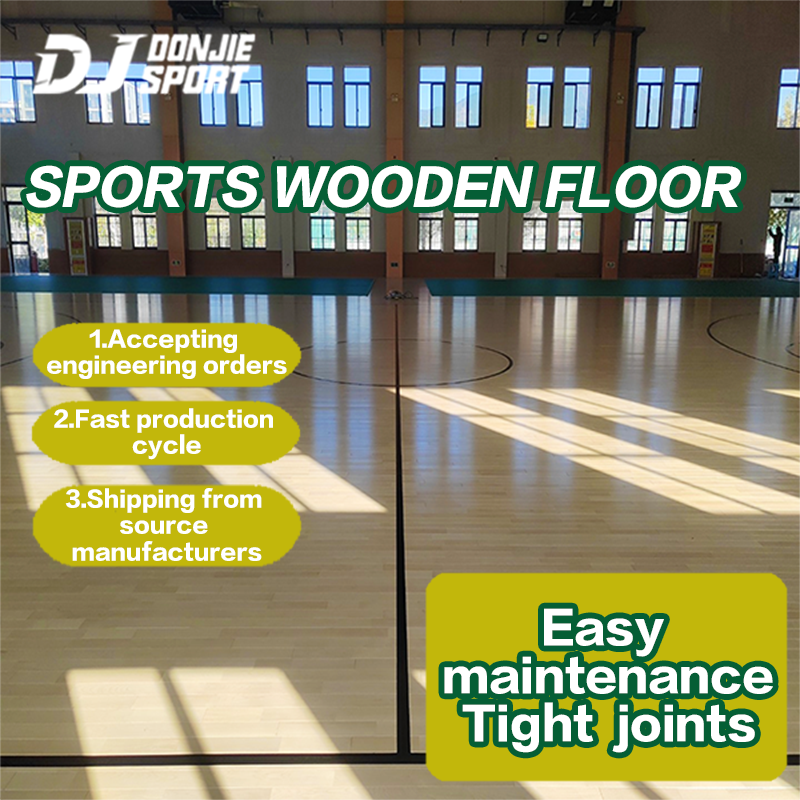
Basketball hardwood flooring has long been the gold standard for sports courts worldwide. From professional arenas to school gymnasiums, this flooring choice has stood the test of time, combining performance with style. Whether you’re building a court from scratch or renovating an existing one, hardwood remains an unbeatable option for its unique combination of durability, aesthetics, and functional performance. In this article, we’ll explore why basketball hardwood flooring is not just a trend but a classic choice that continues to dominate basketball courts across the globe.
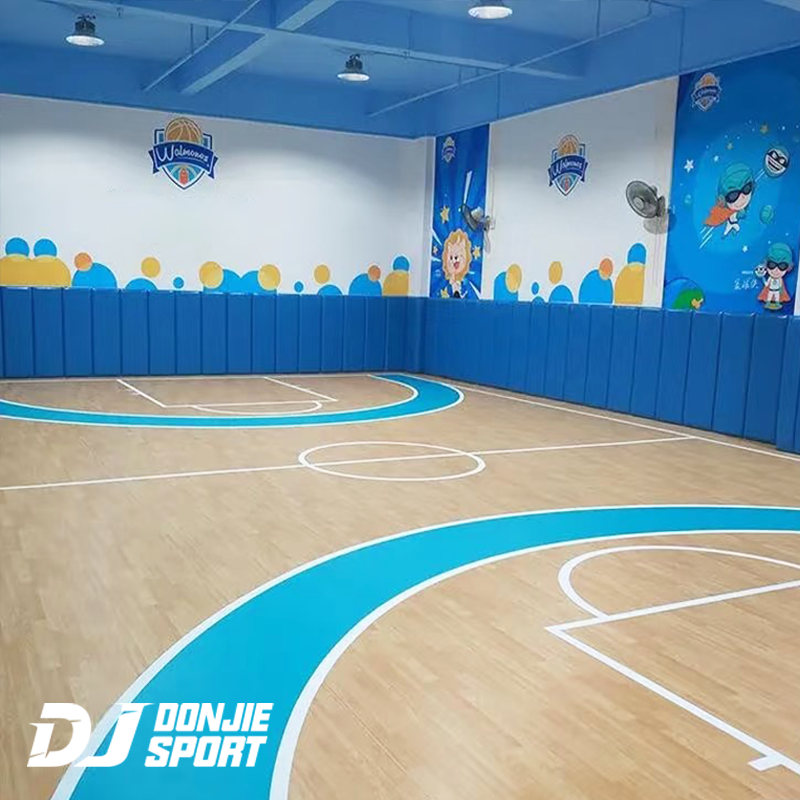
What Makes Basketball Hardwood Flooring Special?
Basketball hardwood flooring is unique for several reasons, making it the material of choice for many professional and amateur courts. One of the primary factors that set hardwood apart is its superior bounce. Hardwood surfaces provide a level of rebound and grip that other materials, such as synthetic or rubber floors, cannot match. This is crucial for basketball players who require optimal performance during fast-paced games.
In addition to its functionality, hardwood flooring adds a sense of elegance and timeless beauty to any basketball court. The rich, natural finish of the wood complements the high-energy environment of a basketball game. This classic look elevates the overall atmosphere of the court, making it not only functional but visually appealing.
The durability of hardwood is another key aspect. Designed to withstand the heavy use of basketball games, hardwood floors resist the kind of wear and tear that would degrade lesser materials. Even with regular maintenance, hardwood retains its integrity over many years, which is why it is often regarded as a long-term investment for sports facilities.
Benefits of Basketball Hardwood Flooring
Enhanced Performance
One of the most significant benefits of basketball hardwood flooring is the improved performance it offers to players. Hardwood floors provide an optimal playing surface, offering the ideal balance of grip and bounce. The natural resilience of hardwood ensures that players get a consistent and reliable performance, no matter the intensity of the game. This makes hardwood the go-to choice for professional courts like those in the NBA and NCAA.
Longevity and Durability
Hardwood is highly valued for its longevity and durability, which is especially important in high-traffic environments like basketball courts. Hardwood floors are built to last and can stand up to the constant pounding of basketball games, making them a wise investment. With proper care, basketball hardwood flooring can last for decades, maintaining its quality throughout its life cycle.
Easy Maintenance
Despite its sturdy nature, hardwood flooring is relatively easy to maintain. Regular cleaning and occasional refinishing are typically all that is needed to keep the floor in top shape. The hardwood surface resists staining and damage more effectively than other materials, reducing the overall cost of upkeep. In addition, many hardwood floors have finishes that make them resistant to moisture, preventing issues like warping or buckling over time.
Environmental Impact
Hardwood flooring is often a sustainable choice. Many hardwood flooring manufacturers use responsible sourcing and eco-friendly practices to produce their materials. Unlike synthetic floors, which may contain harmful chemicals or plastics, hardwood is a renewable resource when harvested responsibly. For facilities looking to maintain eco-friendly operations, hardwood is a choice that aligns well with sustainable practices.
Choosing the Right Hardwood for Basketball Courts
Not all hardwoods are created equal, and selecting the right type for a basketball court can make a significant difference in performance and aesthetics. The most common hardwoods used for basketball courts are maple and oak.
Maple is the most widely used hardwood for basketball courts due to its smooth, consistent texture and high resilience. It offers excellent shock absorption and can withstand the stress of heavy usage, making it ideal for sports environments. Maple’s light color also gives courts a bright, clean look that appeals to both players and spectators.
Oak, on the other hand, is a slightly harder wood and is often used for gymnasiums that see less foot traffic or for specialty courts. While oak provides a similarly durable surface, it is typically darker in color, offering a different aesthetic that may suit certain design preferences.
When choosing hardwood flooring, it’s important to also consider factors such as budget, play level, and location. For instance, professional-level courts often opt for higher-grade maple, while schools or recreational centers may choose a more budget-friendly option that still offers decent performance.
Installation Process for Basketball Hardwood Flooring
Installing basketball hardwood flooring is a multi-step process that requires professional expertise to ensure quality results. The steps include:
-
Preparing the Subfloor: The first step is to ensure that the subfloor is even and clean. This is crucial because any imperfections in the subfloor can affect the performance and longevity of the hardwood.
-
Acclimating the Wood: Hardwood flooring must be allowed to acclimate to the environment before installation. This step prevents issues like expansion or contraction after the floor is installed.
-
Installing the Flooring: The hardwood planks are installed, usually with a tongue-and-groove method to ensure they fit tightly together. It’s essential to leave space for expansion around the edges of the court.
-
Sealing and Finishing: Once the floor is installed, it is treated with a protective finish that helps preserve its appearance and performance. This finish also helps reduce wear from high foot traffic.
Working with experienced installers ensures that the floor is perfectly level and that the installation process adheres to safety and quality standards.
Maintaining Basketball Hardwood Flooring
One of the greatest advantages of basketball hardwood flooring is its low-maintenance nature, but it still requires care to ensure it lasts. Here are some maintenance tips:
-
Routine Cleaning: Sweeping or vacuuming the floor regularly removes dirt and debris that can cause scratches. Using a soft cloth and a mild wood floor cleaner will help maintain the wood’s sheen.
-
Refinishing: Hardwood courts should be refinished every few years to restore their surface and prevent any damage. Refinishing involves sanding down the top layer of the wood and applying a new protective coat.
-
Moisture Control: Excessive moisture can cause hardwood to warp or buckle. Ensure that the humidity levels in the gymnasium are consistent, and use mats or other moisture barriers around the court to prevent water damage.
-
Repairs: While hardwood is durable, minor damage like scratches or dents can occur. These should be addressed promptly to prevent further damage.
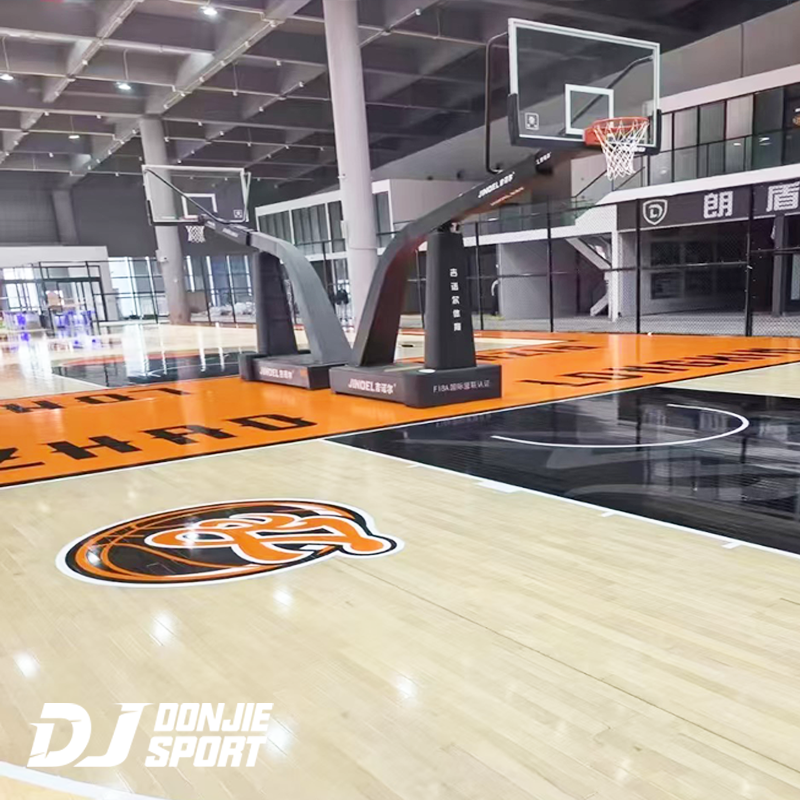
Basketball Hardwood Flooring vs. Other Options
When compared to synthetic options like rubber, vinyl, or interlocking tiles, basketball hardwood flooring holds a distinct advantage in terms of performance. Synthetic materials often don’t provide the same level of grip or bounce, which can impact a player’s ability to perform at their best. Additionally, synthetic floors tend to degrade more quickly over time, while hardwood maintains its strength and appearance longer.
The Future of Basketball Hardwood Flooring
The future of basketball hardwood flooring looks promising, with innovations focused on improving performance and durability. Advanced finishes that enhance grip and reduce wear are becoming more common, allowing for better player traction and longer-lasting surfaces. Furthermore, sustainability efforts are pushing for more eco-friendly harvesting and production methods, ensuring that hardwood continues to be a responsible choice.
Conclusion
Basketball hardwood flooring is a classic choice for courts worldwide, offering a combination of durability, performance, and aesthetic appeal. Whether you’re building a professional arena or a school gymnasium, hardwood remains an unmatched flooring option for basketball. By choosing the right hardwood, ensuring quality installation, and following a simple maintenance routine, you can enjoy a court that not only looks great but performs at the highest level.