
Choosing the right Badminton Court Flooring is essential for both professional players and recreational enthusiasts. The flooring directly affects game performance, player safety, and the long-term maintenance costs of the court. While traditional options like wooden floors have long been popular, synthetic flooring has emerged as a top choice for modern badminton courts. Its combination of durability, consistent performance, and cost-effectiveness makes it increasingly preferred in gyms, sports centers, and professional arenas. In this article, we explore the key benefits of choosing synthetic flooring for your badminton court and why it may be the smartest investment for your sports facility.
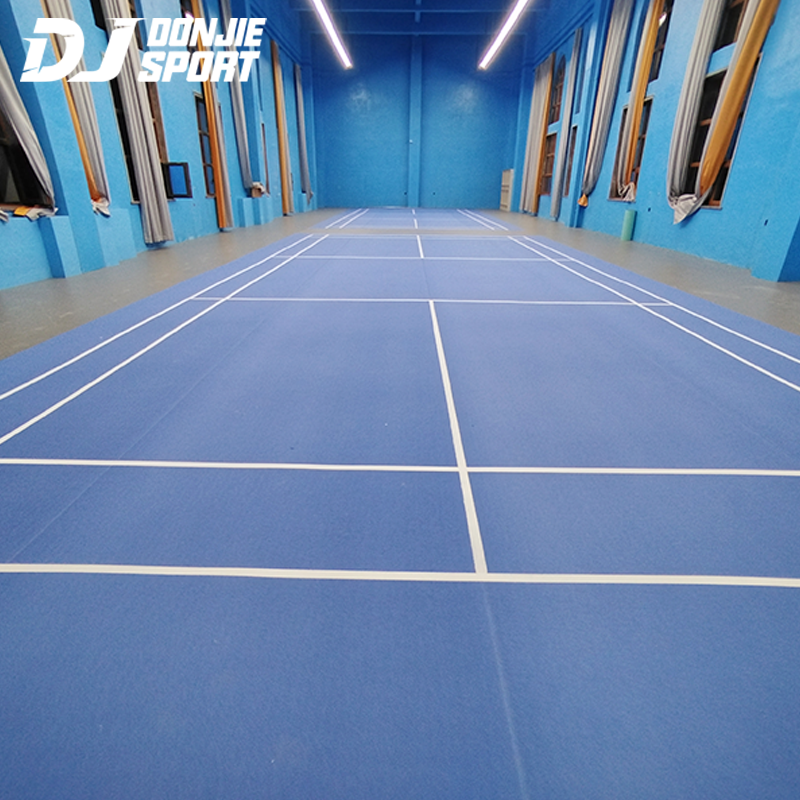
Why Synthetic Flooring is Ideal for Badminton Courts
Durability and Longevity
One of the most significant advantages of synthetic Badminton Court Flooring is its durability. Unlike wooden or concrete floors, synthetic materials are designed to withstand high levels of wear and tear over extended periods. PVC and PU synthetic surfaces are resistant to scratches, scuffs, and minor impacts, ensuring the flooring maintains its appearance and functionality even under frequent use. This durability translates into a longer lifespan, reducing the need for costly replacements or frequent repairs.
Consistent Performance
Synthetic flooring provides a reliable playing surface, which is critical for badminton players who rely on precision and speed. The materials offer consistent shuttle bounce and predictable traction, allowing players to move confidently without adjusting to uneven spots. This uniformity in performance helps athletes perform at their best, reduces the risk of slips or missteps, and enhances the overall playing experience.
Shock Absorption and Safety
Player safety is a primary consideration for any sports facility. Synthetic Badminton Court Flooring is engineered with shock-absorbing properties that reduce the impact on joints, knees, and ankles. This cushioning effect minimizes the risk of injuries caused by repetitive movements, sudden stops, and jumps. The flooring’s grip also supports lateral movements, making it safer for players to engage in fast-paced rallies.
Low Maintenance Needs
Another key benefit of synthetic flooring is its low maintenance requirements. Unlike wooden floors that need polishing, sealing, or refinishing, synthetic surfaces can be easily cleaned with standard floor cleaners. They are resistant to moisture, staining, and mold, which makes them ideal for indoor and semi-outdoor courts. Facility managers can save significant time and effort while keeping the court hygienic and presentable.
Cost-Effectiveness Over Time
While the initial investment for synthetic Badminton Court Flooring may be higher than basic options like concrete, the long-term benefits outweigh the upfront costs. Reduced maintenance, high durability, and longevity mean fewer replacements and lower overall expenses. Over time, synthetic flooring proves to be a cost-effective choice for both professional and recreational badminton courts.
Types of Synthetic Badminton Court Flooring
PVC Flooring
PVC synthetic flooring is widely used in professional and recreational badminton courts. It offers excellent shock absorption, consistent surface grip, and easy installation. Its durability and resistance to wear make it ideal for high-traffic gyms and sports centers.
Polyurethane (PU) Flooring
PU flooring is known for its flexibility, superior grip, and smooth finish. It supports quick footwork and dynamic movement, which is crucial for fast-paced badminton games. PU surfaces are also highly resistant to scratches and impacts, ensuring a long-lasting, high-quality playing experience.
Modular Synthetic Tiles
Modular synthetic tiles provide flexibility in installation and maintenance. They can be quickly replaced if damaged, making them ideal for multi-purpose facilities. Customizable patterns and designs are also possible, allowing facilities to match aesthetic requirements without compromising performance.
Installation Considerations for Synthetic Badminton Court Flooring
Proper installation is essential to maximize the benefits of synthetic flooring. Subfloor preparation is critical, ensuring a level and smooth base for the synthetic surface. Choosing the right adhesive and professional installation techniques ensures the flooring remains stable and prevents issues like curling or gaps. For large facilities, hiring experienced installers guarantees that the surface performs optimally for years to come.
Maintenance Tips to Maximize the Life of Your Synthetic Flooring
Regular cleaning with a damp mop and neutral pH cleaners helps maintain the surface and prevent buildup of dirt or grime. Minor scratches or damages should be addressed promptly to prevent further deterioration. Seasonal inspections are recommended to check for loose tiles, uneven areas, or other signs of wear. With minimal effort, synthetic Badminton Court Flooring can maintain its professional appearance and performance for decades.
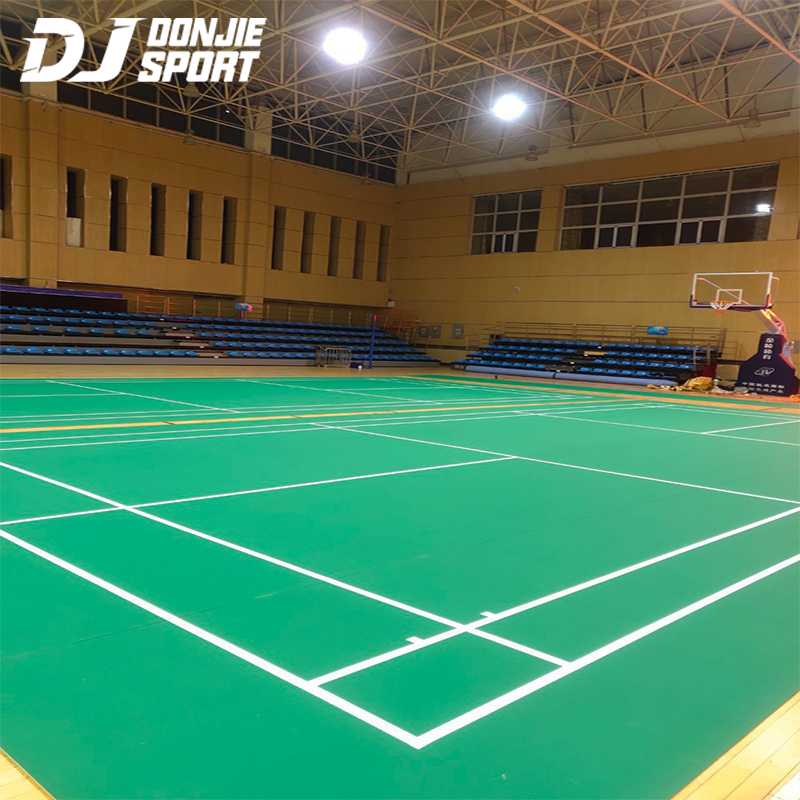
Comparing Synthetic Flooring with Other Flooring Types
Compared to wooden flooring, synthetic surfaces require less maintenance and provide better shock absorption. Unlike concrete or cement floors, synthetic flooring delivers consistent traction and reduces the risk of injuries. For commercial gyms and professional arenas, synthetic options combine the benefits of safety, performance, and long-term cost savings, making them a preferred choice worldwide.
Conclusion
Synthetic Badminton Court Flooring offers unmatched benefits in durability, performance consistency, safety, and maintenance. Its various options, from PVC to PU to modular tiles, allow facility managers to choose the surface that best suits their needs. Investing in high-quality synthetic flooring ensures players enjoy a superior playing experience while keeping maintenance costs low and the court looking professional for years. Whether for professional sports centers or recreational facilities, synthetic flooring is a smart, long-term choice that elevates the game experience and protects players’ well-being.



