Choosing the right basketball flooring is a crucial decision for anyone looking to build or upgrade a basketball court. Whether it’s for a professional arena, a school gymnasium, or a recreational space, the quality of your court’s flooring directly impacts both performance and safety. High-quality flooring provides the perfect balance between durability, comfort, and aesthetics, ensuring a consistent game experience and longevity of use. In this guide, we’ll explore the best basketball flooring options available for sale and where to find them, so you can make an informed purchase that suits your specific needs.
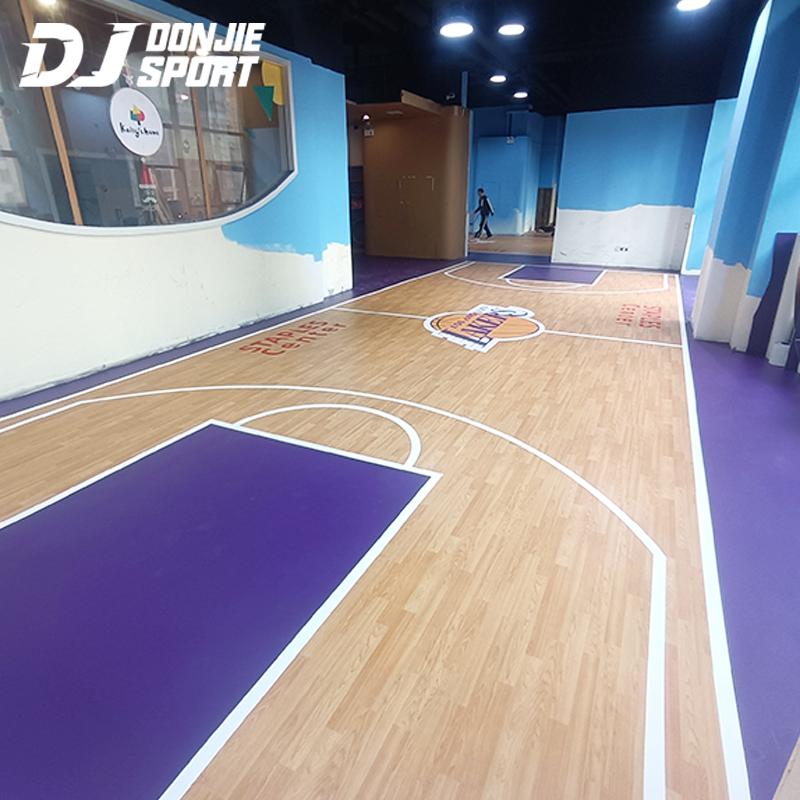
1. Understanding the Different Types of Basketball Flooring
When it comes to basketball flooring, there are several materials to choose from, each with its own benefits and ideal use cases. Let’s break down the most popular options:
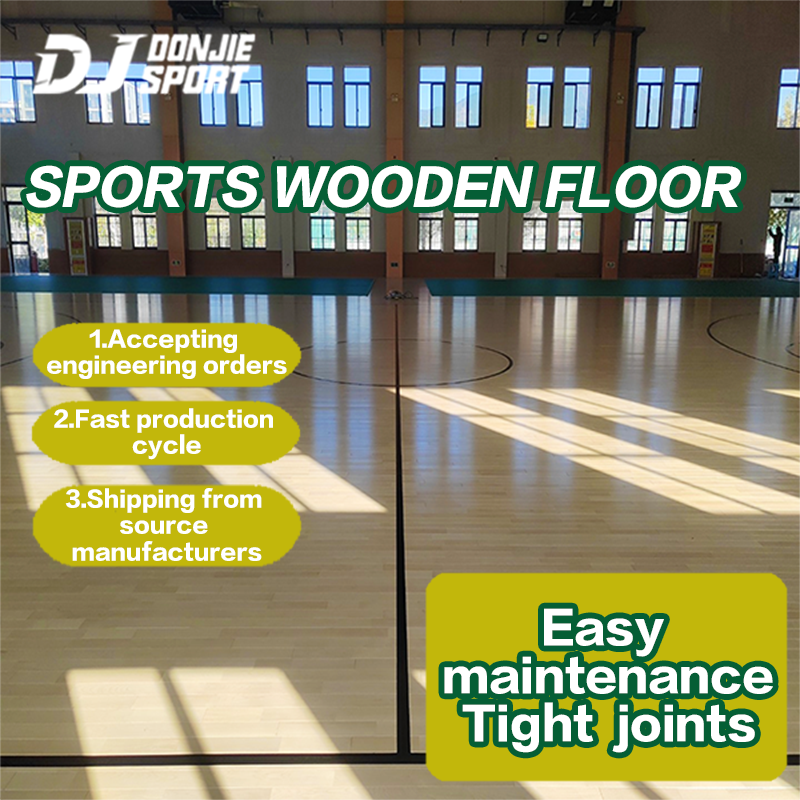
1.1 Hardwood Basketball Flooring
Hardwood is the classic choice for professional basketball courts, offering unmatched aesthetics and durability. Many iconic NBA courts are made of hardwood, making it the gold standard for professional settings. The benefits include:
-
Durability: Hardwood floors are designed to withstand heavy use and last for decades with proper maintenance.
-
Aesthetic Appeal: Hardwood courts provide a polished, professional look that elevates the playing experience.
-
Maintenance: Although durable, hardwood requires regular maintenance, such as refinishing every few years to maintain its appearance and performance.
Hardwood flooring is typically ideal for professional arenas and gyms where appearance and performance are top priorities.
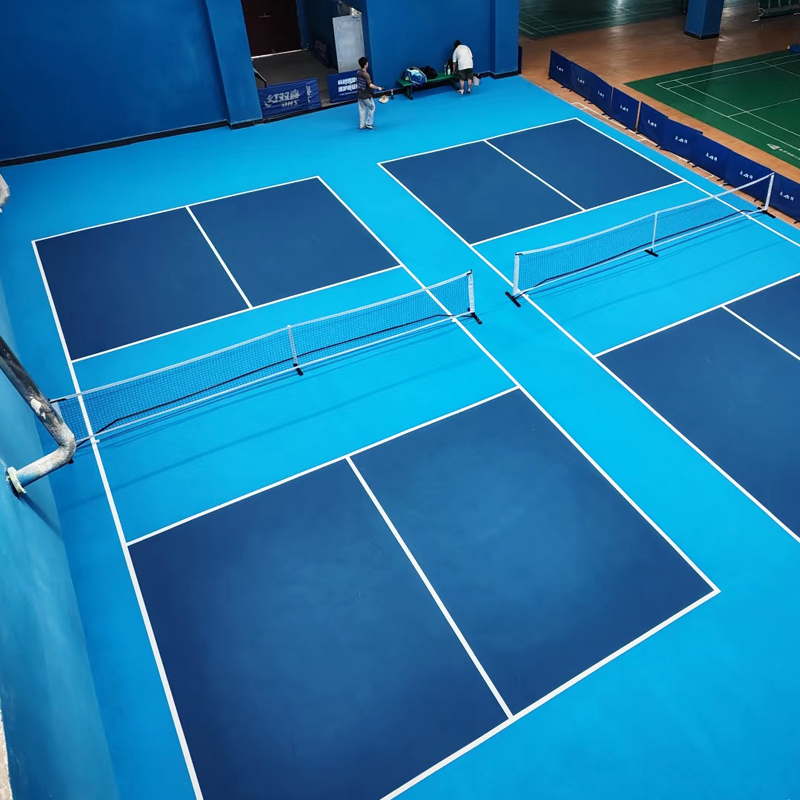
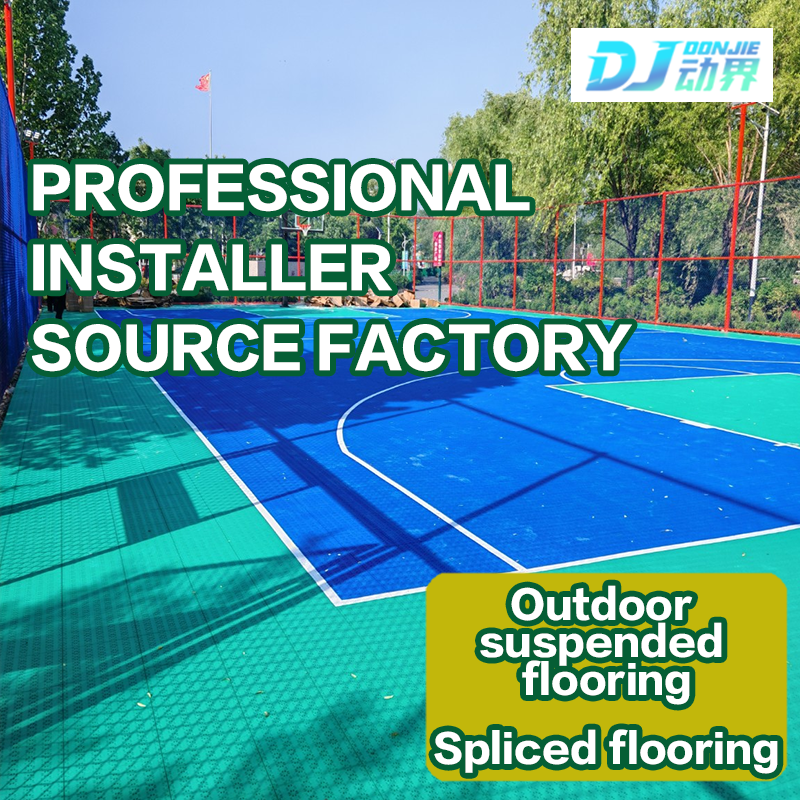
1.2 Modular Court Tiles
Modular court tiles are gaining popularity for both home and commercial courts. These interlocking tiles are easy to install, making them a popular choice for DIYers. Key benefits include:
-
Easy Installation: Unlike hardwood or synthetic options, modular tiles can be installed quickly without the need for professional assistance.
-
Portability: Modular tiles can be moved, which is great for temporary setups or spaces that require flexibility.
-
Customization: You can often choose different colors and designs, allowing you to personalize your court.
Modular tiles are perfect for smaller courts, recreational spaces, or temporary courts, though they might not offer the same professional appeal as hardwood floors.
1.3 Rubber Flooring
Rubber flooring is a practical choice, especially for training courts or facilities focused on comfort and safety. The benefits of rubber flooring include:
-
Shock Absorption: Rubber flooring offers superior cushioning, reducing impact on joints and preventing injuries during high-intensity games.
-
Comfort: It provides a softer, more comfortable surface, ideal for long training sessions.
-
Durability: While not as long-lasting as hardwood, rubber flooring is still durable and low-maintenance.
Rubber floors are best suited for indoor recreational courts, gyms, or practice areas where safety and comfort are more important than aesthetics.
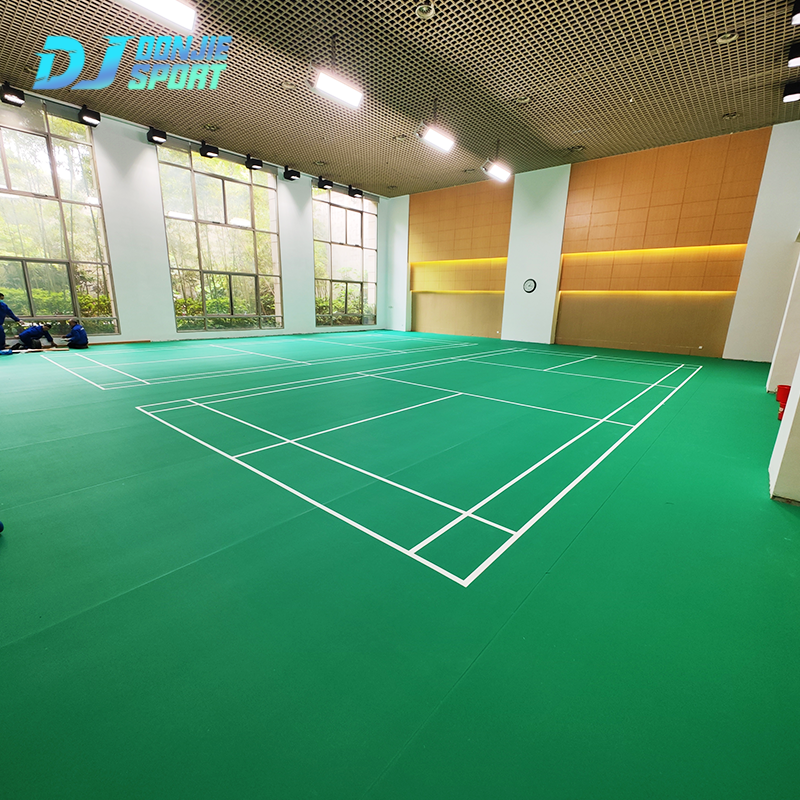
1.4 Polyurethane and Synthetic Options
Polyurethane and synthetic surfaces are known for their durability and consistent performance. These floors are engineered to offer the right level of grip and bounce for basketball. The key benefits include:
-
Consistent Performance: Synthetic courts provide a uniform playing surface, making them perfect for competitive play.
-
Weather Resistance: Polyurethane flooring can be used both indoors and outdoors, withstanding various weather conditions without degrading.
-
Low Maintenance: Synthetic flooring requires minimal upkeep, making it cost-effective over the long run.
These surfaces are often used in commercial or outdoor courts where both performance and cost-effectiveness are important.
2. Where to Buy the Best Basketball Flooring
Once you’ve identified the type of basketball flooring that fits your needs, the next step is finding a reliable place to purchase it. There are several options available, each with its advantages:
2.1 Online Stores
Shopping online provides convenience and access to a wide range of basketball flooring options. Some popular eCommerce platforms that offer basketball flooring include:
-
Amazon: Great for modular tiles and rubber flooring, with a wide selection of brands and customer reviews to help guide your decision.
-
eBay: Ideal for those looking for discounted or bulk flooring options, though it requires careful evaluation of sellers and products.
-
Specialized Flooring Websites: Many websites specialize in sports flooring, such as Sport Court or SnapSports. These platforms typically offer high-quality products and sometimes even customization options.
The advantage of buying online is the ease of browsing, reviews, and sometimes better pricing. However, you may not be able to see or touch the flooring before purchasing, which is a limitation for some buyers.
2.2 Directly from Manufacturers
Buying flooring directly from manufacturers can give you the opportunity to:
-
Get Customization: Many manufacturers offer custom court designs, including personalized colors, logos, and finishes.
-
Price Advantages: Purchasing directly often removes middlemen, resulting in potentially lower prices.
-
Superior Quality Control: Direct purchase can ensure that you are getting the highest quality product, with warranties and support.
Top manufacturers of basketball flooring include Concord, Sport Court, and Tarkett Sports. Visiting their websites or contacting them directly can help you make a more informed purchase.
2.3 Local Sports Equipment Suppliers
Local suppliers offer the benefit of being able to see samples and speak with experts about your specific needs. Many local businesses also have relationships with manufacturers, which means they can help you find high-quality flooring options at competitive prices. Be sure to:
-
Ask for Samples: Seeing and touching samples is crucial to getting a feel for the material.
-
Consult with Experts: Local suppliers can provide personalized advice based on your needs, such as court size, traffic levels, and budget.
-
Get Installation Services: Many local suppliers offer installation services, which can save you time and effort.
3. Key Considerations When Buying Basketball Flooring
There are several factors you should consider when purchasing basketball flooring to ensure that you choose the best option for your needs.
3.1 Durability and Maintenance
-
Consider how often the court will be used and how much maintenance you’re willing to do. Hardwood, for instance, is durable but requires regular refinishing.
-
Synthetic floors and rubber tiles tend to require less maintenance, making them more suitable for high-traffic areas.
3.2 Cost and Budget Planning
-
Hardwood floors are generally the most expensive, especially when you factor in installation and maintenance.
-
Modular tiles and rubber floors can be more budget-friendly, but may not offer the same professional look or feel.
Be sure to factor in long-term costs, such as maintenance and replacement, when making your decision.
3.3 Installation and Setup Process
-
DIY Installation: Modular tiles are a great option for DIY installation.
-
Professional Installation: Hardwood and synthetic flooring often require professional installation, which can add to the cost but ensure proper setup.
Make sure to budget for installation services, particularly if you’re opting for more complex materials.
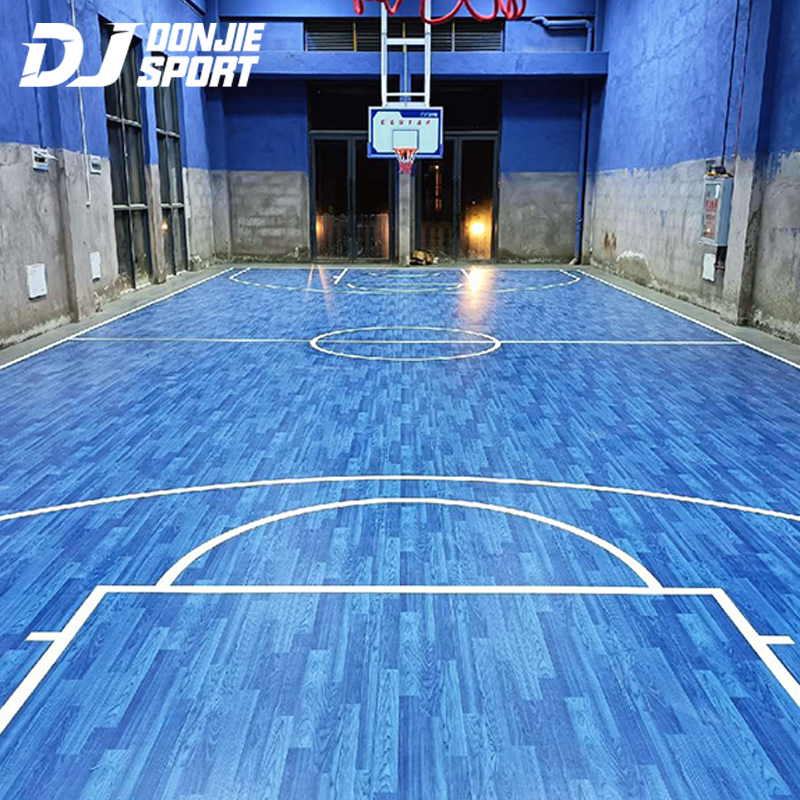
4. Reviews of the Best Basketball Flooring Brands
When selecting your flooring, consider these top brands known for their high-quality products:
4.1 Top Hardwood Flooring Brands
-
Gerflor: Known for its high-quality hardwood flooring systems, used in professional arenas.
-
Tarkett Sports: A trusted brand in both hardwood and synthetic flooring, offering excellent durability and performance.
4.2 Best Modular Tile Brands
-
SnapSports: Specializes in interlocking tiles that provide excellent grip and bounce, suitable for both indoor and outdoor courts.
-
Sport Court: Offers modular tiles that are easy to install and customize, with great durability for recreational courts.
4.3 Best Synthetic Flooring Solutions
-
Mondo: Known for its synthetic sports flooring, Mondo provides courts that are ideal for professional use, offering superior performance and durability.
-
Tarkett Sports: Offers a wide range of synthetic court options, designed to withstand intense use in both indoor and outdoor environments.
5. How to Choose the Right Basketball Flooring for Your Needs
Selecting the right flooring depends on your specific needs:
5.1 Considerations Based on Court Size
-
For smaller home courts or recreational spaces, modular tiles or rubber flooring can be more cost-effective.
-
Hardwood is best for larger, high-traffic areas where professional appearance and performance are key.
5.2 Indoor vs. Outdoor Flooring
-
Outdoor courts require weather-resistant materials like synthetic flooring or durable modular tiles.
-
Indoor courts often benefit from hardwood for a professional feel or rubber flooring for comfort and safety.
5.3 Personal Preferences and Performance Requirements
-
Grip and bounce are key considerations for professional play, making synthetic surfaces and hardwood ideal.
-
Comfort for training or practice courts may lean towards rubber flooring for its shock absorption.
Conclusion
Choosing the best basketball flooring is an investment in both performance and safety. By considering the type of flooring, where to purchase it, and key factors like durability, cost, and installation, you can ensure that you’re making the best choice for your court. Whether you choose hardwood, modular tiles, or synthetic surfaces, the right basketball flooring will enhance your game and last for years to come.