When it comes to ballet, every element in the studio plays a role in shaping a dancer’s performance. Among the most crucial factors often overlooked is the choice of flooring. The right flooring not only enhances performance but also significantly reduces the risk of injury, providing dancers with the necessary support for their intense movements. Whether you’re setting up a professional ballet studio or upgrading your current space, understanding the best flooring options for ballet is essential.
The foundation of any dance space, ballet flooring needs to be resilient enough to absorb the shock from jumps and leaps, yet firm enough to provide stability for balance and control. In this blog post, we’ll explore the best flooring options available for ballet, break down the key features to look for, and provide maintenance tips to ensure your floors stand the test of time. Let’s dive in and discover how to choose the right floor that will elevate your ballet practice to new heights.
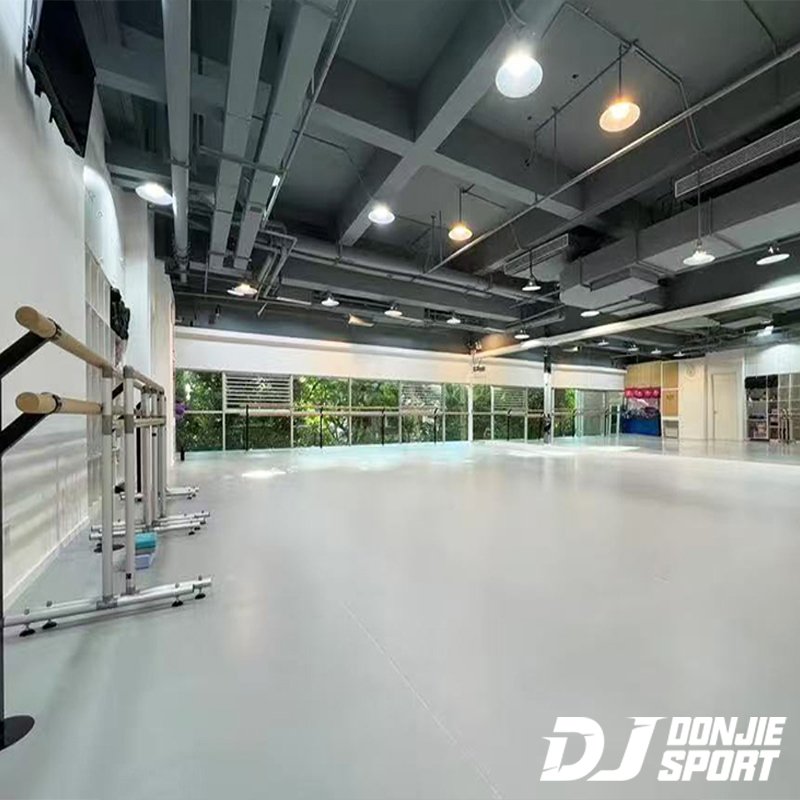
Understanding the Basics of Ballet Flooring
Why Flooring Matters for Ballet Dancers
Ballet is a dynamic and physically demanding art form that requires precise movements, including pirouettes, jumps, and leaps. The right flooring can make all the difference between a flawless performance and a potential injury. A high-quality dance floor provides stability and support while minimizing the risk of slips and falls, which is crucial for dancers performing intricate techniques.
The wrong type of flooring, on the other hand, can lead to serious injuries. For instance, hard surfaces like concrete can cause unnecessary stress on the joints, leading to strains or sprains. Without the proper cushioning, dancers may also experience discomfort or fatigue during long practice sessions.
The Role of Dance Floors in Ballet Technique
A ballet floor is more than just a surface to stand on; it plays a critical role in facilitating smooth movement and enhancing a dancer’s technique. Floors designed specifically for ballet are engineered to provide an optimal level of flexibility and shock absorption. This not only supports dancers’ health but also helps them achieve greater precision in their movements. For example, sprung floors, which feature a layer of shock-absorbing material beneath the surface, offer a perfect balance of support and flexibility.
The right flooring enables dancers to execute their pirouettes and jumps with more control, making the transition between movements fluid and seamless. Whether it’s a professional performance or a practice session, ballet flooring can influence the quality of execution, especially for intricate footwork that requires both grip and glide.
Safety Considerations: Protecting Joints and Reducing Injury
In ballet, the risk of injury is a constant concern, especially when dancers are training or performing frequently. The flooring you choose should be designed to reduce stress on the body, especially the feet, knees, and spine. Proper ballet flooring should provide enough cushion to absorb impact while being firm enough to maintain the correct level of traction.
For dancers who perform leaps and turns, floors with a good level of resilience can help prevent overuse injuries, such as shin splints or tendinitis. Additionally, flooring that maintains consistent stability will help with balance, reducing the likelihood of falls or slips. When selecting flooring for a ballet studio, consider options that offer both comfort and safety to ensure a well-rounded, injury-free practice environment.
Types of Flooring for Ballet
Hardwood Floors: The Traditional Ballet Flooring
Hardwood floors have long been the go-to choice for ballet studios, providing a classic and elegant look. Typically made from maple or oak, hardwood floors are known for their durability and smoothness. These floors offer the necessary resistance to allow for the precise footwork ballet demands. However, one key consideration with hardwood is that they are often hard and can be unforgiving on the joints without proper underlayment.
Many ballet studios choose hardwood floors for their aesthetic value, as they bring a timeless, polished look to the space. But, they must be paired with a sprung or cushioned layer beneath to offer dancers the shock absorption they need during intense routines. Hardwood floors are also prone to wear over time, especially in high-traffic areas, so they require regular maintenance to preserve their finish and functionality.
Vinyl Flooring: Durability and Comfort Combined
Vinyl flooring is a popular option for ballet studios due to its resilience, ease of maintenance, and affordability. Vinyl floors come in a variety of textures, and many are designed specifically for dance use. These floors are flexible, comfortable underfoot, and provide a good balance of cushion and firmness, making them a suitable choice for both beginners and advanced dancers.
One of the main advantages of vinyl flooring is its durability. It can withstand heavy foot traffic without showing signs of wear, and it’s resistant to moisture, which can help prevent the growth of mold or mildew. Additionally, vinyl is easier to maintain compared to hardwood, requiring only regular sweeping and occasional mopping to keep it in top condition.
Sprung Floors: The Ideal Choice for Professional Studios
When it comes to the best flooring for ballet, sprung floors are often considered the gold standard. These floors are designed with a specialized system of wooden slats or rubber underlayment that provides enhanced shock absorption and reduces the impact on a dancer’s joints. Sprung floors can reduce the likelihood of injuries by distributing the impact force across the floor rather than concentrating it on a dancer’s body.
The resilience and cushioning offered by sprung floors allow dancers to execute jumps, landings, and other high-impact movements with less strain on their muscles and joints. These floors are typically used in professional studios and performance venues where the highest level of comfort, durability, and performance is required. They also contribute to a studio’s acoustics, adding an extra layer of sound quality during rehearsals and performances.
Marley Flooring: A Common Option for Ballet Performances
Marley floors, often made from vinyl or PVC, are another popular option for ballet and other forms of dance. Marley is a smooth, non-reflective surface that offers good traction for dancers, making it a great choice for those performing or rehearsing on a temporary basis. It’s commonly used for stage performances or in studios where various dance styles are practiced.
While Marley floors offer some shock absorption, they are typically not as resilient as sprung floors. However, they are easy to install and maintain, making them a cost-effective option for schools or studios with budget constraints. Marley floors are often laid over a hardwood or sprung base to maximize their functionality and safety.
Cushioned Floors: Balancing Comfort and Stability
Cushioned floors are designed to provide a higher level of comfort for dancers while still offering the stability needed for ballet movements. These floors feature layers of foam or other soft materials beneath the surface to absorb impact and reduce strain on the body. Cushioned floors are especially beneficial for dancers who are prone to foot or ankle injuries, as they help to reduce the risk of overuse injuries during prolonged practice sessions.
However, while cushioned floors provide added comfort, they may not offer the same level of firmness or support needed for more advanced ballet techniques. These floors are often found in beginner or recreational dance studios where the focus is on comfort and injury prevention rather than high-level performance.
Key Features to Look for in Ballet Flooring
Resilience: Ensuring Proper Shock Absorption
The resilience of ballet flooring is crucial for injury prevention. Floors that absorb shock help to reduce the impact on the dancer’s body, especially during jumps and landings. Look for floors with built-in shock-absorbing properties, such as sprung floors or cushioned vinyl, which will allow dancers to land with less force on their joints. A resilient floor ensures that dancers can perform at their best without worrying about long-term wear and tear on their bodies.
Traction: Balancing Grip and Slide for Precision
Ballet flooring needs to strike a balance between traction and slide. Too much traction can cause dancers to stick to the floor, making it difficult to execute spins or quick movements. Conversely, too little traction can lead to slips and falls, especially when performing more dynamic movements like pirouettes. The ideal flooring provides a level of grip that enables precise footwork while allowing for fluid, controlled movement.
Durability: Long-Lasting Floors for Intensive Use
Ballet floors are subject to wear and tear, especially in high-traffic studios or during performances. Choose flooring that is durable enough to withstand the demands of daily use. High-quality vinyl, hardwood, and sprung floors are built to last and are resistant to scratches, dents, and fading. Durable flooring ensures that your studio remains safe and aesthetically pleasing for years to come, providing consistent performance without frequent repairs.
Aesthetic Appeal: How Flooring Affects Studio Aesthetics
While performance should always come first, the aesthetic appeal of your ballet floor is important, too. The flooring you choose can influence the overall look and feel of your studio, contributing to the environment in which dancers practice. Many dancers and studio owners opt for floors that match the aesthetic of their space, with options like classic hardwood or sleek, modern vinyl.
How to Maintain Ballet Flooring
Cleaning and Care for Different Flooring Materials
Proper maintenance is key to preserving the longevity and safety of your ballet floors. For hardwood floors, regular sweeping and occasional waxing will help maintain their shine and protect the surface. Vinyl floors require light mopping with a non-abrasive cleaner to avoid damage. For sprung floors, be sure to follow the manufacturer’s instructions for cleaning to ensure the underlayment remains intact and effective.
Preventing Damage and Prolonging the Life of Your Floors
Avoid dragging heavy equipment or furniture across the floor to prevent scratches or dents. Dancers should also wear appropriate footwear to avoid damaging the surface. In high-traffic areas, consider placing rugs or mats to protect the floor from excessive wear.
Routine Inspections for Safety and Performance
Regularly inspect your ballet floor for signs of damage or wear, especially in areas that experience the most activity. Check for loose tiles, cracks, or uneven surfaces that could create safety hazards for dancers. Early repairs will help extend the life of the floor and keep dancers safe.
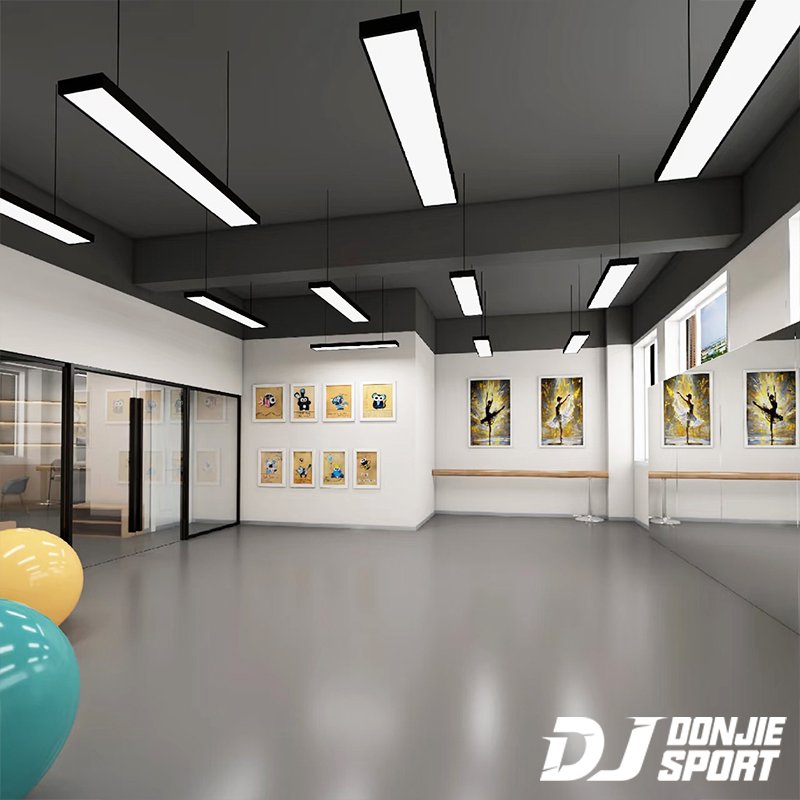
Choosing the Right Flooring for Your Studio
Factors to Consider Based on Your Space and Dancer Needs
When selecting flooring, consider the type of dance and the needs of your dancers. Professional studios may prefer sprung or high-quality vinyl for their durability and performance features. Recreational studios, on the other hand, might benefit from cushioned or vinyl floors for comfort and safety.
Think about the size of your studio, the budget, and how much foot traffic the floor will experience. If you’re planning on hosting performances, Marley or sprung floors may be ideal for their smooth, durable surface. Also, be mindful of your studio’s climate, as extreme humidity or temperature changes can affect certain flooring materials, like wood.
Budgeting for High-Quality Ballet Flooring
While high-quality flooring can be expensive, it’s an investment that pays off in the long run. Consider both initial costs and long-term maintenance when making your decision. A durable, low-maintenance floor may cost more upfront but save money on repairs and replacements down the road.
Expert Tips for Installation
Installing ballet flooring requires expertise to ensure the correct alignment, especially for sprung floors or Marley installations. Consider hiring a professional to handle the installation, particularly if your floor involves complex underlayment or specialized materials. Professional installation ensures the floor is level, secure, and provides maximum support for dancers.
Conclusion
Choosing the best flooring for ballet is not just about aesthetics—it’s about creating a safe, supportive, and durable environment that enhances the performance and well-being of your dancers. From hardwood to sprung and cushioned options, each type of flooring has its own unique benefits. By considering your studio’s needs, your budget, and the level of performance required, you can select the perfect flooring that will support your dancers and help them achieve their best.