Choosing the best flooring for dance studios is one of the most important decisions a studio owner can make. The right flooring not only enhances the aesthetic appeal of the space but also directly influences the safety, performance, and comfort of dancers. Whether you’re setting up a ballet studio, a hip-hop space, or a multi-purpose studio that hosts various dance styles, the flooring needs to be selected carefully to meet the demands of each discipline.
In this article, we will explore a variety of flooring options for dance studios, comparing their features, benefits, and potential drawbacks. By understanding the different types of flooring and their suitability for specific dance styles, you’ll be equipped to make an informed decision that supports both your dancers’ needs and your studio’s budget.
From wooden dance floors to Marley and vinyl options, each flooring type comes with its own set of advantages. Let’s dive into the most common choices and understand how to select the best flooring for your dance studio.

Types of Flooring for Dance Studios
When it comes to dance studios, the flooring is the foundation upon which dancers express themselves. There are several types of flooring to consider, each with its unique qualities that suit different dance styles and studio needs. Here’s a detailed comparison of the most popular flooring options:
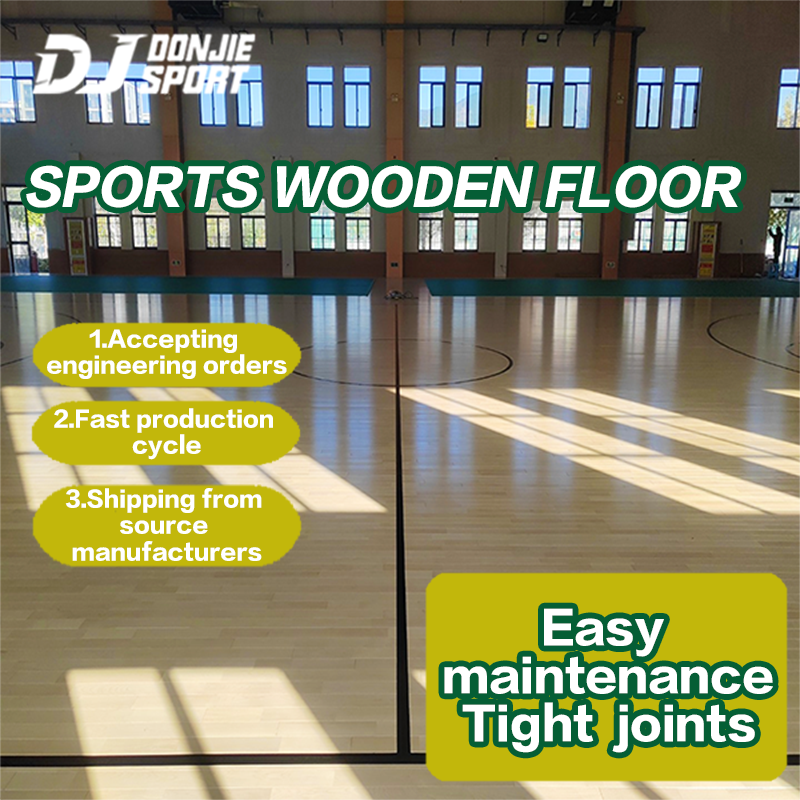
Wooden Dance Floors
Pros:
-
Durability: Wooden floors are long-lasting and highly durable, making them a great investment for studios expecting heavy foot traffic.
-
Aesthetics: The natural beauty of wood provides an elegant and timeless look, adding to the overall ambiance of the studio.
-
Versatility: Suitable for a wide range of dance styles, from ballet to jazz to contemporary. The slightly springy surface provides a good balance between grip and slip for various movements.
Cons:
-
Maintenance: Wooden floors require regular upkeep to prevent scratches, dents, and wear. They may also need refinishing over time.
-
Cost: While durable, hardwood flooring can be expensive, especially when factoring in installation costs.
-
Slipperiness: If not maintained properly, wood floors can become slippery, posing a risk for dancers.
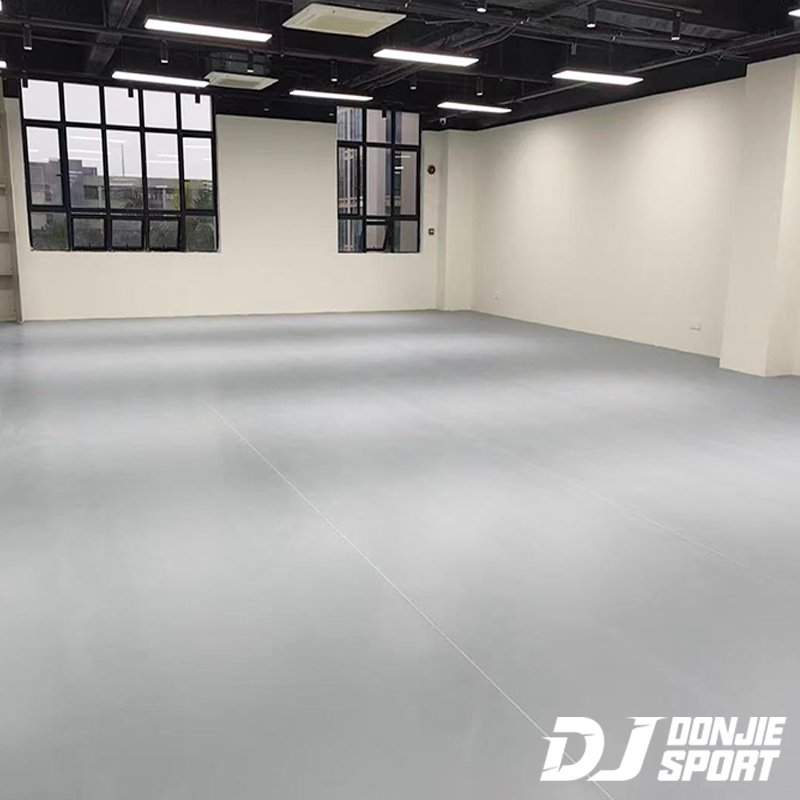
Vinyl Dance Floors
Pros:
-
Cost-effective: Vinyl floors are generally more affordable than hardwood, making them a great choice for budget-conscious studio owners.
-
Low Maintenance: Vinyl is easy to clean and requires minimal upkeep, making it a practical option for busy studios.
-
Slip Resistance: Modern vinyl dance floors come with non-slip coatings, ensuring dancers have the traction they need.
Cons:
-
Less Aesthetic Appeal: While functional, vinyl doesn’t offer the same natural beauty as wood. It may not provide the same upscale feel for high-end studios.
-
Wear Over Time: Depending on the quality of the vinyl, it can wear out faster than other flooring types, especially with high-impact use.
Rubber Flooring
Pros:
-
Shock Absorption: Rubber flooring provides excellent cushioning, reducing the impact on dancers’ joints, especially during high-impact movements or rehearsals.
-
Durability: Rubber is incredibly resilient and resistant to wear, making it ideal for studios that experience a lot of foot traffic.
-
Noise Reduction: Rubber flooring helps absorb sound, making it a great choice for studios in noise-sensitive environments.
Cons:
-
Aesthetic Limitations: Rubber flooring tends to look industrial and may not offer the refined appearance that some dance studios desire.
-
Weight: It can be heavy, making it challenging to install or move if the studio needs reconfiguration.
-
Odor: Some rubber flooring options can emit a strong rubber smell, which can be unpleasant in an indoor environment.
Marley Flooring
Pros:
-
Perfect for Ballet and Contemporary Dance: Marley flooring is the gold standard for ballet, modern, and contemporary dance. It provides excellent grip and allows dancers to perform intricate moves without slipping.
-
High Performance: Ideal for rehearsals and performances, Marley is designed to handle intense movements and is highly resistant to wear.
-
Lightweight and Portable: Unlike permanent flooring options, Marley can be rolled up and transported, making it perfect for touring or temporary setups.
Cons:
-
Installation Needs: While Marley is relatively easy to install, it requires a smooth, clean subfloor to avoid wrinkles or uneven surfaces that could be hazardous for dancers.
-
Slippery When Wet: Marley floors can become slippery when exposed to moisture, so it’s essential to maintain a dry environment.
Interlocking Foam Tiles
Pros:
-
Easy Installation: Interlocking foam tiles are extremely easy to install, requiring no glue or nails. They can also be removed and replaced quickly.
-
Portable: These tiles are perfect for studios that need flexibility or for temporary setups at events or workshops.
-
Affordable: Foam tiles are budget-friendly and provide an affordable solution for home studios or smaller spaces.
Cons:
-
Durability: Foam tiles aren’t as durable as other flooring options and may wear down quickly under heavy use.
-
Limited Suitability for High-Impact Dance: While perfect for light exercises or beginner-level dancing, foam tiles may not offer the support needed for advanced or high-impact styles like tap or hip-hop.
Factors to Consider When Choosing the Best Flooring for Dance Studios
Choosing the right flooring for your dance studio involves more than just looking at the material. Here are several factors to consider before making your decision:
Dance Style and Movement Needs
Each dance style has specific requirements for flooring. Ballet dancers, for example, benefit from a smooth, slightly cushioned surface that offers both grip and slide. On the other hand, street dancers need floors that provide more durability and shock absorption. Understanding the movement needs of your studio’s most practiced styles will help narrow down the best flooring options.
Budget
Flooring can be a significant upfront investment, so it’s important to align your flooring choice with your budget. While hardwood may offer long-term benefits, vinyl and foam tiles are more affordable alternatives that might better suit smaller or home studios.
Durability and Longevity
Dance floors endure a lot of wear and tear, especially in busy studios. Consider how much foot traffic the studio will have and choose a flooring option that can withstand frequent use without losing its quality or safety features.
Safety Considerations
Safety should always be a top priority. Floors should be slip-resistant and offer cushioning to prevent injuries during high-impact movements. The right floor will reduce the risk of slips, falls, and joint strain.
Aesthetic and Design Preferences
Flooring sets the tone for your studio’s environment. Whether you’re aiming for an elegant wood finish or a modern, sleek vinyl surface, the look of your flooring can enhance the overall studio ambiance.
Maintenance and Cleaning
Some floors require more upkeep than others. Consider how easy it will be to clean and maintain the flooring in a busy environment. Some floors, like vinyl and rubber, are easier to care for than others, such as wood.
The Best Flooring Choices for Specific Dance Styles
Different dance styles demand specific flooring characteristics. Here’s a breakdown of the best options for some popular styles:
-
Ballet: Marley floors or hardwood are the top choices for ballet. Both offer the necessary grip and smoothness for pirouettes, leaps, and other movements.
-
Hip-hop and Street Dance: Rubber and vinyl floors provide the durability and shock absorption required for high-energy, acrobatic moves.
-
Contemporary Dance: A versatile option, Marley flooring allows for smooth transitions while offering enough grip for dynamic movements.
-
Jazz and Tap: For tap, wooden floors are ideal as they provide the necessary resonance for tap sounds, while vinyl or rubber is better for jazz due to their slip-resistant properties.
Installation Process and Maintenance Tips
Installation
The installation process varies based on the type of flooring. Hardwood floors require professional installation and careful subfloor preparation. Marley floors are easier to install but require a smooth surface to prevent wrinkles. Vinyl and rubber floors are often DIY-friendly, but it’s important to follow manufacturer guidelines for best results.
Maintenance Tips
To keep your flooring in top condition, follow these tips:
-
Clean regularly using appropriate cleaners designed for your flooring material.
-
Avoid harsh chemicals that could damage the surface.
-
Periodically inspect for wear and tear, especially in high-traffic areas.
-
For wooden floors, consider refinishing every few years to maintain their appearance.
Conclusion
Selecting the best flooring for your dance studio requires careful consideration of your dancers’ needs, your budget, and the specific demands of each dance style. Whether you opt for the elegance of hardwood, the practicality of vinyl, or the durability of rubber, each flooring option has its benefits. By making an informed decision based on the factors outlined above, you’ll create a safe, comfortable, and inspiring space for your dancers to perform at their best.