The flooring in a dance studio plays a crucial role in both the performance and safety of dancers. It not only affects how comfortable dancers feel but also impacts their ability to perform with precision and technique. Whether you’re setting up a professional studio or a practice space, choosing the right flooring is essential to ensure the safety, comfort, and longevity of your studio. The ideal floor will provide the necessary cushioning to absorb impact, allow for smooth movements, and prevent slips and falls. In this article, we will explore the best flooring options for dance studios, considering factors like durability, comfort, and safety.

Types of Dance Studio Flooring Materials
Wood Flooring: Timeless Elegance and Functionality
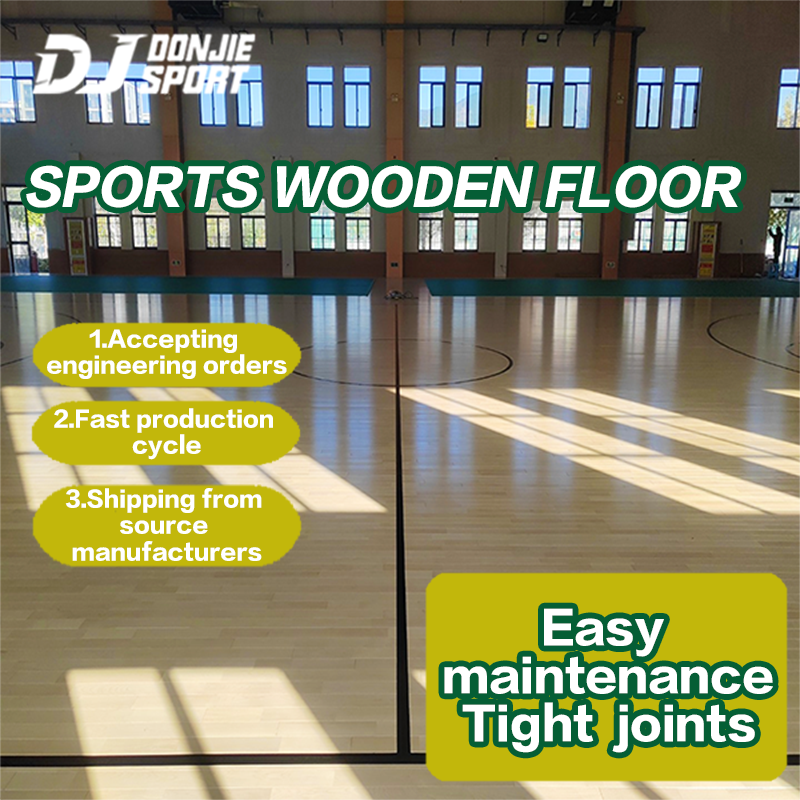
Wood flooring has been a staple in dance studios for centuries, offering a classic and elegant look that suits a variety of dance styles, from ballet to contemporary. Wood floors are favored for their ability to provide a stable surface that supports both movement and technique. They allow dancers to glide with ease while providing enough resistance for sharp, controlled movements.
The primary advantage of wood flooring is its durability and timeless aesthetic. However, it can be more expensive to install and requires regular maintenance to keep it looking pristine. Additionally, some dancers may find it hard underfoot, especially for long practice sessions, which is why many studios choose to layer it with a cushioned surface like a Marley vinyl mat.
Vinyl Flooring: Versatility and Comfort
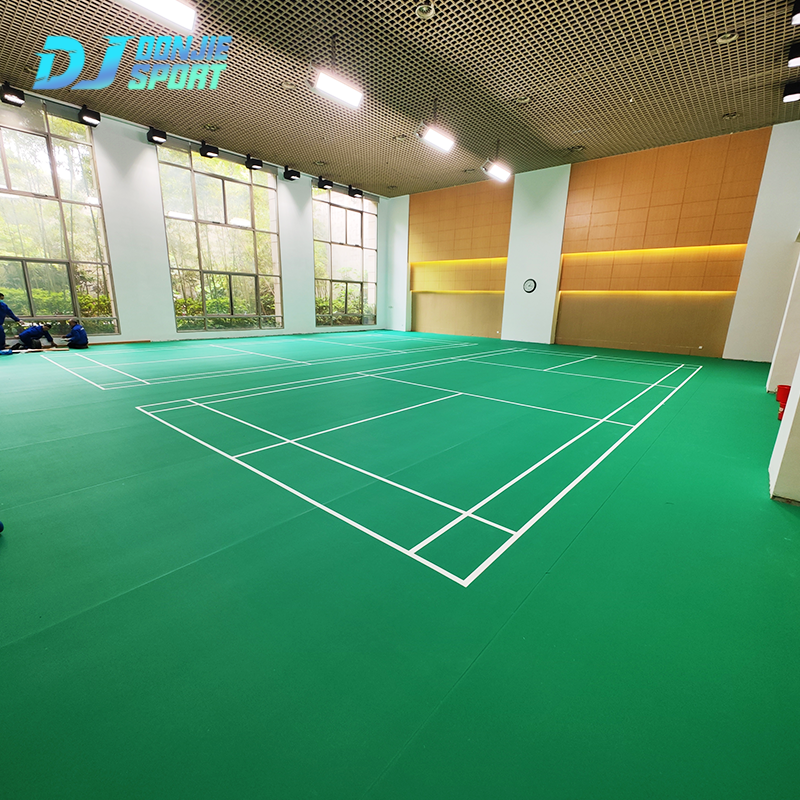
Vinyl flooring has gained popularity in dance studios for its versatility and comfort. Available in various styles and colors, vinyl offers the flexibility to adapt to different dance forms, including hip-hop, jazz, and modern dance. It provides excellent shock absorption, making it a great option for dancers who need a little extra cushion during high-impact movements. Vinyl is also slip-resistant, which helps reduce the risk of injuries.
One of the main benefits of vinyl flooring is its ease of maintenance. It’s resistant to scuffs and scratches, and cleaning is straightforward, requiring only regular sweeping and occasional mopping. While it’s less expensive than wood, it doesn’t sacrifice performance, making it a popular choice for both professional and amateur dance studios.
Marley Flooring: The Standard for Professional Studios
Marley flooring, a type of vinyl flooring commonly used in professional dance studios, is considered the gold standard. Known for its excellent slip resistance and smooth surface, Marley flooring is perfect for dancers who require consistent, high-quality performance surfaces. This type of flooring is typically used for ballet, contemporary, and modern dance, as it allows dancers to move freely while offering the necessary grip to avoid slipping.
Marley flooring is particularly important in studios that host performances or competitions, as it provides a reliable and professional surface. It’s also durable and resistant to wear, making it ideal for high-traffic areas. However, it may need to be replaced or repaired periodically, especially in high-use environments.
Rubber Flooring: Durability Meets Safety
Rubber flooring is an excellent choice for dance studios that prioritize durability and safety. Its shock-absorbing qualities make it perfect for high-impact dance styles like hip-hop and tap. The rubber surface provides ample cushioning to protect joints and reduce the risk of injury from repetitive movements. It is also known for its slip resistance, which is particularly beneficial in studios that host energetic dance styles.
Another advantage of rubber flooring is its long-lasting nature. It can withstand heavy foot traffic and requires minimal maintenance. However, its look may not be as aesthetically pleasing as wood or Marley flooring, which is why it’s often used in backrooms or for specific needs rather than the main performance space.
Key Features to Look for in Dance Studio Flooring
When selecting the best flooring for your dance studio, there are several key features to consider:
-
Durability: The flooring should be able to withstand constant use without losing its functionality or aesthetic appeal. Floors made of materials like wood, vinyl, and rubber are known for their long-lasting durability, but their lifespan depends on the quality of the material and how well they are maintained.
-
Comfort: Comfort is essential for dancers who spend hours rehearsing and performing. Cushioned floors can help absorb the shock of jumps and movements, protecting joints and reducing fatigue. Vinyl and rubber floors are known for their comfort, as they provide extra cushioning compared to harder surfaces like wood.
-
Safety: Safety should be the top priority when selecting flooring for a dance studio. The surface must offer the right amount of grip to prevent slipping while allowing smooth movement. Both vinyl and Marley flooring are designed to minimize slip hazards, while wood flooring can be treated with finishes that enhance grip.
Choosing the Right Flooring for Different Dance Styles
Each type of dance has unique flooring requirements. Understanding these can help you make an informed decision on the best flooring for your studio.
-
Ballet: For ballet, the flooring must allow for smooth, graceful movements while providing enough support for jumps and landings. Wood and Marley flooring are both popular choices. Wood provides a classic look and a solid surface, while Marley flooring offers extra cushioning for long rehearsal sessions and prevents slips during pirouettes.
-
Hip-hop: Hip-hop requires a floor that can handle high-impact movements and sudden direction changes. Vinyl and rubber floors are ideal for these styles due to their durability, shock absorption, and slip resistance. A vinyl floor can provide a smooth, cushioned surface that helps dancers execute their moves comfortably and safely.
-
Tap Dance: Tap dancers need a surface that provides excellent sound quality while remaining durable. Marley flooring is often the best option for tap, as it offers both slip resistance and a smooth surface that allows the distinct tapping sound to resonate clearly. A rubber floor would not be ideal, as it may dampen the sound.
Installation Considerations
Proper installation is crucial to ensuring your dance studio flooring performs at its best. Professional installation is recommended for floors like wood or Marley, as these materials require precise measurements and alignment. For DIYers, vinyl and rubber floors are easier to install and can be done with minimal tools.
When preparing your studio space for new flooring, ensure the subfloor is level and clean to avoid unevenness or damage to the flooring material. Consider consulting a flooring expert to assess your space and make recommendations based on your needs and budget.

Maintenance and Care for Dance Studio Flooring
To extend the lifespan of your dance studio flooring, it’s essential to perform regular maintenance. For wood floors, regular sweeping and occasional refinishing may be necessary. Vinyl and Marley floors only require light cleaning with a mop and vinyl-safe cleaner. Rubber floors should be swept and wiped down regularly to prevent dirt buildup, and stains should be cleaned promptly to maintain their appearance.
Maintaining your floors not only improves their longevity but also helps maintain a safe and clean environment for dancers.
Making the Best Choice for Your Dance Studio
Choosing the right flooring for your dance studio is a crucial decision that impacts your dancers’ performance, comfort, and safety. By understanding the different types of flooring materials and their benefits, you can make an informed decision that meets the specific needs of your studio and dancers. Whether you opt for wood, vinyl, Marley, or rubber flooring, make sure to prioritize durability, comfort, and safety to create the perfect dance environment.