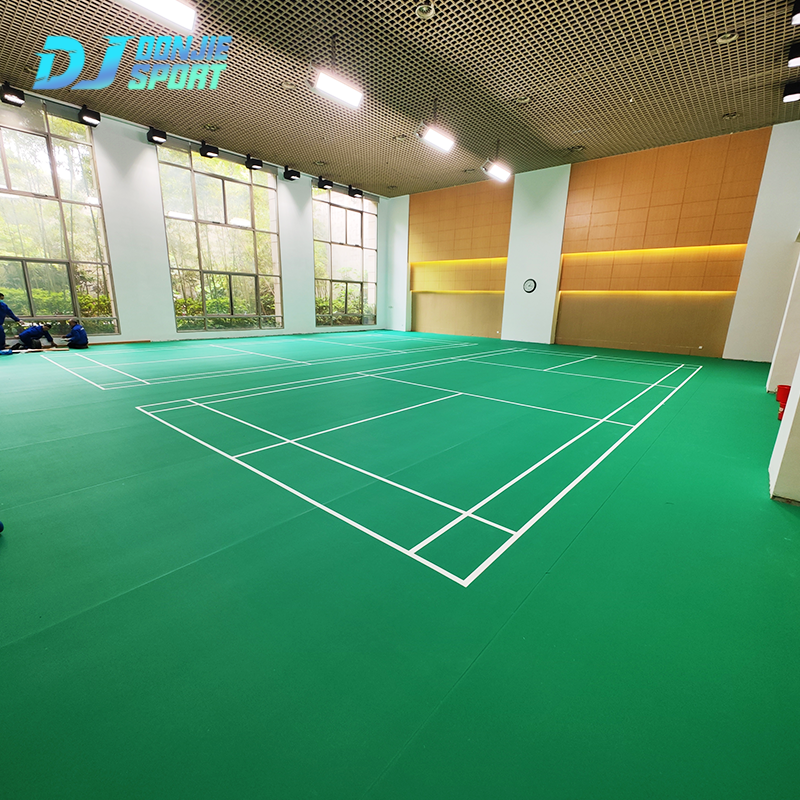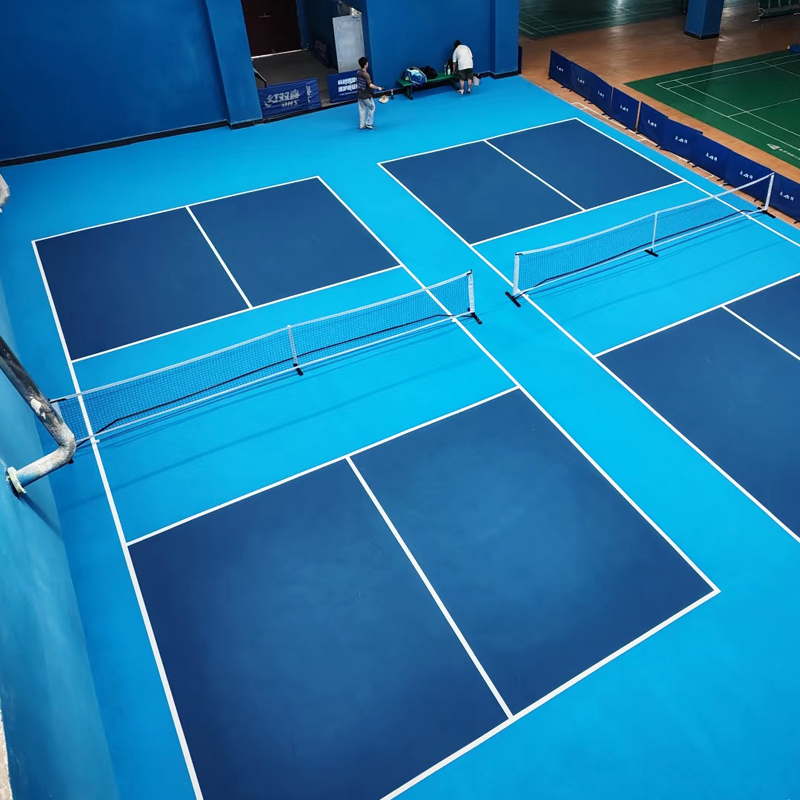
When it comes to building or upgrading an indoor pickleball court, one of the most important decisions you’ll make is choosing the right flooring. The flooring you select will directly affect your players’ performance, safety, and overall experience. In this article, we will compare three of the most popular flooring options for indoor pickleball courts: Rubber Flooring, PVC Flooring, and Interlocking Tiles. Each type of flooring offers distinct advantages, and understanding these differences is crucial for selecting the best option for your court.
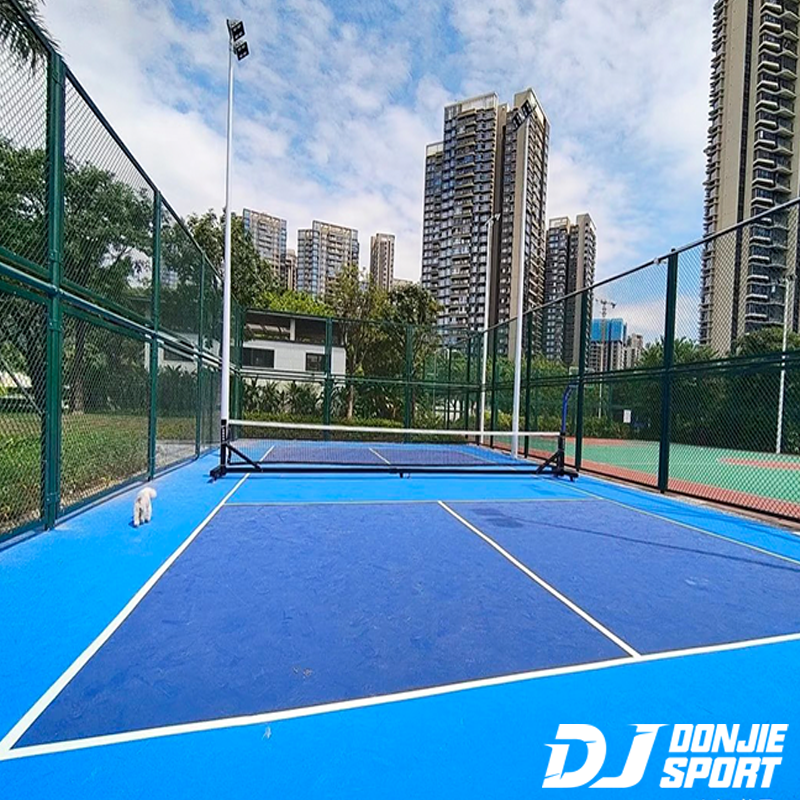
Rubber Flooring for Pickleball Courts
Rubber flooring has long been a favorite in various sports facilities, and indoor pickleball courts are no exception. The key benefits of rubber flooring lie in its durability and its ability to provide excellent shock absorption. These qualities make it ideal for indoor pickleball, where players often make quick, high-impact movements.
-
Benefits for Pickleball Players: Rubber floors offer excellent traction, which helps reduce the risk of slips and injuries. The natural elasticity of rubber also ensures that players have a comfortable surface to move on, enhancing their game performance.
-
Durability: Rubber is incredibly durable and can withstand the constant wear and tear that comes with active sports. It can handle heavy foot traffic and the intense movement that pickleball requires.
-
Maintenance: While rubber flooring is durable, it does require some regular maintenance to keep it in optimal condition. Simple cleaning with a damp mop and occasional refinishing can help extend its lifespan.
-
Popular Choice for Indoor Courts: Many pickleball clubs and recreational centers opt for rubber flooring because of its long-lasting qualities and superior comfort for players.
PVC Flooring for Pickleball Courts
PVC flooring is another excellent option for indoor pickleball courts, offering a unique combination of comfort, performance, and durability. Unlike rubber, PVC flooring often provides a smoother, more uniform surface, making it ideal for the fast-paced nature of pickleball.
-
Comfort and Performance: PVC flooring is engineered to provide excellent shock absorption, which helps reduce stress on players’ joints during long games. The surface provides consistent bounce for the ball, ensuring a reliable playing experience.
-
Installation and Customization: One of the biggest advantages of PVC flooring is its versatility. It comes in various colors and patterns, so you can customize the look of your court to match your branding or aesthetic preferences. It’s also easy to install, and many options are designed for DIY setups.
-
Durability and Safety: PVC floors are highly resistant to wear, making them a great choice for pickleball courts where heavy foot traffic is expected. Additionally, the smooth surface ensures that there are no irregularities that could pose safety hazards.
Interlocking Tiles for Pickleball Courts
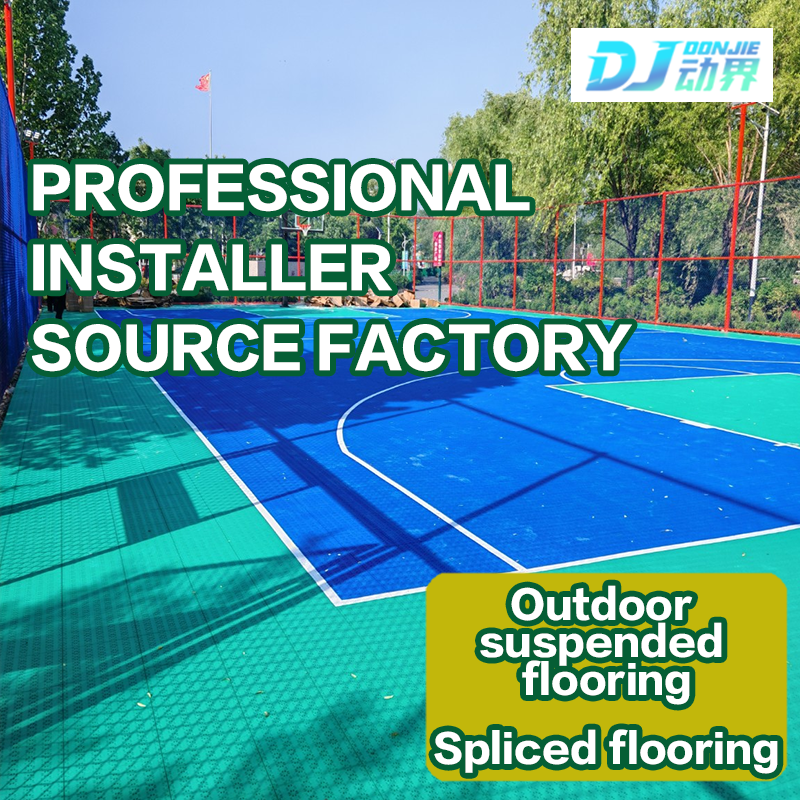
Interlocking tiles are a popular option for both temporary and permanent pickleball courts. These tiles are designed for easy installation and removal, making them a great choice for venues that need to repurpose their spaces or for those looking for a cost-effective flooring solution.
-
Easy Installation: Interlocking tiles are incredibly simple to install and can be done by anyone, making them a convenient choice for DIY enthusiasts. The tiles snap together easily and don’t require glue or nails, making them perfect for quick setups and tear-downs.
-
Performance and Comfort: While interlocking tiles may not offer the same level of cushioning as rubber or PVC flooring, many modern interlocking tile options are designed to provide adequate comfort and support for pickleball. The modular nature of these tiles also allows for customization in court layout.
-
Cost-Effectiveness: Interlocking tiles tend to be more affordable than other flooring options, which makes them an attractive option for facilities with budget constraints. Additionally, they are easy to maintain, requiring little more than regular sweeping and occasional spot cleaning.
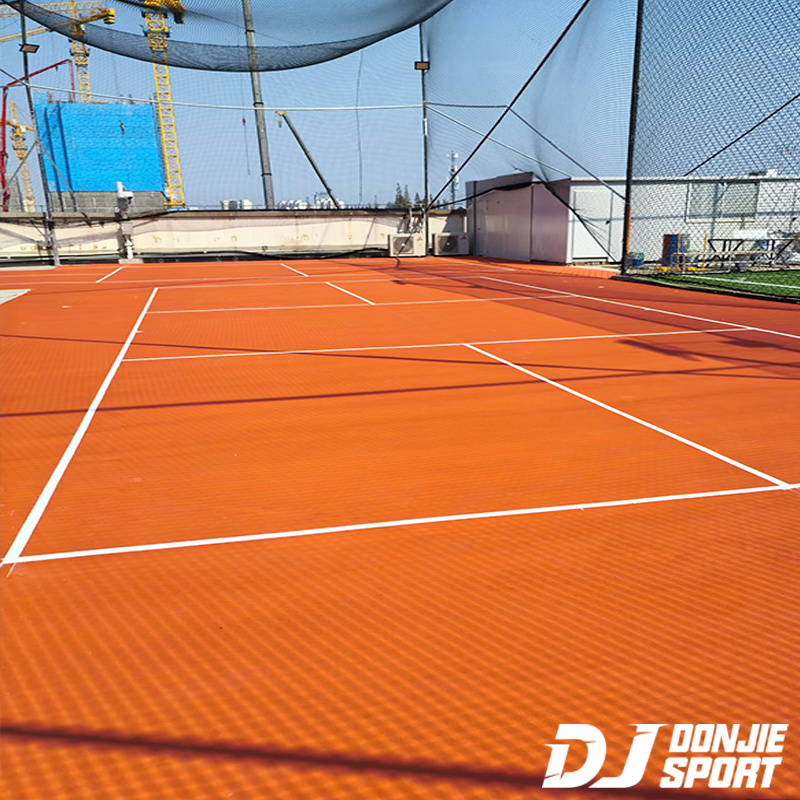
Comparing Rubber, PVC, and Interlocking Tiles
Each of the three flooring options—rubber, PVC, and interlocking tiles—offers unique advantages depending on the specific needs of your indoor pickleball court. Below is a side-by-side comparison to help you make the best decision:
-
Cost: Interlocking tiles are typically the most affordable option, followed by rubber flooring, with PVC flooring usually being the most expensive.
-
Durability: Rubber and PVC flooring both offer excellent durability, but rubber may require more maintenance to keep it looking good. Interlocking tiles, while durable, may show wear more quickly in high-traffic areas.
-
Maintenance: PVC and rubber flooring are relatively easy to maintain with routine cleaning. Interlocking tiles require little maintenance beyond occasional cleaning, but the seams may collect dirt over time.
-
Performance: PVC and rubber flooring provide superior performance in terms of shock absorption and comfort. Interlocking tiles are more suitable for lower-traffic courts and may not offer the same level of playability.
Conclusion
Choosing the right flooring for your indoor pickleball court depends on your priorities, budget, and specific needs. If you’re looking for a durable, high-performance surface, both rubber and PVC flooring are excellent options, with rubber providing a more traditional, cushioned feel and PVC offering more customization and performance features. Interlocking tiles are perfect for facilities that need a flexible, cost-effective solution.