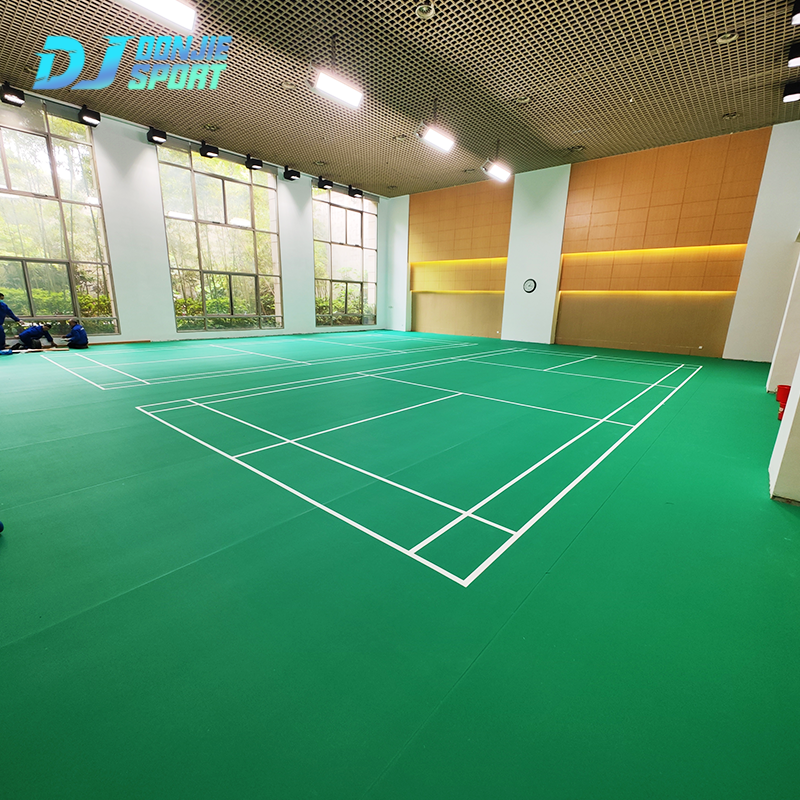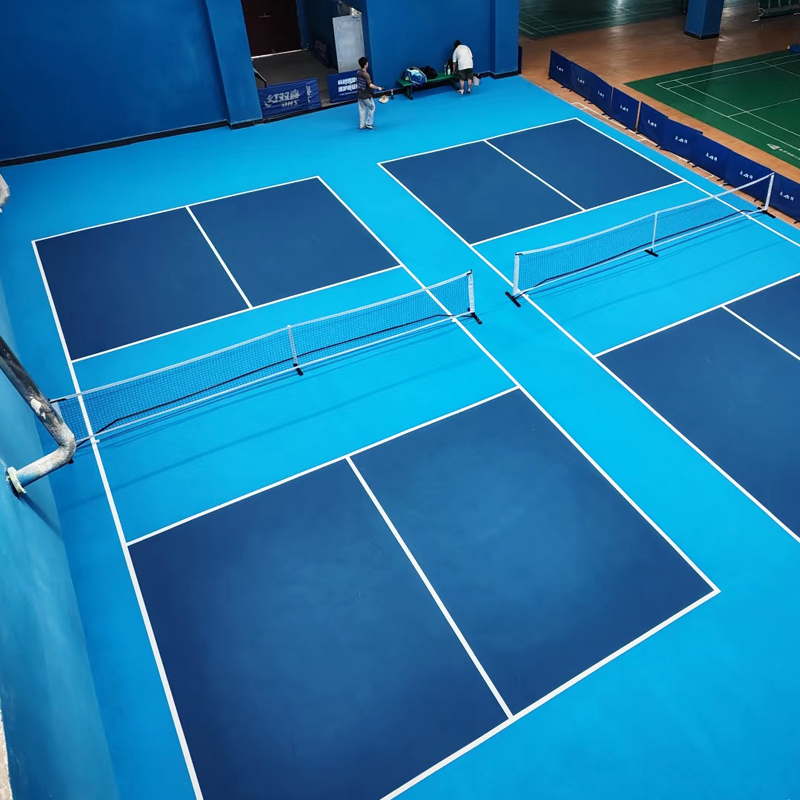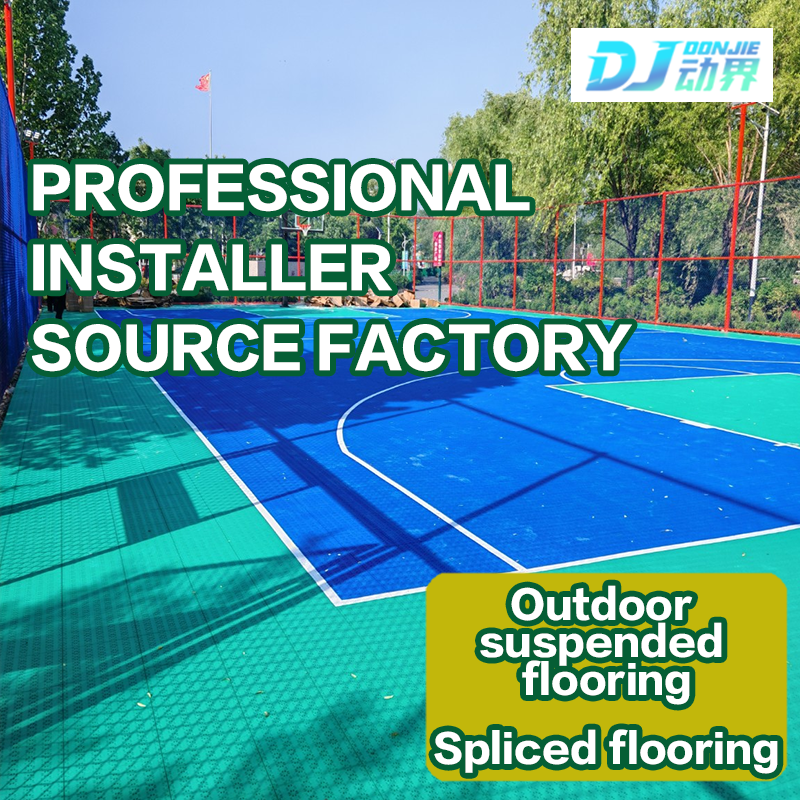
Choosing the right flooring for indoor pickleball courts is a critical decision for any facility. The flooring not only impacts the aesthetic appeal but also affects player performance, safety, and court durability. As pickleball continues to grow in popularity, more facilities are offering indoor courts, which means selecting the right flooring material becomes crucial. Among the most popular options are rubber, PVC, and interlocking tiles. In this article, we will compare these three types of flooring, looking at their advantages, disadvantages, and best applications.
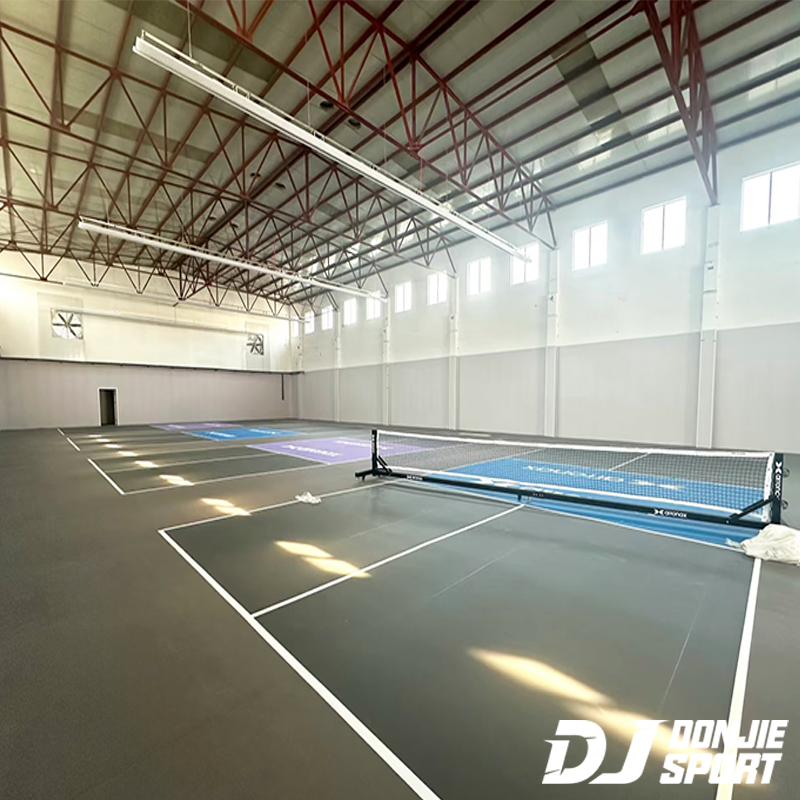
Why Flooring Matters for Indoor Pickleball
Flooring is not just about appearance—it plays a fundamental role in enhancing the playing experience. Indoor pickleball courts need a surface that supports quick lateral movements, provides a consistent ball bounce, and minimizes the risk of injuries. The ideal flooring should offer good shock absorption, excellent traction, and durability to withstand high levels of play. Without the right flooring, players could face discomfort, inconsistent ball bounces, and increased injury risks.
Rubber Flooring for Indoor Pickleball
Advantages:
-
Shock Absorption: Rubber flooring provides excellent cushioning, which reduces the impact on joints. This is particularly important for players who are concerned about knee or ankle injuries during long matches.
-
Durability: Rubber is known for its robustness and ability to withstand heavy use. It can last for many years with minimal wear and tear.
-
Non-Slip Surface: Rubber floors provide superior grip, reducing the risk of slipping during fast-paced games.
-
Low Maintenance: Rubber flooring is relatively easy to maintain. A quick sweep and occasional cleaning are usually sufficient to keep it in good condition.
Disadvantages:
-
Cost: Rubber flooring tends to be more expensive than other options. The initial investment can be quite high.
-
Ball Bounce: While rubber offers comfort, it can sometimes affect the ball’s bounce, making it lower than expected, which may not suit all players.
-
Odor: Rubber floors can trap odors if not properly cleaned, especially in high-humidity environments.
Best For:
-
Facilities that prioritize player comfort and injury prevention, such as gyms or recreational centers.
-
High-traffic courts that require durability and resilience.
PVC Flooring for Indoor Pickleball
Advantages:
-
Durability: PVC flooring is highly durable and resistant to wear. It can handle the impact of high-intensity games and maintain its appearance over time.
-
Consistent Ball Bounce: PVC provides a more consistent ball bounce than rubber, making it ideal for those who prioritize gameplay performance.
-
Aesthetics: PVC comes in a wide range of colors and patterns, allowing facilities to match their flooring to the overall design of the space.
-
Easy to Clean: PVC is low maintenance and can be easily wiped clean, ensuring that the court remains in top condition.
Disadvantages:
-
Cost: While PVC is generally more affordable than rubber, it is still more expensive than interlocking tiles.
-
Slippery When Wet: Some PVC flooring types may become slippery when wet, especially in humid conditions or after cleaning.
-
Installation: PVC flooring often requires professional installation, adding to the overall cost.
Best For:
-
Facilities looking for a balance between aesthetics and performance.
-
Locations that want a durable, consistent playing surface.
Interlocking Tiles for Indoor Pickleball
Advantages:
-
Easy Installation: Interlocking tiles are incredibly easy to install, often requiring no professional help. This DIY-friendly feature saves both time and money.
-
Modular Design: Interlocking tiles can be replaced individually if damaged, which makes maintenance more convenient and cost-effective.
-
Non-Slip Surface: These tiles are designed with textured surfaces that provide a stable, slip-resistant playing area.
-
Affordable: Interlocking tiles tend to be the most cost-effective flooring option for indoor pickleball courts.
Disadvantages:
-
Limited Shock Absorption: Interlocking tiles do not offer the same level of cushioning as rubber flooring, which may lead to more strain on players’ joints.
-
Durability Concerns: While suitable for moderate use, interlocking tiles may not hold up as well in high-traffic areas or under intense gameplay.
-
Potential for Loosening: Over time, some interlocking tiles can shift or loosen, leading to an uneven playing surface.
Best For:
-
Budget-conscious facilities or venues that need flexibility in their flooring choices.
-
Courts where quick installation or easy replacement is a priority.
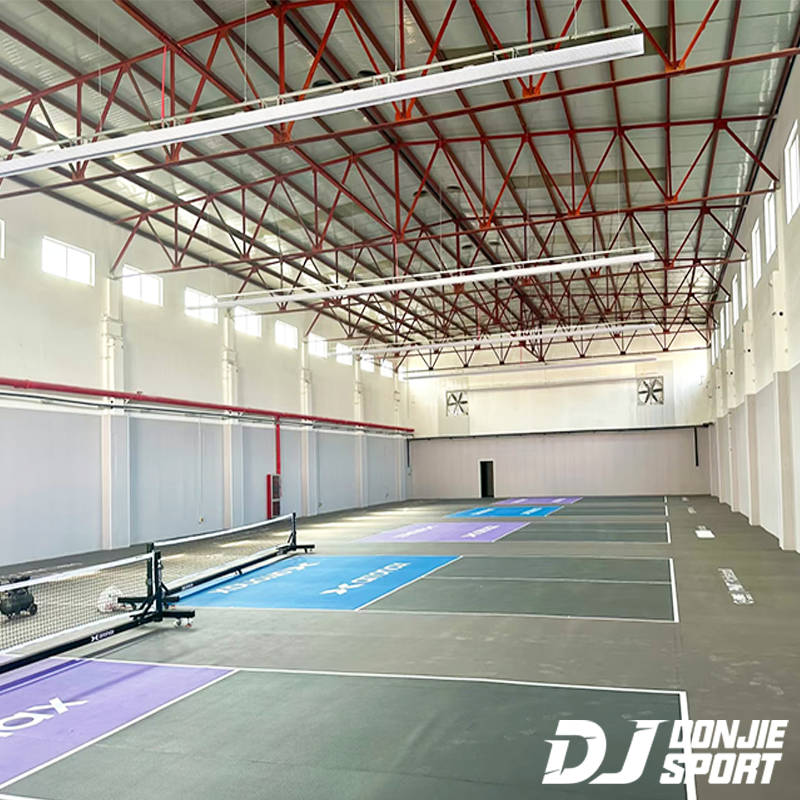
Comparison of the Three Flooring Options
When comparing rubber, PVC, and interlocking tiles for indoor pickleball, the key factors to consider are performance, durability, ease of installation, maintenance, and cost.
-
Performance: If consistent ball bounce and traction are paramount, PVC flooring is the best choice. Rubber offers more cushioning but may affect ball bounce, while interlocking tiles provide good grip but can lack shock absorption.
-
Durability: Rubber flooring lasts the longest, followed closely by PVC. Interlocking tiles may wear out more quickly, especially in high-traffic areas.
-
Installation & Maintenance: Interlocking tiles are the easiest to install and maintain, followed by PVC. Rubber flooring, while durable, requires more maintenance to keep it in top shape.
-
Cost: Interlocking tiles are the most affordable option, with rubber flooring being the most expensive, followed by PVC flooring.
Conclusion
Selecting the best flooring for your indoor pickleball court ultimately depends on your priorities. If player comfort and long-term durability are your top concerns, rubber flooring is an excellent choice. For a balance of performance and aesthetics, PVC flooring provides consistent bounce and a sleek look. If you’re looking for an easy-to-install, cost-effective option, interlocking tiles are the way to go. No matter which option you choose, ensuring the flooring meets your facility’s needs will enhance the players’ experience and keep your court in excellent condition for years to come.