Choosing the right flooring for your pickleball court is more than just about aesthetics—it directly affects player safety, performance, and the longevity of the court itself. Whether you’re designing a court for a commercial facility, a recreational space, or a professional sports venue, the flooring material plays a crucial role in creating a safe and enjoyable environment. With pickleball’s rapid growth in popularity, it’s essential to select a flooring solution that provides the necessary durability, traction, and comfort, ensuring both casual players and professionals have the best experience possible. In this guide, we’ll explore the most popular Pickleball Court Flooring Options, helping you make an informed decision for your facility.
Key Considerations When Choosing Pickleball Court Flooring Options
When selecting the right flooring for your pickleball court, there are several important factors to keep in mind. These considerations will ensure that the court meets safety standards, provides optimal performance, and is long-lasting.
Safety Factors: Slip Resistance and Cushioning
One of the top priorities when selecting flooring is safety. Pickleball involves quick lateral movements, fast reflexes, and sudden stops, which can lead to injury if the floor is too slippery or hard. Flooring materials with good slip resistance help prevent accidents, while cushioning can absorb the impact of falls, reducing the risk of injury. The right balance of grip and cushion is essential for providing a safe playing surface that supports quick movements without compromising player comfort.
Durability and Wear Resistance
Pickleball courts are subject to frequent use, making durability a critical factor in your flooring decision. The flooring material must withstand the repeated impacts of racquet hits, foot traffic, and ball rebounds. For outdoor courts, exposure to UV rays, rain, and temperature fluctuations further test the material’s resilience. Whether you’re looking for indoor or outdoor flooring, the material should offer exceptional wear resistance to ensure the court maintains its integrity over time.
Cost-Effectiveness and Maintenance
Cost is an important consideration, as flooring materials vary significantly in price. Some options, such as rubber or PVC, may require a higher initial investment but offer lower long-term maintenance costs due to their durability. On the other hand, wooden floors or acrylic surfaces might need more frequent upkeep and refinishing, which can add to overall costs. It’s essential to weigh the upfront costs against long-term maintenance and durability before making a final decision.
Aesthetic Considerations and Design
While functionality is key, the visual appeal of the court should not be overlooked. The flooring should complement the overall design of the venue, whether it’s a private facility, a community center, or a professional stadium. Some materials, such as wood and acrylic, offer a more traditional or polished look, while others like PVC or rubber provide vibrant color options for branding or team identification.
Popular Flooring Materials for Pickleball Courts
There are several flooring options that are well-suited for pickleball courts. Let’s explore the top choices:
Rubber Flooring
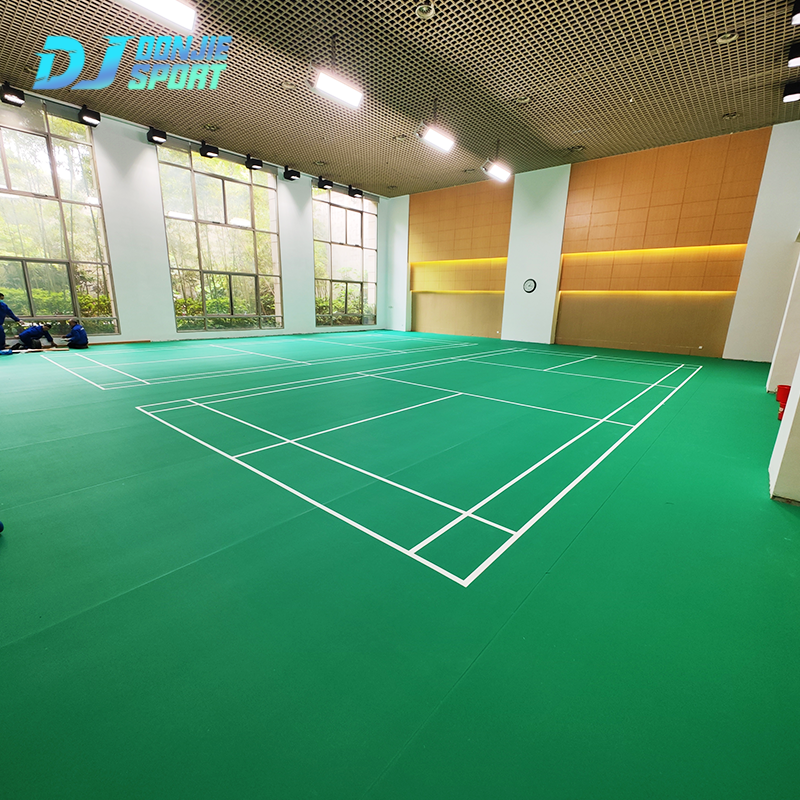
Rubber flooring is known for its excellent shock absorption properties, making it ideal for minimizing impact injuries. It provides a soft, cushioned surface that enhances player comfort during long matches. This type of flooring also offers superior traction, reducing the risk of slipping. However, rubber flooring is typically better suited for indoor courts due to its susceptibility to UV damage in outdoor environments.
PVC Flooring
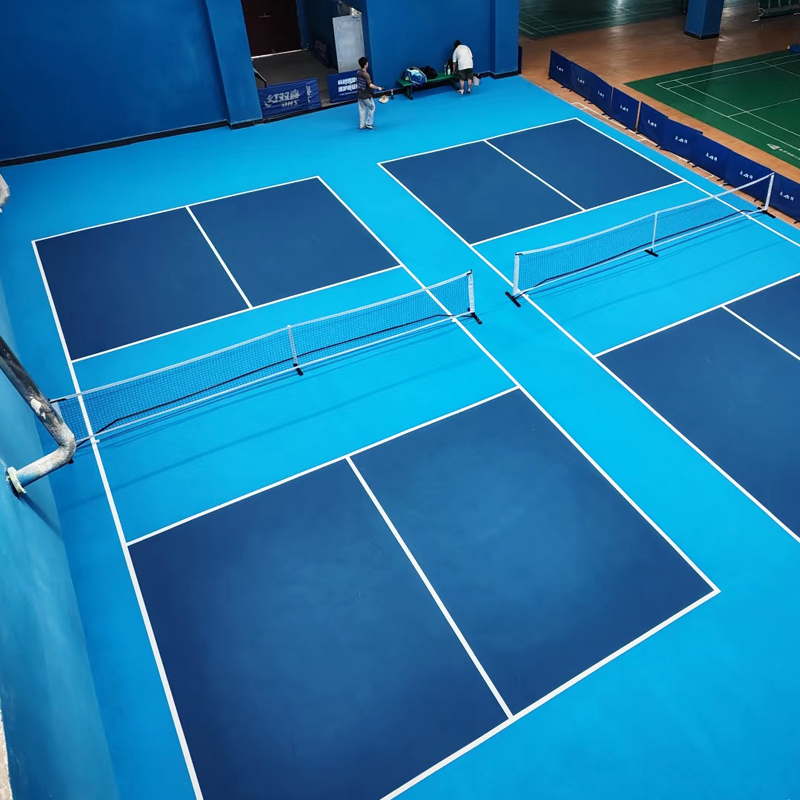
PVC flooring is highly durable and resistant to the elements, making it an excellent choice for outdoor pickleball courts. This material is waterproof, weather-resistant, and easy to clean, which makes it ideal for high-traffic areas. PVC surfaces can withstand extreme weather conditions, providing long-lasting performance. Though it may not offer the same level of cushioning as rubber, it still provides a relatively smooth playing surface with decent grip.
Wooden Flooring
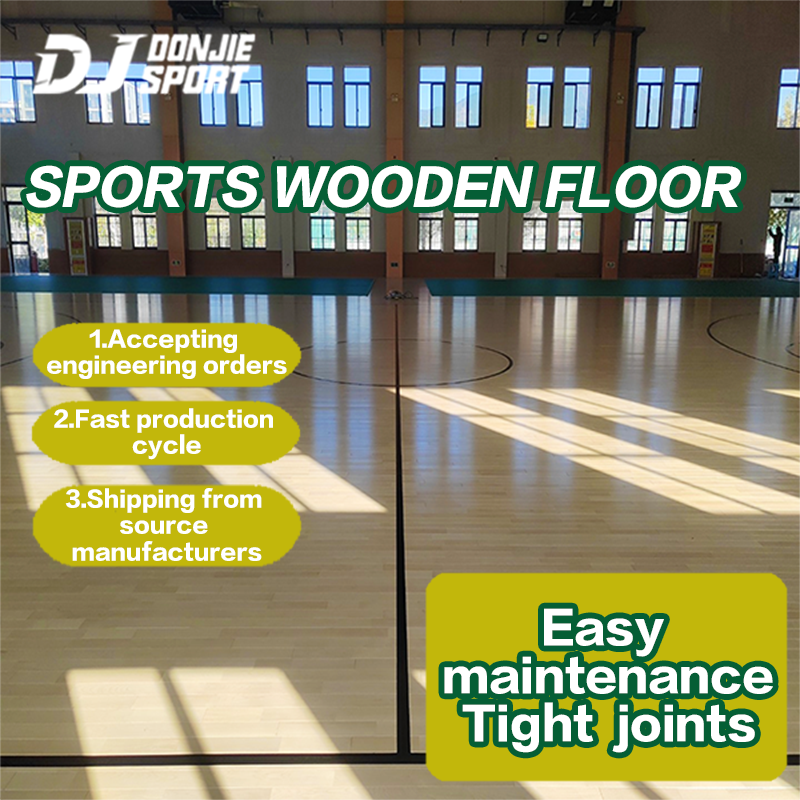
Wooden flooring gives a classic and polished appearance, often found in indoor pickleball courts. It offers a smooth surface that’s ideal for fast-paced games and provides great ball bounce consistency. However, wooden courts require regular maintenance and refinishing to maintain their appearance and functionality. Wooden surfaces are less durable in outdoor settings due to moisture exposure, making them better suited for indoor environments.
Acrylic Surfaces
Acrylic surfaces are commonly used in outdoor pickleball courts due to their durability and resistance to various weather conditions. They are quick-drying, allowing the court to be used shortly after rain, and provide a consistent, low-maintenance playing surface. While acrylic is durable, it tends to be harder underfoot compared to rubber or PVC, which may increase the risk of joint strain after prolonged play.
Tile Flooring
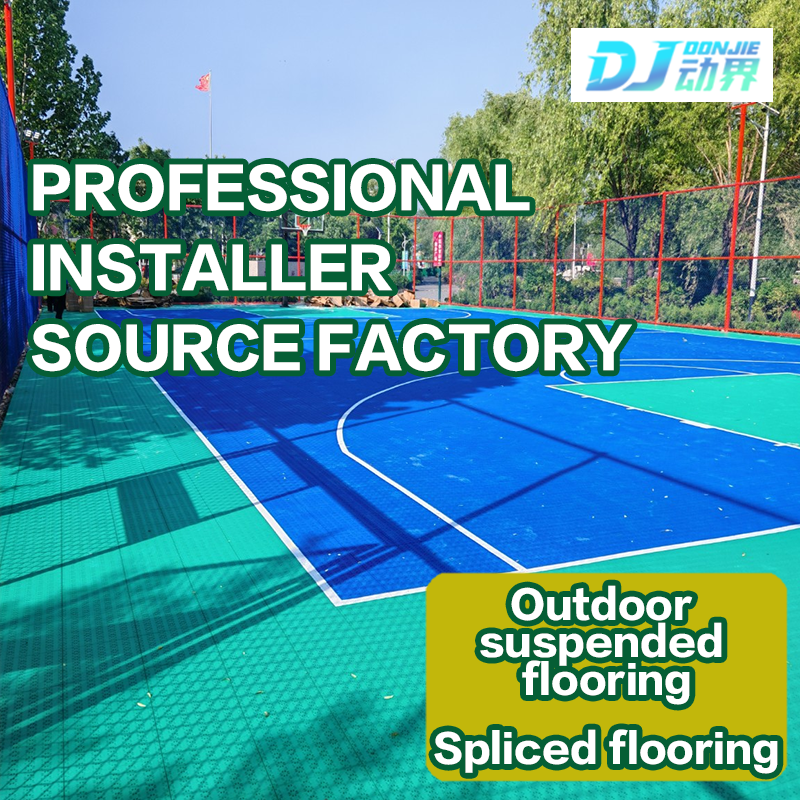
Tile flooring is a versatile and easy-to-install option for both indoor and outdoor courts. The interlocking tiles allow for easy installation and maintenance, making it a popular choice for facilities looking for a flexible and cost-effective flooring solution. Tile floors come in various materials, including rubber and PVC, and provide a durable and aesthetically pleasing surface. However, proper installation is key to ensuring that the tiles stay securely in place and maintain consistent performance over time.
Comparing the Pros and Cons of Pickleball Court Flooring Options
Let’s break down the advantages and disadvantages of each flooring type:
-
Rubber Flooring
Pros: Excellent cushioning, shock absorption, low maintenance, slip resistance
Cons: Limited use outdoors, higher initial cost -
PVC Flooring
Pros: Durable, weather-resistant, low-maintenance, affordable
Cons: Less cushioning, can be hard on joints -
Wooden Flooring
Pros: Smooth, classic look, great ball bounce consistency
Cons: Requires frequent maintenance, less durable outdoors -
Acrylic Surfaces
Pros: Durable, fast-drying, excellent for outdoor courts
Cons: Hard underfoot, less shock absorption -
Tile Flooring
Pros: Easy to install, versatile, customizable, low maintenance
Cons: Requires professional installation, tiles may shift over time
How to Maintain Your Pickleball Court Flooring
Maintaining your pickleball court flooring is essential to ensure its longevity and performance. Here are a few maintenance tips:
-
Regular Cleaning: Sweep the court regularly to remove debris. For outdoor courts, pressure wash to eliminate dirt buildup and stains.
-
Repair Damages: Inspect the surface periodically for any cracks or wear. Quick repairs will prevent further damage and extend the life of the court.
-
Protect from Weather: For outdoor courts, consider applying a weatherproof sealant to protect against UV damage and moisture. Store removable tiles or mats indoors during the off-season if possible.
Choosing the Best Flooring for Your Facility
When choosing the best flooring for your pickleball court, consider the location of the court (indoor vs. outdoor), the type of play (recreational vs. competitive), and your budget. If you’re designing an outdoor court, PVC flooring or acrylic surfaces are great choices for their durability and resistance to the elements. For indoor facilities, rubber flooring or wooden surfaces offer superior comfort and performance. Ultimately, balancing safety, durability, and cost will guide you toward the best decision for your facility.
Making the Right Choice for Safety and Performance
Choosing the right flooring for your pickleball court is a decision that affects both player safety and court durability. Whether you opt for PVC flooring, rubber mats, or a traditional wooden surface, each material offers distinct advantages based on your court’s location, use, and budget. Prioritizing safety, maintenance, and long-term durability will ensure that your court remains a high-performance venue for players of all levels.