When setting up a pickleball court, one of the most important decisions you’ll make is choosing the right flooring. Whether you’re building a recreational space or a professional facility, the flooring material will significantly impact the game’s quality, player safety, and maintenance requirements. With several flooring options available—each with its own set of benefits—it’s essential to understand the characteristics of each and how they affect your court’s performance.
This guide will take you through the best flooring materials for pickleball courts, comparing PVC, rubber, acrylic, wood, and interlocking tiles. You’ll discover which option suits your needs, whether you’re considering a new build or upgrading your current court.
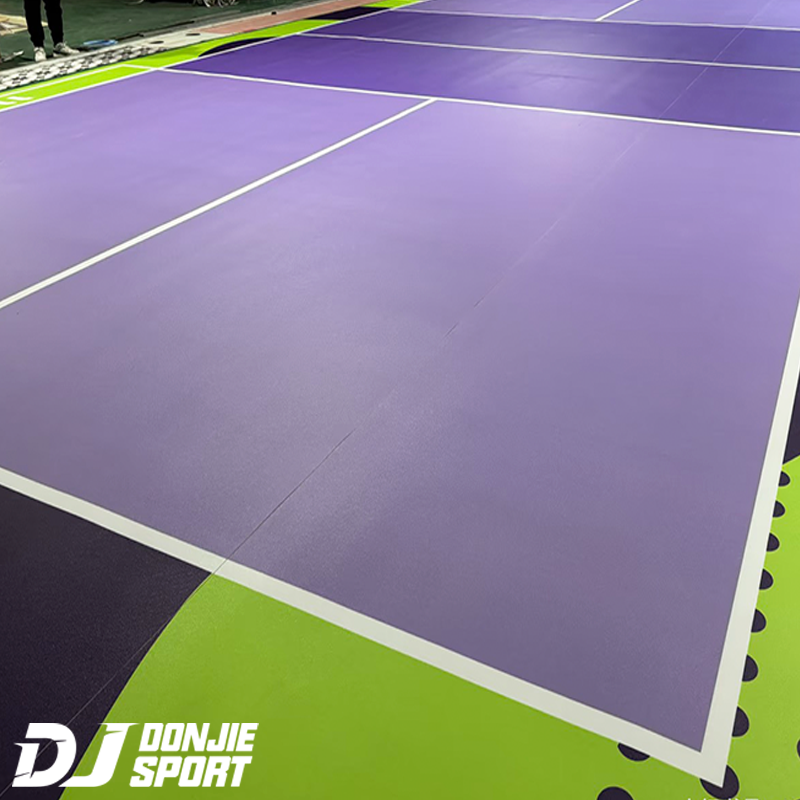
Overview of Pickleball Court Flooring Options
When selecting the best flooring for your pickleball court, several materials stand out for their durability, performance, and aesthetic appeal. Here, we’ll explore each flooring type’s advantages, including PVC, rubber, acrylic, wood, and interlocking tiles. Understanding these options will help you make an informed decision based on the court’s intended use, whether it’s for recreational play or professional competitions.
PVC Flooring: A Durable, Affordable Solution
Why PVC Flooring is Ideal for Pickleball Courts
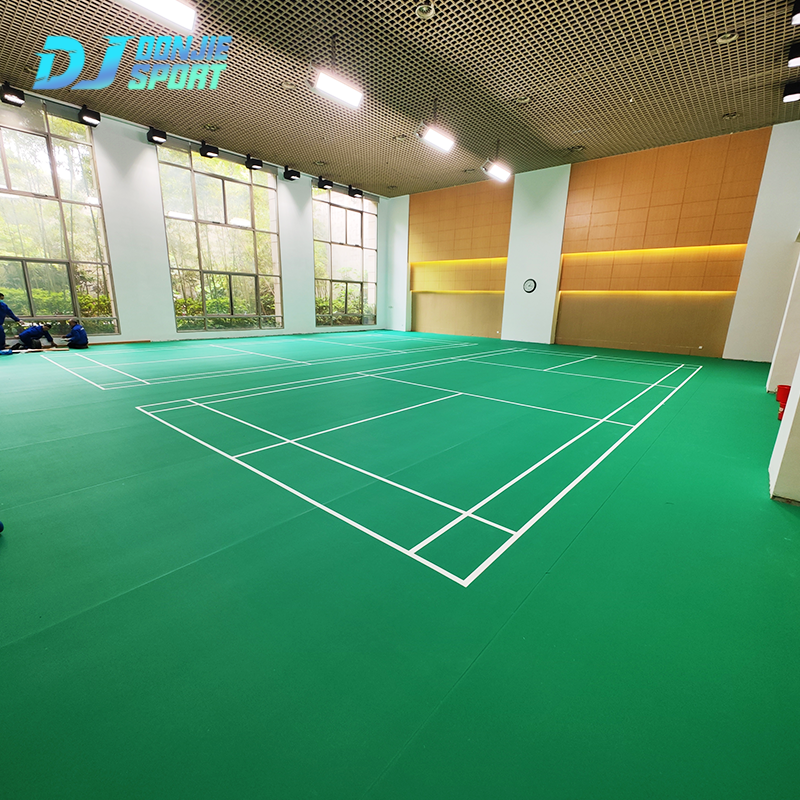
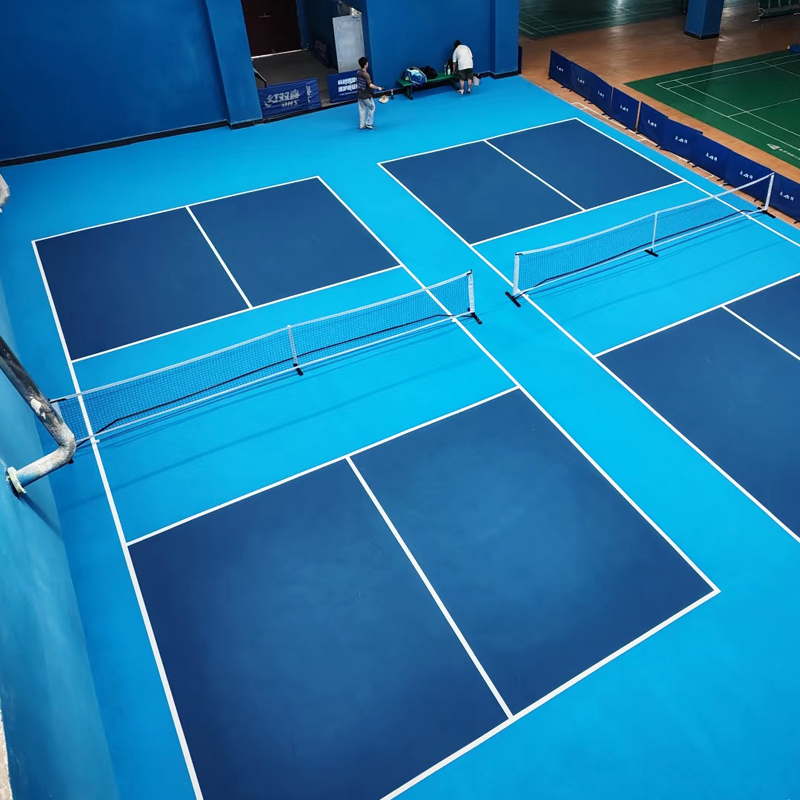
PVC flooring has quickly gained popularity in the world of sports courts due to its affordable price and robust performance. It’s a versatile option that works well for both indoor and outdoor pickleball courts. The material offers excellent durability, withstands heavy foot traffic, and is resistant to wear and tear. Whether you’re looking for long-term performance or low maintenance, PVC is a solid option.
Durability and Performance of PVC
One of PVC’s most significant advantages is its exceptional durability. It can handle the fast-paced nature of pickleball without showing signs of significant damage, even after prolonged use. The surface of PVC flooring also provides the ideal amount of traction, helping players move with ease while reducing the risk of slipping.
Maintenance and Longevity
PVC flooring requires minimal upkeep, making it ideal for pickleball courts that experience a lot of use. It’s easy to clean, and its long lifespan ensures that it won’t need frequent replacement. Regular sweeping and occasional mopping are usually enough to keep the surface in top condition.
Rubber Flooring: Comfort and Safety for Players
Benefits of Rubber Flooring for Pickleball
Rubber flooring offers a high level of comfort, making it a popular choice for indoor pickleball courts. It’s known for its shock absorption qualities, which help reduce the impact on players’ joints during intense games. This makes rubber flooring an excellent option for those who want to prioritize player comfort and safety.
Impact Absorption and Player Protection
Rubber is a highly cushioned material that absorbs shock, which can significantly lower the risk of injury. It provides a softer landing surface for players, particularly when they dive or make quick, abrupt movements. This added protection can be particularly beneficial in youth or senior leagues, where player safety is a top concern.
Installation and Maintenance
Installing rubber flooring is relatively straightforward, and its slip-resistant surface ensures safety during gameplay. Maintenance is also easy; simply clean with a damp mop to maintain its high-quality appearance.
Acrylic Flooring: A Professional Touch for Outdoor Courts
Why Choose Acrylic for Outdoor Pickleball Courts
Acrylic flooring is a high-performance surface widely used for outdoor pickleball courts, especially in professional settings. It’s designed to withstand harsh weather conditions while offering a consistent, smooth playing surface. The material’s resilience and non-slip qualities make it ideal for outdoor pickleball games.
Smooth Surface and Ball Bounce
Acrylic surfaces are known for their smooth texture and even bounce, which is crucial for the accuracy of gameplay. Players will appreciate the consistent ball response, allowing for a more predictable and enjoyable experience. Additionally, acrylic coatings can be customized to provide various color options, allowing for a personalized court design.
Weather Resistance and Durability
Acrylic is highly resistant to UV rays, rain, and extreme temperatures, making it a suitable choice for courts exposed to the elements. It is designed to withstand wear and maintain its performance over time, even under intense sun exposure or heavy rain.
Wooden Flooring: Classic and Comfortable
Advantages of Wooden Floors for Indoor Courts
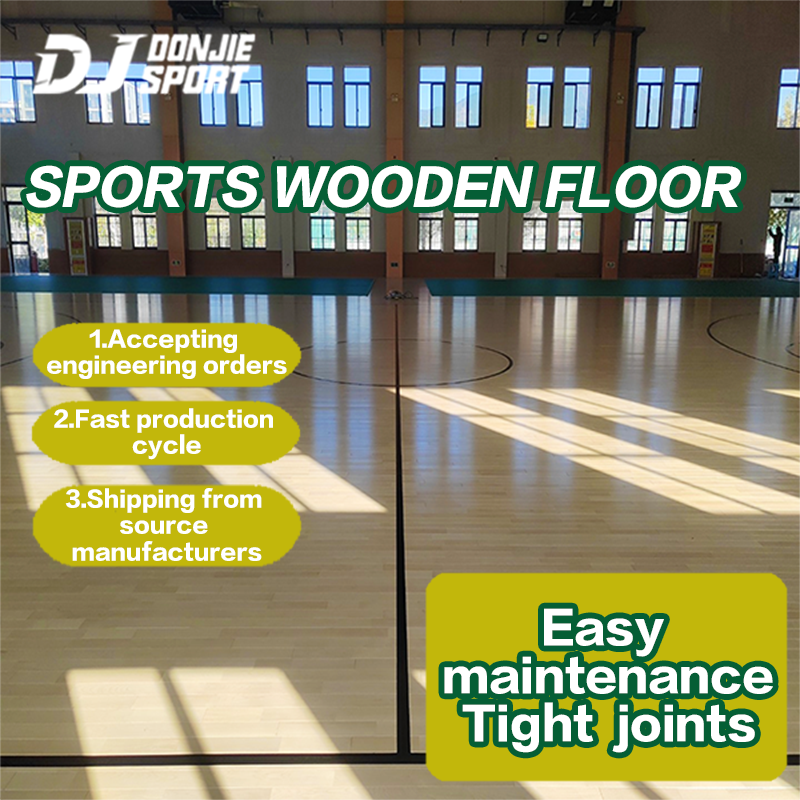
Wooden flooring is a classic choice for indoor pickleball courts, offering a balance of aesthetics and functionality. It’s prized for its smooth surface and comfortable feel, making it an excellent option for recreational players who prefer a softer court surface.
Aesthetic Appeal and Comfort
The warm, natural look of wood provides a timeless and sophisticated appearance. Wooden floors also offer a level of comfort, as the material provides a soft bounce and excellent grip for players. Whether your court is in a community center or a private facility, wooden floors can create a welcoming atmosphere.
Challenges and Maintenance Requirements
While wooden floors offer great comfort, they are more prone to scratches and dents compared to other materials. They also require more maintenance to preserve their appearance and ensure the playing surface remains smooth and level.
Interlocking Tiles: The Versatile Option
Benefits of Interlocking Floor Tiles for Pickleball Courts
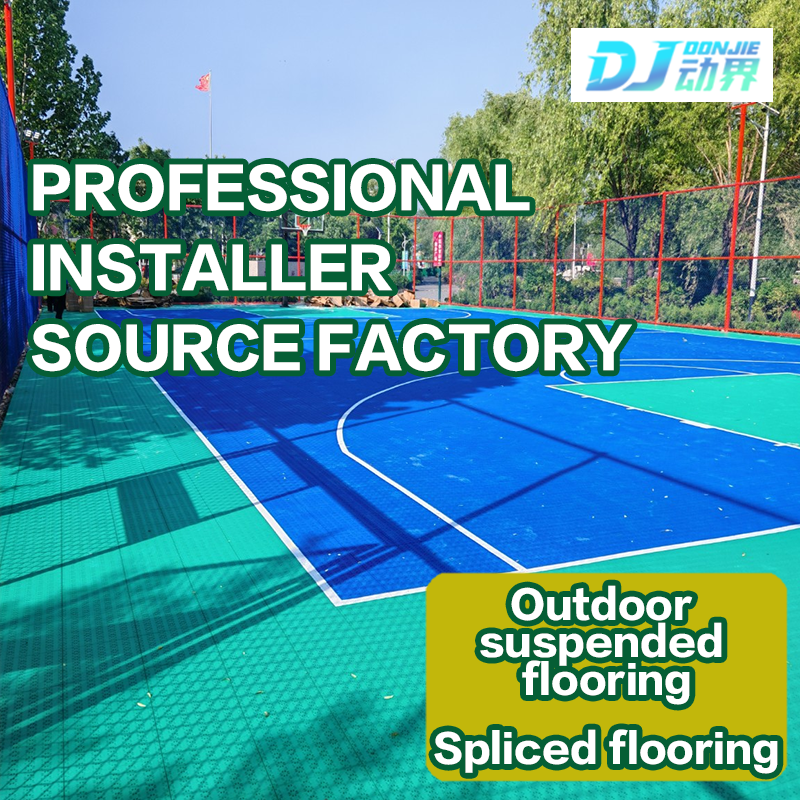
Interlocking tiles offer a unique combination of flexibility and durability, making them a great choice for both indoor and outdoor pickleball courts. They are designed to snap together quickly, making installation a breeze. Their modular nature also allows for easy customization, so you can adjust the court’s layout or expand it if needed.
Easy Installation and Customization
Installing interlocking tiles is straightforward, with no adhesive required. The tiles simply interlock, creating a seamless and stable surface. This easy setup makes them perfect for facilities that need to quickly set up or dismantle courts. They also allow for easy replacement if individual tiles become damaged.
Durability and Performance
Interlocking tiles are designed to handle heavy foot traffic and intense gameplay. The material is built to be tough, ensuring long-lasting performance without sacrificing comfort or safety.

Comparison of Flooring Options for Pickleball Courts
Which Flooring Is Best for Your Court Type
When selecting the right flooring, it’s important to consider the type of pickleball court you’re building. For indoor courts, rubber and wood flooring are excellent choices for comfort and aesthetics. Outdoor courts, on the other hand, benefit from acrylic or PVC flooring due to their weather resistance and durability.
Cost, Maintenance, and Installation Considerations
Cost can vary significantly based on the type of flooring you choose. PVC and rubber are typically more affordable compared to wood or acrylic. Additionally, installation time and maintenance costs should be factored into your decision, with interlocking tiles offering a more customizable and flexible solution for those on a budget.
Conclusion
Choosing the right flooring for your pickleball court is crucial for optimizing performance, player safety, and court longevity. Whether you choose PVC for its affordability and durability, rubber for player comfort, acrylic for outdoor courts, or wood for its classic look, each flooring option offers distinct benefits. Ultimately, the best flooring for your court depends on your specific needs, budget, and location.