
Selecting the right flooring for a table tennis court is crucial to ensure not just a safe and enjoyable experience for players but also to optimize their performance. The surface of the court plays a key role in how the ball behaves, how players move, and even in their injury prevention. The wrong choice can lead to poor bounce consistency, uncomfortable play, or even long-term damage to athletes’ joints.
In table tennis, every detail matters. The right flooring will influence the ball’s bounce, how it responds to spins, and the way players react. It’s not just about aesthetics; it’s about creating a surface that matches the fast-paced and dynamic nature of the sport.
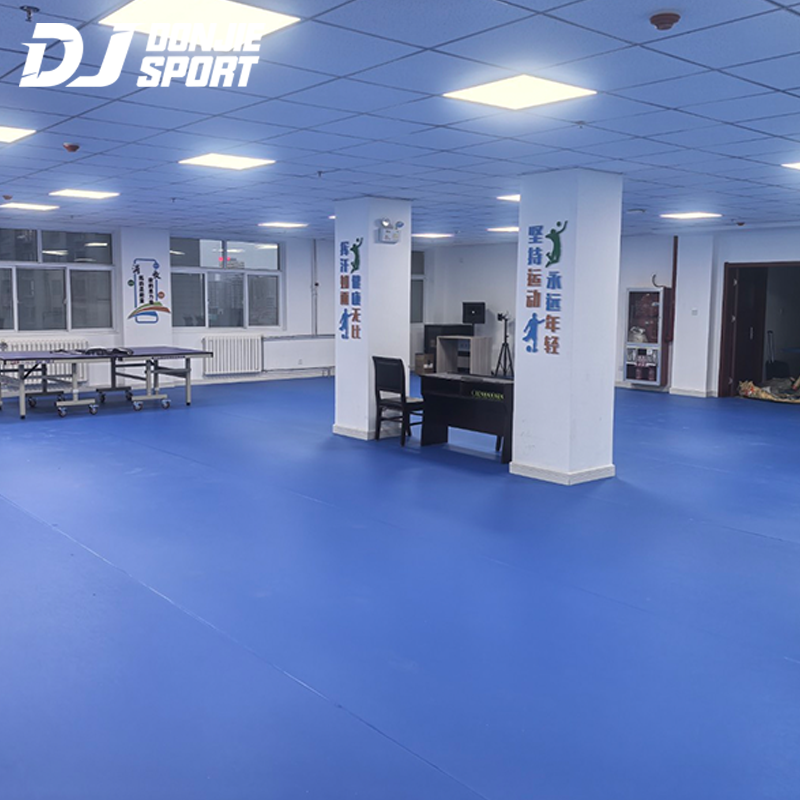
Understanding Table Tennis Flooring
When choosing the best flooring for a table tennis court, it’s essential to understand the key qualities that define an ideal surface. These characteristics include grip, shock absorption, consistency, and durability. Each of these factors plays a crucial role in how the game is played and how players perform.
-
Grip: A flooring surface with good grip prevents players from slipping and helps them to execute swift movements and sudden direction changes. The right amount of friction also allows players to generate the right amount of spin and control on the ball.
-
Shock Absorption: Table tennis involves fast movements and constant changes in direction, which can put strain on a player’s joints. A floor with proper shock absorption will reduce this impact, providing comfort during play and helping to prevent injuries.
-
Ball Bounce Consistency: Consistency in ball bounce is essential for competitive play. A floor that offers an even surface ensures that the ball will bounce predictably, allowing players to anticipate its movement and make accurate shots.
-
Durability: With the frequent foot traffic that table tennis courts experience, durability is critical. Flooring that can withstand wear and tear, especially for multi-purpose sports venues, will offer long-term value and performance.
Types of Flooring for Table Tennis Courts
There are several types of flooring suitable for table tennis courts. Each comes with its own set of benefits and ideal use cases. Understanding these options will help you make the right choice based on your facility’s needs.
PVC Flooring: The Popular Choice
PVC flooring is widely regarded as one of the best flooring materials for table tennis. It offers a combination of durability, ease of maintenance, and affordability, making it a go-to choice for recreational centers, schools, and multi-purpose sports halls.
-
Advantages: PVC floors are low-maintenance, easy to clean, and resistant to moisture. This makes them ideal for environments where frequent cleaning is required. They are also shock-absorbent, which reduces joint stress for players.
- Ideal Use: PVC flooring is best for facilities that host a variety of sports, not just table tennis. It can handle the demands of high foot traffic and can easily accommodate both professional and recreational table tennis players.
Wooden Flooring: The Traditional Favorite
Wooden floors have long been the standard for professional and competitive table tennis courts. Many professional tournaments, including the Olympics, use wooden floors for their courts due to their excellent ball bounce and player comfort.
-
Advantages: Wooden floors offer a high level of consistency in ball bounce, making them ideal for competitive play. The smooth surface allows players to move freely and react quickly.
-
Disadvantages: Wooden floors can be more expensive than PVC and require more maintenance. They are also more prone to damage from moisture, so they are typically not ideal for outdoor use.
-
Ideal Use: Wooden flooring is best suited for professional table tennis venues and indoor sports halls where the focus is on competitive play and high-performance standards.
Rubber Flooring: An Alternative for Multi-Use Spaces
Rubber flooring is a great option for facilities that need a more versatile surface. It offers cushioning and shock absorption, which helps protect athletes’ joints during play. Additionally, rubber flooring is durable and resistant to wear, making it a good choice for multi-use spaces where different sports are played.
-
Advantages: Rubber floors provide excellent shock absorption, which can reduce the risk of injuries. They are also versatile, as they can be used for multiple sports, including table tennis, basketball, and indoor volleyball.
-
Disadvantages: Rubber flooring may not provide the same level of consistency in ball bounce as wood or PVC, making it less suitable for professional-level play.
-
Ideal Use: Rubber flooring is ideal for recreational facilities or schools where table tennis is just one of several sports played. It’s also an excellent choice for gyms and fitness centers.
Factors to Consider When Choosing Table Tennis Flooring
Selecting the best flooring for table tennis requires careful consideration of several factors. Below are the most important aspects to keep in mind when making your decision.
Grip and Traction: How Important Is It?
Grip plays a significant role in table tennis, where quick lateral movements and precise footwork are essential. Flooring with too little grip can cause players to slip, while too much grip can hinder movement. The ideal flooring offers just the right amount of traction to help players maintain balance while allowing them to make quick, explosive movements without compromising their speed.
Shock Absorption and Comfort
Another critical factor is the floor’s ability to absorb shock. Table tennis players make rapid and sudden movements, placing strain on their legs and joints. Floors that offer good shock absorption reduce the impact on a player’s knees, ankles, and lower back, minimizing the risk of injury. A comfortable floor enhances performance by allowing players to focus on their game without discomfort or fatigue.
Durability and Maintenance
Durability is especially important if the flooring is going to be used frequently. High-traffic areas, such as public sports facilities or multi-purpose courts, require flooring that can withstand continuous use without showing signs of wear. Moreover, flooring that is easy to maintain will save time and money in the long run. PVC and rubber floors tend to be low-maintenance, while wooden floors require more upkeep to preserve their condition.
How Table Tennis Flooring Affects Player Performance
The flooring you choose can have a profound impact on how players perform on the court. From the bounce of the ball to the movement of the players, the floor’s characteristics influence every aspect of the game.
Consistency in Ball Bounce
A consistent bounce is crucial for players to anticipate and react to the ball. Surfaces that are uneven or too soft can cause unpredictable ball bounces, which disrupt the flow of the game. Flooring that offers consistent performance, such as wood or high-quality PVC, is essential for competitive play.
Player Movement and Footwork
The right floor can improve a player’s agility and movement on the court. Surfaces like wood provide a smooth texture that allows players to slide and pivot easily, while PVC offers a slightly grippier surface that helps with acceleration. The right amount of grip and cushioning ensures that players can move quickly and safely.
How to Choose the Best Flooring for Your Facility
When selecting the best flooring for your table tennis court, several factors should guide your decision:
Considering Your Space and Budget
It’s essential to consider the size of your facility and your budget when choosing flooring. PVC flooring is a great budget-friendly option for large spaces, while wooden floors are ideal for smaller, professional venues. If your facility needs a surface for multiple sports, rubber flooring might be the best choice.
Professional vs. Recreational Use
If you’re designing a space for professional competition, a high-quality wooden floor is the best option due to its consistency in ball bounce and player comfort. For recreational or school-level play, PVC or rubber floors provide a good balance between performance and cost.
Indoor vs. Outdoor Flooring Options
For indoor facilities, wooden and PVC floors are the most common choices. However, for outdoor venues, you need flooring that can withstand the elements. Outdoor PVC and rubber floors are designed to be more weather-resistant and durable, making them suitable for outdoor table tennis courts.
Conclusion
Choosing the right flooring for your table tennis court is essential for enhancing player performance, safety, and comfort. Whether you opt for PVC, wooden, or rubber flooring depends on the specific needs of your facility, budget, and the level of play. Ultimately, selecting the right surface will improve not only the overall playing experience but also the longevity and maintenance of the court itself. With careful consideration of all these factors, you’ll be able to create the ideal environment for table tennis enthusiasts of all levels.



