When setting up a table tennis court, one of the most crucial decisions you’ll face is selecting the right flooring material. The floor directly influences gameplay, comfort, and safety, making it essential to choose a material that aligns with both your needs and your budget. Table tennis is a fast-paced sport, and the flooring must provide the right balance of durability, grip, and shock absorption. Whether you’re building a court for recreational or professional use, understanding the pros and cons of different flooring materials can help you make an informed decision. In this guide, we’ll explore the best flooring materials for table tennis courts and discuss their advantages and disadvantages.
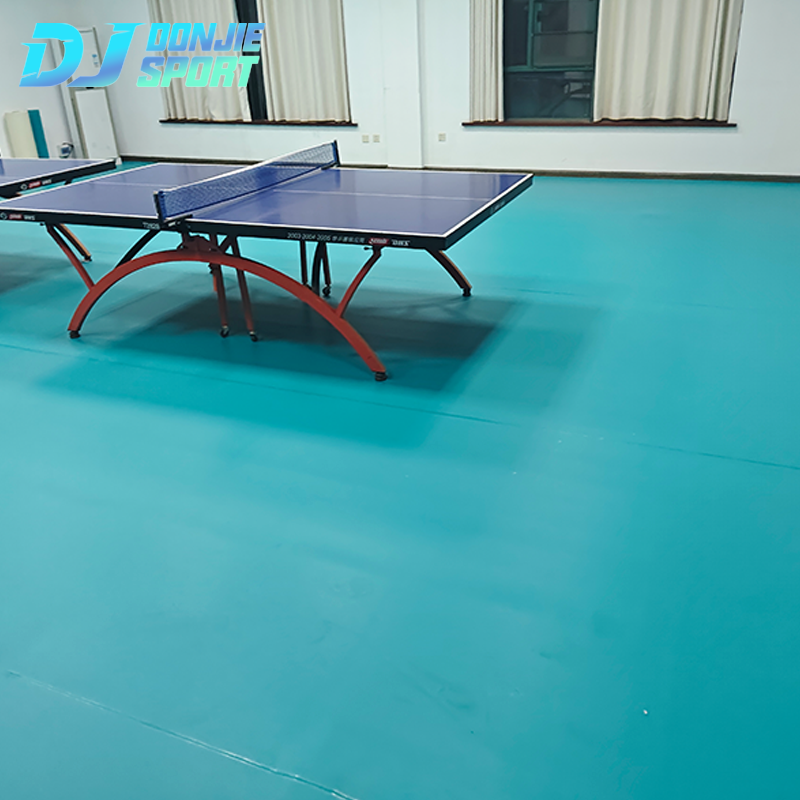
PVC Flooring
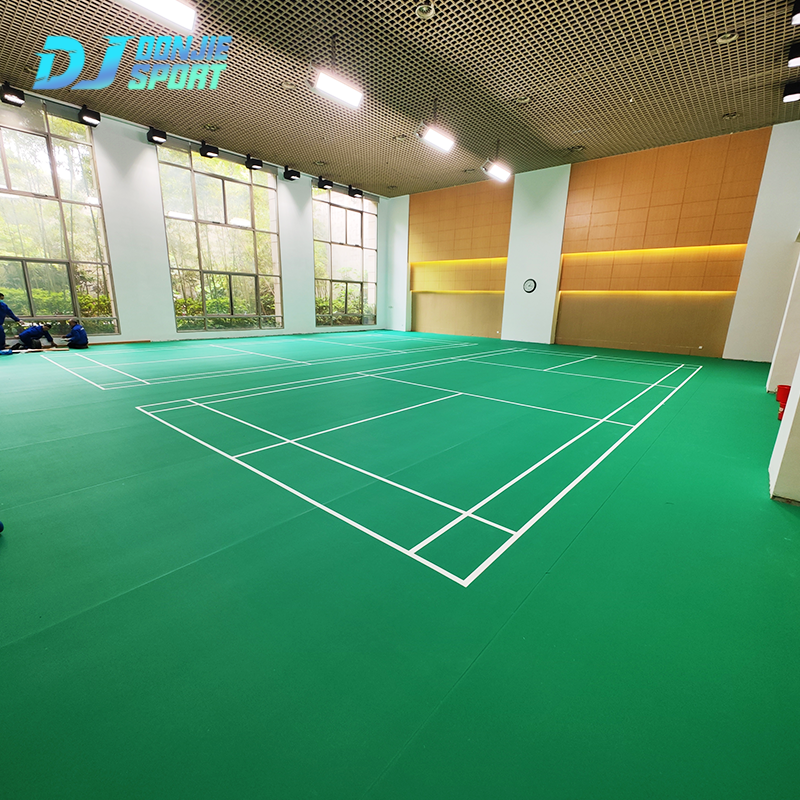
PVC (Polyvinyl Chloride) flooring is one of the most popular choices for table tennis courts, and for good reason. It’s an affordable and durable option that offers a range of benefits for both recreational and professional players.
Pros:
-
Durable and Long-Lasting: PVC flooring is resistant to wear and tear, making it ideal for high-traffic areas. It can handle the constant pressure from players’ movements without showing signs of deterioration.
-
Easy to Maintain: The smooth, non-porous surface of PVC flooring makes it incredibly easy to clean. Spills and dirt can be wiped away quickly, which is a significant advantage in busy environments.
-
Excellent Traction: PVC flooring offers excellent grip, which reduces the risk of slipping. This is essential for table tennis, where quick lateral movements are frequent and the risk of injury can be high without proper traction.
Cons:
-
Initial Installation Cost: While PVC flooring is cost-effective in the long run, the initial installation can be more expensive compared to simpler options like vinyl.
-
Requires Proper Subfloor Preparation: For the best performance, PVC flooring requires a smooth, well-prepared subfloor. Any imperfections in the subfloor can affect the overall integrity of the flooring and its performance.
PVC flooring is often the go-to choice for many table tennis enthusiasts, especially when durability and easy maintenance are top priorities.
Wooden Flooring
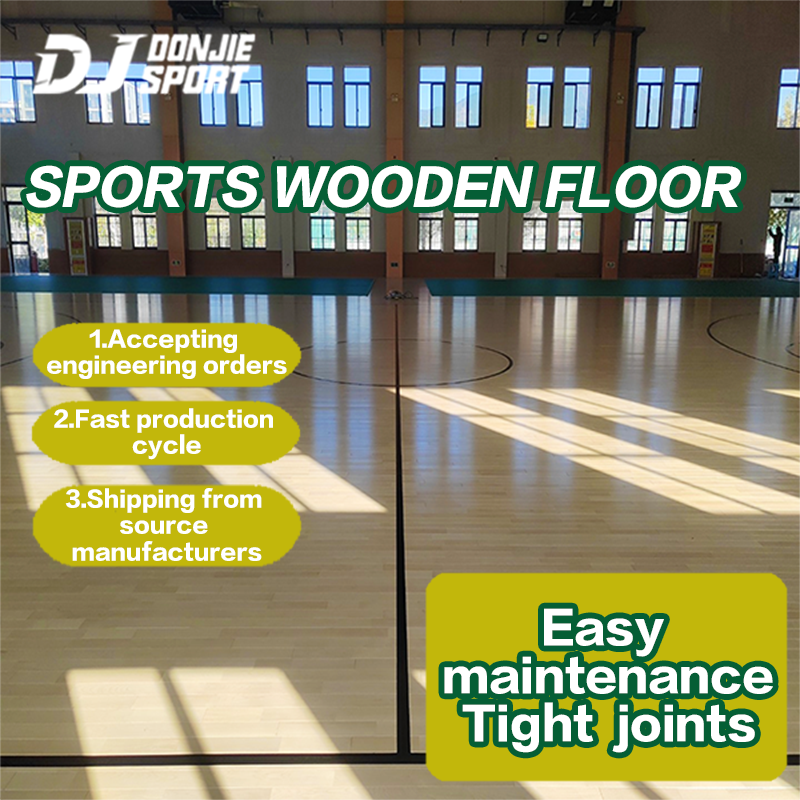
Wooden flooring is a classic option for table tennis courts, especially in professional or high-end facilities. It provides a natural and aesthetic look that appeals to many players and is highly favored for its performance.
Pros:
-
Excellent Bounce and Grip: Wooden floors offer a consistent and predictable bounce, which is crucial for the fast-paced nature of table tennis. The surface also provides great grip, allowing players to move swiftly without risking slipping.
-
Aesthetic Appeal: Wooden floors are aesthetically pleasing and can create an inviting atmosphere in any space, whether it’s a professional tournament hall or a home gym.
-
Comfortable for Long Play Sessions: Wood has a slight natural cushioning effect, which can reduce the strain on players’ joints during long sessions, making it ideal for those who practice frequently.
Cons:
-
Maintenance Requirements: Wood floors need regular care and maintenance, including refinishing to avoid scratches, dents, and warping caused by moisture or temperature changes. The wood can swell or shrink, leading to an uneven playing surface if not properly maintained.
-
High Initial Cost: Quality hardwood flooring can be quite expensive, especially when installed in large areas, making it a higher investment compared to alternatives like PVC or vinyl.
Wooden floors are best for those who value both performance and aesthetics, as well as those willing to invest in ongoing maintenance for long-term benefits.
Rubber Flooring
Rubber flooring is another viable option for table tennis courts, offering a different set of advantages that appeal to specific needs.
Pros:
-
Shock Absorption: One of the biggest benefits of rubber flooring is its shock-absorbing qualities. The material reduces the impact on joints and muscles, making it easier on players during extended matches or training sessions.
-
Customizable Thickness: Rubber flooring comes in various thicknesses, allowing for adjustments based on the level of shock absorption required. Thicker rubber is better for comfort, while thinner options provide a firmer playing surface.
-
Good Grip and Slip Resistance: Rubber provides a high level of grip, which is essential for fast movements and sudden stops common in table tennis.
Cons:
-
Can Be Slippery When Wet: Rubber flooring can become slippery if not properly maintained or if moisture accumulates on the surface. It requires regular cleaning to maintain optimal performance.
-
Not Ideal for Professional Play: While rubber flooring offers good comfort, it may not provide the responsiveness needed for high-level professional play. The softer surface can affect the speed and consistency of the ball’s bounce.
Rubber floors are an excellent option for recreational play and multi-purpose spaces, where comfort and safety are prioritized.
Vinyl Flooring
Vinyl flooring is often chosen for its affordability and versatility, making it a popular option for table tennis courts in schools, recreational facilities, and budget-conscious players.
Pros:
-
Affordable and Easy to Install: Vinyl is one of the most cost-effective flooring options for table tennis courts. It is also relatively easy to install, which is ideal for those looking to save on installation costs.
-
Moisture Resistance: Vinyl is highly resistant to moisture, making it suitable for areas with high humidity or where spills are common.
-
Variety of Designs: Vinyl flooring comes in a wide range of designs, including options that mimic the appearance of wood or stone. This gives facilities the freedom to choose a design that complements the overall aesthetic.
Cons:
-
Less Durable in High-Traffic Areas: Over time, vinyl flooring may show signs of wear, especially in areas with heavy foot traffic. The surface can become scratched or scuffed, affecting its appearance and performance.
-
Not Ideal for Professional Play: While vinyl flooring can serve recreational players, it may not provide the same level of performance or comfort needed for serious athletes or professional tournaments.
Vinyl flooring is best for those who need an affordable, easy-to-install solution for recreational or casual table tennis play.
MDF Flooring
Medium Density Fiberboard (MDF) is a more affordable alternative to hardwood, providing a smooth and even surface that can be used for table tennis courts.
Pros:
-
Cost-Effective: MDF is an excellent budget-friendly option for those who want the smoothness of wood without the high cost. It’s a great choice for schools or community centers with limited budgets.
-
Smooth, Consistent Surface: MDF provides a flat, even surface for playing, which is crucial for maintaining the accuracy of the ball’s bounce.
-
Easy to Install and Maintain: MDF flooring is relatively simple to install and doesn’t require extensive maintenance like natural wood.
Cons:
-
Less Durable than Wood: MDF is not as durable as hardwood, and over time it may wear down or become damaged. It’s also more susceptible to moisture damage.
-
Moisture Sensitivity: While MDF is strong and consistent, it is not as resistant to moisture as wood or vinyl. If exposed to water, MDF can swell and warp, making it unsuitable for areas with high humidity.
MDF flooring is ideal for those seeking a budget-friendly solution without compromising too much on playability.
Multi-Layer Sports Flooring
Multi-layer sports flooring is designed for high-performance sports environments. This type of flooring often combines layers of different materials to create a durable, cushioned surface ideal for intense physical activity.
Pros:
-
Excellent Shock Absorption: Multi-layer sports flooring is designed to provide maximum shock absorption, reducing strain on players’ joints and preventing injuries.
-
Durability and Versatility: These floors are built to withstand heavy use, making them a good choice for high-traffic areas. They are also versatile enough to be used in multi-purpose sports halls.
-
Enhanced Player Performance: The cushioning effect of multi-layer floors can improve player comfort and reduce fatigue, allowing for longer, more intense play sessions.
Cons:
-
Complex Installation Process: Multi-layer flooring systems often require a more complex installation process, which can increase the overall cost.
-
Higher Initial Cost: Due to the advanced technology involved in their construction, multi-layer sports floors are typically more expensive than basic flooring options.
Multi-layer sports flooring is best suited for professional venues or multi-sport arenas where performance and durability are paramount.

Conclusion
When selecting flooring for a table tennis court, there are several factors to consider, including durability, performance, cost, and maintenance. PVC, wooden, rubber, vinyl, MDF, and multi-layer sports flooring each offer unique benefits and challenges. Your choice will ultimately depend on your specific needs, whether it’s for recreational use, professional tournaments, or a multi-purpose sports facility. By understanding the pros and cons of each material, you can make an informed decision that ensures the best playing experience.