Selecting the right flooring for sports halls is critical for ensuring optimal performance, safety, and durability across various sports, including basketball, volleyball, and badminton. The flooring choice directly influences the athletes’ performance, comfort, and even injury prevention. A sports hall often hosts multiple activities, so it’s essential to choose a flooring solution that meets the specific needs of each sport.
Basketball courts demand a surface that provides consistent bounce and grip for rapid, high-intensity movement. Volleyball courts require flooring that supports the fast lateral movements while reducing the risk of ankle injuries. Badminton courts, known for their quick pace and fast footwork, need a surface that allows for quick pivots and stability.
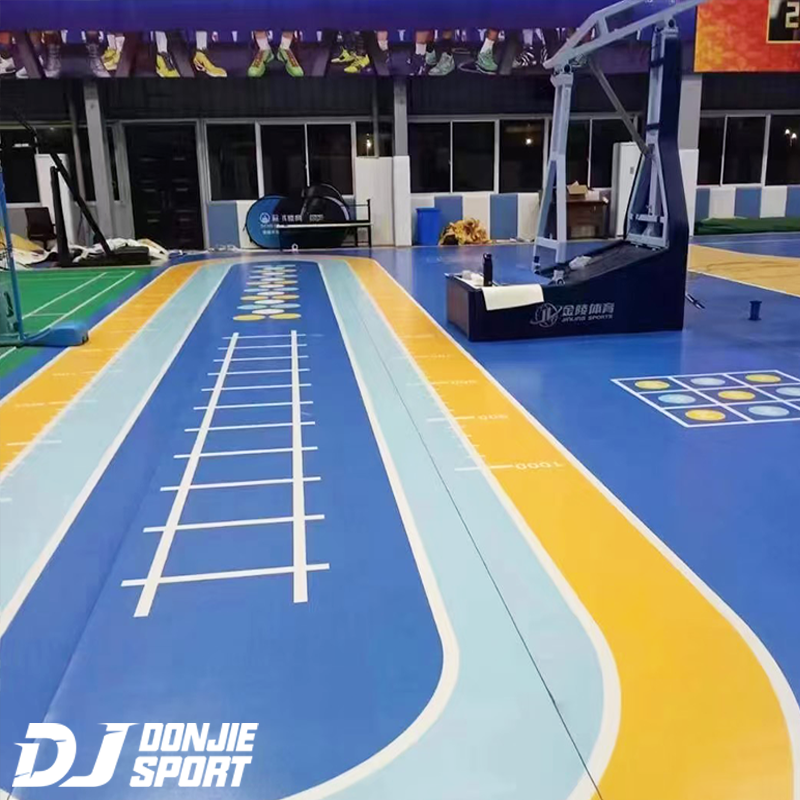
Key Considerations When Choosing Sports Hall Flooring
Before diving into the specific types of flooring, it’s essential to understand the factors that affect the decision-making process when selecting flooring for a sports hall. These considerations ensure that the flooring not only meets the functional needs of athletes but also contributes to the longevity and safety of the facility.
-
Safety: A primary concern when choosing sports hall flooring is safety. Flooring should provide slip resistance to prevent accidents, especially during fast-paced movements. Additionally, it should absorb shock and impact to reduce the risk of injuries from falls or sudden stops.
-
Durability: Sports flooring must withstand constant wear and tear from athletes, as well as the weight of heavy equipment. The durability of the flooring material is vital in ensuring that the court remains in optimal condition even after years of use. The material chosen must handle the stress of high-impact sports like basketball and volleyball, which can take a toll on softer surfaces.
-
Performance: The flooring type can significantly impact the players’ performance. It must offer appropriate cushioning for comfort while maintaining a stable and firm grip. For sports like badminton, a high level of traction and quick response is crucial, while basketball requires a consistent bounce and grip.
-
Maintenance: Some flooring options require more frequent maintenance than others. For example, hardwood floors need to be refinished periodically, while PVC flooring is much easier to maintain with simple cleaning routines. Cost-effective maintenance solutions are essential for keeping the sports hall in top condition without breaking the bank.
Best Flooring Options for Basketball Courts
Basketball courts demand a specific type of flooring that caters to the sport’s high-impact nature, ensuring both player safety and performance. Here are the best flooring materials for basketball courts:
-
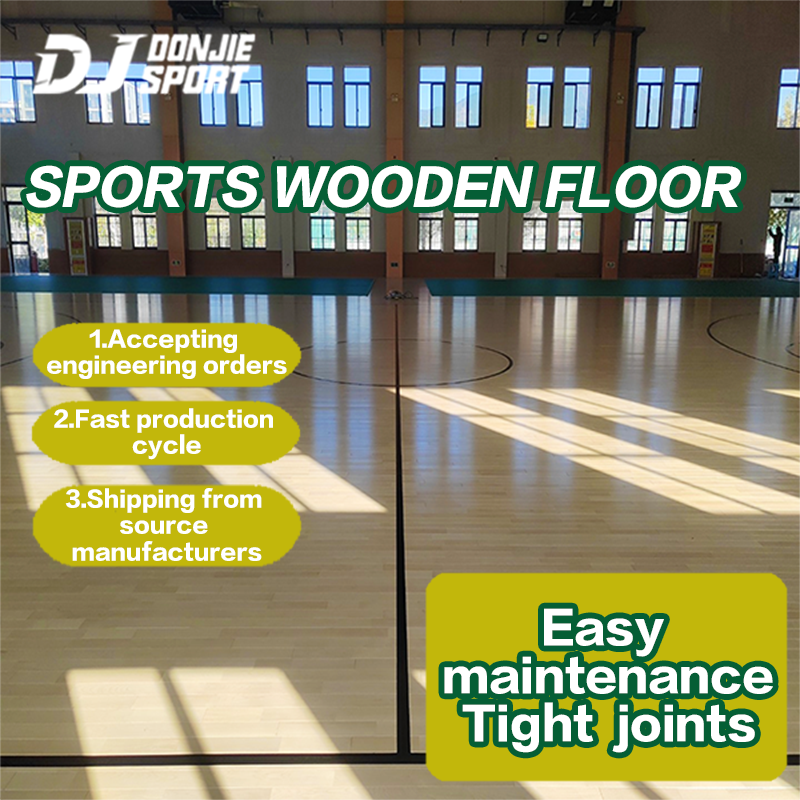
Hardwood: The traditional choice for basketball courts, hardwood floors are commonly seen in professional settings. They provide a consistent bounce for the basketball and excellent grip. However, hardwood requires regular maintenance, including refinishing, to maintain its performance. It’s also prone to wear in high-traffic areas.
-
PVC Sports Flooring: An increasingly popular choice, PVC sports flooring is durable and low-maintenance. It’s designed to provide comfort and reduce the impact on athletes’ joints. This type of flooring is available in a range of thicknesses, offering different levels of cushioning. PVC flooring is also resistant to moisture and stains, making it ideal for both indoor and high-humidity environments.
-
Rubber Flooring: While rubber is not as commonly used in professional basketball courts, it’s a great option for recreational courts. Rubber flooring provides excellent shock absorption, which is crucial for preventing injuries. It is also slip-resistant and easy to maintain. However, it does not provide the same level of ball bounce as hardwood or PVC.
Each of these flooring options has its advantages, and the choice will depend on the specific needs of your basketball court, as well as your budget.
Best Flooring Options for Volleyball Courts
Volleyball courts require a smooth and cushioned surface that reduces the risk of ankle injuries while offering excellent ball bounce. Here are the best flooring choices for volleyball courts:
-
Resilient Vinyl Flooring: Vinyl flooring is a popular choice for volleyball courts due to its smooth, durable surface. It offers excellent protection against impact, making it a suitable choice for athletes who make frequent jumps and landings. This flooring is easy to maintain and comes in various colors and designs, allowing customization of your sports hall.
-
Synthetic Rubber Flooring: Synthetic rubber is another solid option for volleyball courts. It provides better shock absorption and stability than many other materials. Its resilience also ensures that it holds up well over time under heavy foot traffic and impact from players.
When choosing flooring for volleyball courts, it’s important to consider the balance between cushion and bounce, ensuring both comfort and performance.
Best Flooring Options for Badminton Courts
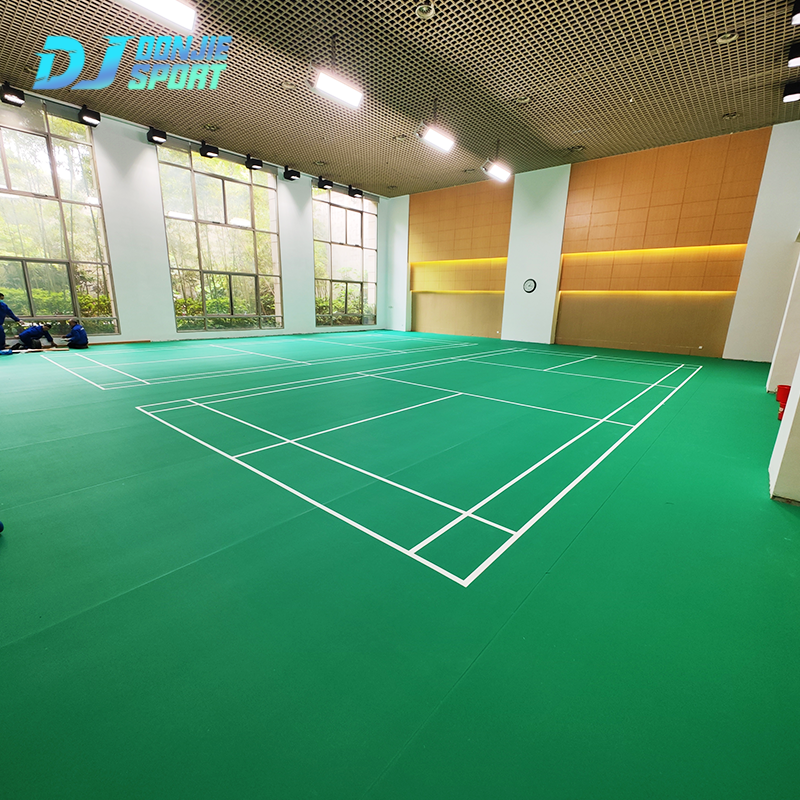
Badminton courts require a specific type of flooring that provides quick response times for fast movements while maintaining a stable surface for footwork. Here are the top flooring options for badminton courts:
-
High-Performance PVC Flooring: PVC flooring offers superior grip and stability for badminton. It provides excellent shock absorption while maintaining a smooth surface, allowing for fast movements and precise footwork. Additionally, this flooring can be customized in different colors and designs to fit the aesthetic of your facility.
-
Parquet Wood Flooring: While traditionally used in other indoor sports, parquet wood flooring can also be a good option for badminton courts. It offers a classic look and excellent durability. However, parquet may not provide the same level of shock absorption as other synthetic materials. Therefore, a hybrid approach with cushioning layers underneath can help mitigate this drawback.
Badminton courts require a flooring solution that allows players to move quickly without compromising on stability. Choosing the right surface is key to enhancing performance and reducing fatigue.
Multi-Sport Flooring Solutions
In many sports halls, different activities take place on the same court. This calls for flooring that is versatile and can handle the needs of multiple sports simultaneously. Here are a few flooring solutions that work well for multi-sport courts:
-
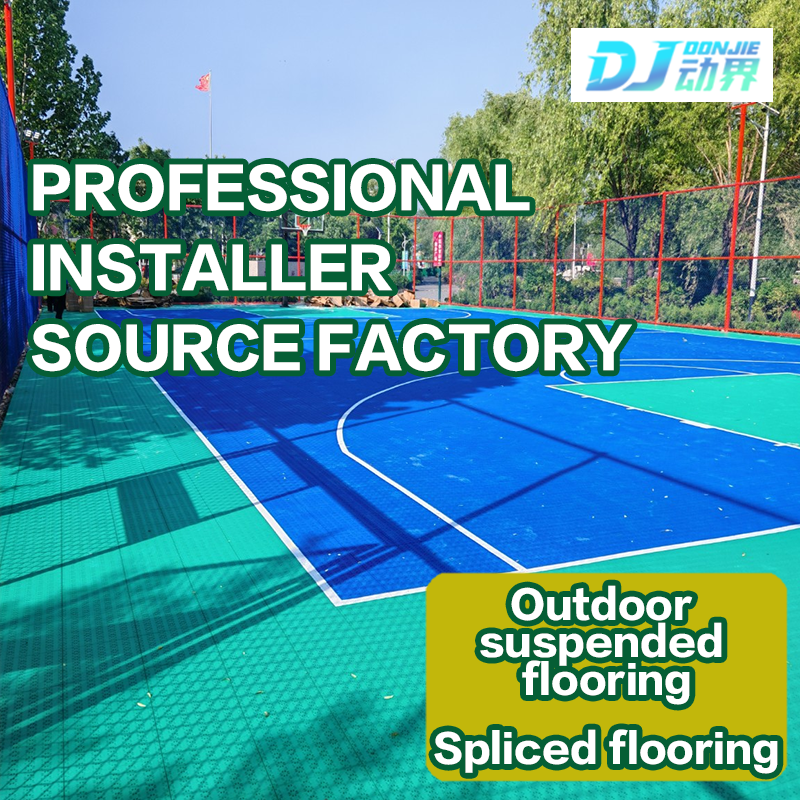
Interlocking Tiles: Interlocking flooring tiles are a great solution for sports halls with limited budgets or for facilities that need flexible court setups. These tiles are easy to install and remove, allowing you to reconfigure the court for different sports. They also provide shock absorption, although they might not offer the same bounce as traditional basketball flooring.
-
Hybrid Flooring Systems: Hybrid flooring systems combine materials like rubber and PVC to create a flooring solution that can cater to different sports. These systems are designed to be multifunctional, providing good traction, cushioning, and ball bounce. They’re perfect for sports halls where multiple activities such as basketball, volleyball, and badminton need to be accommodated.
-
Custom Flooring: For sports halls with specific needs, custom flooring options can be tailored to meet performance requirements. By combining different materials, you can design a court that works perfectly for multiple sports.
Flooring Installation Considerations
When installing sports hall flooring, you have to consider the specific needs of your facility.
-
Professional Installation: Proper installation is essential to ensuring the longevity and safety of your flooring. Professional installers will ensure that the subfloor is level, that the flooring is correctly installed, and that there are no issues with performance.
-
DIY vs. Professional Installation: While DIY installations may be tempting due to cost savings, professional installation often guarantees better results and a longer-lasting flooring solution. For multi-sport floors or larger venues, professional expertise is critical.
-
Installation Costs and Time: The cost of installation varies depending on the material and size of your court. Rubber and PVC floors are relatively easy to install, while hardwood may take longer. Additionally, some flooring options may require curing time before they can be used.
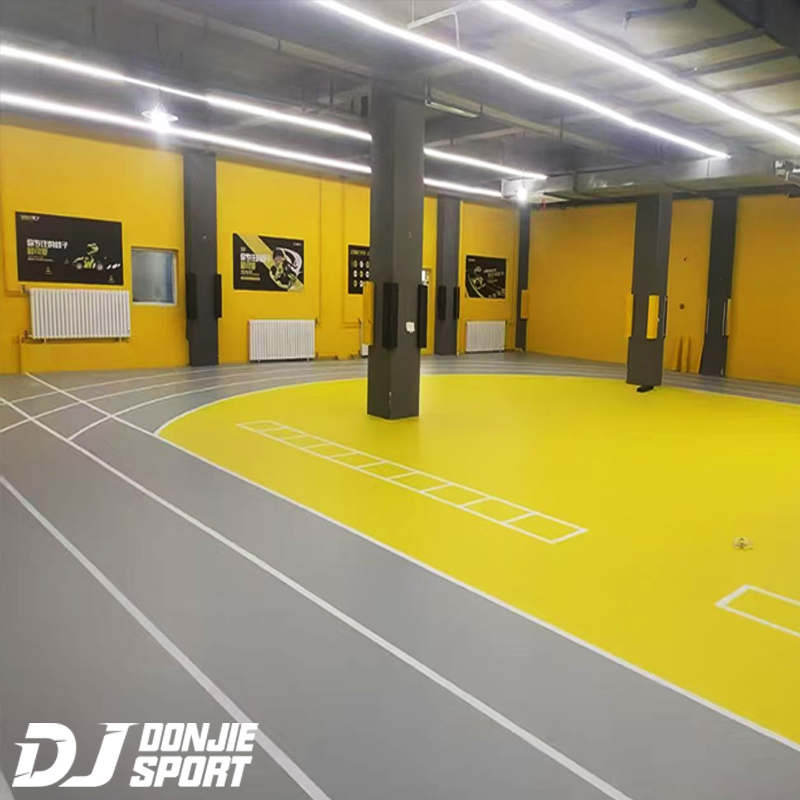
Maintenance and Longevity of Sports Hall Flooring
Regular maintenance is essential to prolong the lifespan of your flooring and ensure its optimal performance.
-
Cleaning: Different flooring materials require different cleaning methods. Hardwood floors need refinishing every few years, while PVC floors only need regular sweeping and occasional mopping. Rubber floors may require special cleaning solutions to avoid degrading the material.
-
Longevity: The durability of your flooring depends on the material you choose. Hardwood floors tend to last the longest, but they are the most labor-intensive to maintain. PVC and rubber floors are low-maintenance but may need to be replaced sooner than hardwood depending on the level of wear and tear.
Conclusion
Selecting the best sports hall flooring for basketball, volleyball, and badminton courts is essential for enhancing performance, improving safety, and ensuring durability. The right flooring provides the necessary support for high-impact sports, quick movements, and consistent performance. Whether you choose hardwood for its classic appeal, PVC for its durability, or synthetic rubber for its shock absorption, the flooring you choose will play a pivotal role in the success of your sports hall.