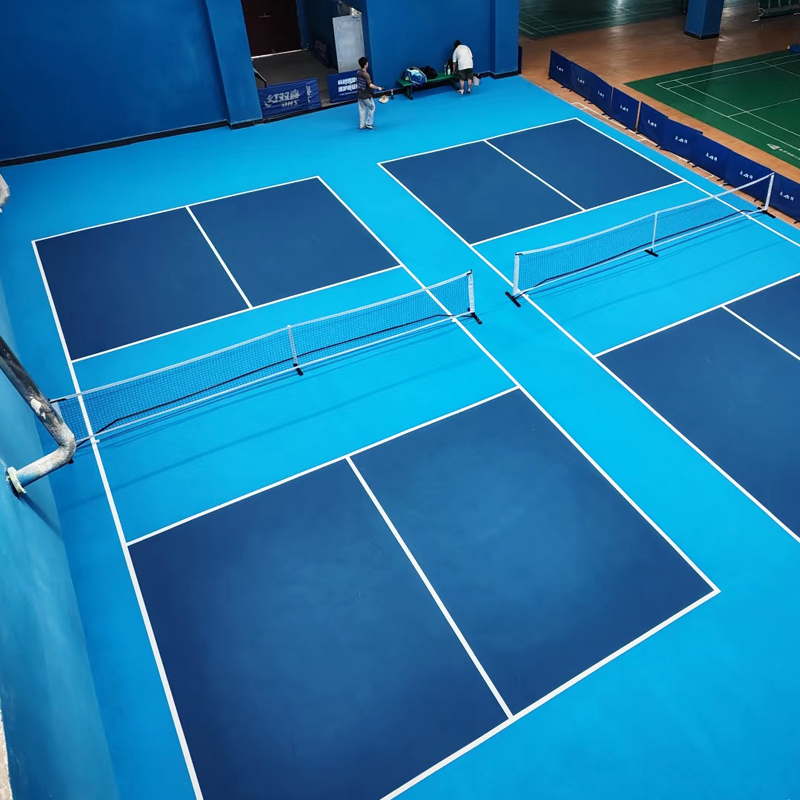
Choosing the right flooring for your indoor pickleball court is essential to enhance both player performance and safety. Whether you’re setting up a court for recreational use or professional competitions, the flooring choice significantly impacts how the game is played. Not only does it affect the game’s pace and comfort, but it also plays a crucial role in minimizing the risk of injuries. In this article, we’ll explore the various indoor pickleball flooring options available, highlighting their advantages and helping you find the best flooring for your space. Let’s dive into the features, materials, and important considerations that can guide your decision when choosing the best indoor pickleball flooring.
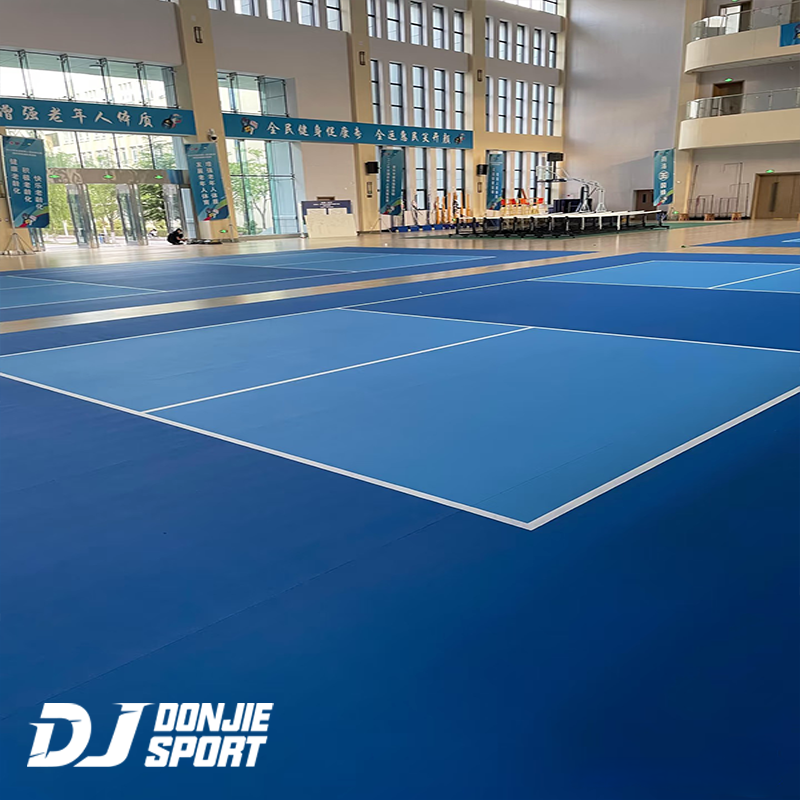
Why Flooring Matters for Indoor Pickleball Courts
The type of flooring you choose for your indoor pickleball court is more than just a matter of aesthetics—it’s crucial for player performance and safety. Indoor pickleball courts require a surface that provides the right balance between traction, shock absorption, and comfort. A poorly chosen floor can lead to reduced performance, discomfort, and even injury. Here’s how the right flooring impacts your game:
-
Performance: The flooring directly affects how the ball bounces, how fast the game is played, and how the players move. A good floor should offer the perfect level of grip to allow for fast movements without being too sticky or slippery.
-
Injury Prevention: A floor with the proper cushioning helps reduce the strain on joints and minimizes the risk of injury. A hard surface like concrete can lead to injuries over time, whereas materials like rubber or wood offer better shock absorption.
-
Maintenance and Durability: Flooring that’s easy to clean and maintain will save time and effort in the long run. You want a surface that can withstand heavy foot traffic without deteriorating quickly.
Key Features of the Best Indoor Pickleball Flooring
When selecting the best flooring for indoor pickleball courts, there are a few key features that can make all the difference in both performance and longevity:
-
Traction and Slip Resistance: For pickleball, having the right amount of traction is vital. You don’t want a surface that’s too slippery, which could cause players to lose their balance, nor do you want one that offers excessive grip that hinders movement. Flooring should have an optimal balance of slip resistance, so players can move freely and quickly.
-
Comfort and Shock Absorption: Flooring that cushions players’ movements can help prevent fatigue and reduce stress on joints, especially during long games. This is particularly important for indoor courts where players may be on the court for extended periods.
-
Sound and Noise Reduction: Indoor courts can become noisy during play. Flooring materials such as rubber and wood naturally absorb sound, making them ideal for minimizing noise levels during intense matches. Choosing a quieter floor helps maintain a more enjoyable atmosphere for players and spectators alike.
-
Aesthetics: While functionality is paramount, the appearance of your flooring matters, too. Attractive flooring can enhance the overall aesthetic of the space, making it more inviting for players and spectators.
Popular Types of Flooring for Indoor Pickleball Courts
There are several flooring options available for indoor pickleball courts. Let’s take a closer look at some of the most popular choices:
Wooden Flooring
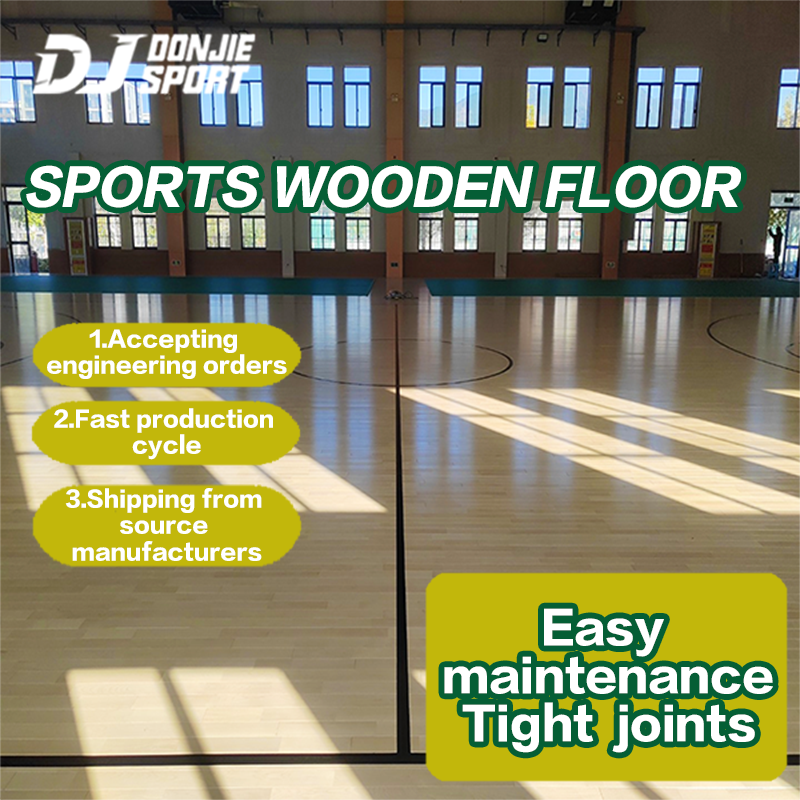
Wooden floors are often considered the gold standard for indoor sports courts. Many professional pickleball tournaments are played on wood floors due to their excellent balance of grip and cushioning.
-
Pros: Wooden floors provide a great mix of durability, aesthetics, and shock absorption. They also offer a premium, traditional look that enhances the court’s overall appeal.
-
Cons: The main drawback of wood floors is the higher cost and the maintenance required to keep them in good condition. Over time, they may also be prone to warping, especially in areas with fluctuating humidity.
PVC Flooring
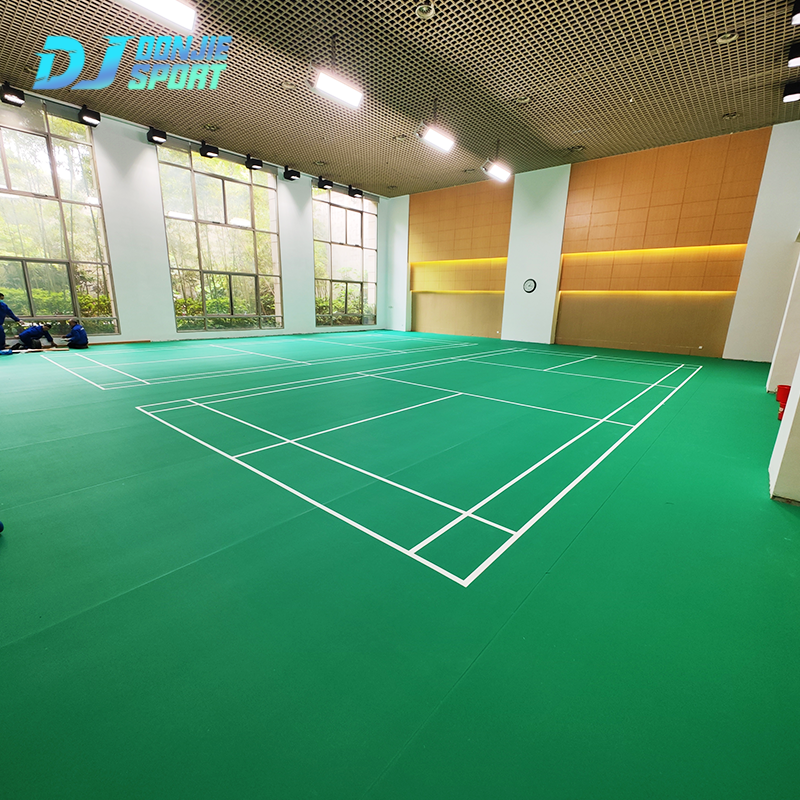
PVC flooring is a popular choice for indoor pickleball courts, offering durability and ease of maintenance at a relatively lower cost.
-
Pros: PVC floors are durable, slip-resistant, and low-maintenance. They come in a variety of colors and designs, making them suitable for different court aesthetics.
-
Cons: While PVC is generally durable, it can sometimes feel less natural underfoot compared to wood or rubber flooring. Some players also report that it doesn’t offer as much shock absorption.
Rubber Flooring
Rubber flooring is another excellent choice for indoor pickleball courts, offering a soft, cushioned surface that helps reduce the risk of injury.
-
Pros: Rubber provides excellent shock absorption, making it great for player comfort. It’s also durable and easy to maintain.
-
Cons: Rubber floors can be more expensive and might not offer the same high-end aesthetic as wood or PVC. Additionally, rubber flooring can sometimes be noisy during play due to its softness.
Vinyl and Modular Flooring
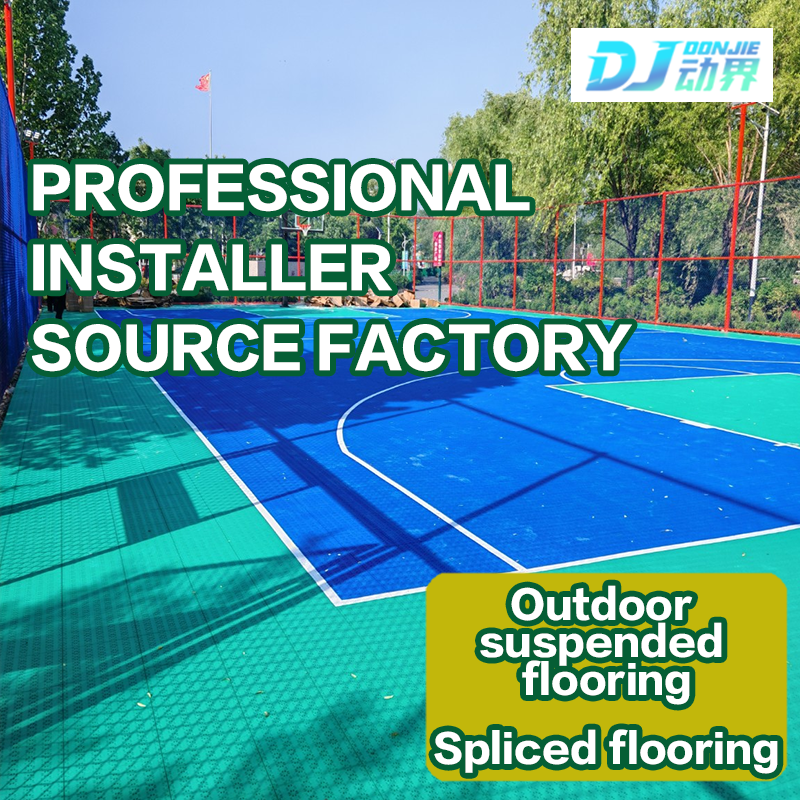
Vinyl flooring, often used for multipurpose courts, has become an increasingly popular option for pickleball courts. Modular flooring, often made of interlocking tiles, is also an affordable and easy-to-install solution for indoor courts.
-
Pros: Vinyl and modular flooring are affordable, easy to install, and versatile. They also offer decent shock absorption, making them suitable for recreational play.
-
Cons: These types of flooring may not provide the same level of performance as wood or rubber, and their durability can vary depending on the quality of materials.
Factors to Consider When Choosing the Best Indoor Pickleball Flooring
When selecting the right flooring for your pickleball court, several factors need to be taken into account:
-
Court Size and Space: Your available space will impact your flooring options. Some flooring materials may not be ideal for smaller courts or spaces with limited ceiling height.
-
Climate and Environmental Conditions: Consider your local climate, especially if your building experiences fluctuating temperatures or humidity levels. Wood and PVC can react to changes in humidity, while rubber and vinyl are more resilient in various conditions.
-
Budget: While high-quality materials like wood may offer the best performance, they also come at a higher price. Be sure to balance your flooring needs with your budget.
-
Long-Term Investment vs. Short-Term Costs: Think about your court’s long-term use. Some floors might cost more upfront but offer greater durability, while others might be cheaper to install but require frequent replacement or repair.
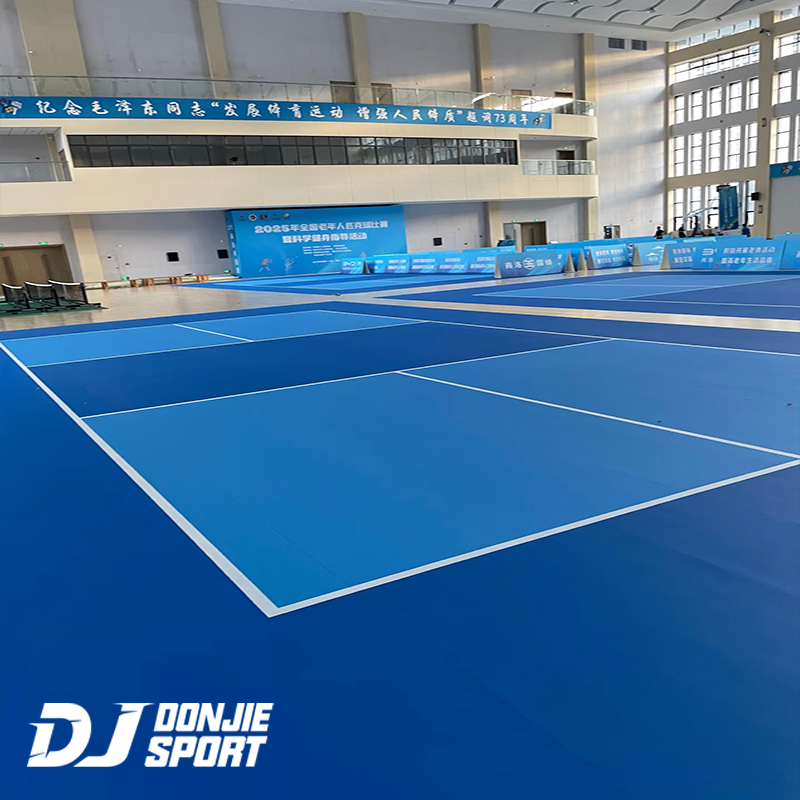
How to Maintain Indoor Pickleball Flooring
Proper maintenance is key to keeping your indoor pickleball flooring in top condition and ensuring longevity. Here are some general tips:
-
Cleaning: Regularly sweep or vacuum the floor to remove dust and debris that can cause damage over time. For more thorough cleaning, use a damp mop with a gentle cleaner, making sure to avoid harsh chemicals that can damage the surface.
-
Repairs: Address minor damages, such as scratches or dents, immediately. Wooden floors may require refinishing, while rubber and vinyl floors may need patching or replacement tiles.
-
Preventing Wear and Tear: Use floor mats or protective covers in high-traffic areas to reduce wear. Additionally, make sure the court is used only for its intended purpose to prevent unnecessary damage.
Frequently Asked Questions
-
How much does indoor pickleball flooring cost?
The cost of indoor pickleball flooring can vary widely depending on the material chosen. Wooden floors tend to be the most expensive, with PVC and modular options being more affordable. -
What is the best flooring for multi-purpose courts?
PVC or modular flooring systems are often ideal for multi-purpose courts, as they are easy to install, maintain, and can be used for a variety of sports. -
How do you install indoor pickleball court flooring?
Depending on the material, installation may require professional assistance, especially for wood floors. Vinyl and modular tiles are often DIY-friendly and can be installed without specialized skills.
Conclusion
Choosing the best indoor pickleball flooring requires careful consideration of performance, safety, durability, and budget. Whether you opt for the premium quality of wood, the durability of PVC, or the comfort of rubber, there’s a flooring option to suit every need. Keep in mind the long-term maintenance and costs associated with each type, as well as the specific features that will benefit both your court and your players. With the right flooring, your indoor pickleball court can provide optimal play conditions for years to come.