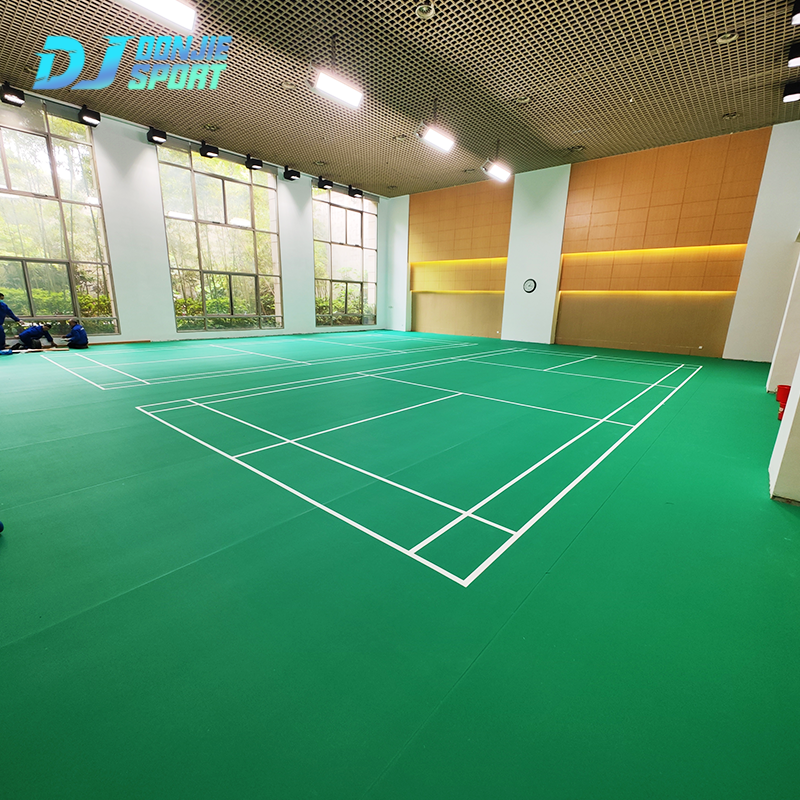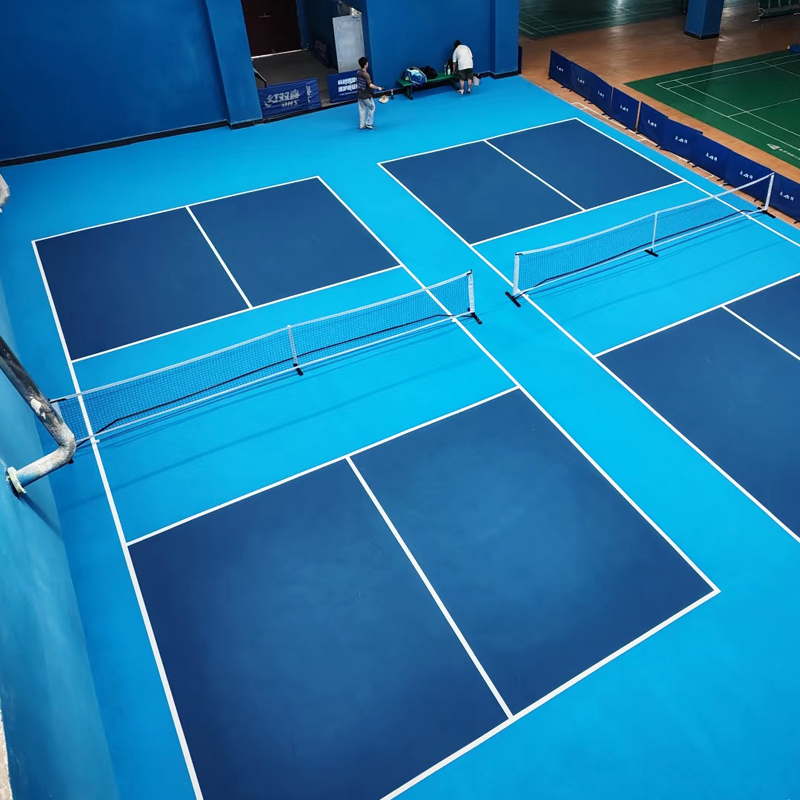
When it comes to setting up a sports gym, the flooring you choose is one of the most important decisions you will make. Not only does the right sports gym flooring enhance the aesthetic appeal of the facility, but it also plays a critical role in ensuring safety and performance. High-impact areas, such as basketball courts, weight rooms, and multi-purpose training zones, demand flooring solutions that can withstand intense activity, provide comfort for athletes, and prevent injuries. In this guide, we’ll walk through the best practices for installing sports gym flooring in high-impact areas, ensuring both durability and safety.
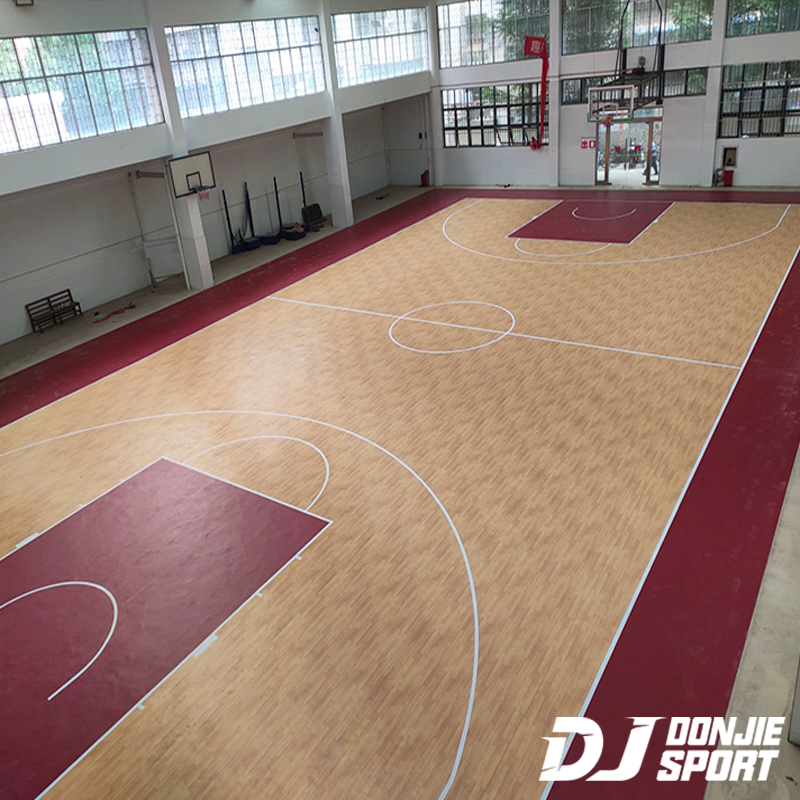
Choosing the Right Sports Gym Flooring Material
Selecting the appropriate flooring material is the first step in creating a functional and safe sports gym environment. Different areas of the gym require different materials based on usage and impact levels. Here’s an overview of the most common materials used for sports gym flooring:
-
Rubber Flooring: Known for its durability and impact absorption, rubber flooring is an excellent choice for high-impact areas like weight rooms and training zones. It provides a non-slip surface, reduces noise, and minimizes the risk of injury due to its shock-absorbing qualities.
-
Vinyl Flooring: This material offers a smooth, comfortable surface ideal for sports courts, particularly for basketball and volleyball. Vinyl is easy to clean and maintain, making it a practical choice for high-traffic areas. It’s also available in various thicknesses and designs to suit different sports.
-
Wood Flooring: Often used for professional basketball and volleyball courts, wooden flooring provides a classic aesthetic and natural bounce for sports. It’s resilient and provides superior traction, but it requires regular maintenance to prevent wear and tear.
-
Polyurethane Flooring: Known for its high durability and flexibility, polyurethane flooring is commonly used in multi-purpose sports halls and gymnasiums. It offers superior shock absorption, making it ideal for high-impact activities.
When choosing the right flooring material for high-impact areas, it’s essential to consider factors like durability, ease of maintenance, comfort, and the specific needs of the athletes using the space.
Preparing the Subfloor for Installation
Before any flooring material can be installed, it’s crucial to prepare the subfloor adequately. The subfloor acts as the foundation for your gym flooring, and improper preparation can lead to issues like uneven surfaces, reduced durability, and potential safety hazards.
-
Leveling the Subfloor: The subfloor must be flat and even to ensure proper installation. Any imperfections can cause the flooring to shift or create bumps, which can be a tripping hazard. If necessary, use a self-leveling compound to correct any uneven areas.
-
Cleaning the Subfloor: Cleanliness is essential to ensure the flooring adheres properly. Remove any debris, dust, or old adhesive residue to avoid problems during installation.
-
Moisture Control: Moisture can significantly damage your flooring, especially if you’re using wood or vinyl materials. It’s important to check the humidity levels in the area and use moisture barriers when necessary, especially in areas with high moisture levels, like gyms located in basements or areas prone to flooding.
Proper subfloor preparation is key to ensuring the longevity and safety of your sports gym flooring.
Installing Sports Gym Flooring: Step-by-Step Process
Once you’ve selected the material and prepared the subfloor, it’s time to begin installation. The method of installation can vary depending on the type of flooring you’ve chosen.
-
Layout Planning: Start by measuring the room to determine how much material you’ll need. Create a layout plan to ensure the flooring is installed evenly and aligned correctly, especially for larger areas like basketball courts.
-
Acclimating the Flooring: Before installation, allow the flooring to acclimate to the room’s temperature for at least 24-48 hours. This step is particularly important for vinyl and rubber flooring to prevent expansion or contraction after installation.
-
Installation Method: Depending on the type of flooring, there are several installation methods:
-
Glue-Down Method: This is a permanent installation method where adhesive is applied to the subfloor, and the flooring is adhered directly. It’s commonly used for vinyl and rubber flooring.
-
Interlocking Tiles: Many sports gym floors come in interlocking tiles, making them easier to install and replace. This method is ideal for smaller gym spaces or when you need to customize the floor layout.
-
Loose-Lay Method: Some flooring, such as rolled vinyl or rubber, can be installed without adhesive. This method is often used in temporary installations or areas that require frequent changes.
-
-
Tools and Equipment: Ensure you have the right tools for the job, including a utility knife, rubber mallet, tape measure, straightedge, and adhesive (if required). Proper tools make the installation process smoother and more efficient.
Ensuring Safety in High-Impact Areas
In high-impact areas like basketball courts, weight rooms, and training zones, safety is a top priority. Flooring can significantly reduce the risk of injuries by providing a stable, shock-absorbing surface.
-
Slip Resistance: Choose flooring with a textured surface to reduce the risk of slips and falls. High-traffic areas, especially near courts or training zones, should have excellent grip to prevent accidents.
-
Impact Protection: Flooring materials with superior shock absorption, like rubber or polyurethane, help protect athletes from high-impact movements, reducing the risk of joint and muscle injuries.
-
Edge Finishing: The edges of the flooring should be properly finished to prevent tripping. If you’re using interlocking tiles, ensure they are securely connected, or consider using transition strips for a smooth transition between flooring sections.

Maintaining and Caring for Sports Gym Flooring
Proper maintenance ensures your gym flooring lasts longer and maintains its performance. Regular care prevents wear, maintains safety, and improves the appearance of the gym floor.
-
Regular Cleaning: Dust and debris can accumulate over time, especially in high-traffic areas. Sweep or vacuum regularly to remove particles that can cause damage or slip hazards. For deeper cleaning, mop the floors with a mild cleaner appropriate for the flooring material.
-
Preventing Damage: Heavy equipment, such as weights and machines, can cause wear on your gym flooring. Use mats or pads under heavy equipment to prevent damage from scratches, dents, or indentations.
-
Routine Inspections: Check the flooring periodically for signs of damage, such as cracks, discoloration, or lifting edges. Address any issues promptly to avoid further damage.
Common Mistakes to Avoid When Installing Sports Gym Flooring
While installing sports gym flooring can be a straightforward process, there are several common mistakes that can affect the performance and durability of the floor:
-
Improper Subfloor Preparation: Skipping or rushing through the subfloor preparation can lead to uneven surfaces and poor adhesion.
-
Choosing the Wrong Material: Selecting flooring that isn’t suitable for the type of activity taking place in the gym can lead to premature wear and discomfort for athletes.
-
Cutting Corners During Installation: Installing flooring too quickly or without attention to detail can result in misaligned seams or gaps, which could become tripping hazards.
Conclusion
Installing sports gym flooring in high-impact areas requires careful planning, the right material choices, and meticulous installation. By following these best practices, you’ll create a gym environment that is both functional and safe for athletes, offering durability and comfort in high-traffic zones. With the right flooring, your gym can withstand intense activity and provide long-lasting performance for years to come.