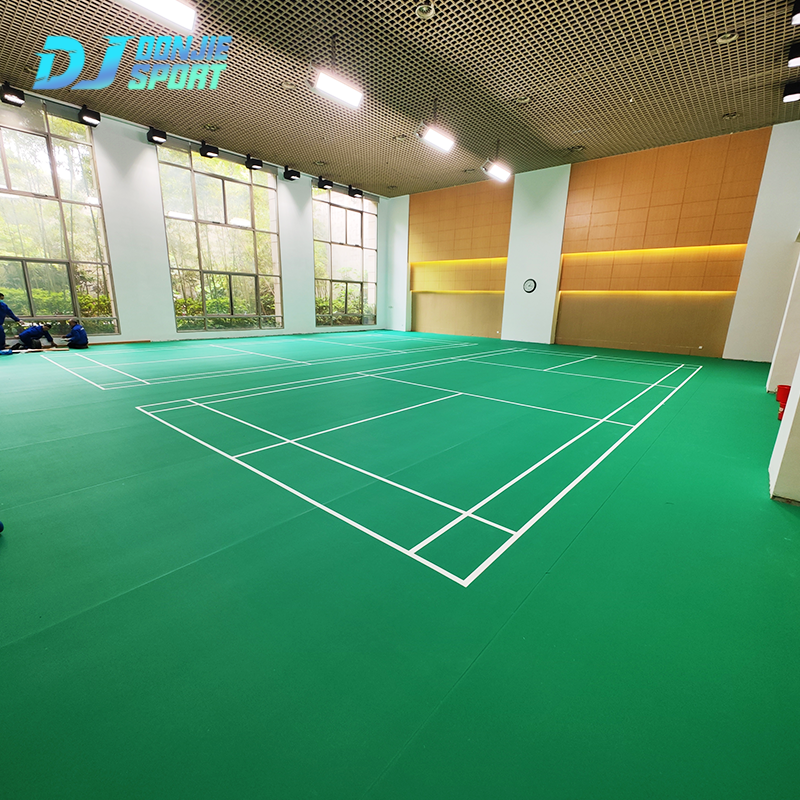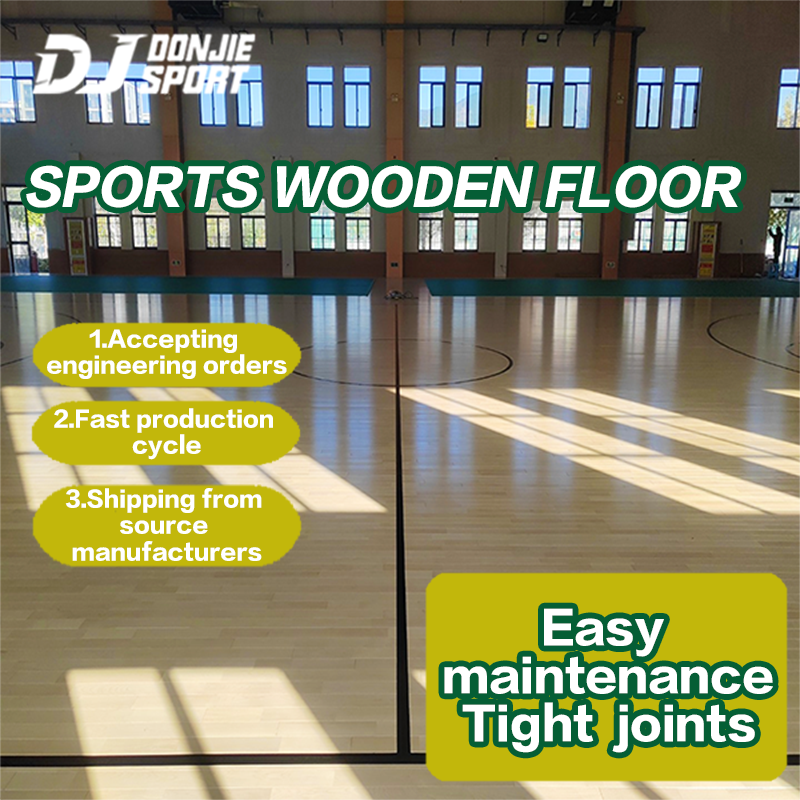
When it comes to creating a dance studio or space, the flooring plays a pivotal role in the success of your studio, impacting both the performance of dancers and the longevity of your investment. Choosing the right dance floor involves more than just picking a surface that looks good — it’s about selecting materials that enhance the movement, comfort, and safety of dancers. In this guide, we’ll dive into the best materials for dance floors, the process of installing them, and the crucial steps to ensure their long-lasting care. Whether you’re setting up a professional studio or simply outfitting a home dance space, understanding the nuances of dance floor materials and maintenance is key to optimizing both function and aesthetic.

Section 1: Choosing the Right Dance Floor Material
The first and most important decision when creating the perfect dance floor is selecting the material. Your choice of floor affects the dancer’s performance, comfort, and even safety. Here’s a breakdown of some of the most popular dance floor materials, their benefits, and how they fit different types of dance.
Hardwood Floors: Timeless and Classic
Hardwood floors are a classic choice for dance studios, and they have been the preferred surface for dancers for generations. Known for their aesthetic appeal and durability, hardwood floors create an ideal surface for ballet, contemporary dance, and ballroom.
Pros:
-
Elegance: Hardwood floors offer a timeless and sophisticated look that works well in both professional and home studios.
-
Durability: A well-maintained hardwood floor can last decades without significant wear.
-
Bounce: Provides a natural level of bounce, which is perfect for ballet and other dance styles that require smooth, controlled movements.
Cons:
-
Cost: Hardwood floors tend to be one of the most expensive options, especially if they are made from high-quality wood.
-
Maintenance: They require regular sanding and refinishing to maintain their smooth surface, which can add to long-term costs.
Best for: Ballet, contemporary, and ballroom.
Vinyl Floors: Durable and Versatile
Vinyl is one of the most versatile materials for dance floors, offering a smooth, non-slip surface that is highly resistant to wear and tear. It’s particularly useful in commercial settings, where high foot traffic and different styles of dance are common.
Pros:
-
Durability: Vinyl floors are highly durable and resistant to scuffing, scratching, and staining.
-
Affordable: Compared to hardwood or Marley, vinyl floors are more budget-friendly.
-
Ease of Maintenance: Vinyl floors are easy to clean, requiring only regular sweeping and occasional mopping.
Cons:
-
Less “Bounce”: Unlike hardwood, vinyl doesn’t provide the same amount of natural “give,” which may make it less ideal for certain types of dance like ballet.
-
Aesthetic Appeal: While functional, vinyl floors may lack the aesthetic warmth and elegance that hardwood offers.
Best for: Hip-hop, jazz, modern dance, and fitness classes.
Marley Flooring: Professional Standard for Ballet and More
Marley flooring is the standard for professional dance studios, particularly those that focus on ballet, modern dance, and performance art. This type of flooring is made from a durable, slip-resistant material that provides excellent support while allowing dancers to perform intricate movements with ease.
Pros:
-
Grip and Slide: Marley floors offer the perfect balance between grip and slide, making them ideal for ballet and contemporary dance.
-
Uniform Surface: The smooth, level surface reduces the risk of injury and provides even traction for the dancer.
Cons:
-
Expensive: Marley floors can be more costly, especially when considering the installation and maintenance required.
-
Sensitivity to Temperature: Marley flooring can be sensitive to temperature changes, which may cause it to warp if exposed to extreme heat or cold for extended periods.
Best for: Ballet, modern, contemporary, and performance-based dance.
Foam and Cushioned Floors: Comfort and Safety First
Foam floors are a great choice for beginner studios, fitness centers, and places where safety is a top priority. They offer excellent cushioning, which helps protect dancers from injuries and provides a softer landing during jumps or falls.
Pros:
-
Shock Absorption: Foam flooring provides a high level of shock absorption, reducing the impact on joints and minimizing injury risks.
-
Comfortable: Soft underfoot, foam floors are great for practicing new movements or for classes that focus on body conditioning.
Cons:
-
Not Ideal for All Dance Styles: The soft surface isn’t suitable for styles that require a firmer, more responsive floor, like ballet or tap.
-
Durability: Foam floors can wear down over time, especially in high-traffic areas, and may require replacement more frequently than other types of flooring.
Best for: Fitness classes, children’s dance classes, and studios where safety and comfort are the primary concerns.
Section 2: Dance Floor Installation: Key Steps for a Perfect Fit
After selecting the right material, the next step is ensuring proper installation. A well-installed floor will last longer, perform better, and ensure safety for dancers.
Preparing the Space: Floor Measurements and Room Layout
Before installation, it’s essential to take accurate measurements of the space. Consider not only the size of the dance area but also the type of dance that will be performed in the room. A well-planned layout can maximize the use of space and create a better overall dancing experience.
-
Measure the Area: Start by measuring the length and width of the room to determine how much material you will need.
-
Consider Layout: Think about how the floor will be positioned. For example, a diagonal layout may work well for certain dance styles, while a grid layout might be best for contemporary or jazz.
-
Account for Space Around the Floor: Leave some space between the walls and the dance floor for expansion, as flooring materials like vinyl and hardwood can expand and contract.
Subflooring Considerations: Essential for Longevity
A solid subfloor is key to ensuring the longevity of your dance floor. It provides a smooth and stable base that supports the weight of the dancers and helps prevent uneven wear. For certain floor types like vinyl or hardwood, subflooring may be more critical than others.
-
Wood Subfloors: Ideal for hardwood and vinyl floors. Wood subfloors should be smooth, dry, and level.
-
Concrete Subfloors: Common for Marley and foam floors. Ensure the concrete is clean and free of debris before installation.
DIY vs Professional Installation
While it may be tempting to install your dance floor yourself, professional installation is often the best choice, especially for complex flooring systems like Marley or hardwood. Professional installers have the tools, knowledge, and experience to get the job done right.
-
DIY Installation: If you’re confident in your skills, vinyl flooring or foam tiles are typically easy to install on your own.
-
Hiring Professionals: For hardwood, Marley, or high-end vinyl, a professional installation team will ensure that the floor is installed with precision and care.
Installation Tips for Different Floor Types
-
Hardwood Floors: If installing hardwood, ensure the subfloor is level and properly prepared to prevent squeaks and warping.
-
Vinyl Floors: Vinyl sheets should be cut and laid carefully to ensure no air bubbles or wrinkles are present.
-
Marley Flooring: Proper adhesion and tension are crucial for Marley floors. Ensure the surface is clean and dry before applying the adhesive.
Section 3: Maintaining and Caring for Your Dance Floor
A well-maintained floor can last for years, but regular care is necessary to keep it looking and performing at its best.
Cleaning Dance Floors: Best Practices for Different Materials
Each type of floor requires its own cleaning methods to prevent damage and keep the surface in top condition.
-
Hardwood Floors: Sweep or vacuum regularly to remove dirt and dust. Clean with a damp cloth and use a hardwood floor cleaner to maintain shine.
-
Vinyl Floors: Sweep daily to prevent dirt buildup. Use a vinyl-safe cleaner and a mop to remove stains.
-
Marley Floors: Wipe down regularly with a damp cloth and avoid harsh chemicals that could damage the surface.
-
Foam Floors: Vacuum and wipe with a damp cloth, but avoid using water excessively, as it can degrade foam material over time.
Preventing Wear and Tear: Protecting Your Investment
Investing in the best dance floor material is only part of the equation; proper care ensures that it will last. Here are some tips for preventing damage:
-
Use Floor Covers: During rehearsals or performances, use protective covers to prevent scuff marks or wear.
-
Protect from Heavy Objects: Avoid dragging heavy equipment across the floor, as this can cause scratches or dents.
-
Use Appropriate Dance Shoes: Wearing the correct footwear can greatly reduce floor damage. Ensure that dancers wear shoes suitable for their style of dance.
Routine Inspections and Replacements
No matter how careful you are, wear and tear is inevitable. Regular inspections will help you catch issues early and decide when it’s time for repairs or replacement.
-
Hardwood Floors: Check for cracks or warping. If the finish starts to wear down, schedule sanding and refinishing.
-
Vinyl and Marley Floors: Watch for curling edges or tears that could lead to further damage.
-
Foam Floors: If the foam begins to lose its shape or cushioning, it’s time to replace the damaged sections.
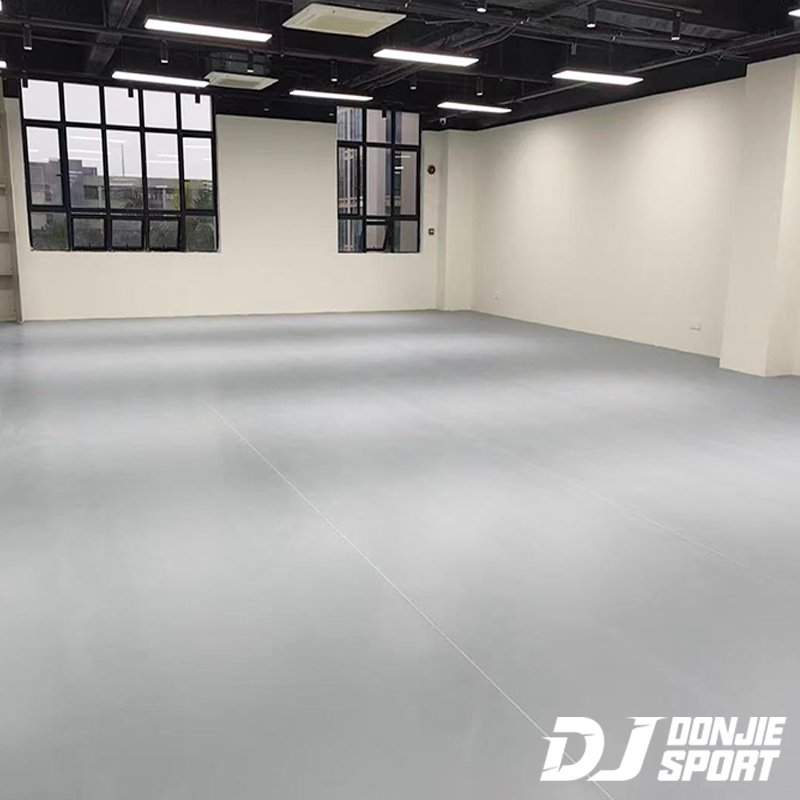
Section 4: Why a Proper Dance Floor Matters for Performance and Safety
The floor beneath a dancer’s feet is not just a surface — it plays a critical role in their performance and safety. A proper dance floor allows dancers to move freely, without worrying about injury or slipping. Here’s how the right floor affects performance:
The Role of Dance Floors in Injury Prevention
A high-quality dance floor can reduce the risk of injuries by offering the proper amount of cushioning and support. Floors that are too hard or too soft can lead to joint pain, stress fractures, and other injuries. By selecting the right floor for your studio’s needs, you create a safe environment for dancers to perform at their best.
Creating a Professional Environment with the Right Flooring
The quality of your dance floor sets the tone for the entire studio. A professional-grade floor enhances the studio’s reputation, improves the overall dancing experience, and attracts more students and performers. Additionally, it supports the dancers in reaching their full potential without worrying about poor surface conditions.
Conclusion
In conclusion, building the perfect dance floor involves much more than simply choosing a material — it’s about selecting the right floor for your needs, ensuring proper installation, and committing to regular maintenance. By investing in high-quality materials like hardwood, vinyl, Marley, or foam, and following the best practices for installation and care, you can create an environment that not only enhances performance but also keeps dancers safe for years to come. The right dance floor is a long-term investment in the success of your studio, your dancers, and the art of dance itself.