When designing or refurbishing a sports hall, selecting the right flooring is one of the most critical decisions. The type of flooring used can significantly impact the performance of athletes, the overall aesthetics of the facility, and long-term maintenance costs. Sports hall flooring needs to withstand constant foot traffic, high-intensity movements, and various types of sports activities. But with so many options available, how do you choose between synthetic and natural materials? This article explores the differences between synthetic and natural flooring materials, helping you make an informed decision for your sports facility.
Understanding Synthetic Sports Hall Flooring
Characteristics of Synthetic Flooring Materials
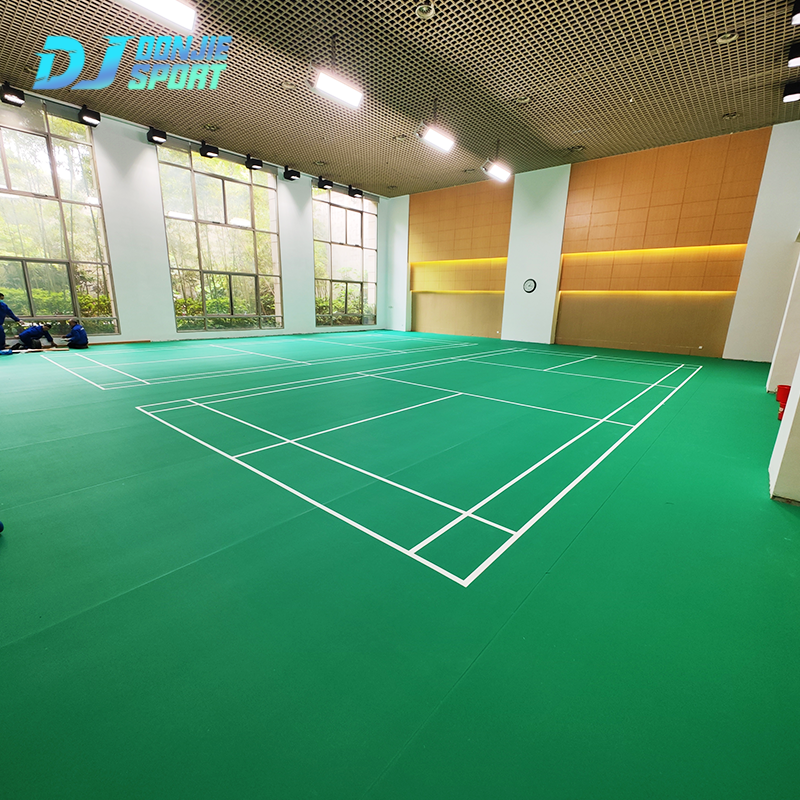
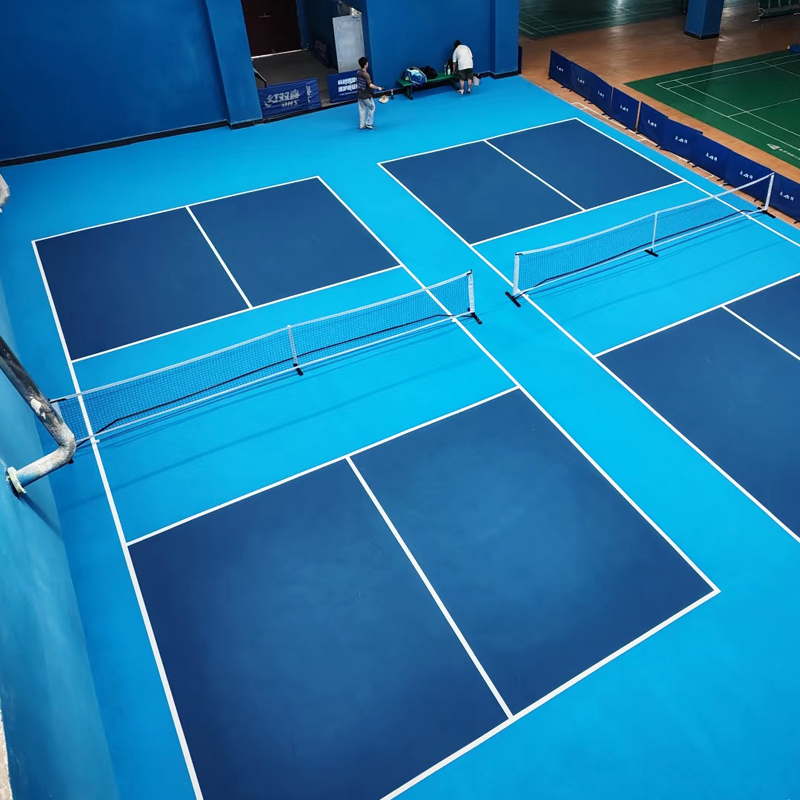
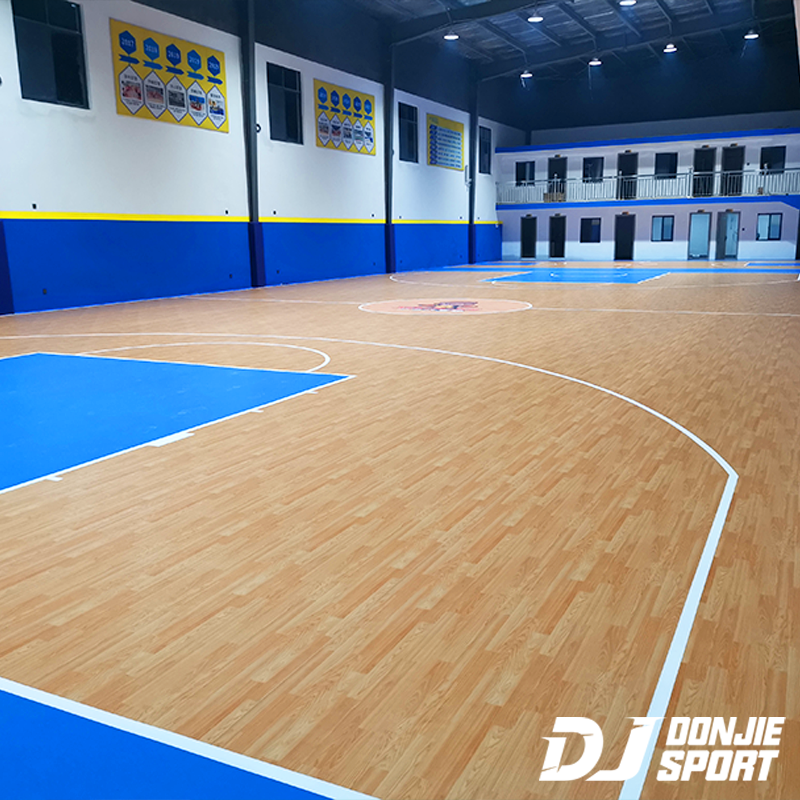
Synthetic sports hall flooring, often made from materials such as PVC, rubber, or polyurethane, is designed for high durability and easy maintenance. These materials are engineered to provide consistent performance across a variety of sports, making them a popular choice for indoor sports venues.
Types of Synthetic Flooring Used in Sports Halls
-
PVC Flooring: Known for its excellent durability, PVC flooring is a popular choice for sports halls. It’s easy to clean, resistant to moisture, and offers a smooth, seamless surface ideal for sports like basketball, volleyball, and badminton.
-
Rubber Flooring: Offering superior shock absorption and durability, rubber flooring is ideal for high-impact sports and areas that require excellent traction.
-
Polyurethane Flooring: This is a premium option, offering high resilience and superior grip. It’s perfect for facilities that require top-tier performance for professional athletes.
Pros of Synthetic Materials for Sports Halls
-
Durability: Synthetic materials are typically more durable than natural alternatives. They can withstand heavy foot traffic, high-impact sports, and intense physical activity without losing their performance.
-
Low Maintenance: Synthetic floors require less maintenance compared to natural materials, which can be a significant advantage for busy sports venues.
-
Variety of Options: With a wide range of colors, textures, and finishes, synthetic materials allow sports facilities to customize the floor to match their brand or aesthetic vision.
-
Cost-Effectiveness: While synthetic flooring can sometimes have a higher initial cost, its long lifespan and low maintenance costs make it a cost-effective choice over time.
Exploring Natural Sports Hall Flooring Options
Types of Natural Flooring Materials
-
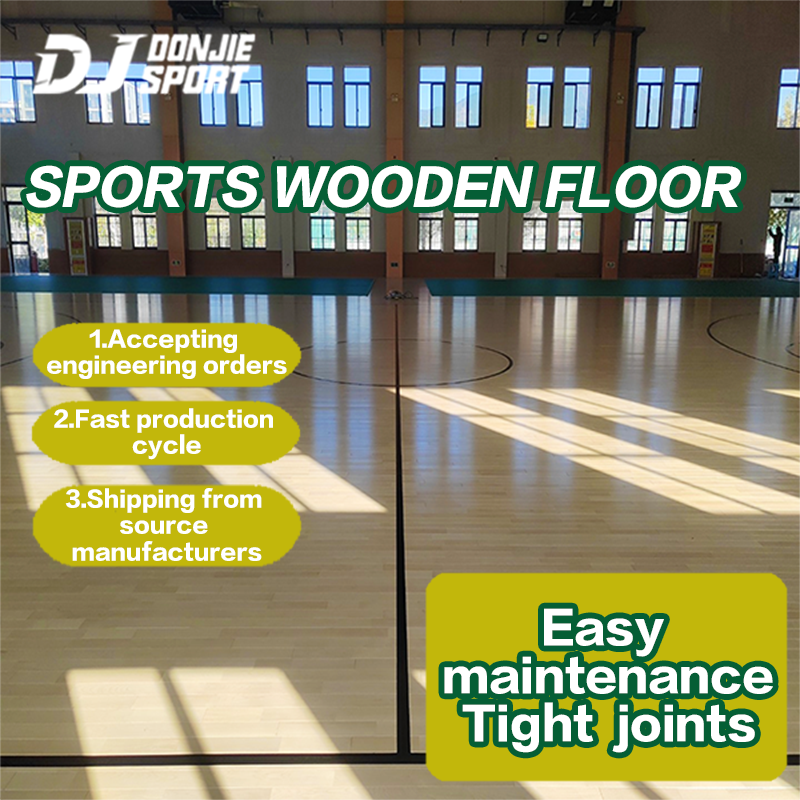
Wood Flooring: Wooden floors, such as maple or oak, are widely used in sports halls, particularly for basketball courts. Wood is known for its timeless appeal and high performance in terms of shock absorption and ball bounce.
-
Cork Flooring: Cork is another natural flooring option that provides a soft, cushioned surface. It’s an eco-friendly material that also has sound-absorbing properties, making it ideal for multi-purpose sports halls.
-
Bamboo Flooring: Bamboo is gaining popularity as a sustainable flooring choice due to its fast-growing nature and strength. It’s highly durable and resistant to scratches and dents, making it suitable for various indoor sports.
Benefits of Natural Materials for Sports Halls
-
Aesthetic Appeal: Natural materials like wood, cork, and bamboo provide a warm, inviting look that is often preferred in community centers, gyms, and multipurpose venues.
-
Sustainability: Many natural flooring options, especially bamboo and cork, are considered environmentally friendly due to their renewable nature. These materials contribute to sustainability in sports venue design.
-
Indoor Air Quality: Natural materials can improve indoor air quality by minimizing the use of chemicals, unlike some synthetic alternatives that may off-gas VOCs (volatile organic compounds).
Drawbacks of Natural Materials
-
Cost: The initial cost of natural flooring can be higher, particularly when using premium wood varieties or sustainable bamboo options.
-
Maintenance: Wood and cork require regular upkeep, such as refinishing and sealing, to maintain their appearance and performance. They are also more prone to damage from moisture, making them less suitable for high-humidity environments.
-
Vulnerability to Wear: Natural flooring is more susceptible to scratches, dents, and other forms of wear and tear compared to synthetic alternatives, especially in high-traffic areas.
Comparing Performance Characteristics of Synthetic and Natural Flooring
Shock Absorption and Comfort for Athletes
When it comes to sports performance, shock absorption is crucial to reduce the risk of injury. Synthetic floors like polyurethane offer superior shock absorption and even surface consistency. Natural materials like wood also offer excellent performance but may require additional layers of cushioning to meet the same shock absorption standards.
Slip Resistance and Safety Features
Safety is a top priority in any sports facility. Synthetic floors, especially rubber and PVC, are designed to provide excellent slip resistance, ensuring athletes can move freely and safely. Natural floors, while generally safe, may require additional treatments or finishes to maintain proper grip, especially in high-moisture environments.
Long-Term Durability and Wear Resistance
In terms of long-term performance, synthetic flooring typically outperforms natural materials in terms of durability. Synthetic options are less likely to be damaged by moisture, heavy equipment, or frequent use. Wood and other natural materials, while strong, require more frequent repairs and refinishing to maintain their integrity over time.
Environmental Impact and Sustainability
Comparing the Environmental Footprint of Synthetic vs. Natural Materials
Natural materials like wood, bamboo, and cork are renewable and biodegradable, making them environmentally friendly options. However, their production processes can have a higher carbon footprint depending on the material sourcing and manufacturing methods. For instance, hardwood floors may come from slow-growing trees, which can contribute to deforestation if not sustainably sourced.
On the other hand, synthetic materials such as PVC can have a higher environmental impact due to their production processes, which involve petrochemicals. However, newer synthetic flooring options, such as those made from recycled materials, are improving in terms of sustainability.
Recycling Potential
Synthetic materials, especially those made from PVC and rubber, can often be recycled, reducing their environmental impact after their lifecycle ends. Natural materials like wood and cork are biodegradable, but they may not always be recyclable or suitable for reusing as flooring material.
Cost Considerations: Synthetic vs. Natural Materials
Initial Cost vs Long-Term Maintenance Costs
The initial cost of synthetic flooring can vary, but it often comes at a lower price point compared to high-quality wood or cork flooring. However, when considering long-term maintenance costs, synthetic flooring typically offers better value as it requires less upkeep and is more resistant to wear and tear.
Natural materials tend to have higher initial costs, but they may provide an aesthetically pleasing and eco-friendly solution for those willing to invest in long-term upkeep.
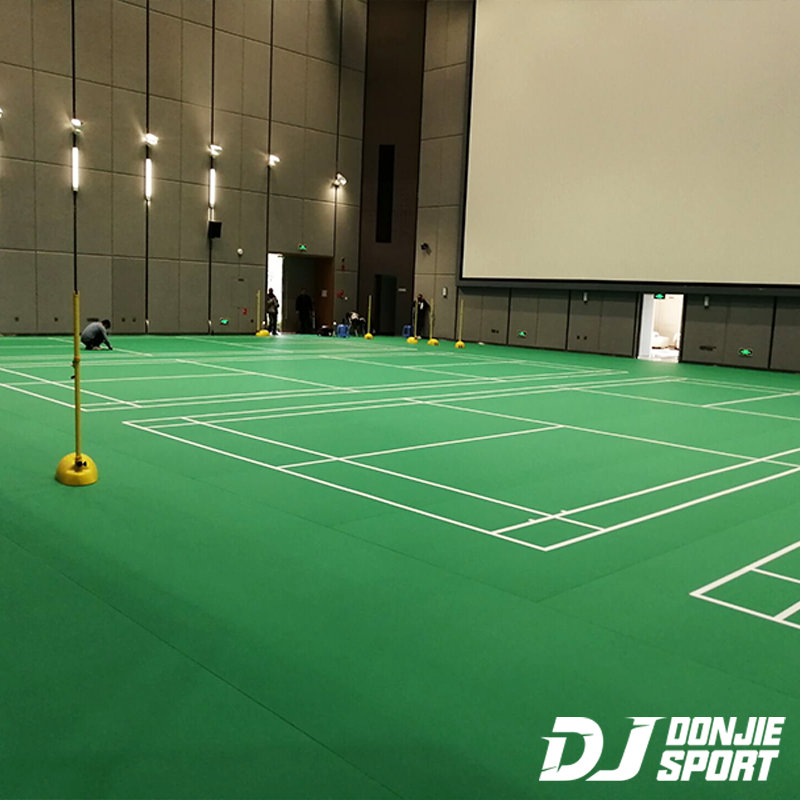
Choosing the Right Flooring Based on Facility Needs
When deciding between synthetic and natural sports hall flooring, it’s essential to consider several factors, including:
-
Type of Sports: High-impact sports like basketball or volleyball may benefit from the shock absorption of synthetic materials, while lower-impact activities might be well-suited to natural wood floors.
-
Budget: For facilities looking to minimize upfront costs and ongoing maintenance, synthetic flooring might be the best choice. For those focused on aesthetics and sustainability, natural materials like wood or bamboo may be preferred.
-
Aesthetic Preferences: The look and feel of the flooring can impact the overall ambiance of the facility. Wood flooring offers a traditional and warm aesthetic, while synthetic options come in various finishes and colors.
Conclusion
In conclusion, both synthetic and natural materials offer unique benefits when it comes to sports hall flooring. Synthetic materials excel in durability, low maintenance, and cost-effectiveness, making them ideal for high-traffic sports facilities. Meanwhile, natural materials offer an aesthetic appeal and sustainability that many sports halls seek, but they require more maintenance and higher initial investment. Ultimately, the choice between synthetic and natural flooring should be based on the facility’s specific needs, budget, and long-term goals.