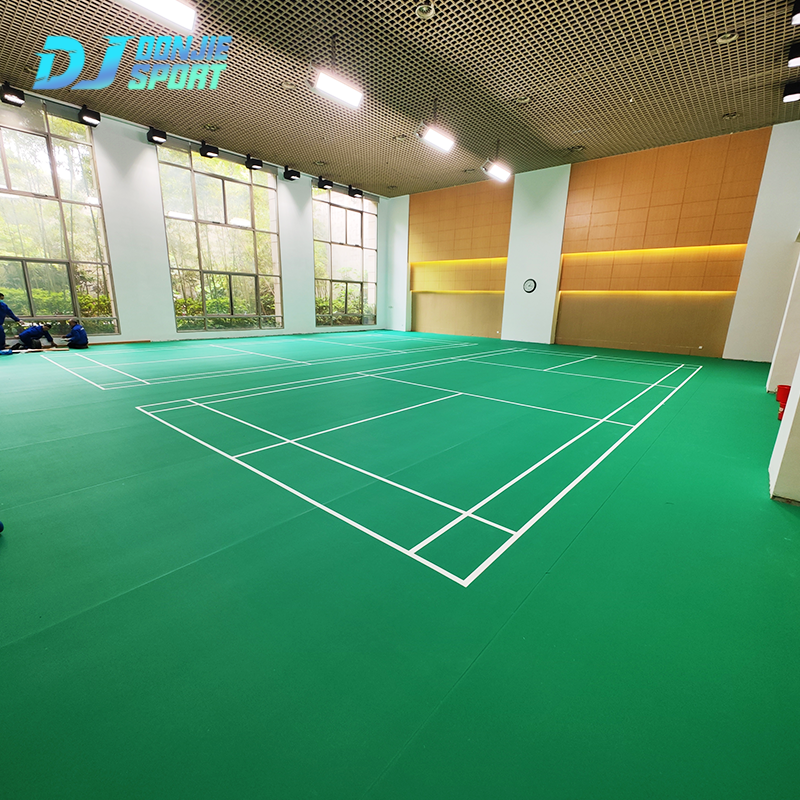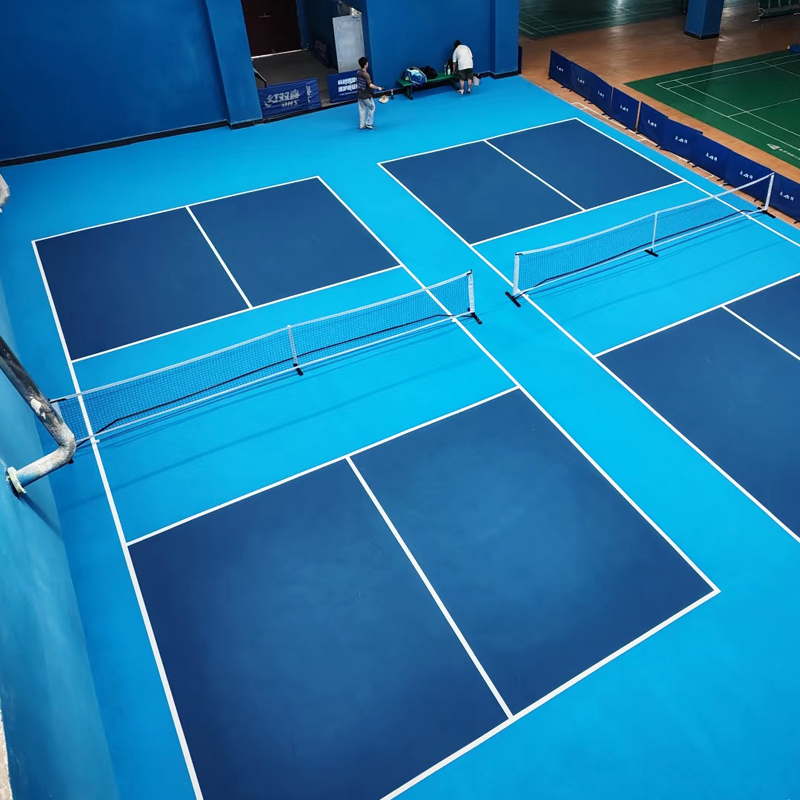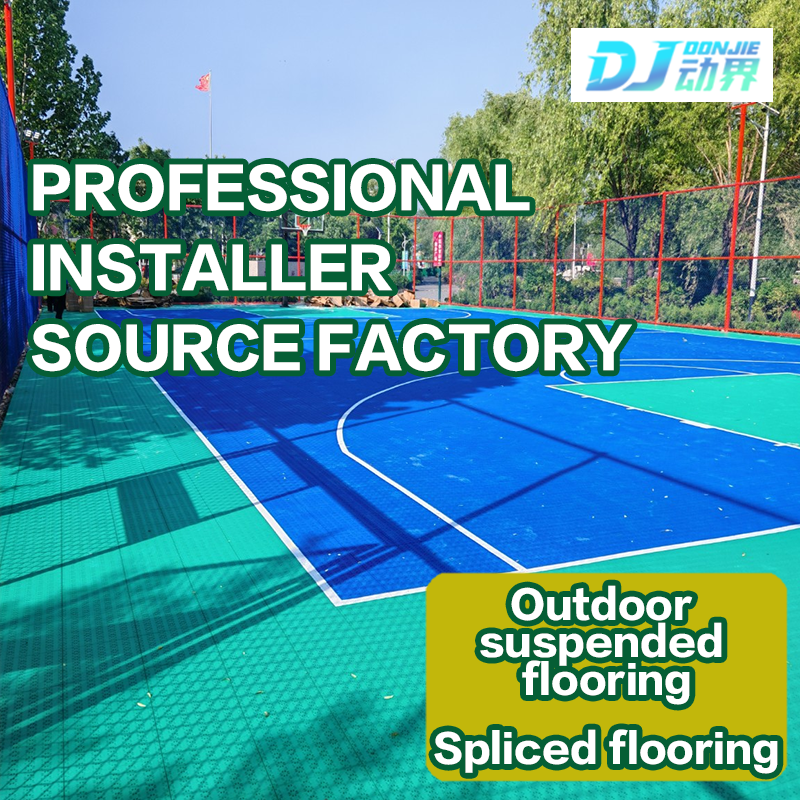
Outdoor badminton is growing in popularity across schools, sports clubs, and recreational facilities. However, outdoor environments present unique challenges that demand careful material selection. Choosing the right Badminton Court Mat for outdoor play directly impacts player safety, performance consistency, and long-term maintenance costs. Unlike indoor courts, outdoor courts are exposed to changing weather, moisture, and temperature variations, making material performance a critical consideration.
Understanding Outdoor Badminton Court Conditions
Outdoor badminton courts face constant exposure to sun, rain, wind, and dust. A Badminton Court Mat designed for outdoor play must withstand these elements without losing grip, elasticity, or structural integrity. Indoor mats often lack the protective layers needed for external use, which can lead to rapid wear and safety issues.
Another key difference lies in surface behavior. Outdoor courts require enhanced traction and efficient water management to ensure uninterrupted play even in less-than-ideal conditions.

Essential Features of a High-Performance Outdoor Badminton Court Mat
A high-quality Badminton Court Mat for outdoor use must prioritize durability and safety. Weather-resistant materials help prevent cracking, warping, and surface degradation. Anti-slip textures are essential for reducing fall risks during wet or humid conditions, ensuring consistent player movement.
Shock absorption is equally important. Outdoor Badminton Court Mats with proper cushioning reduce joint stress and fatigue, supporting longer training sessions and competitive matches. UV resistance also plays a vital role, preserving surface color and preventing material brittleness caused by prolonged sun exposure.
Best Materials Used in Outdoor Badminton Court Mats
PVC remains one of the most widely used materials for outdoor Badminton Court Mat systems due to its balance of durability, flexibility, and affordability. High-quality PVC mats are engineered with multi-layer structures that improve grip and impact resistance.
Rubber-based Badminton Court Mats offer excellent slip resistance and shock absorption, making them suitable for multi-purpose outdoor sports areas. However, they may require more maintenance in high-temperature environments.
Acrylic and hybrid surface systems are often applied as coatings rather than roll mats. While they offer excellent weather resistance, they typically lack the cushioning benefits of traditional Badminton Court Mat solutions.
Performance Factors to Consider When Choosing a Badminton Court Mat
Traction is a defining performance factor for outdoor Badminton Court Mat selection. The surface must maintain grip even when moisture is present. Ball bounce consistency is another critical aspect, ensuring fair and predictable gameplay.
Drainage capability is often overlooked but essential. Outdoor Badminton Court Mats with proper drainage layers help prevent water accumulation, reducing downtime after rain and extending the surface lifespan.
Installation Considerations for Outdoor Badminton Court Mats
Outdoor Badminton Court Mat installation can be either temporary or permanent depending on usage needs. Roll-out mats are ideal for flexible or seasonal setups, while modular tiles provide stability for high-traffic courts.
Proper subfloor preparation is essential for preventing uneven surfaces and premature damage. A stable concrete or asphalt base ensures the Badminton Court Mat performs as intended over time.
Maintenance Tips for Outdoor Badminton Court Mats
Regular cleaning removes dust, debris, and organic matter that can degrade surface performance. Using non-abrasive cleaning methods helps preserve the texture and elasticity of the Badminton Court Mat.
Preventive maintenance such as periodic inspections and seasonal care protects against mold growth, fading, and surface cracking. These practices significantly extend the usable life of outdoor Badminton Court Mats.
Cost Analysis: Outdoor Badminton Court Mat Investment
The cost of an outdoor Badminton Court Mat depends on material quality, thickness, surface treatment, and installation method. While lower-cost options may seem attractive initially, they often lead to higher maintenance expenses and shorter replacement cycles.
Investing in a premium Badminton Court Mat delivers long-term value through improved safety, reduced downtime, and consistent performance.
Common Mistakes to Avoid When Buying an Outdoor Badminton Court Mat
One of the most common mistakes is using indoor-only Badminton Court Mat products outdoors. These materials are not designed to handle environmental exposure and degrade quickly.
Ignoring climate-specific needs, such as UV resistance or moisture control, can also result in poor performance. Additionally, failing to verify safety standards and certifications may compromise player protection.
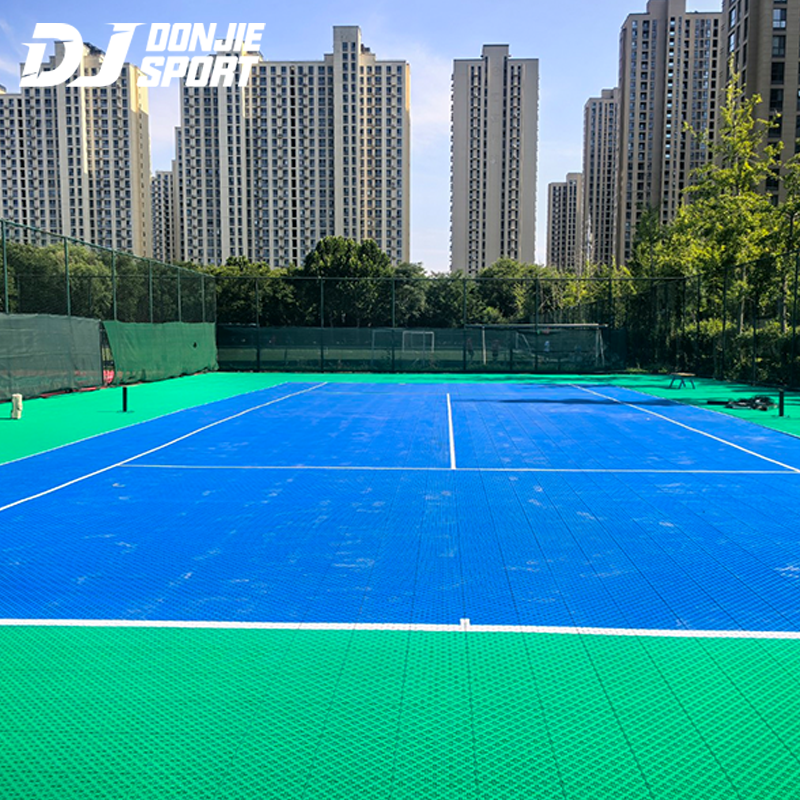
How to Choose the Best Badminton Court Mat for Your Outdoor Facility
Schools and clubs should prioritize durable, low-maintenance Badminton Court Mat solutions that support frequent use. Residential outdoor courts benefit from easy-install mats with reliable grip and weather resistance.
Professional training centers require advanced Badminton Court Mat systems that meet competition standards while withstanding heavy usage and outdoor conditions.
Making the Right Outdoor Badminton Court Mat Decision
Selecting the right Badminton Court Mat for outdoor play requires a clear understanding of environmental challenges, material performance, and long-term value. By focusing on durability, safety, and maintenance efficiency, facility owners can create outdoor badminton courts that deliver consistent performance and player satisfaction for years to come.