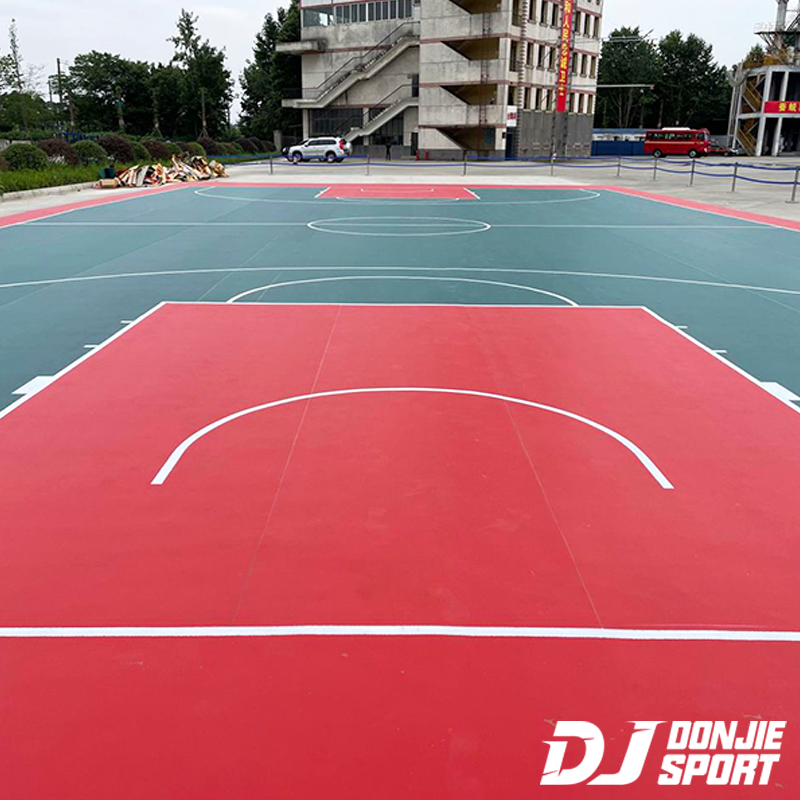
When designing or renovating an outdoor basketball court, one of the most critical decisions is choosing the flooring. The right flooring not only affects the game’s performance but also determines how long the court will last and how much maintenance it will require. In the case of outdoor basketball courts, the flooring needs to withstand the elements while providing a consistent playing experience for athletes.
Outdoor basketball courts are exposed to various weather conditions, from scorching sun to heavy rain, so the material chosen must be durable and resilient. Additionally, selecting the right flooring can enhance safety, improve ball bounce, and offer an aesthetically pleasing court that draws attention.
In this article, we will explore two of the most popular flooring options for outdoor basketball courts: wood and synthetic. Both materials offer distinct advantages and limitations, making it essential to weigh these factors carefully before making a decision. Let’s dive into the key aspects that will help you choose the best basketball flooring for your outdoor court.
Factors to Consider When Choosing Basketball Flooring
Choosing the right basketball flooring for your outdoor court requires a thorough evaluation of several factors that influence both the durability and functionality of the surface. These considerations will ensure that your court is not only aesthetically pleasing but also offers a high-quality playing experience.
Climate Conditions: How Weather Affects Flooring Materials
One of the most important aspects of outdoor court flooring is how it reacts to the weather. Different climates can significantly impact the longevity of both wood and synthetic materials.
-
Wood Flooring: Wood, while ideal for indoor settings, can be highly susceptible to moisture and temperature fluctuations. Rain, humidity, and extreme temperatures can cause warping, swelling, or cracking. In areas with high humidity or frequent rain, wood may not be the best option for an outdoor court.
-
Synthetic Flooring: Synthetic materials, such as rubber or vinyl, are designed to withstand outdoor conditions. They are highly resistant to moisture, UV rays, and temperature changes, making them a more suitable choice for regions with fluctuating climates.
Budget: Initial Cost vs Long-Term Maintenance
Cost is another crucial factor. While wood may provide a premium aesthetic and feel, it comes with a higher initial cost and expensive maintenance. Synthetic options, on the other hand, typically have lower upfront costs and require less maintenance, making them a more budget-friendly choice.
-
Wood Flooring: Installation of a wood court requires professional work to ensure proper surface leveling and sealing. Additionally, ongoing maintenance—such as refinishing and re-sealing—adds to long-term costs.
-
Synthetic Flooring: Synthetic surfaces generally cost less to install and maintain. They require minimal upkeep and are resistant to fading, cracking, or chipping, making them more economical in the long run.
Usage Frequency: High-Traffic Areas vs Occasional Use
The frequency with which the court will be used plays a role in determining which material is the best investment. A highly trafficked outdoor court may require more durable and low-maintenance flooring, while a court with occasional use might be able to handle the more demanding upkeep of wood.
-
Wood Flooring: Best for courts that see less frequent use or are maintained regularly. Over time, wood may become damaged by high-traffic use, which can lead to costly repairs.
-
Synthetic Flooring: Ideal for courts with frequent use. Synthetic flooring can handle the wear and tear of daily games without showing signs of damage, making it a better choice for high-traffic areas.
Aesthetic Appeal: How the Flooring Contributes to the Overall Look of the Court
Both wood and synthetic flooring can enhance the look of an outdoor basketball court, but they offer different aesthetics. Wood has a classic, professional appearance that’s often preferred in elite or professional settings. Synthetic materials, while not as visually traditional as wood, come in a variety of vibrant colors and designs, allowing for creative customization.
-
Wood Flooring: Offers a timeless, elegant appearance. It’s often used for professional courts or those intended for serious, competitive play.
-
Synthetic Flooring: Offers flexibility in design with more vibrant color options. It can be customized with logos, court markings, and various textures to suit personal preferences.
Safety: Non-Slip Properties and Injury Prevention
Ensuring the safety of players is paramount when selecting basketball flooring. Both wood and synthetic options can offer varying levels of traction, but there are notable differences in how they perform in terms of slip resistance.
-
Wood Flooring: Provides excellent traction when maintained correctly. However, wood can become slippery if not sealed properly or if it’s exposed to moisture. Wood surfaces can also become hazardous in wet conditions.
-
Synthetic Flooring: Synthetic floors generally offer better grip and are less likely to become slippery when wet. Many synthetic surfaces are designed with textured finishes to enhance player safety and minimize the risk of slipping during play.
Wood Flooring for Outdoor Basketball Courts
Advantages of Wood Flooring
Wood is the traditional choice for basketball courts and is highly regarded for its professional appearance and performance.
-
Classic Look and Feel: Wood flooring offers a familiar, classic surface used in professional indoor courts. Players enjoy the bounce and smoothness of the wood, which contributes to an authentic playing experience.
-
Durability in Controlled Environments: Wood can last for decades in ideal conditions—indoors or in areas with mild climates.
Disadvantages of Wood Flooring for Outdoor Use
While wood has a lot to offer, it doesn’t perform well under all outdoor conditions.
-
Weather Sensitivity: Wood is highly sensitive to moisture and extreme temperatures. Exposure to rain, snow, or high humidity can warp or crack the surface.
-
High Maintenance: Wood requires significant upkeep, including resealing, refinishing, and repairs due to weather exposure.
-
Expensive Installation and Repair: Installing a wood court is labor-intensive and costly, and repairs can be expensive due to the need for specialized care.
Ideal Conditions for Wood Flooring
Wood is best suited for climates with moderate temperatures and low humidity. It is also ideal for courts that are regularly maintained and protected from the elements.

Synthetic Flooring for Outdoor Basketball Courts
Advantages of Synthetic Flooring
Synthetic flooring offers several practical advantages for outdoor basketball courts.
-
Weather-Resistant: Synthetic flooring is durable and resistant to rain, snow, and extreme temperatures, making it ideal for all weather conditions.
-
Low Maintenance: Unlike wood, synthetic surfaces require little upkeep. They don’t need resealing or refinishing, and they maintain their appearance for longer periods with minimal care.
-
Affordable Installation: Synthetic flooring is less expensive to install compared to wood, making it a more budget-friendly option for many.
Disadvantages of Synthetic Flooring
Though synthetic surfaces offer many benefits, there are a few downsides.
-
Less Authentic Feel: Synthetic flooring doesn’t provide the same bounce and feel as wood, which may affect gameplay, especially for competitive players.
-
Wear Over Time: While durable, synthetic surfaces can show signs of wear after extensive use, especially if subjected to heavy traffic or extreme conditions.
Ideal Conditions for Synthetic Flooring
Synthetic flooring is perfect for areas with extreme weather or high humidity. It’s also an excellent choice for courts that see frequent use, as it can withstand regular games and activities.
Comparing Wood vs Synthetic Flooring
Durability: Which One Lasts Longer Under Different Weather Conditions?
Synthetic flooring outperforms wood in terms of durability for outdoor courts. Wood is vulnerable to environmental factors like moisture and temperature changes, while synthetic flooring is built to withstand these elements.
Cost-Effectiveness: Initial Investment vs Long-Term Maintenance
Synthetic flooring is generally the more cost-effective option. While the initial installation cost for wood may be higher, its maintenance and repair costs can add up over time. Synthetic flooring offers lower maintenance costs, making it a better long-term investment.
Performance: How Each Material Affects Gameplay
Wood provides a more authentic playing surface, offering superior bounce and smoothness. However, synthetic flooring offers consistent performance regardless of weather, making it ideal for outdoor play.
Aesthetic and Visual Appeal
Wood flooring offers a timeless, professional appearance, while synthetic flooring offers more color and design options, which can be tailored to fit personal tastes or branding needs.
Environmental Impact
Synthetic flooring is generally more eco-friendly due to its longer lifespan and lower maintenance needs, reducing the need for repairs or refinishing chemicals.
Making the Best Choice for Your Outdoor Court
Ultimately, the decision between wood and synthetic flooring comes down to your specific needs and preferences. Consider factors like climate, budget, usage frequency, and desired aesthetics when making your decision.
-
For moderate climates and occasional use: Wood may be the best option, provided it’s properly maintained.
-
For frequent use or areas with extreme weather: Synthetic flooring is the more durable, cost-effective choice.
Final Thoughts on the Best Basketball Flooring
Choosing the best basketball flooring for your outdoor court requires balancing aesthetics, performance, cost, and durability. While wood offers a traditional, professional feel, synthetic flooring excels in weather resistance and low maintenance. Consider your location, budget, and intended use to make an informed decision that ensures the longevity and functionality of your court.