Dance flooring is one of the most critical investments a studio can make. The right dance flooring directly influences dancer safety, performance quality, and the overall longevity of the studio space. Unlike ordinary flooring, professional dance flooring is engineered to support repetitive movement, absorb shock, and provide controlled traction for a wide range of dance styles. Choosing the correct dance flooring ensures a safer training environment while enhancing artistic expression and studio professionalism.

Understanding Different Types of Dance Flooring Used in Professional Studios
Professional studios rely on specialized dance flooring systems designed to meet specific performance and safety standards. Understanding these options helps studio owners make informed decisions.
Vinyl Dance Flooring for Versatile Studio Applications
Vinyl dance flooring is one of the most popular solutions due to its durability, consistent surface, and adaptability. This type of dance flooring offers balanced traction, making it suitable for ballet, jazz, contemporary, and fitness-based dance classes. Vinyl dance flooring is also easy to clean and maintain, making it ideal for high-traffic studios.
Marley Dance Flooring for Classical and Contemporary Styles
Marley dance flooring is a specialized vinyl-based surface designed for controlled slip and smooth movement. Widely used in ballet and contemporary dance, Marley dance flooring provides predictable traction and minimizes surface inconsistencies that can affect technique. Its matte finish reduces glare and enhances studio lighting conditions.
Sprung Dance Flooring Systems for Shock Absorption and Injury Prevention
Sprung dance flooring systems incorporate an underlying structure that absorbs impact and reduces stress on joints. This type of dance flooring is essential for studios focused on injury prevention and long-term dancer health. Sprung dance flooring is especially beneficial for styles involving jumps, landings, and repetitive footwork.
Modular Dance Flooring Solutions for Flexible Studio Spaces
Modular dance flooring systems allow studios to reconfigure their spaces easily. These interlocking panels provide consistent performance while offering portability and quick installation. Modular dance flooring is ideal for multipurpose studios and temporary dance environments.
Key Performance Factors to Consider When Choosing Dance Flooring
Selecting the right dance flooring requires careful evaluation of performance characteristics that affect daily training.
Slip Resistance and Traction Levels in Dance Flooring
Dance flooring must provide controlled traction that prevents slipping without restricting movement. High-quality dance flooring maintains consistent grip across the surface, allowing dancers to execute turns, slides, and transitions safely.
Shock Absorption and Subfloor Interaction in Dance Flooring Systems
The interaction between dance flooring and the subfloor plays a significant role in comfort and injury prevention. Properly designed dance flooring distributes impact forces evenly, reducing fatigue and strain during long rehearsals.
Surface Consistency and Its Impact on Dance Technique
Uneven or inconsistent dance flooring can negatively affect balance and alignment. Professional dance flooring ensures uniform texture and performance across the entire studio, supporting precise technique development.
How Dance Flooring Supports Dancer Safety and Injury Reduction
Safety is a top priority in any dance environment, and dance flooring plays a foundational role.
Reducing Joint Stress Through Proper Dance Flooring Construction
Dance flooring with appropriate cushioning minimizes the impact on ankles, knees, and hips. Over time, this reduction in stress helps prevent chronic injuries and supports dancer longevity.
Preventing Slips and Falls with High-Quality Dance Flooring Materials
Inferior surfaces can become slippery or overly abrasive. Professionally engineered dance flooring maintains stable traction, reducing the risk of falls and sudden injuries during complex movements.
Supporting Long-Term Physical Health with Studio-Grade Dance Flooring
Consistent use of high-quality dance flooring contributes to better posture, improved balance, and reduced muscle fatigue. This long-term support is essential for dancers training at advanced levels.
Matching Dance Flooring to Different Dance Styles and Studio Needs
Different dance disciplines place unique demands on dance flooring surfaces.
Ballet-Specific Dance Flooring Requirements
Ballet dancers require dance flooring that supports controlled turns and precise footwork. Marley dance flooring paired with a sprung system is often the preferred solution for ballet-focused studios.
Hip-Hop and Street Dance Flooring Performance Needs
Hip-hop and street dance styles demand durable dance flooring that can withstand high-impact movements and dynamic footwork. Vinyl dance flooring with enhanced wear resistance is well-suited for these styles.
Contemporary, Jazz, and Modern Dance Flooring Considerations
These styles benefit from dance flooring that balances traction and freedom of movement. A versatile dance flooring surface allows seamless transitions between grounded and elevated choreography.
Multi-Style Studios and the Importance of Versatile Dance Flooring
Studios offering multiple dance programs need adaptable dance flooring that performs consistently across styles. Multi-purpose dance flooring reduces the need for frequent surface changes and improves scheduling flexibility.
Durability and Maintenance Considerations for Dance Flooring
Long-term performance and maintenance costs should influence every dance flooring decision.
Wear Resistance and Lifespan of Professional Dance Flooring
High-quality dance flooring is designed to resist scuffs, dents, and surface degradation. Investing in durable dance flooring reduces replacement frequency and protects the studio budget.
Easy Cleaning and Daily Maintenance of Dance Flooring
Dance flooring should support simple cleaning routines without specialized equipment. Smooth, non-porous dance flooring surfaces prevent dirt buildup and maintain hygienic conditions.
Long-Term Cost Efficiency of Investing in Premium Dance Flooring
While premium dance flooring may have a higher initial cost, its extended lifespan and reduced maintenance expenses deliver superior long-term value.
Installation Options and Studio Preparation for Dance Flooring
Proper installation ensures that dance flooring performs as intended.
Permanent Dance Flooring Installation for Dedicated Studios
Permanent dance flooring installations provide maximum stability and performance. These systems are ideal for studios with fixed layouts and long-term training programs.
Portable and Roll-Out Dance Flooring for Flexible Use
Portable dance flooring solutions allow studios to adapt quickly to changing needs. Roll-out dance flooring is especially useful for temporary classes, workshops, and touring programs.
Subfloor Requirements and Environmental Conditions for Dance Flooring
The condition of the subfloor directly affects dance flooring performance. Moisture control, level surfaces, and proper insulation are essential for maintaining consistent dance flooring behavior.
Acoustic and Aesthetic Benefits of Modern Dance Flooring
Beyond performance, dance flooring enhances the overall studio environment.
Sound Control and Noise Reduction with Advanced Dance Flooring
Modern dance flooring systems help absorb sound, reducing noise transfer between studios. Improved acoustics create a more focused and professional training atmosphere.
Enhancing Studio Appearance Through Professional Dance Flooring Design
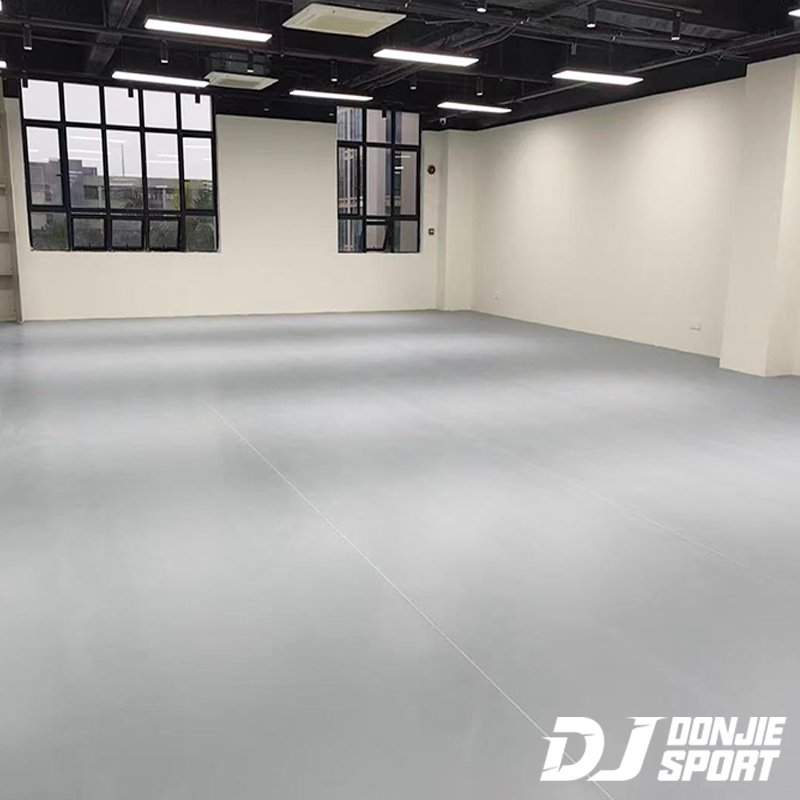
Clean lines, uniform texture, and customizable finishes allow dance flooring to elevate studio aesthetics. A visually appealing dance flooring surface reinforces brand identity and professionalism.
Sustainability and Eco-Friendly Innovations in Dance Flooring
Environmental responsibility is becoming increasingly important in studio design.
Low-Emission and Recyclable Dance Flooring Materials
Eco-friendly dance flooring options use low-emission materials that improve indoor air quality. Recyclable components also reduce environmental impact.
Sustainable Manufacturing Practices in Dance Flooring Production
Manufacturers are adopting sustainable processes to minimize waste and energy consumption, making modern dance flooring a responsible choice for forward-thinking studios.
Final Considerations When Selecting Dance Flooring for Your Studio
Choosing the right dance flooring requires balancing performance, safety, durability, and budget. By understanding the technical features and long-term benefits of professional dance flooring, studio owners can create an environment that supports both artistic growth and physical well-being.