Pickleball, a sport that’s grown exponentially in popularity, demands a playing surface that supports both the intensity of the game and the comfort of its players. Choosing the right flooring for pickleball courts is crucial for creating an environment that enhances player performance, ensures safety, and provides long-term value. With various flooring options available, from hardwood to synthetic materials, it’s important to evaluate factors such as durability, safety, and maintenance requirements. In this comprehensive guide, we’ll dive deep into what makes the best flooring for pickleball courts, offering insights on how to select the perfect surface for your needs.
Key Considerations When Selecting Flooring for Pickleball Courts
Choosing the right flooring for your pickleball court isn’t just about aesthetics; several factors must be weighed to make the best choice. Whether you’re outfitting a gym, a community center, or an outdoor facility, the flooring you choose will affect the players’ experience and the court’s longevity.
Durability and Longevity are essential for any flooring choice. A good pickleball court surface must withstand the rigors of intense play while maintaining its functionality over time. Some materials may have longer lifespans than others, making them better investments in the long run.
Safety and Comfort are paramount. A court surface should offer good traction, helping players avoid slips, while also providing cushioning to reduce the impact on joints during fast movements. Without proper shock absorption, players may be more susceptible to injury, which can undermine the safety of the game.
Finally, Maintenance plays a key role in the overall cost of ownership. Courts in high-traffic areas or outdoor environments may require frequent upkeep, so understanding how easy it is to clean and maintain the flooring is crucial.
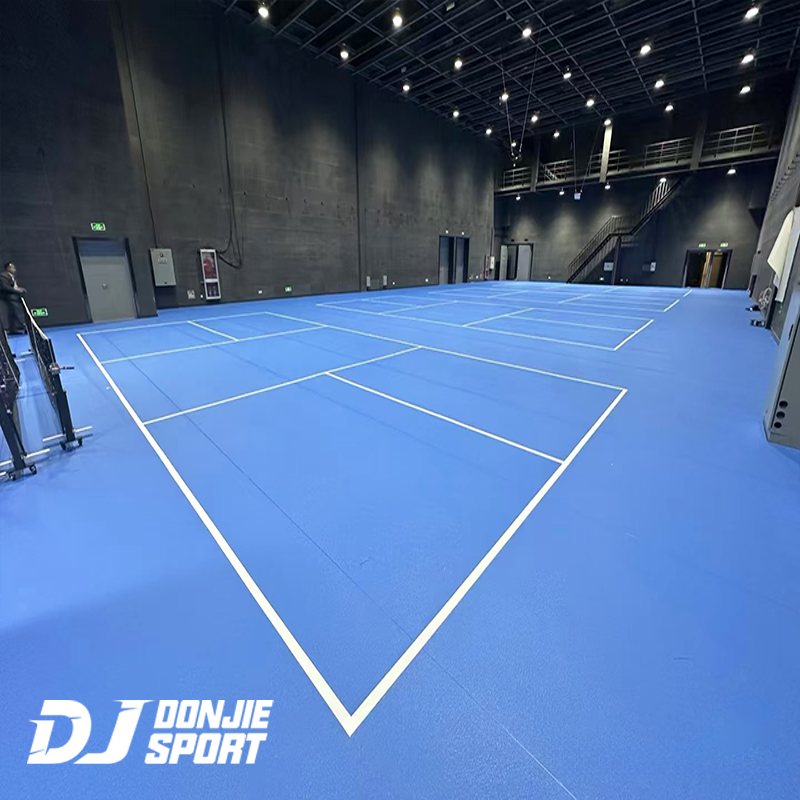
Key Considerations When Selecting Flooring for Pickleball Courts
Court Surface Durability
Durability is one of the most important factors when choosing flooring for pickleball courts. The court will experience a great deal of wear and tear from frequent games, and the flooring must withstand constant foot traffic, paddle impact, and even weather conditions (for outdoor courts). Some materials, such as hardwood and synthetic options, are known for their long-lasting performance, while others, like PVC and rubber, may require more frequent replacement or maintenance. When assessing durability, it’s essential to factor in the court’s anticipated usage—whether it will be used frequently by players of all levels or only occasionally for recreational games.
Safety and Player Comfort
Safety is a key aspect when selecting the best flooring for pickleball courts. Courts that offer sufficient grip reduce the risk of players slipping or falling during intense matches. Materials like rubber flooring are known for their non-slip properties, making them ideal for maintaining player safety.
Moreover, comfort plays a vital role in player performance and injury prevention. Court surfaces that offer shock absorption are highly desirable, as they reduce the strain on joints and muscles. Floors with higher cushioning, such as rubber or synthetic materials, offer better protection, especially for players who spend long hours on the court.
Indoor vs. Outdoor Flooring
Not all flooring materials are suitable for both indoor and outdoor pickleball courts. Indoor courts require a surface that offers smooth play and good traction without being too slippery, while outdoor courts need flooring that can withstand the elements, such as rain, UV rays, and temperature fluctuations.
For indoor courts, hardwood and synthetic flooring are often favored. Hardwood floors are ideal for their professional look and performance but may be susceptible to moisture damage if not properly maintained. Synthetic materials, on the other hand, offer more resistance to wear and tear and are easier to maintain.
For outdoor courts, you need durable flooring options that can handle the weather. PVC and rubber flooring perform well in outdoor environments, as they are designed to resist UV damage and moisture, while still offering comfort and traction.
Maintenance Requirements
The maintenance requirements of different flooring types vary significantly. Some flooring, like hardwood, requires regular polishing and refinishing to maintain its smoothness and appearance. Synthetic flooring options, such as those made from PVC or rubber, are easier to maintain, requiring only periodic cleaning and occasional repairs.
Consider the amount of time and money you’re willing to spend on maintaining the court over its lifetime. If you’re looking for something low-maintenance that will last for years, synthetic options may be more appealing, while hardwood requires more upkeep but offers a more traditional look and feel.
Popular Flooring Options for Pickleball Courts
There are several types of flooring that are commonly used for pickleball courts. Each has its own advantages and disadvantages, depending on the specific needs of the court.
Hardwood Flooring
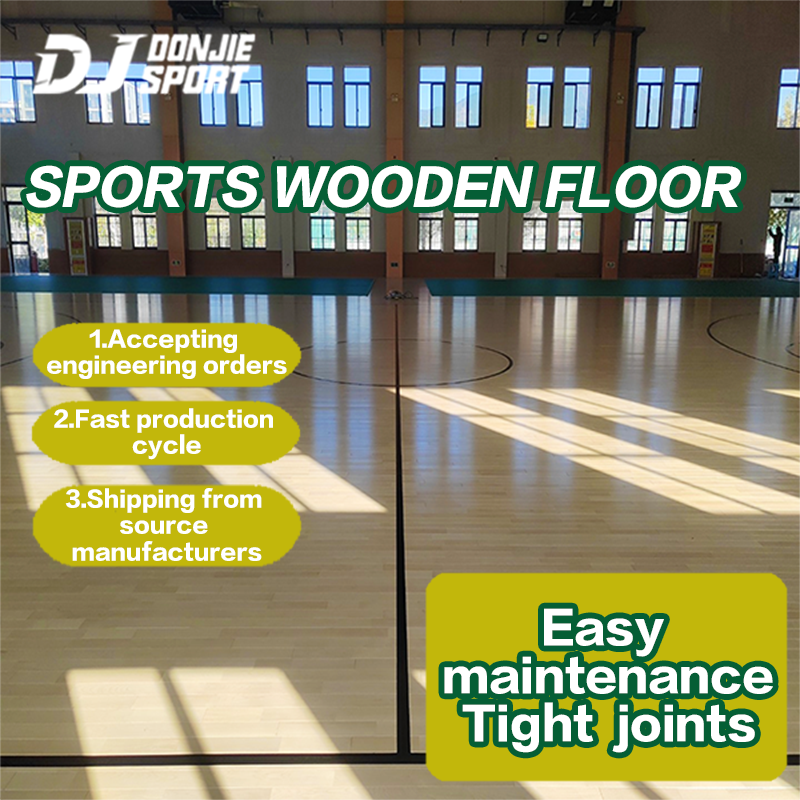
Hardwood flooring is often seen in professional or indoor settings due to its classic aesthetic and excellent playability. The smooth, even surface of hardwood flooring provides an ideal bounce for the ball, which is important for the fast-paced nature of pickleball. However, hardwood floors can be quite expensive to install and maintain, requiring regular refinishing to prevent wear from foot traffic. They are also susceptible to moisture damage, so they’re best suited for indoor courts with climate control.
Pros:
-
Professional appearance and performance
-
Ideal for indoor courts
-
Long lifespan if maintained properly
Cons:
-
High initial cost
-
Maintenance intensive, requires refinishing
-
Susceptible to moisture and temperature fluctuations
PVC Flooring
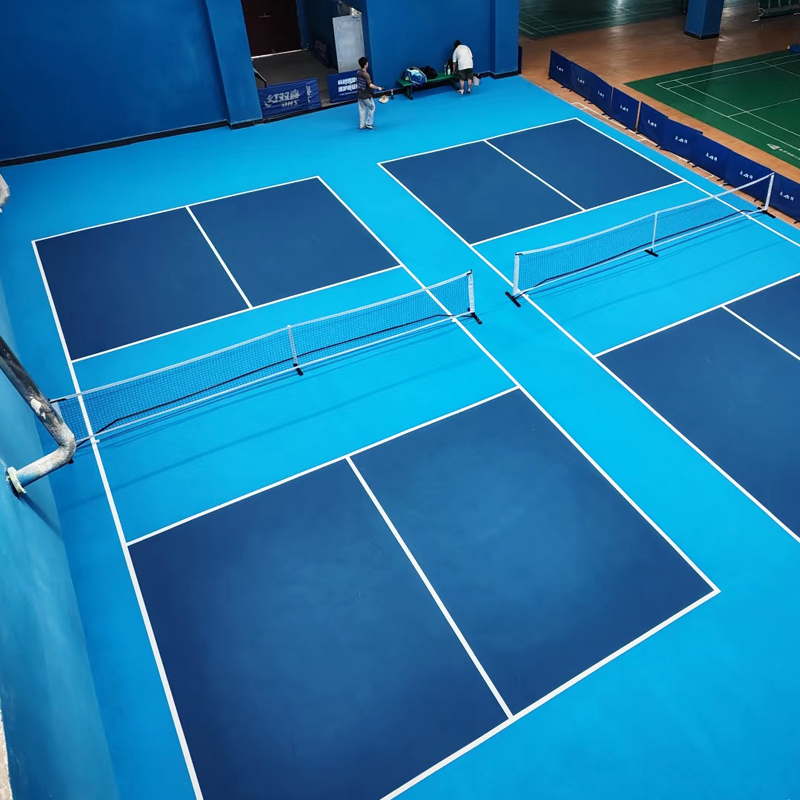
PVC flooring is a popular option due to its affordability and ease of installation. It’s available in both roll and tile formats and can be used for both indoor and outdoor courts. PVC is durable and resistant to moisture, making it a good choice for outdoor courts. While it doesn’t offer the same professional feel as hardwood, it is a solid choice for multi-sport facilities or recreational courts.
Pros:
-
Affordable and easy to install
-
Moisture-resistant and durable
-
Suitable for both indoor and outdoor courts
Cons:
-
Less aesthetically pleasing than hardwood
-
May not provide the same level of cushioning or comfort
Rubber Flooring
Rubber flooring is another option favored for its comfort and durability. It provides excellent shock absorption, which can be beneficial for players’ joints. Rubber is also slip-resistant, making it a safe option for both indoor and outdoor courts. It is often used in multi-sport facilities, as it provides a versatile, durable surface that can withstand heavy usage.
Pros:
-
Great for comfort and shock absorption
-
Slip-resistant surface for added safety
-
Can be used for both indoor and outdoor courts
Cons:
-
May not provide the professional aesthetic of hardwood
-
Can be prone to scuff marks
Sport Court Flooring
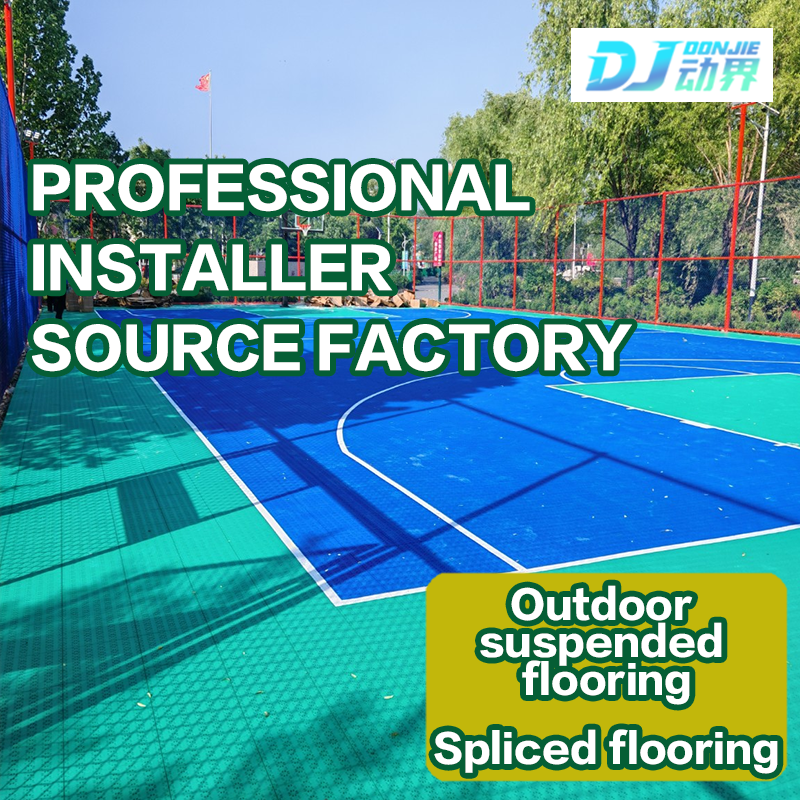
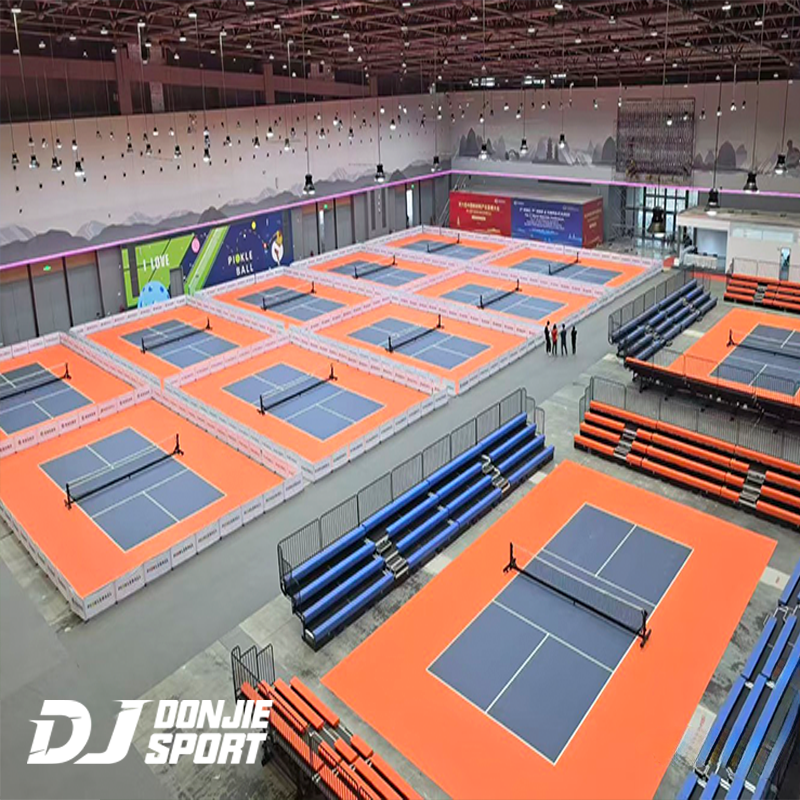
Sport court flooring, also known as modular court tiles, is a popular choice for both indoor and outdoor pickleball courts. These interlocking tiles are easy to install and remove, making them perfect for temporary courts or multi-use spaces. Sport court tiles are highly durable and come in various colors and patterns, offering versatility and customization.
Pros:
-
Easy to install and maintain
-
Durable and long-lasting
-
Available in a variety of colors and designs
Cons:
-
Not as aesthetically traditional as hardwood or tile
-
May not provide the same ball bounce consistency
Synthetic Flooring
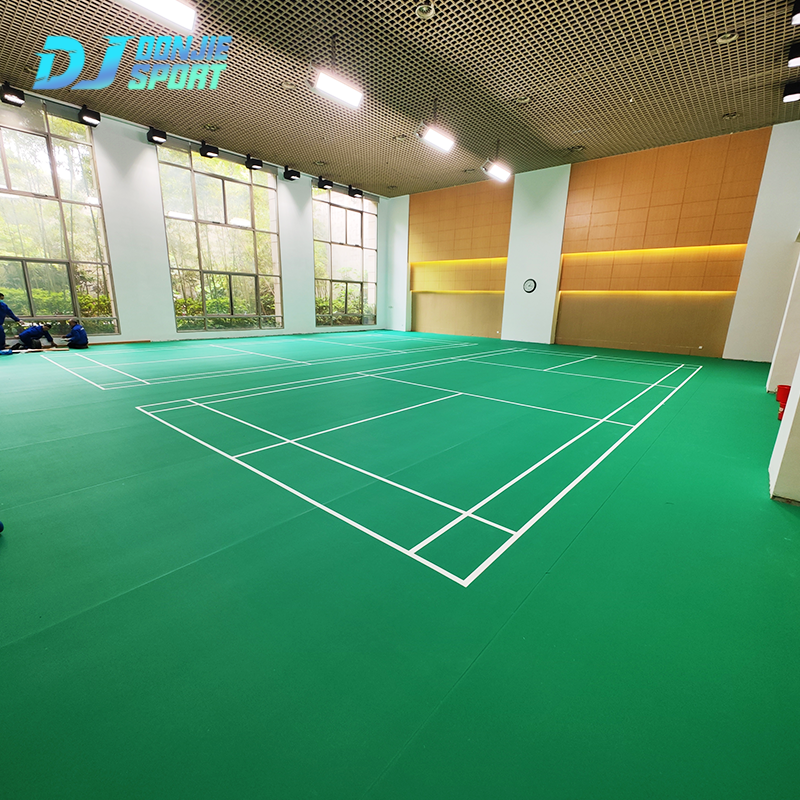
Synthetic flooring is designed to offer a consistent playing surface while being low-maintenance and cost-effective. It is made from high-quality synthetic materials that mimic the appearance and feel of traditional flooring options like wood. Synthetic flooring is widely used in both indoor and outdoor courts because of its durability, ease of maintenance, and cost-effectiveness.
Pros:
-
Cost-effective and easy to maintain
-
Consistent playing surface
-
Suitable for both indoor and outdoor use
Cons:
-
May not have the same feel as hardwood
-
Limited aesthetic options compared to other materials
How to Choose the Best Flooring Based on Your Needs
Selecting the best flooring for your pickleball court depends largely on your specific needs. Here are some factors to help you make the right decision:
Assessing Court Usage
Consider how often the court will be used and by whom. High-traffic courts or those used for professional-level games may require more durable materials like hardwood or sport court tiles. For recreational or low-traffic courts, PVC or rubber may be sufficient.
Climate Considerations
If you’re installing a court outdoors, you’ll need flooring that can handle varying weather conditions. Rubber and PVC flooring are ideal for outdoor courts due to their ability to resist UV damage and moisture. If you’re building an indoor court, hardwood may be a viable option, although it requires careful maintenance.
Budgeting for Flooring
Flooring costs can vary significantly depending on the material you choose. Hardwood tends to be the most expensive, while PVC and rubber flooring are more budget-friendly options. Keep in mind that installation and maintenance costs also contribute to the overall expense.
Aesthetic Preferences
Aesthetics play a significant role in many court selections. While hardwood flooring is a classic choice that provides a professional look, PVC and rubber flooring offer modern options for a functional, no-frills court. Sport court tiles also allow for customization, including colors and logos, to create a unique court design.
Installation and Maintenance Tips
Installation Considerations
When choosing flooring, consider whether you’ll be installing the flooring yourself or hiring professionals. Some flooring, such as PVC and sport court tiles, are easier to install, while hardwood and synthetic flooring may require professional installation.
Maintaining Your Pickleball Court Flooring
Each type of flooring has different maintenance needs. Hardwood flooring requires periodic refinishing, while PVC and rubber flooring may need occasional cleaning and minor repairs. Sport court tiles are low-maintenance, and synthetic flooring typically requires minimal upkeep.
Conclusion
Choosing the best flooring for pickleball courts depends on various factors, including durability, safety, and cost. By evaluating your needs based on the court’s usage, environment, and budget, you can select the perfect flooring to suit your pickleball court. Whether you opt for the elegance of hardwood, the practicality of synthetic flooring, or the affordability of PVC, each option offers unique benefits that enhance player experience.