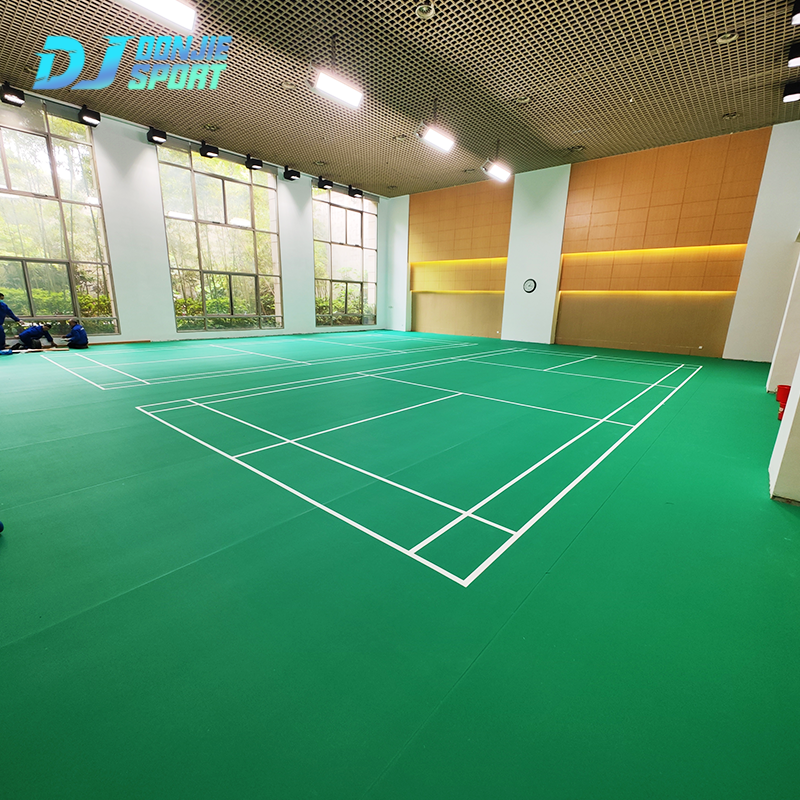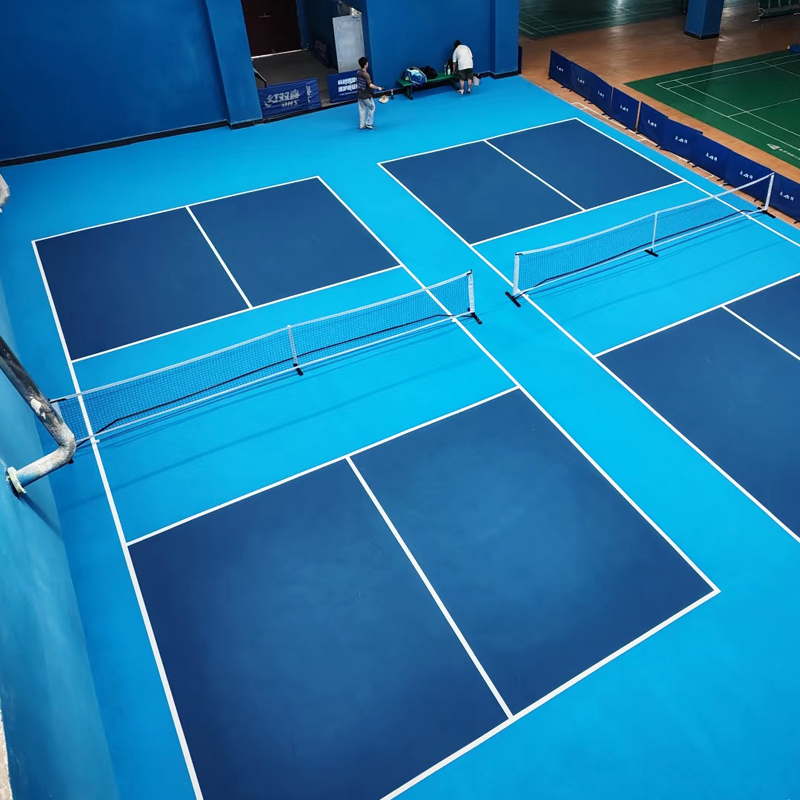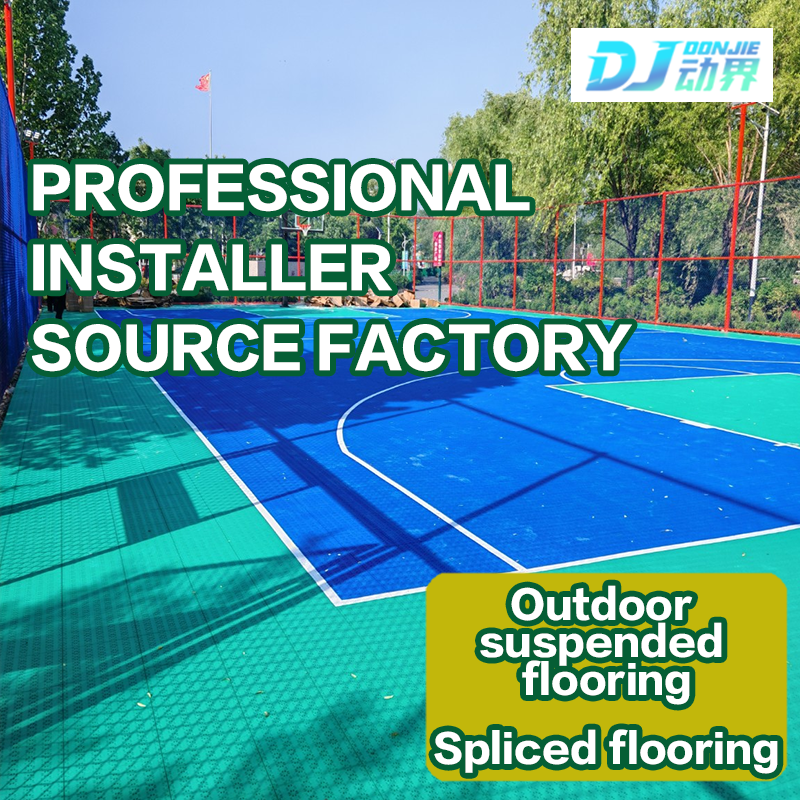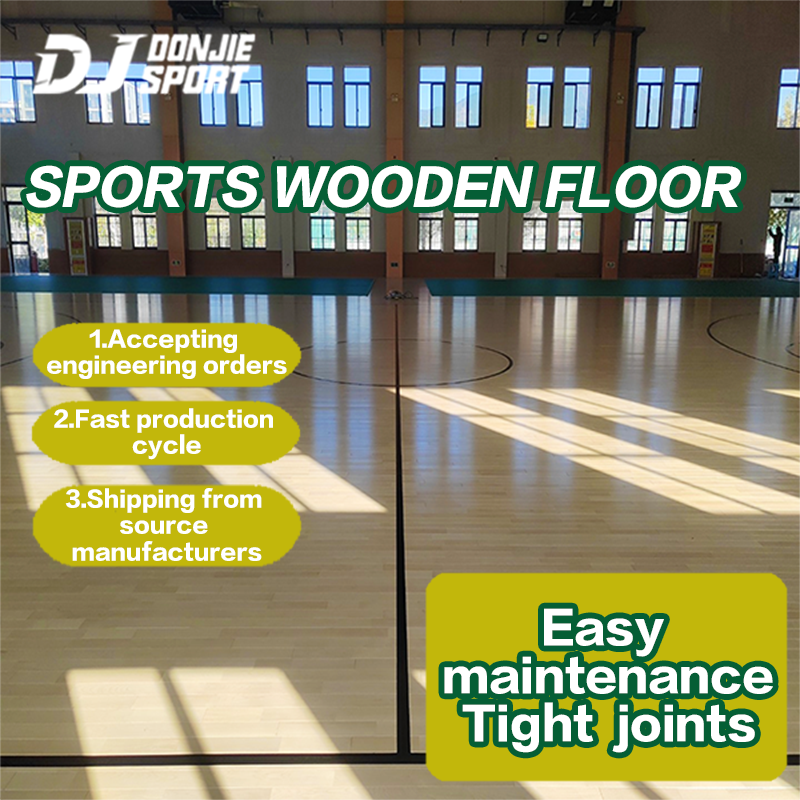
Choosing the right flooring for basketball court is essential for both performance and longevity. Whether you’re building a court for a professional arena, a school gym, or a home court, the flooring material plays a significant role in the game experience. The flooring impacts not only how the ball bounces but also the safety and comfort of the players. With various options available, from traditional hardwood to modern synthetic materials, it can be overwhelming to decide which one is best suited for your needs. In this comprehensive guide, we’ll explore the top flooring options for basketball courts, helping you make an informed decision based on factors like durability, cost, safety, and aesthetics.
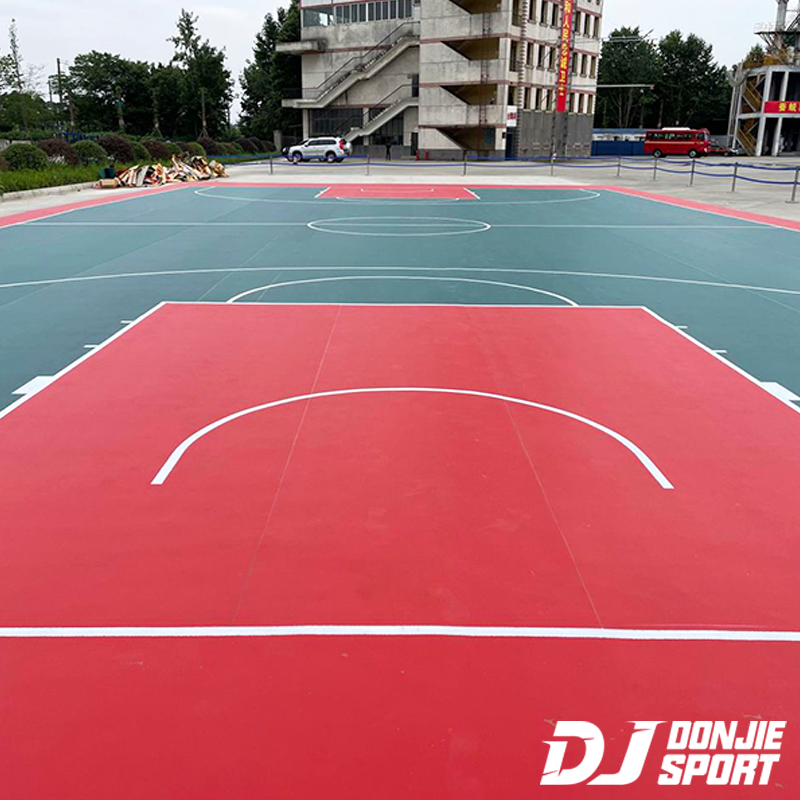
Types of Flooring for Basketball Courts
When it comes to basketball court flooring, there are several materials to choose from. Each has its unique advantages and drawbacks, depending on your specific needs, budget, and the level of play. Let’s explore some of the most popular options:
Hardwood Flooring: The Traditional Choice
Hardwood flooring has long been the gold standard for basketball courts, especially in professional arenas and high school gyms. Known for its durability and timeless aesthetic, hardwood provides excellent bounce and traction for the basketball.
Pros:
-
Durability: Hardwood is incredibly durable and can withstand heavy foot traffic, making it ideal for courts with frequent use.
-
Performance: The natural wood surface offers a consistent and high-quality bounce for the ball, favored by professional players.
-
Aesthetic Appeal: The warm, classic look of hardwood is a hallmark of prestigious sports venues, offering a polished and professional appearance.
Cons:
-
Cost: Hardwood can be significantly more expensive than other options, both in terms of installation and maintenance.
-
Maintenance: Regular cleaning and refinishing are required to maintain its performance and appearance over time.
Best for: Professional and high-traffic courts where performance and aesthetics are crucial.
Rubber Flooring: A Durable and Cost-Effective Option
Rubber flooring is a popular choice for indoor basketball courts, particularly in multi-use facilities and recreational gyms. It provides an excellent combination of comfort, durability, and affordability.
Pros:
-
Cost-Effective: Rubber flooring is typically more affordable than hardwood, both in terms of initial installation and long-term maintenance.
-
Safety: It offers superior shock absorption, which helps prevent injuries by providing more cushioning for players.
-
Durability: Rubber is resistant to wear and tear and can handle heavy foot traffic and impacts from basketballs.
Cons:
-
Performance: While rubber provides a cushioned surface, it may not offer the same ball bounce or traction as hardwood or other professional-grade flooring.
-
Aesthetic Limitations: Rubber doesn’t have the traditional appearance of hardwood, and while it’s available in various colors, it may lack the polished, high-end look desired for top-tier venues.
Best for: Budget-conscious facilities or multi-purpose gyms where safety and durability are more important than aesthetics or performance.
Vinyl Flooring: Versatility and Performance
Vinyl flooring has gained popularity in basketball courts, especially for schools and recreational centers. This type of flooring provides an excellent balance between cost, performance, and maintenance ease.
Pros:
-
Versatility: Vinyl flooring is available in a wide range of designs and can replicate the look of hardwood without the high cost.
-
Low Maintenance: Vinyl is easy to clean and maintain, making it a convenient option for busy facilities.
-
Performance: High-quality vinyl flooring offers good ball bounce and traction, though it may not be as consistent as hardwood.
Cons:
-
Durability: While vinyl is durable, it may not last as long as hardwood or rubber, particularly in high-use environments.
-
Less Traditional Feel: Some players may prefer the feel of hardwood, and vinyl doesn’t have the same luxurious or prestigious aesthetic.
Best for: Schools, community centers, and facilities that need a balance of cost-efficiency and decent performance.
Polyurethane Flooring: The Modern Alternative
Polyurethane flooring is a newer option for basketball courts, offering a synthetic surface that provides great performance while being relatively low-maintenance.
Pros:
-
Player Comfort: Polyurethane is designed to provide optimal shock absorption, reducing the impact on players’ joints and minimizing the risk of injury.
-
Durability: This material is highly durable and resistant to wear, making it an excellent choice for high-traffic areas.
-
Customization: Polyurethane flooring comes in various styles, colors, and finishes, allowing for customization to match team colors or branding.
Cons:
-
Cost: Polyurethane can be more expensive than rubber or vinyl, though it typically costs less than hardwood.
-
Installation Complexity: Professional installation is usually required, which can increase upfront costs.
Best for: Multi-purpose sports complexes and modern basketball courts where player comfort and durability are priorities.
Key Factors to Consider When Choosing Basketball Court Flooring
Selecting the best flooring for your basketball court requires careful consideration of several factors. These include the durability of the material, your budget, player comfort, and how much maintenance you’re prepared to do.
Durability and Longevity
Basketball courts experience heavy foot traffic, frequent impacts from basketballs, and the stress of regular use. Therefore, durability is a critical factor when selecting the right flooring. Hardwood and polyurethane flooring tend to offer the longest lifespan, especially when maintained properly. Rubber and vinyl, while still durable, may not last as long under heavy usage.
Cost and Budgeting
The cost of flooring varies significantly depending on the material chosen. Hardwood floors are the most expensive option, while rubber and vinyl offer more affordable alternatives. When determining your budget, it’s important to consider not only the initial installation cost but also long-term maintenance expenses.
Safety and Player Comfort
Basketball is a high-impact sport, and the safety of the players is paramount. Floors that offer excellent shock absorption can help reduce the risk of injuries, particularly joint injuries. Rubber and polyurethane floors excel in this area, providing cushioning for players. Hardwood floors, while providing a good bounce for the ball, don’t offer as much cushioning.
Maintenance Requirements
Some flooring materials require more upkeep than others. Hardwood floors, for example, need to be refinished regularly, while vinyl and rubber floors are easier to clean and maintain. Consider how much time and effort you’re willing to invest in maintaining your court’s flooring when making your decision.
Aesthetic Appeal
While performance is essential, the look of your court also matters. Hardwood flooring is the most traditional and aesthetically pleasing, particularly for professional venues. Rubber and vinyl flooring may not have the same polished look but can still be visually appealing with the right design.
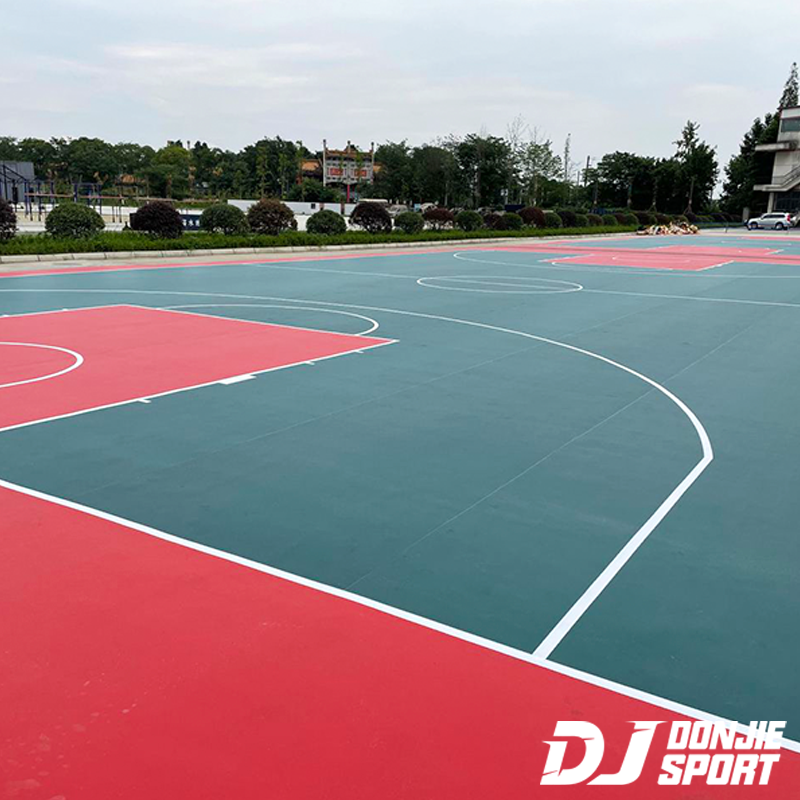
Comparison of Flooring Options
Hardwood vs. Rubber Flooring
When comparing hardwood and rubber flooring, consider your priorities. If aesthetics and performance are key, hardwood might be the better choice. However, if safety, cost-effectiveness, and durability are more important, rubber could be the way to go.
Vinyl vs. Polyurethane Flooring
Vinyl flooring is great for those on a budget, offering good performance with less upkeep. However, if you want a more durable and high-performance surface, polyurethane might be the better investment.
Installation and Professional Advice
Installing the right basketball court flooring requires precision and expertise. While some options like rubber flooring can be DIY-friendly, others, like hardwood or polyurethane, typically require professional installation to ensure the best results. Be sure to hire experienced contractors who specialize in sports flooring to guarantee a long-lasting, high-quality finish.
Conclusion
Choosing the best flooring for your basketball court is a decision that requires balancing performance, cost, durability, and safety. Each type of flooring has its pros and cons, and the ideal choice depends on your specific needs. Whether you opt for the traditional feel of hardwood, the affordability of rubber, or the durability of polyurethane, make sure to select a material that aligns with your goals and budget. With the right flooring, your basketball court will provide a safe and high-performing environment for years to come.