
When it comes to designing an outdoor basketball court, the choice of flooring is critical. Whether you’re building a court for your backyard or a community space, selecting the best outdoor sports flooring ensures long-lasting performance and safety for players. The flooring you choose affects everything from player comfort to maintenance and the court’s overall aesthetic appeal. With so many options available, it’s essential to understand what works best for your specific needs. This guide will walk you through the different types of outdoor basketball court flooring, focusing on the rising popularity of outdoor basketball tiles, and provide tips on how to choose the right one for your court.
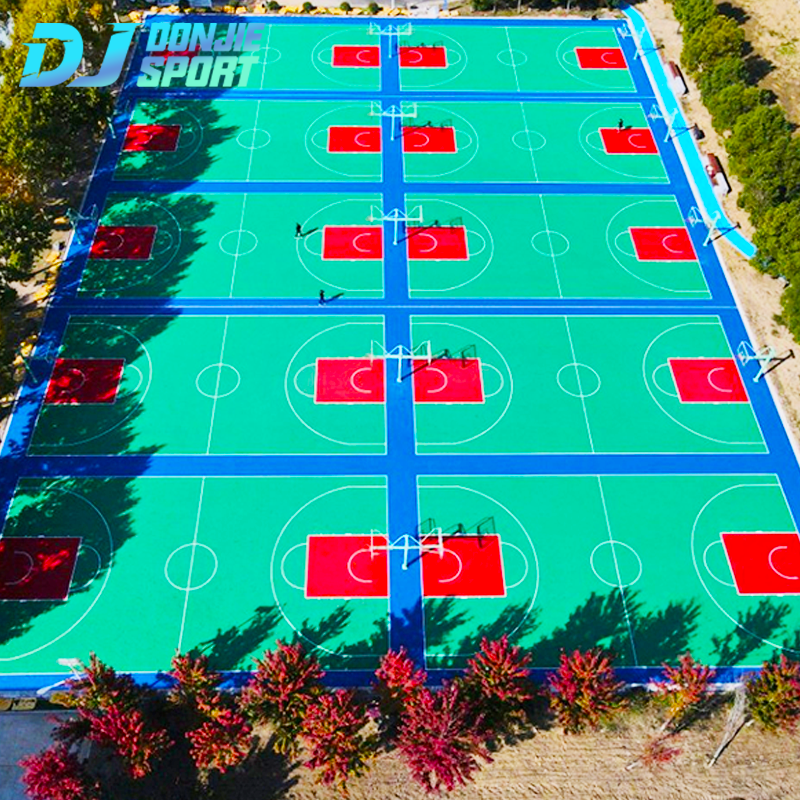
Section 1: Why the Right Flooring Matters for Your Basketball Court
When designing an outdoor basketball court, the flooring you choose plays a vital role in more than just its appearance. A well-chosen flooring system can significantly affect the court’s performance, durability, and safety. Here are the main reasons why it matters:
Durability
Outdoor basketball courts are exposed to the elements year-round. From intense heat to rain and snow, your flooring must be able to withstand varying weather conditions. Without proper durability, the flooring can crack, fade, or become slippery, which leads to safety issues and costly repairs. High-quality outdoor basketball tiles, for example, are designed to endure heavy use and adverse weather without losing their functionality or visual appeal.
Player Safety
A smooth, non-slip surface is essential to prevent injuries, especially during fast-paced games. Flooring that provides the right amount of traction helps players maintain balance and prevents slips, which are common on slick or uneven surfaces. Additionally, a surface that offers some cushioning can reduce the impact on joints, providing a safer playing environment.
Aesthetic Appeal
The visual impact of your basketball court should not be underestimated. A well-designed court, with vibrant colors and clean lines, can enhance the experience for players and spectators alike. Flooring options like outdoor basketball tiles come in a variety of colors and designs, making it easy to match the court’s aesthetic with your team’s colors or the surrounding environment.
Section 2: Types of Outdoor Basketball Flooring
Choosing the right material for your outdoor court involves understanding the different types of flooring available. Here are the most popular options:
Concrete and Asphalt
Concrete and asphalt have been the traditional materials for outdoor basketball courts for many years. They’re affordable and durable, but they come with a few drawbacks. These surfaces can become slippery when wet and may not offer the best comfort or safety. Over time, cracks can appear, leading to costly maintenance.
Rubber Flooring
Rubber flooring is another popular option for outdoor courts. It’s soft, slip-resistant, and provides excellent cushioning, reducing the risk of injury. However, rubber floors can be more expensive and may require more frequent maintenance compared to other options.
Interlocking Tiles
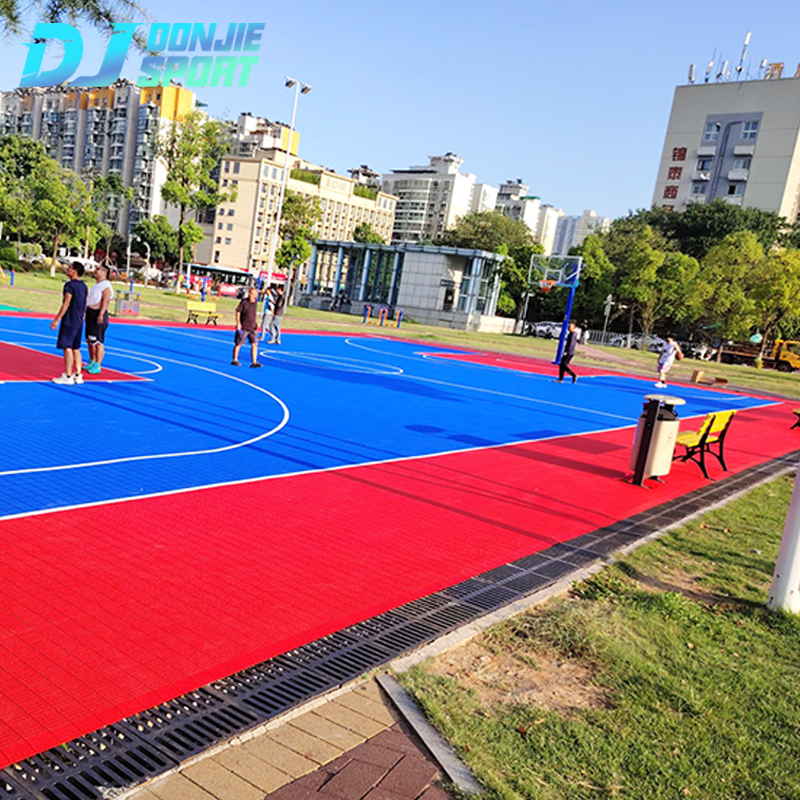
Interlocking tiles are becoming increasingly popular for outdoor basketball courts due to their ease of installation and customization. These tiles click together easily, making them ideal for DIY installations. They’re available in a variety of materials, including PVC and polypropylene, and offer high durability, weather resistance, and shock absorption. Interlocking tiles also make it easy to replace individual tiles if they become damaged.
Wooden Flooring
While wood is a traditional indoor court option, it can be used for outdoor courts in some climates. Wooden flooring offers excellent aesthetics and comfort, but it requires frequent maintenance and is susceptible to damage from moisture and temperature changes.
Section 3: The Rise of Outdoor Basketball Tiles
Why Outdoor Basketball Tiles Are Gaining Popularity
Outdoor basketball tiles, such as interlocking PVC or polypropylene tiles, have become the go-to choice for many court owners. The reason for this growing trend is simple: they provide an easy-to-install, high-performance surface that combines durability with comfort. Unlike concrete or asphalt, these tiles are resistant to cracking and fading. They also offer superior grip and shock absorption, which makes them ideal for players of all skill levels.
Material Options
There are several types of materials used in outdoor basketball tiles, each with its benefits:
-
PVC Tiles: PVC is a strong, durable plastic that can endure extreme weather conditions without warping or cracking. It’s easy to clean and resistant to UV rays, ensuring that your court looks good for years.
-
Polypropylene Tiles: These tiles are highly durable and resistant to both moisture and temperature changes, making them perfect for outdoor use. Polypropylene tiles also have a slightly more flexible design, allowing them to adjust to the terrain beneath them, which enhances stability and comfort.
Benefits
Outdoor basketball tiles offer numerous benefits:
-
Cost-Effective: While they might have a higher initial cost compared to asphalt or concrete, the longevity and low maintenance of interlocking tiles make them a more cost-effective choice in the long run.
-
Easy Installation: Interlocking tiles don’t require specialized tools or professional installers. Simply connect the tiles, and your court is ready to go.
-
Customizability: With a wide range of colors, patterns, and designs, outdoor basketball tiles can be customized to reflect the style of your court or team.
Section 4: Factors to Consider When Choosing Outdoor Flooring for Your Court
When selecting flooring for your outdoor basketball court, several factors should influence your decision:
Climate
The local climate plays a major role in determining the best flooring for your court. If you live in an area with extreme weather conditions, look for materials that are resistant to UV rays, moisture, and temperature changes. Outdoor basketball tiles made from materials like polypropylene or PVC are ideal for such conditions.
Court Usage
Will your court be used for casual pick-up games, or is it intended for serious competitions? If the court will see a lot of action, you’ll want a flooring system that can handle heavy foot traffic and intense gameplay. Interlocking outdoor basketball tiles are ideal for this, offering durability and performance for long-term use.
Budget
Outdoor flooring can range from budget-friendly options like asphalt to premium materials like interlocking tiles. Keep in mind that while interlocking tiles may have a higher upfront cost, they require minimal maintenance and last much longer than traditional materials.
Maintenance
Consider how much maintenance you’re willing to commit to. Materials like concrete and asphalt require regular sealing and resurfacing, while outdoor basketball tiles are virtually maintenance-free. If ease of maintenance is important to you, outdoor basketball tiles are a great choice.
Section 5: How to Install Outdoor Basketball Flooring
Installing outdoor basketball flooring can be a DIY project, especially if you opt for interlocking tiles. Here’s a step-by-step guide to help you get started:
Preparing the Ground
Before laying any flooring, it’s important to prepare the surface. Clear the area of debris, grass, or any other materials that could disrupt the flooring. Ensure that the ground is level to prevent uneven surfaces.
Step-by-Step Installation for Tiles
-
Begin by laying the tiles from one corner of the court, ensuring that the first row is straight.
-
Connect each tile by interlocking the edges, working your way across the entire court.
-
Use a rubber mallet to gently tap the tiles into place for a tight fit.
-
Trim any excess tiles along the edges to ensure they fit perfectly within the court boundaries.
Professional Help vs. DIY
While installing outdoor basketball tiles is relatively simple, you may prefer to hire a professional installer if you’re looking for a more polished finish or don’t have the time for a DIY project.
Section 6: The Future of Outdoor Basketball Court Flooring
Innovations in Flooring Materials
The future of outdoor basketball court flooring lies in sustainable and high-tech materials. Companies are developing eco-friendly flooring options that not only reduce environmental impact but also provide better performance and durability. Innovations like energy-efficient production processes and recyclable tiles are making outdoor flooring more sustainable than ever.
Trends in Court Design
Customization is also a growing trend in court design. From logos and team colors to innovative patterns, courts are becoming more personalized. Outdoor basketball tiles offer the perfect solution for these customizations, allowing you to create a court that truly represents your team or community.
Conclusion
Choosing the best outdoor basketball flooring is a crucial decision that impacts the performance, safety, and aesthetics of your court. Whether you opt for durable outdoor basketball tiles, rubber flooring, or traditional materials, it’s essential to consider factors like climate, usage, and maintenance. With outdoor basketball tiles, you get the perfect combination of functionality and style, making them an excellent choice for any court. By carefully evaluating your options and considering the benefits of each, you’ll be able to create a basketball court that meets all your needs.



