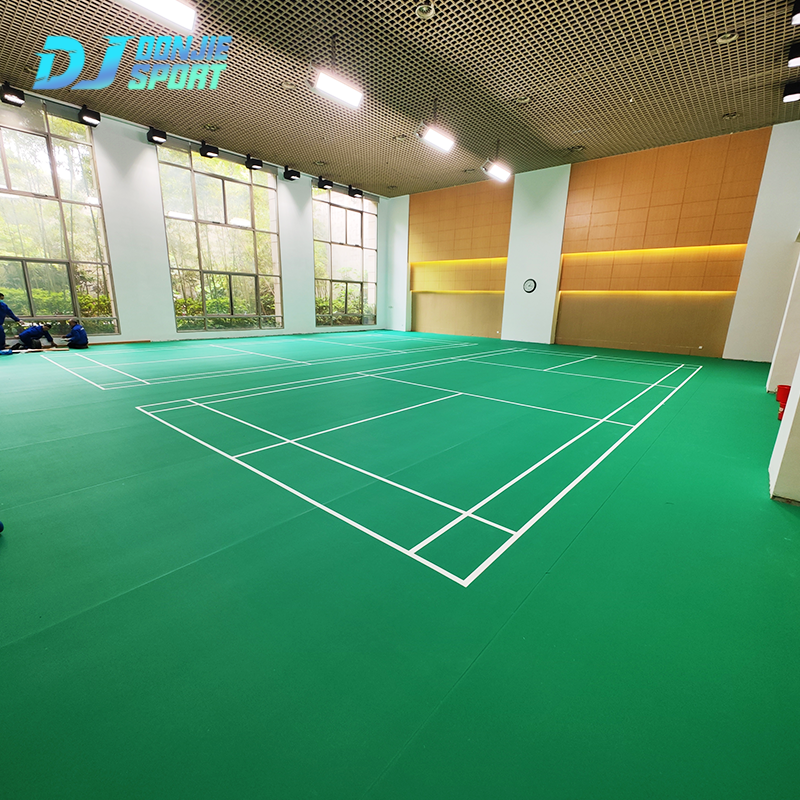
Selecting the right Badminton Court Flooring is more than a matter of aesthetics—it directly affects player performance, safety, and the longevity of the court. A poorly chosen surface can lead to injuries, uneven play, and higher maintenance costs, while the right flooring enhances agility, speed, and overall enjoyment of the game.
In recent years, synthetic flooring has emerged as a preferred choice for both professional and recreational badminton courts. Unlike traditional wooden floors, synthetic options offer a combination of durability, shock absorption, and low maintenance, making them ideal for high-traffic courts. In this guide, we will explore the essential factors to consider when choosing synthetic Badminton Court Flooring, compare popular materials, and provide expert tips to ensure your court remains in top condition for years to come.

Understanding Badminton Court Flooring Options
When it comes to Badminton Court Flooring, there are several material options, each with distinct advantages and considerations. Traditionally, wooden flooring has been the go-to choice for professional courts due to its natural bounce and smooth surface. However, modern sports facilities increasingly favor synthetic alternatives for their durability, ease of maintenance, and customizable features.
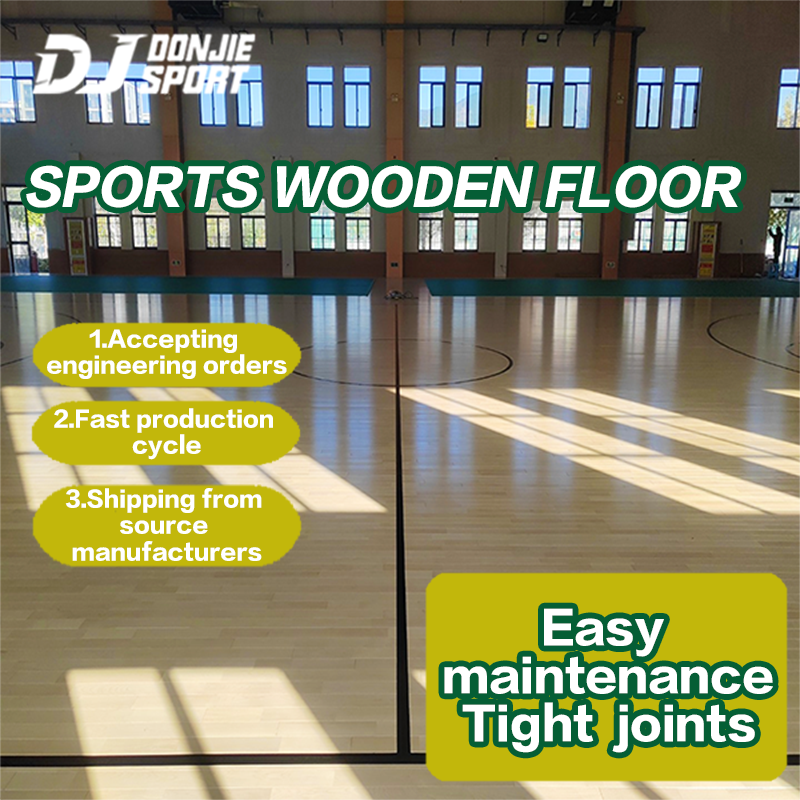
Wooden Flooring: Offers a classic look and excellent ball response, but requires frequent maintenance, is sensitive to humidity, and may be less forgiving on players’ joints during long sessions.
PVC Flooring: A cost-effective synthetic option, PVC provides reliable grip, good shock absorption, and low maintenance. It is highly versatile for both recreational and semi-professional courts.
PU (Polyurethane) Flooring: Known for its professional-grade performance, PU flooring combines excellent cushioning, enhanced shock absorption, and long-lasting durability. It is ideal for high-intensity play and professional-level tournaments.
Synthetic flooring is increasingly preferred because it balances performance, safety, and maintenance needs, making it a practical long-term investment for badminton facilities.
Benefits of Synthetic Badminton Court Flooring
Choosing synthetic Badminton Court Flooring comes with several clear advantages:
Enhanced Shock Absorption and Joint Protection: Synthetic surfaces reduce strain on knees, ankles, and lower back, making them ideal for players who spend hours on the court.
Consistent Surface Grip and Traction: Proper traction is essential to prevent slips and falls. Synthetic materials maintain grip under various conditions, ensuring safe and predictable movement.
Durability and Maintenance Advantages: Unlike wooden floors, synthetic surfaces resist moisture, scratches, and discoloration. They are easy to clean and require minimal maintenance over time.
Aesthetic and Design Flexibility: Synthetic flooring is available in various colors, patterns, and thicknesses, allowing gyms and sports centers to customize their courts while maintaining professional standards.
Key Factors to Consider When Choosing Synthetic Flooring
When selecting synthetic Badminton Court Flooring, consider these critical factors:
Surface Texture and Grip: The flooring must provide adequate traction without being too sticky. A balanced surface ensures fast movement and reduces the risk of injury.
Thickness and Cushioning: The right thickness supports players’ joints while providing sufficient bounce for competitive play. Most synthetic options range from 4mm to 8mm, depending on usage and performance needs.
Installation Requirements and Subfloor Compatibility: Synthetic flooring must be installed on a stable, level subfloor. Consider whether your facility requires a temporary or permanent solution and whether professional installation is needed.
Cost Versus Long-Term Value: While high-end synthetic options may have a higher upfront cost, they typically last longer and reduce ongoing maintenance expenses compared to wooden alternatives.
Popular Synthetic Flooring Types for Badminton Courts
Different synthetic options suit different court requirements:
PVC Flooring: Affordable, durable, and easy to maintain, PVC flooring is widely used in recreational and semi-professional courts. It provides reliable grip and moderate cushioning.
PU Flooring: Offers superior shock absorption and professional-level performance. PU surfaces are ideal for tournaments, training facilities, and clubs aiming for high standards of play.
Hybrid Options: Some manufacturers combine PVC and PU layers to optimize grip, shock absorption, and longevity. These hybrid solutions can deliver the best of both worlds for multi-purpose sports centers.
Comparative Analysis:
-
PVC: Cost-effective, moderate cushioning, easy maintenance
-
PU: High performance, excellent cushioning, premium pricing
-
Hybrid: Balanced performance, moderate-to-high price, versatile usage

Maintenance and Longevity of Synthetic Badminton Court Flooring
Proper care ensures that synthetic Badminton Court Flooring remains safe and functional for years:
Cleaning and Routine Care: Sweep or vacuum regularly to remove dust and debris. Use a damp mop with mild detergent for routine cleaning. Avoid harsh chemicals that may damage the surface.
Preventing Wear and Tear: Rotate net posts, benches, and heavy equipment to prevent localized damage. Place protective mats under heavy furniture to minimize scratches.
Seasonal Considerations and Environmental Impact: Synthetic floors resist humidity and temperature changes better than wood, but facilities should monitor indoor climate to prevent expansion or contraction.
When to Repair or Replace: Minor scratches or scuffs can be repaired with surface polish or patch kits. Replacement is recommended when cushioning diminishes or surface wear affects player safety.
Expert Tips for Choosing the Right Flooring Supplier
Selecting a reputable supplier ensures your investment in synthetic Badminton Court Flooring delivers long-term benefits:
Evaluate Supplier Credibility: Look for certifications, warranties, and customer reviews. Reliable suppliers provide guidance on material selection and installation.
Customization Options: Some suppliers offer color choices, logos, or multi-layer designs tailored to your facility’s needs. Customization can enhance aesthetics without compromising performance.
Case Studies and References: Ask for examples of completed projects to see how the flooring performs under heavy usage. Successful implementations demonstrate durability and quality.
Conclusion
Investing in high-quality synthetic Badminton Court Flooring is essential for creating a safe, durable, and high-performance court. By understanding the differences between PVC, PU, and hybrid options, considering key factors like cushioning, grip, and installation requirements, and maintaining the floor properly, facility managers and players can enjoy a long-lasting, professional-standard playing surface. Choosing the right supplier and flooring type ensures that your badminton court remains in top condition, providing the best environment for both recreational and competitive play.