When it comes to selecting a Table Tennis Floor, it’s not just about aesthetics or cost—it’s about creating the ideal playing surface for athletes at every level. A well-chosen floor enhances the overall playing experience, improving performance and ensuring safety. The right flooring can also prolong the lifespan of your equipment and minimize the risk of injuries caused by hard or slippery surfaces.
For professional players, the flooring plays a significant role in how the ball bounces. The ball’s trajectory and spin are directly affected by the type of flooring used. A floor with proper grip and shock absorption allows for better control over the game, enabling players to execute quick moves and sharp turns without the fear of slipping or losing balance.
Similarly, safety is a primary concern in any sports venue, and flooring plays a crucial part in injury prevention. Hard floors, especially those made from concrete or unsuitable materials, can lead to joint pain, fatigue, and even severe injuries. By opting for flooring materials designed with shock absorption in mind, you help reduce the strain on players’ bodies during long training sessions or matches.
In short, choosing the right flooring for your Table Tennis venue is an investment in the longevity of both your players and your facility. A good floor not only supports a superior playing experience but also ensures that your venue meets safety and durability standards for years to come.
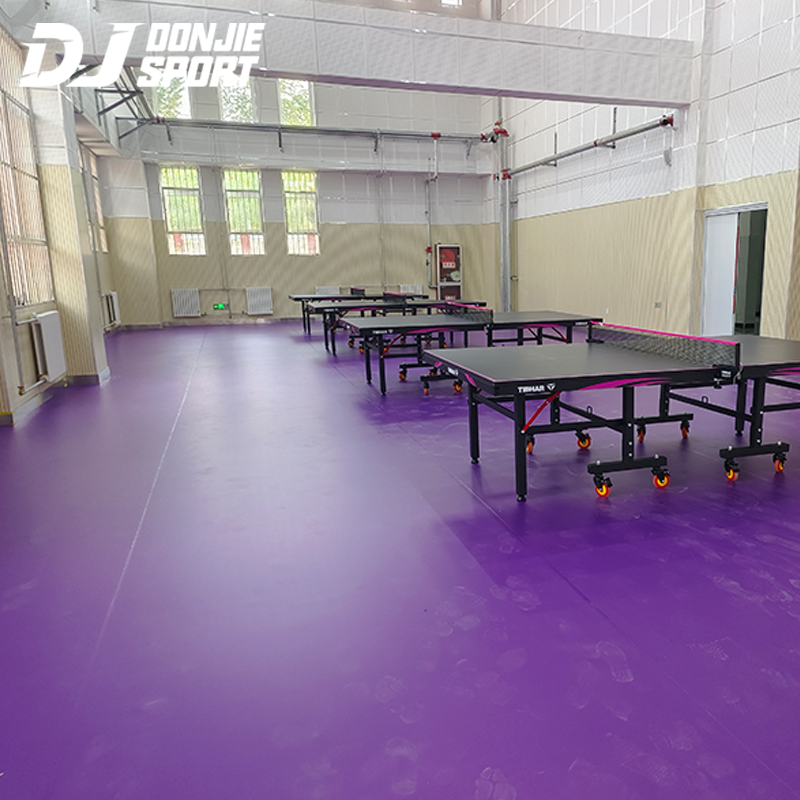
Key Features to Look for in Table Tennis Flooring
Surface Texture and Grip
One of the most important considerations when choosing a Table Tennis Floor is the texture of the surface. A floor with the right grip ensures that players can move swiftly without fear of slipping, which is critical for both competitive and recreational play. Flooring with a textured finish provides just enough resistance for players to pivot and change direction with confidence.
The texture also impacts the ball’s bounce and spin. If the surface is too smooth, the ball may bounce unpredictably, leading to inconsistencies during play. On the other hand, too much grip could result in excessive friction, affecting the ball’s speed and control. Therefore, finding a balance between grip and smoothness is essential.
Shock Absorption
Another key feature of a quality Table Tennis Floor is its ability to absorb shock. A floor with excellent shock absorption reduces the impact on players’ joints, particularly their knees and ankles. Since Table Tennis is a fast-paced game that involves a lot of lateral movement and sudden changes in direction, a floor with adequate shock absorption helps prevent long-term wear and tear on the body.
Shock-absorbing flooring materials, such as high-quality PVC or rubber, help reduce the strain on players, especially during extended periods of play. This can be particularly beneficial for both amateur players and professionals who train for hours at a time.
Durability and Longevity
Durability is another critical feature to consider when selecting a Table Tennis Floor. A durable floor is one that can withstand heavy foot traffic, frequent use, and the occasional accidental drop of equipment or balls. Whether you’re building a facility for public use or for competitive tournaments, a durable floor ensures that your investment lasts for many years without showing significant wear or damage.
Some materials, such as high-density PVC or wood, are known for their long-lasting nature. The resilience of these materials prevents them from denting or scratching easily, even with heavy equipment being used regularly.
Maintenance Requirements
Choosing a Table Tennis Floor that is easy to maintain is also a crucial consideration. Floors that are resistant to stains, dirt, and moisture tend to require less effort to clean, helping maintain the aesthetic appeal and functionality over time. Floors made from synthetic materials like PVC or rubber are often low-maintenance, requiring only a periodic wipe down to keep them looking pristine.
In contrast, wooden floors, while offering an aesthetically pleasing look, might require more maintenance, including polishing and refinishing to preserve their appearance and performance.
Types of Flooring Options for Table Tennis
PVC Flooring
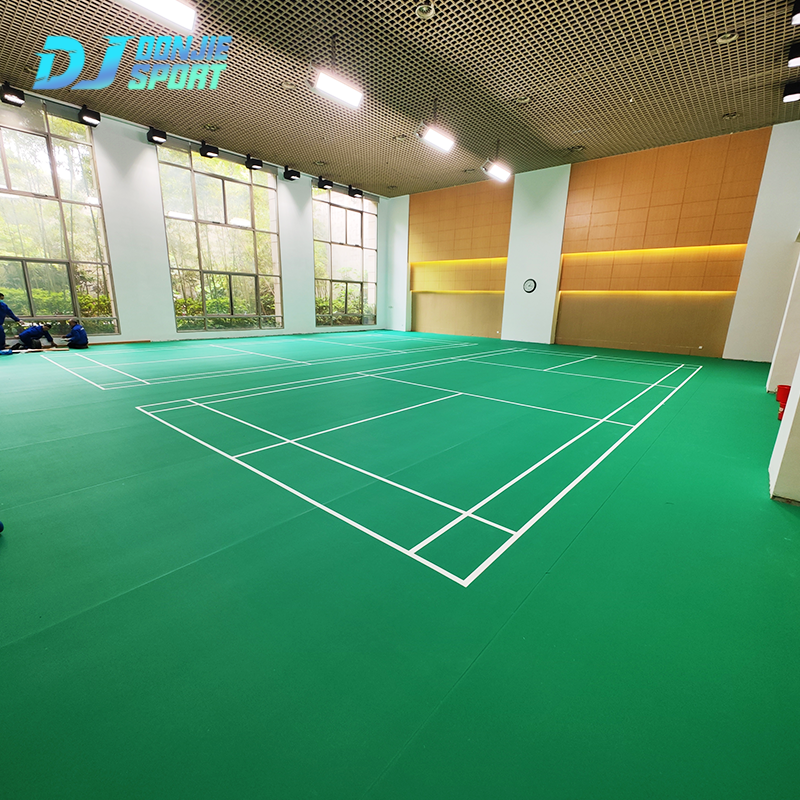
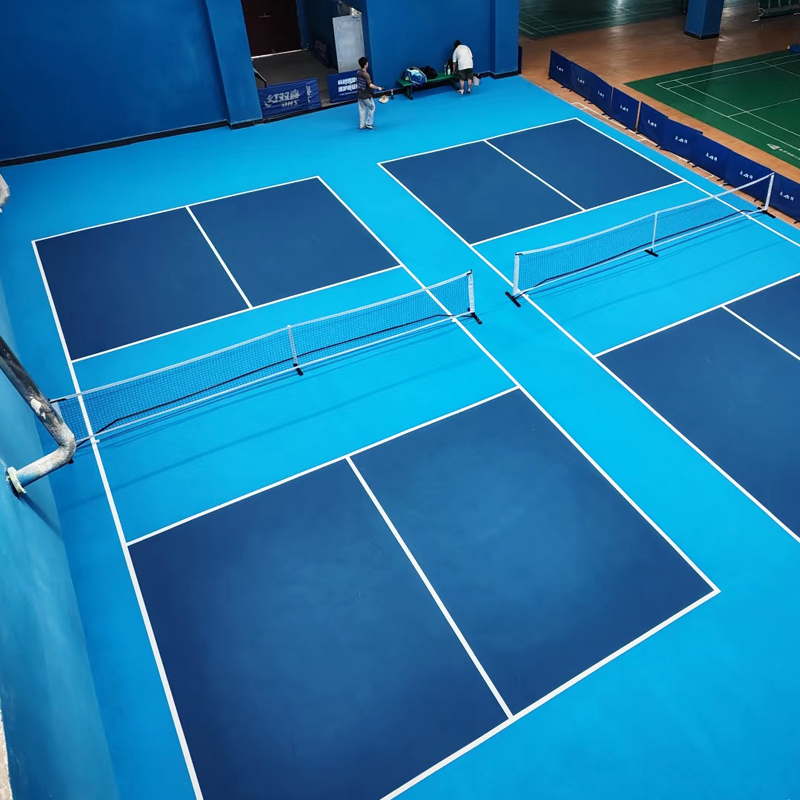
PVC flooring is one of the most popular choices for Table Tennis Floors due to its versatility, durability, and ease of maintenance. PVC provides excellent shock absorption, reducing the risk of joint injuries, and it’s available in various textures and designs to suit different types of venues.
PVC floors are also highly resistant to moisture, making them ideal for indoor environments where humidity and spills are a concern. Whether you are looking to outfit a home gym or a professional table tennis hall, PVC is a reliable and cost-effective solution.
Wooden Flooring
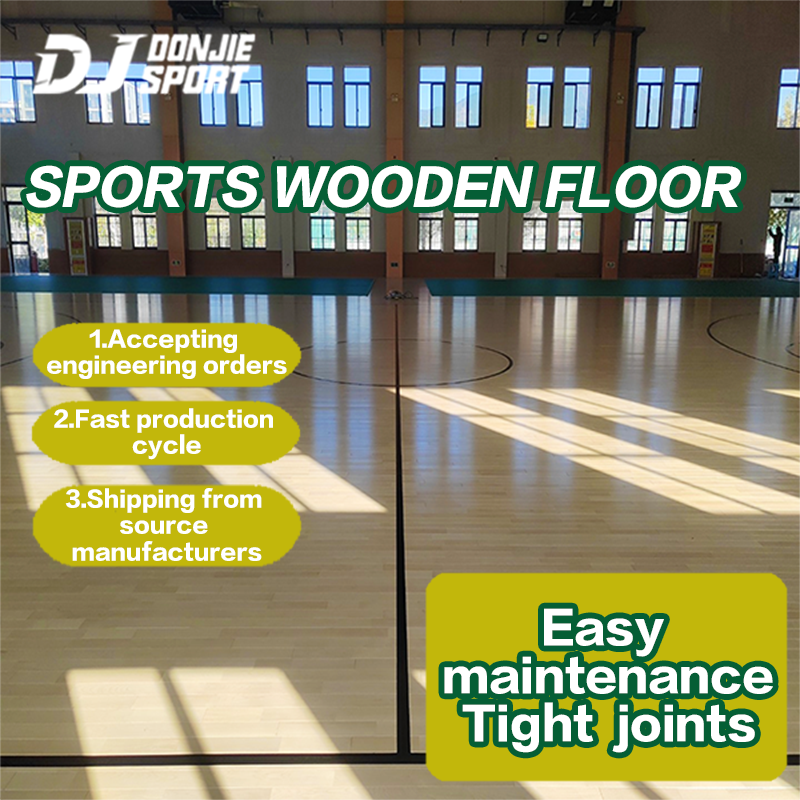
Wooden floors have long been associated with professional sports venues, and they offer a traditional yet high-performing surface for table tennis. Wood provides a natural aesthetic that appeals to many players and spectators. The surface texture of wooden flooring offers optimal bounce and spin for the ball, making it a favorite among competitive players.
However, wooden floors require more maintenance compared to synthetic options. They are also more susceptible to damage from moisture, so it’s important to consider the environmental factors of your venue before opting for this material.
Rubber Flooring
Rubber floors provide exceptional cushioning and noise reduction, which is beneficial in environments where sound control is a priority. This material also offers superior grip, ensuring players can move quickly without the risk of slipping.
Rubber flooring’s durability makes it suitable for high-traffic areas, and it’s also resistant to wear and tear. However, rubber floors might not offer the same level of ball bounce control as wooden floors or high-quality PVC options.
Interlocking Tiles
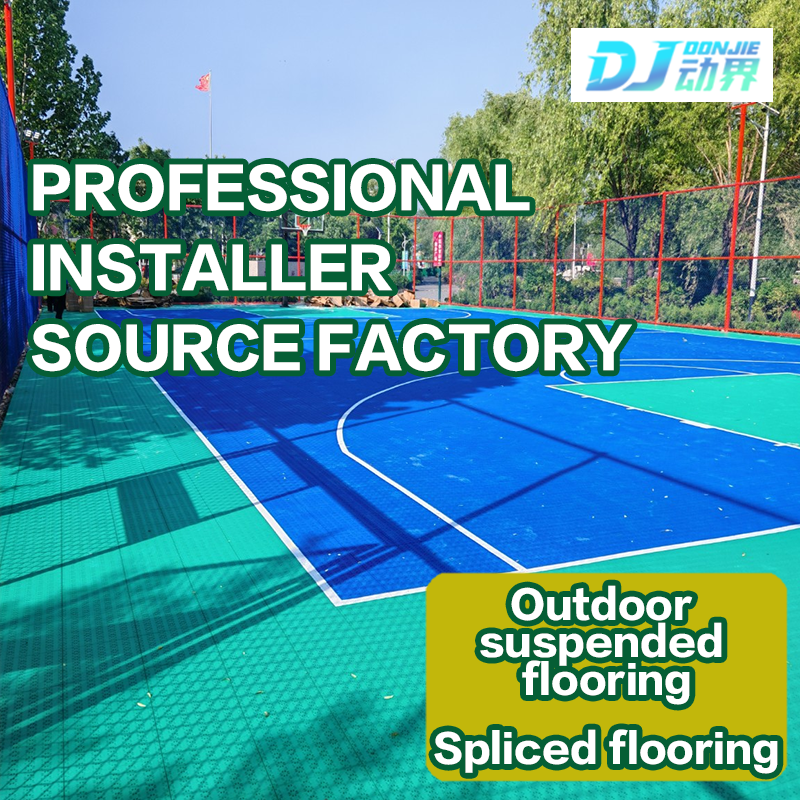
Interlocking tiles provide a convenient and flexible option for Table Tennis Floors, allowing you to customize your flooring layout with ease. These tiles are often made from PVC or rubber and offer the same durability and shock-absorbing qualities. Interlocking tiles are easy to install and remove, making them ideal for temporary installations or spaces that require frequent layout changes.
Evaluating the Cost of Table Tennis Flooring
While cost is always a consideration, it’s important to remember that investing in quality flooring can save money in the long term by reducing the need for frequent repairs and replacements. Table Tennis Floors range from affordable PVC options to premium wooden floors. Typically, PVC and rubber flooring tend to be the most affordable, while wooden floors and high-end modular tiles are on the more expensive end of the spectrum.
Consider your budget and the level of usage your facility will experience when evaluating the cost of different flooring options. For example, if your venue will host professional tournaments, the durability and performance of the floor should be a higher priority than initial cost. Conversely, for a recreational setting, you may prioritize ease of installation and low maintenance over advanced performance features.
The Installation Process
Installing a Table Tennis Floor requires careful planning and attention to detail. Depending on the type of flooring, you may need professional installers to ensure that the surface is laid correctly for optimal performance. PVC and rubber floors often come with interlocking or adhesive backing, making them relatively easy to install by a skilled DIYer.
For wooden floors, professional installation is typically required due to the complexity of preparing the surface and ensuring proper expansion gaps. Regardless of the flooring type, proper installation is essential to achieve a level surface that provides the best playing conditions.
How Table Tennis Floor Affects Overall Facility Design
The Table Tennis Floor you choose can greatly influence the overall design and atmosphere of your venue. Flooring can help tie together the aesthetics of the space and enhance the branding of your facility. Whether you’re creating a professional tournament space or a community recreational center, the floor should complement your design vision.
The color, texture, and layout of the floor should be selected carefully to create a cohesive and professional look. High-quality flooring materials also contribute to the overall ambiance, offering a premium feel that enhances the experience for both players and spectators.
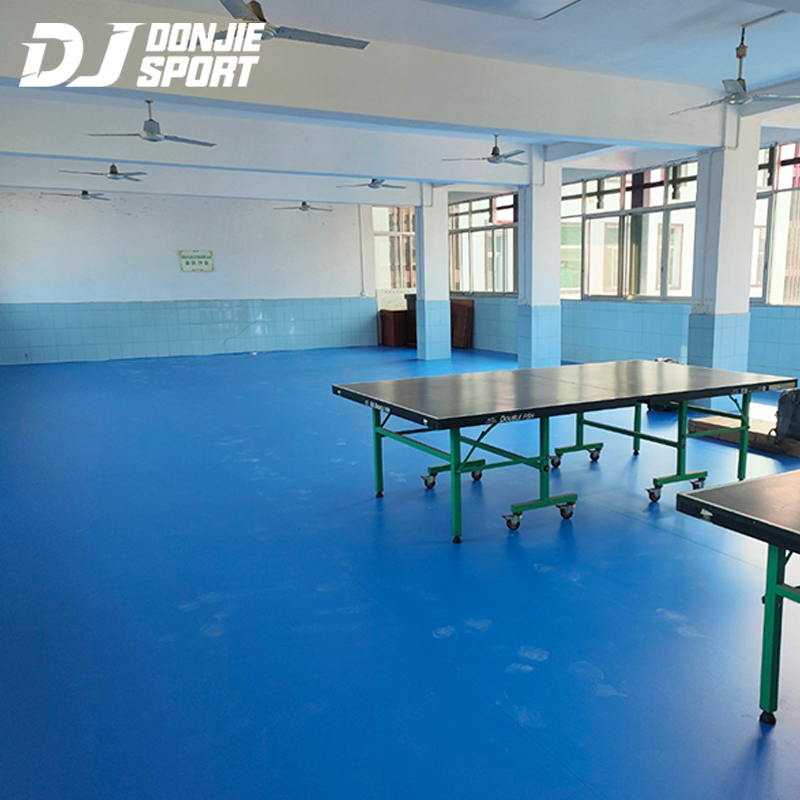
Sustainability Considerations in Choosing Table Tennis Flooring
Sustainability is becoming an increasingly important factor in construction and facility design. Many modern Table Tennis Floors are made from recycled or environmentally friendly materials. PVC, for example, is often available in sustainable options that help reduce the environmental impact of your flooring choice.
Additionally, flooring with a longer lifespan reduces the need for frequent replacements, minimizing waste and contributing to a greener facility. When possible, choose flooring materials that are made with sustainable practices and consider how your choice impacts the environment.
Conclusion
Choosing the perfect Table Tennis Floor is essential for ensuring a great playing experience and maintaining a safe, durable surface for athletes. By considering factors like surface texture, shock absorption, durability, and maintenance requirements, you can make an informed decision that enhances both performance and aesthetics.
Whether you choose PVC, wood, rubber, or interlocking tiles, the right floor will ensure that your venue stands out and provides a professional and enjoyable space for both training and competition. Prioritize long-term value, performance, and safety, and your investment will pay off for years to come.