When it comes to creating a professional dance studio, one of the most crucial decisions you will make is choosing the right flooring. Not only does it impact the aesthetic appeal of the space, but the right dance studio floor can significantly enhance performance while ensuring the safety of dancers. Whether you’re setting up a studio for ballet, contemporary dance, or hip-hop, understanding the importance of selecting the right flooring is vital. The floor is the foundation of every movement, and its design, material, and maintenance directly influence the comfort and performance of dancers. This guide will help you navigate through various flooring options to make an informed decision that aligns with both your studio’s needs and the safety of the dancers.
Understanding the Basics of Dance Studio Floors
Selecting the appropriate floor for your dance studio starts with understanding the core characteristics of an ideal surface for dance. Different dance styles require different floor properties to maximize performance and safety. A good dance floor should provide sufficient shock absorption, be slip-resistant, and offer durability to withstand the repeated impacts of practice and performance. These features are key in protecting dancers from injuries while ensuring the right amount of support for their movements.
-
Durability: Dance floors are subjected to heavy use, so they must be durable enough to withstand constant foot traffic, high-impact movements, and the wear and tear that comes with regular practice.
-
Shock Absorption: A floor that absorbs shock reduces the stress on dancers’ joints, minimizing the risk of injury. This is particularly important for styles such as ballet and contemporary dance, where precise movements and jumps are a regular part of training.
-
Slip Resistance: A floor should not be too slippery but should also allow for smooth movement. The right balance of friction helps dancers pivot and slide without the risk of slipping, ensuring both safety and fluidity in performance.
Types of Dance Studio Floors
There are several types of floors to consider when outfitting a dance studio. The choice of flooring will depend largely on the type of dance being performed, the budget, and the studio’s overall aesthetic goals. Here are the most common types of dance floors used in professional studios:
Wooden Floors
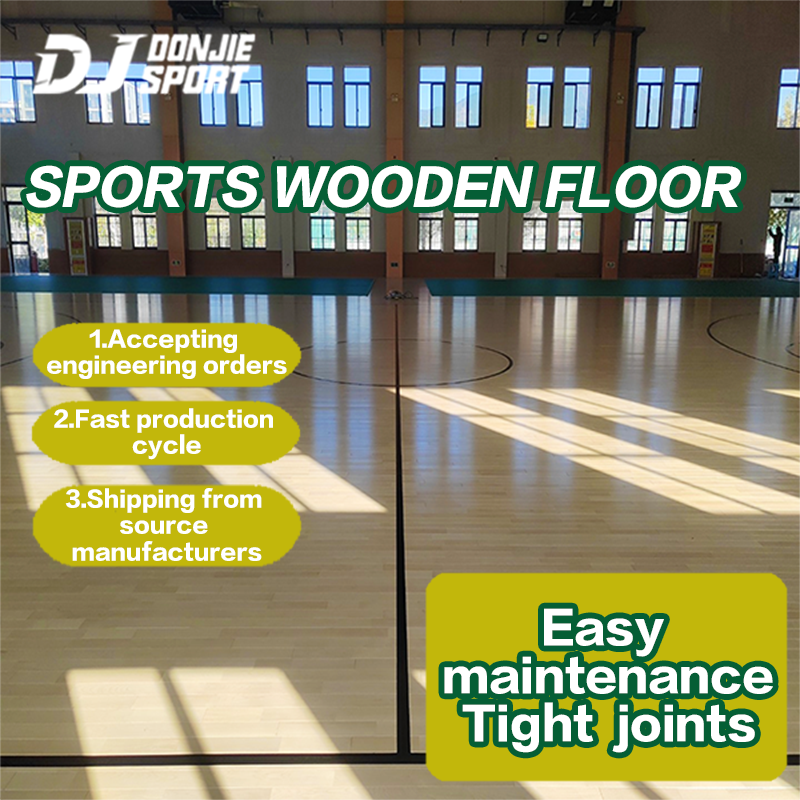
Wooden floors, particularly those made of maple, are a traditional choice for dance studios. They offer a beautiful aesthetic and a slightly sprung surface, making them ideal for ballet and contemporary dance. Wooden floors provide the right balance of smoothness and resistance for turning, jumping, and other dynamic movements. However, they require regular maintenance and may be less forgiving on the joints compared to sprung or cushioned floors.
Vinyl Floors
Vinyl floors are versatile, budget-friendly, and easy to maintain. They are commonly used for a variety of dance styles, including jazz, tap, and hip-hop. Vinyl provides a durable surface with a moderate amount of shock absorption, making it a popular option for multi-purpose studios. Vinyl floors are also highly customizable, available in different colors and patterns, which allows studio owners to create a more unique look.
Marley Floors
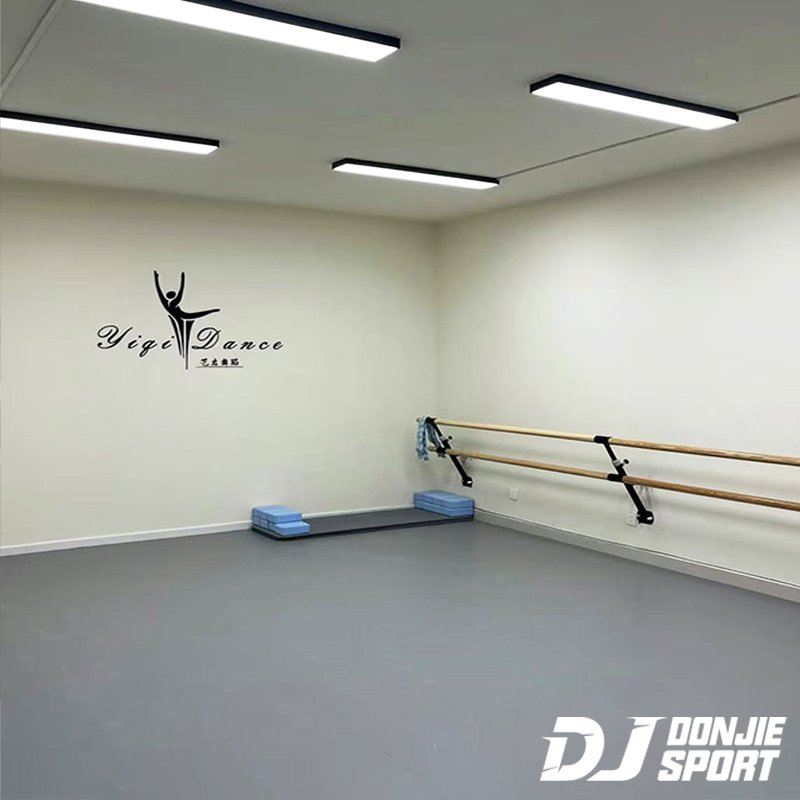
Marley floors are a type of vinyl flooring specifically designed for professional dance studios. They are ideal for ballet, modern dance, and other performance-based dance forms. Marley floors are often used over sprung floors to add an extra layer of support and traction. They provide excellent slip-resistance, making them a top choice for dancers who need precision in their movements. Marley flooring is also relatively low-maintenance and durable.
Rubber Floors
Rubber flooring is highly durable and provides excellent shock absorption, making it a great option for high-impact dance styles such as hip-hop or street dance. It reduces the risk of injury by cushioning landings and absorbing energy. Rubber floors are also known for their sound-dampening properties, which can be a bonus in a studio setting.
Sprung Floors
A sprung floor is designed with a system of layers that include a spring-like mechanism to absorb the impact of jumps, landings, and other high-impact movements. These floors are typically installed under other types of flooring, such as wood or vinyl. The primary benefit of sprung floors is their ability to prevent injuries, making them ideal for professional dancers who perform rigorous movements regularly.
Key Factors to Consider When Choosing the Right Dance Studio Floor
When choosing a dance studio floor, several factors should be taken into account to ensure you select the right option for your needs.
Dance Style
The type of dance practiced in your studio will have the biggest impact on your flooring choice. Ballet and contemporary dancers need a floor that offers minimal resistance, while hip-hop and jazz dancers may prefer a more durable, high-impact surface. Always consider the floor’s ability to support the style of dance being performed.
Budget Considerations
Cost plays a significant role in floor selection. While wooden and sprung floors offer a professional touch, they can be costly to install and maintain. Vinyl and rubber floors, on the other hand, are more affordable but may not provide the same level of comfort or aesthetic appeal. Be sure to balance quality with your studio’s financial resources.
Room Size and Space Layout
The layout and size of your dance studio can also affect your flooring choice. Larger studios may require multi-purpose flooring, while smaller studios may benefit from more specialized floors. Consider the flow of the space, the amount of foot traffic, and how many different styles of dance you plan to accommodate.
Installation and Maintenance
Some flooring types require complex installation processes and ongoing maintenance, such as refinishing wooden floors or replacing vinyl sheets. Others, like rubber or vinyl, are easier to install and maintain. Consider how much time and money you are willing to invest in keeping your floor in top condition.
The Role of Safety in Dance Flooring
One of the most important reasons to choose the right dance studio floor is to ensure the safety of dancers. A floor that provides adequate shock absorption can reduce the risk of injuries, such as sprains, fractures, or long-term joint damage. When performing high-intensity movements, such as jumps or rapid pivots, dancers are at a higher risk of injury without proper support. By investing in high-quality flooring, you protect dancers from unnecessary harm while improving their overall performance. A floor with the right balance of traction and cushion helps dancers execute precise movements and maintain their technique without compromising their health.
Customizing Your Dance Studio Floor
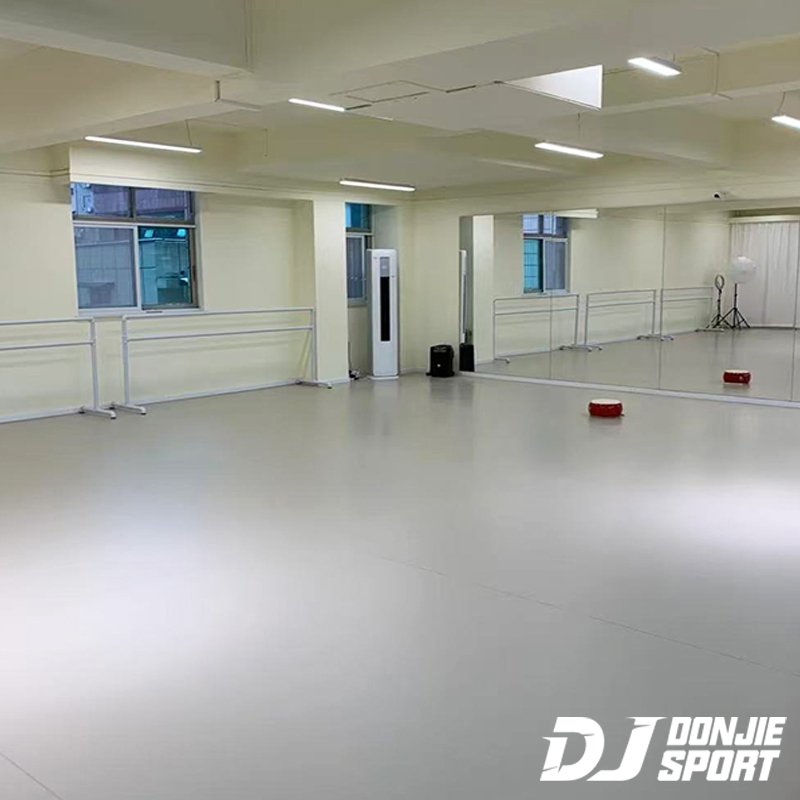
Customizing your dance studio floor is a great way to enhance both functionality and aesthetics. Whether you choose vinyl or Marley floors, many flooring options offer color and pattern choices to match your studio’s theme. Some studios opt for custom logos or branded floor designs that add a personal touch. Additionally, you can tailor the flooring’s texture to fit specific dance needs, ensuring that the floor complements the type of movement required.
Maintenance Tips for Long-Lasting Dance Floors
Regular maintenance is essential to preserve the appearance and performance of your dance floor. For wooden floors, this may involve sanding, refinishing, and periodic waxing to maintain their smoothness. Vinyl and Marley floors should be cleaned regularly to avoid dirt buildup, which can cause slips. Rubber floors require less frequent cleaning but may need occasional buffing to restore their appearance.
Always follow the manufacturer’s instructions for cleaning and maintenance, and consider investing in protective mats or covers during times when the studio is not in use. Proper care will prolong the life of your floor and ensure that it continues to provide a safe and supportive surface for dancers.
Conclusion
Choosing the right dance studio floor is more than just a practical decision; it’s essential for enhancing performance, preventing injury, and ensuring the safety of every dancer. With options ranging from classic wooden floors to high-performance sprung surfaces, there are choices to suit every type of dance and every budget. When selecting your floor, consider the specific needs of your studio, the style of dance being taught, and the long-term maintenance required to keep your floor in top condition. By investing in the right floor, you’ll create a space where dancers can thrive, perform at their best, and stay injury-free.