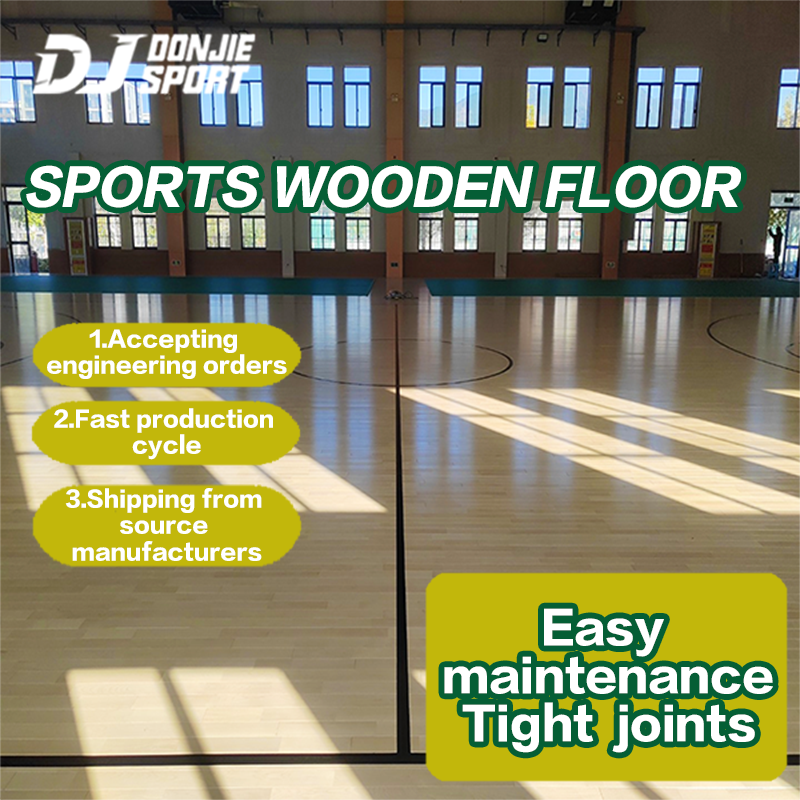
When it comes to indoor sports facilities, the flooring is one of the most crucial elements. Wooden sports flooring stands out as a premium choice due to its unique combination of durability, performance, and aesthetic appeal. Whether you’re outfitting a gymnasium, basketball court, or volleyball arena, selecting the right wooden sports flooring can significantly enhance the playing experience while ensuring safety and performance.
Wooden flooring, especially in sports environments, is designed to provide athletes with the best possible support during play. From shock absorption to grip and durability, the flooring you choose plays a pivotal role in the overall quality of your facility. This guide will help you navigate through the important factors to consider when choosing the right indoor wooden sports flooring, ensuring that your facility meets the needs of athletes while offering a stylish and functional space.
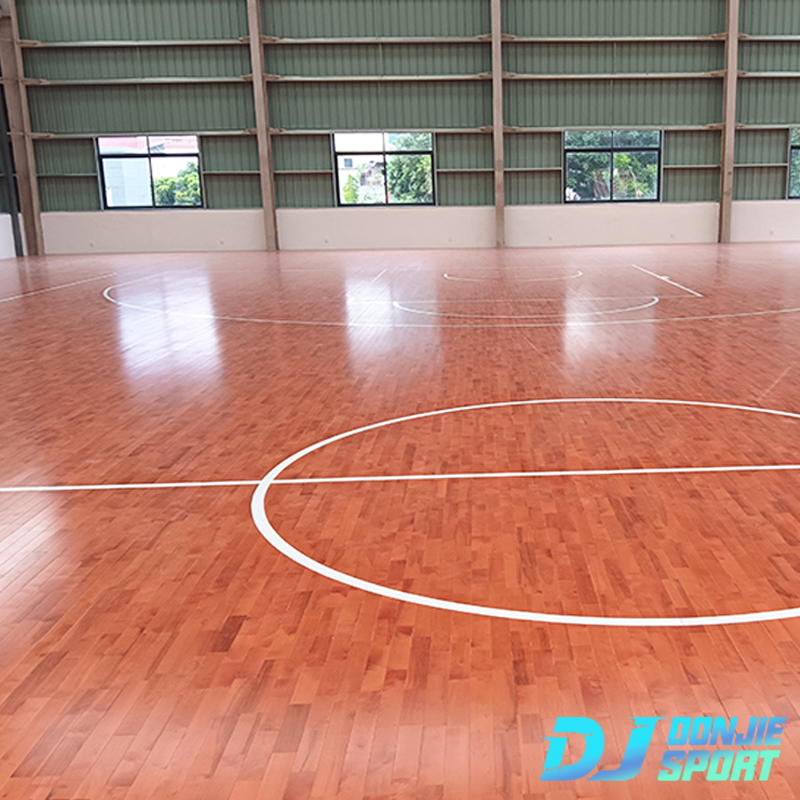
Understanding Different Types of Wooden Sports Flooring
Choosing the right wooden sports flooring begins with understanding the different types available. Two main types of wooden floors are typically used in sports facilities: solid wood and engineered wood.
-
Solid Wood Flooring: Made from a single piece of wood, solid wood flooring offers a classic, high-quality look that many sports facilities desire. It provides excellent performance characteristics, including shock absorption, and is ideal for sports like basketball, volleyball, and badminton. However, solid wood can be sensitive to changes in humidity, so it requires a controlled environment.
-
Engineered Wood Flooring: Engineered wood flooring is made by layering wood veneers on top of each other, creating a more stable structure that is less likely to expand or contract due to humidity changes. This type of flooring can offer similar aesthetics and performance benefits as solid wood, but it is often more cost-effective and easier to maintain, making it an ideal choice for facilities in varying climates.
Both types of wooden sports flooring come with their own advantages. Solid wood provides a timeless, natural look and feel, while engineered wood offers stability and resilience. The choice depends on your specific facility requirements, climate conditions, and budget.
Key Considerations When Choosing Wooden Sports Flooring
When selecting wooden sports flooring, several factors must be taken into account to ensure the best performance and longevity.
-
Performance Features: Wooden sports flooring must provide optimal shock absorption to minimize injury risks and enhance player comfort. A well-chosen wooden floor will also offer excellent grip, which is crucial for maintaining control during fast-paced movements. Consider how the floor will impact the players’ movements and adjust accordingly.
-
Aesthetic Appeal: The look and feel of your flooring contribute to the overall ambiance of the facility. Wooden flooring offers a warm, professional appearance that elevates the space. From light, natural wood tones to darker, more polished finishes, the aesthetic qualities of your flooring should complement the design and functionality of the venue.
-
Maintenance Requirements: Different types of wooden sports flooring come with varying maintenance needs. Solid wood may require more frequent upkeep, including refinishing over time, while engineered wood flooring tends to be more durable and easier to clean. Understanding the maintenance requirements can help you choose a floor that matches your facility’s upkeep capabilities.
Evaluating the Right Thickness and Construction for Your Needs
Floor thickness is another key factor when choosing wooden sports flooring. Thicker floors tend to provide better shock absorption and noise reduction, which can be crucial for certain sports. However, the ideal thickness depends on factors like the type of sport, the level of activity in your facility, and your budget.
-
Floor Thickness: For high-performance sports such as basketball and volleyball, a thicker flooring system may be necessary. However, for recreational spaces with lower traffic, a thinner flooring system could suffice. Make sure to balance thickness with the type of activities your facility will support.
-
Construction and Layering: In addition to thickness, the construction of the flooring system also matters. Many wooden sports floors use a layered system that includes a shock-absorbent layer, which helps to protect athletes and prolong the floor’s life. Ensure that the construction meets the durability and performance standards your facility requires.
The Environmental Impact of Wooden Sports Flooring
Sustainability is an increasingly important factor in every aspect of construction and renovation, and wooden sports flooring is no exception. As an environmentally conscious business or organization, you want to make sure that the flooring you choose aligns with your sustainability goals. The sourcing and manufacturing processes of wooden sports floors have a direct impact on the environment.
-
Sourcing Wood Responsibly: One of the most significant concerns with wooden flooring is ensuring the wood comes from sustainable sources. Look for suppliers who use wood certified by organizations like the Forest Stewardship Council (FSC). This certification ensures that the wood has been harvested responsibly, minimizing deforestation and promoting sustainable forest management.
-
Eco-Friendly Manufacturing Practices: Beyond sourcing, the production of wooden sports flooring should also consider environmental impacts. Eco-friendly manufacturers often use low-emission processes, ensuring that the production of the flooring has minimal carbon footprints. Choosing flooring from such manufacturers not only helps protect the environment but also supports businesses that prioritize eco-conscious practices.
-
End-of-Life Considerations: When selecting wooden sports flooring, consider its lifecycle. Floors made from recyclable or biodegradable materials are ideal. Some manufacturers offer recycling programs for old flooring, ensuring that the materials are repurposed rather than ending up in landfills.
Choosing flooring that is both high-quality and sustainable not only enhances your facility’s performance but also positions your organization as a responsible corporate citizen.
Cost Considerations and Budgeting for Wooden Sports Flooring
Wooden sports flooring can range widely in price depending on the type of wood, the thickness, and the construction quality. Budgeting for this type of flooring requires a thoughtful approach, balancing quality, performance, and long-term durability with the cost.
-
Price Range: Solid wood flooring tends to be more expensive than engineered wood, largely due to the quality of the material and the craftsmanship involved in its production. On the other hand, engineered wood offers a cost-effective alternative with similar aesthetic and performance benefits. The price can also vary depending on the region, the quality of the wood, and the type of finish used.
-
Long-Term Value: While wooden sports flooring might require a larger initial investment, it provides long-term value due to its durability and low maintenance costs. High-quality wooden floors are designed to last for decades, making them a cost-effective choice in the long run.
-
Additional Costs: Don’t forget to factor in installation costs, which can vary depending on the complexity of the job and the company performing the installation. While some facilities may handle installation themselves, it’s usually advisable to hire professionals who specialize in sports flooring to ensure proper installation and avoid costly mistakes.
Ultimately, while wooden sports flooring may seem like a significant investment, it offers excellent long-term value in terms of performance, aesthetics, and maintenance, making it a worthwhile option for sports facilities of all kinds.
Installation Process for Wooden Sports Flooring
The installation of wooden sports flooring is a detailed process that requires professional expertise to ensure that the floor is installed correctly. Here’s an overview of what you can expect:
-
Pre-Installation Preparation: Before installation, the subfloor must be inspected and prepared. This includes ensuring that it is level, clean, and dry. Any moisture issues in the subfloor can affect the wooden flooring’s performance, so moisture testing is crucial in this phase.
-
Floor Installation: Wooden sports floors are typically installed in sections, with interlocking planks or tiles that are secured together using adhesives, nails, or clips. The installation team will work carefully to align the floor sections and make sure they are perfectly level. For high-performance flooring systems, it’s also important to ensure proper shock absorption and cushion layers are placed correctly.
-
Curing Time: Once the floor is installed, it may need time to settle and cure. For example, some floors require a period of acclimatization to adjust to the temperature and humidity of the environment before the final layer of finishing (such as varnish or sealant) is applied.
-
Final Inspection: After the installation is complete, a thorough inspection is performed to ensure the floor meets all specifications. Any adjustments or repairs are made before the floor is ready for use.
Installation time can vary depending on the size of the facility and the complexity of the floor, but on average, it can take several days to complete the entire process.
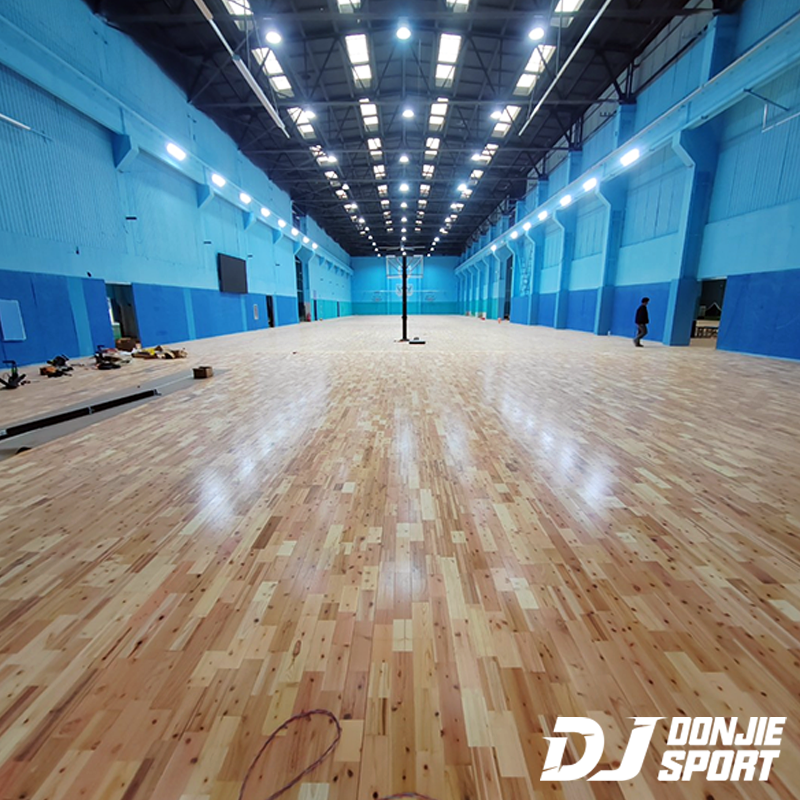
Maintenance Tips for Long-Lasting Wooden Sports Flooring
To ensure that your wooden sports flooring remains in excellent condition for years to come, regular maintenance is key. Here are some essential tips to prolong the life of your floor:
-
Regular Cleaning: Dust, dirt, and debris can cause wear and tear on your floor over time. Regular sweeping and vacuuming are essential to prevent damage. For deeper cleaning, use a mild, wood-safe cleaner and a soft mop.
-
Refinishing: Over time, wooden sports floors may show signs of wear, especially in high-traffic areas. Refinishing the floor can restore its appearance and performance. Most wooden sports floors require refinishing every 5-7 years, depending on usage.
-
Moisture Control: Excessive moisture can warp or damage wooden floors, so it’s important to control humidity levels within the facility. Use dehumidifiers if necessary, and ensure that spills are cleaned up promptly to prevent water from soaking into the wood.
-
Protective Mats: Use protective mats or rugs in areas where heavy equipment or chairs are used. This will help reduce scratches and scuffs from regular wear and tear.
By following these simple maintenance guidelines, you can keep your wooden sports flooring looking and performing like new for many years.
Making the Best Choice for Your Facility
Selecting the right indoor wooden sports flooring for your facility is an investment in both the aesthetic appeal and the performance of the space. Consider factors such as the type of wood, performance characteristics, installation process, and maintenance needs when making your decision. Whether you choose solid wood or engineered wood, high-quality wooden sports flooring can enhance your facility’s value, provide a safer playing environment for athletes, and offer long-lasting durability.
In the end, the right flooring will not only boost the performance of your sports facility but also elevate its reputation as a top-tier venue for athletes and spectators alike. Make sure to consult with experts and suppliers to find the best solution for your unique needs.