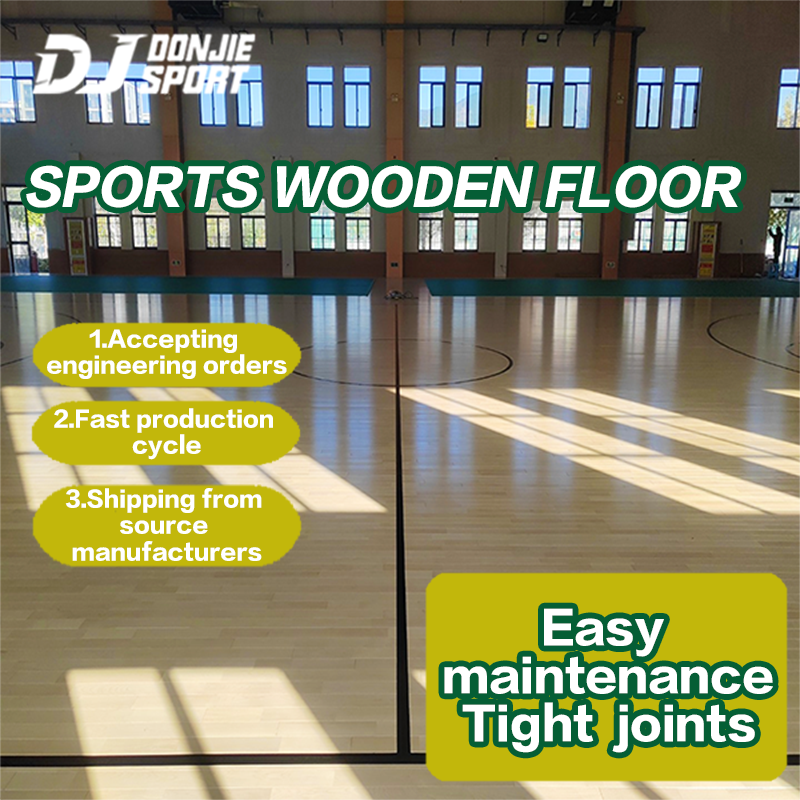
When it comes to choosing the right wood for basketball court hardwood flooring, the material selection is far from just a cosmetic decision—it directly impacts performance, durability, and safety. Hardwood floors are the standard for professional and recreational basketball courts because of their excellent ability to absorb shock, provide traction, and maintain consistent playability over time. However, not all hardwoods are created equal, and understanding which type of wood works best for your specific needs is crucial. Whether you’re outfitting a new facility or upgrading an existing court, selecting the right wood ensures that your court will stand the test of time, providing both players and fans with a top-tier experience. This guide will walk you through the different types of hardwoods available, their benefits, and how to make the best choice for your basketball court flooring.
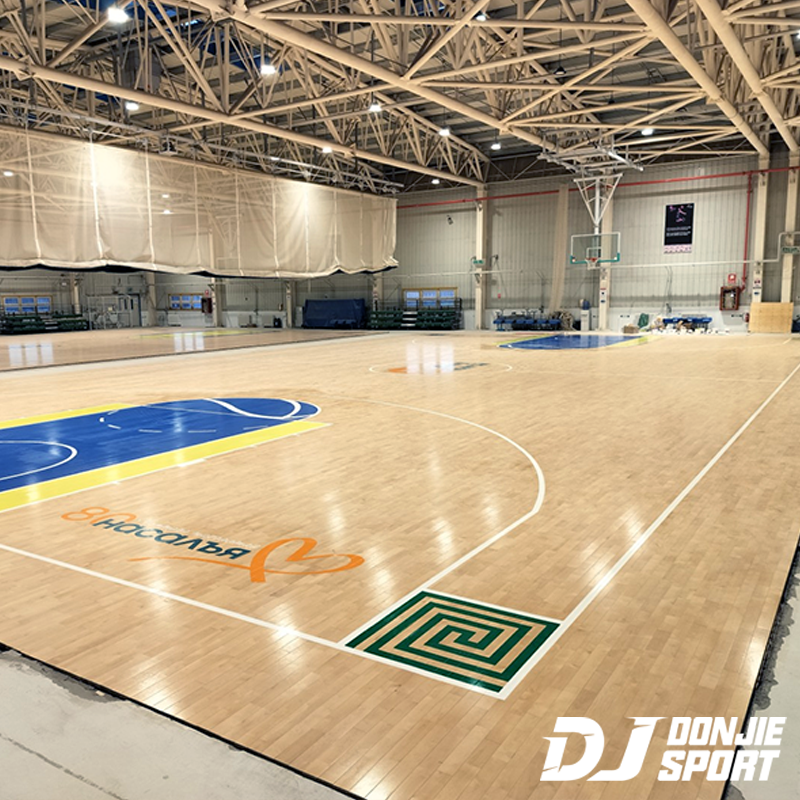
Types of Wood Used in Basketball Court Hardwood Flooring
When selecting wood for basketball court flooring, it’s essential to consider the specific attributes each wood species offers. While there are various options, certain types of hardwoods have become industry standards due to their durability and performance.
Maple: The Most Popular Choice
Maple has been the go-to wood for basketball courts for decades, and for good reason. It’s dense, durable, and provides the ideal balance of shock absorption and resilience. Its smooth surface allows for fast-paced play while minimizing injury risk, making it a favorite among professional courts worldwide. Additionally, maple’s tight grain pattern offers a clean, uniform look that enhances the court’s visual appeal.
Oak: Pros and Cons for Basketball Courts
Oak is another popular hardwood choice, known for its strength and natural resistance to wear. Its denser composition offers excellent durability, making it suitable for high-traffic areas. However, oak can be slightly less forgiving than maple when it comes to shock absorption, which may affect player comfort during long games. The grain pattern of oak is more pronounced, providing a different aesthetic appeal that some courts may prefer. It’s also more susceptible to moisture damage, so proper sealing and maintenance are crucial.
Birch: Considerations for Less Common Hardwood
Birch, although less common, can be a viable option for basketball courts, especially in regions where it’s locally available. It has a relatively straight grain and light color, which may suit aesthetic preferences for certain facilities. Birch is softer than maple, which can result in less durability over time, but it still offers reasonable shock absorption and smoothness. The cost of birch is typically lower than maple, making it an affordable alternative for schools or community courts with budget limitations.
Other Hardwoods: Alternatives to Traditional Options
There are other hardwood species that can be used for basketball courts, though they are less common. Woods like hickory, ash, and cherry have unique characteristics, but they tend to be more expensive and may not offer the same level of performance as maple. For example, hickory is incredibly strong, but its irregular grain can result in a less smooth playing surface. Similarly, cherry is beautiful but can be more prone to denting under heavy use.
Performance Characteristics of Different Woods
While aesthetic appeal and cost are important factors, the primary purpose of basketball court hardwood flooring is to enhance gameplay. Each wood species offers different performance characteristics that can influence the overall experience for players.
Shock Absorption and Player Safety
One of the most critical features of basketball court flooring is shock absorption. Hardwood floors are designed to reduce the impact on players’ joints and muscles during intense gameplay. Maple excels in this area, providing the right amount of cushioning to minimize the risk of injury. Oak, while durable, doesn’t offer the same level of cushioning, which could lead to higher player fatigue over time.
Slip Resistance and Traction
Another important factor is slip resistance. A floor that’s too slippery can cause players to lose traction and result in unnecessary injuries, while a surface that’s too rough can lead to friction burns. Maple’s natural surface offers the perfect balance of slip resistance and smoothness, making it the preferred choice for competitive play. Oak and birch also provide reasonable traction, though some players find maple’s surface to be superior in terms of maintaining consistent grip without hindering movement.
Long-term Performance and Wear Resistance
Durability is a key consideration when selecting a wood for basketball court flooring. Over time, even the hardest woods can show signs of wear, particularly in high-traffic areas. Maple is highly resistant to wear and tear due to its dense nature, which allows it to withstand heavy use without showing significant signs of damage. Oak, while also durable, may begin to show wear faster due to its somewhat softer surface compared to maple. Birch, being softer, will likely show signs of damage sooner than both maple and oak.
Cost Considerations for Basketball Court Hardwood Flooring
Cost is a significant factor in choosing the right wood for your basketball court, particularly when working within a budget. High-quality hardwoods like maple and oak tend to come at a higher price point, but their longevity and durability often make them a better long-term investment.
How Wood Quality Impacts Cost
The cost of hardwood varies significantly based on the species and quality. Maple, as the most sought-after wood, typically commands a premium price due to its excellent performance characteristics and availability. Oak, being more abundant, can be less expensive, though its price may vary depending on the grade and finishing required. Birch, being more readily available and less expensive to harvest, often provides a budget-friendly option for smaller projects, though it may need more frequent maintenance.
Budgeting for Long-term Durability and Maintenance
While oak and maple may be initially more expensive, their long-term durability makes them a better value for high-traffic courts. Additionally, considering maintenance costs is crucial. Hardwoods like maple require less frequent refinishing and repairs, while birch or oak may need more regular upkeep. Investing in a high-quality floor now can save on long-term repair costs and downtime.
Comparing Costs: Maple vs. Other Hardwoods
When comparing maple to other hardwoods, the initial cost of maple may seem daunting, but the long-term benefits outweigh the price difference. For instance, a maple court will likely require less frequent refinishing than an oak or birch court, saving you money on maintenance. Moreover, if you’re outfitting a commercial or professional court, the benefits in player safety and performance will justify the higher upfront cost.
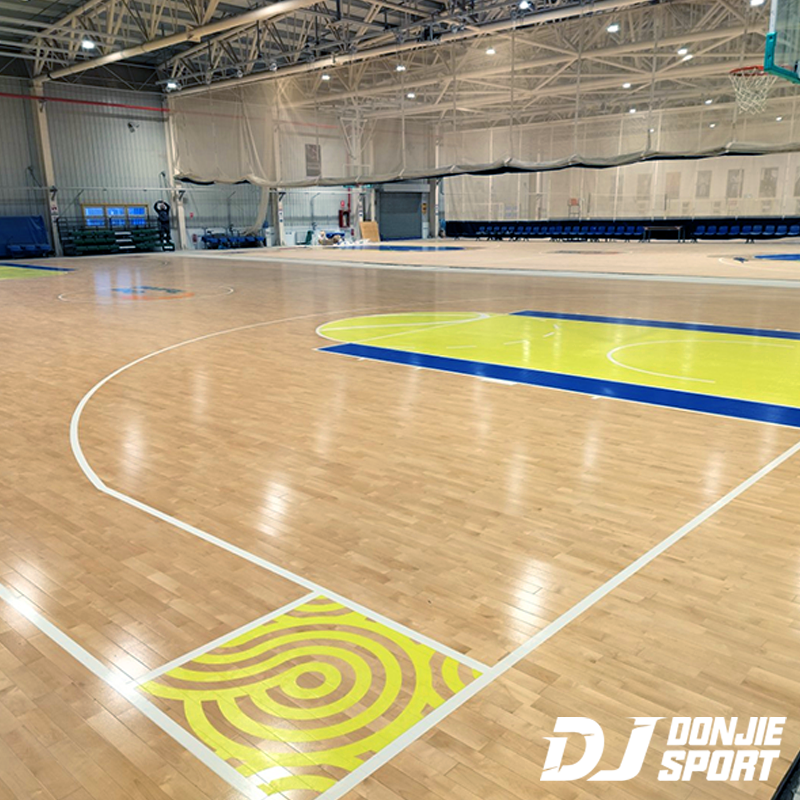
Aesthetic Considerations: Choosing the Right Finish and Color
While performance and durability are the main priorities, aesthetics also play an essential role in choosing the right hardwood for your basketball court. The finish and color of the wood can dramatically alter the court’s appearance, impacting both its visual appeal and the overall ambiance.
Wood Finishes and Their Effects on Court Appearance
The finish applied to basketball court flooring affects both its aesthetic and functional characteristics. A high-quality finish ensures that the wood is protected from moisture and dirt while giving the court a polished, professional look. Most basketball courts use a polyurethane finish that enhances the wood’s natural shine and durability. Maple’s light tone complements these finishes well, offering a clean, bright appearance that reflects light and makes the court look larger.
Customization Options: Staining, Logos, and Court Designs
For some courts, customization is key. Staining the wood to create unique designs, incorporating logos, or painting team colors can transform a basic hardwood floor into a branded, professional court. While maple’s natural light color is ideal for custom staining, oak’s darker hues offer a more dramatic aesthetic.
How Aesthetics Contribute to the Overall Basketball Environment
The visual appeal of a basketball court has a subtle yet significant impact on players and fans alike. A well-designed, attractive court can enhance the energy of the game and create a more engaging environment for everyone involved.
Installation and Maintenance of Basketball Court Hardwood Flooring
Proper installation and maintenance are critical to ensuring that your hardwood court performs at its best over the years. Without proper care, even the highest-quality hardwood can begin to degrade.
Professional Installation vs. DIY
While installing basketball court hardwood flooring may seem like a project you can tackle yourself, it’s generally best to hire a professional. Professional installers will ensure that the floor is properly prepared, sealed, and laid out to maximize durability and playability. Poor installation can lead to uneven surfaces or damage that may be costly to repair later.
Maintaining the Wood for Long-lasting Performance
Routine maintenance, including cleaning, refinishing, and restoring, is necessary to keep your hardwood floor looking and performing its best. For courts with heavy usage, refinishing the surface every few years will help maintain its smoothness and safety. Proper cleaning, including using appropriate cleaners and equipment, will also prevent dirt from degrading the surface over time.
Cleaning, Refinishing, and Restoring Hardwood Courts
Maintaining a hardwood court requires special care. Avoid harsh chemicals that can damage the wood’s finish, and instead, use cleaning products specifically designed for hardwood floors. Refinishing the court periodically helps protect the wood and restores its appearance, ensuring the surface remains smooth and safe for play.
Making the Right Decision for Your Basketball Court
Choosing the right wood for your basketball court is an essential decision that will impact not only the aesthetic appeal of the space but also the safety and performance of the players. Maple, oak, and birch all offer different advantages, and the right choice depends on your specific needs—whether you prioritize durability, budget, or appearance. By considering factors like shock absorption, cost, and maintenance, you can select the best wood to create a top-tier basketball experience for players and fans alike.