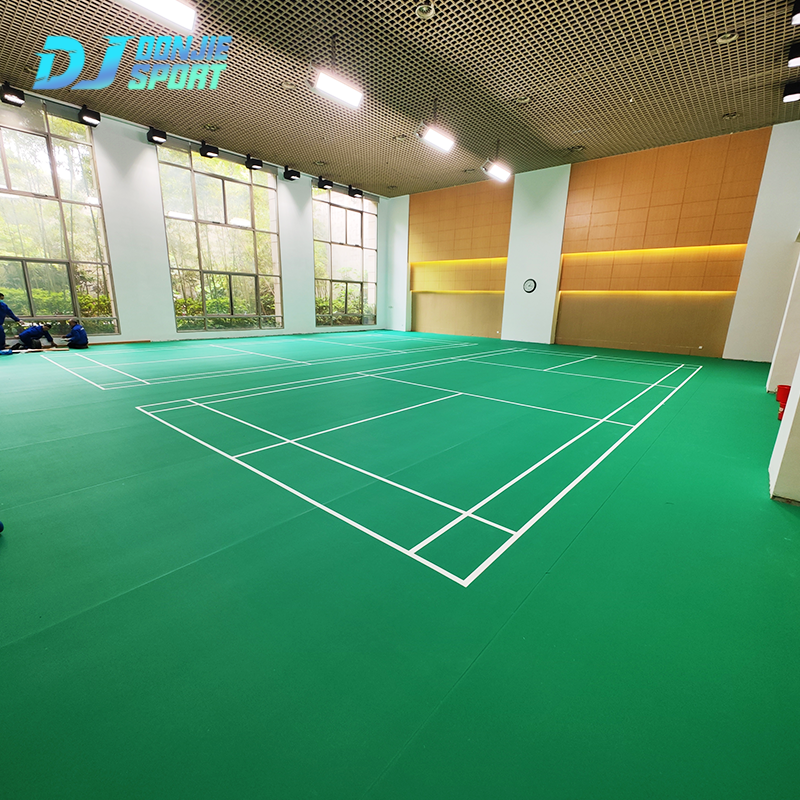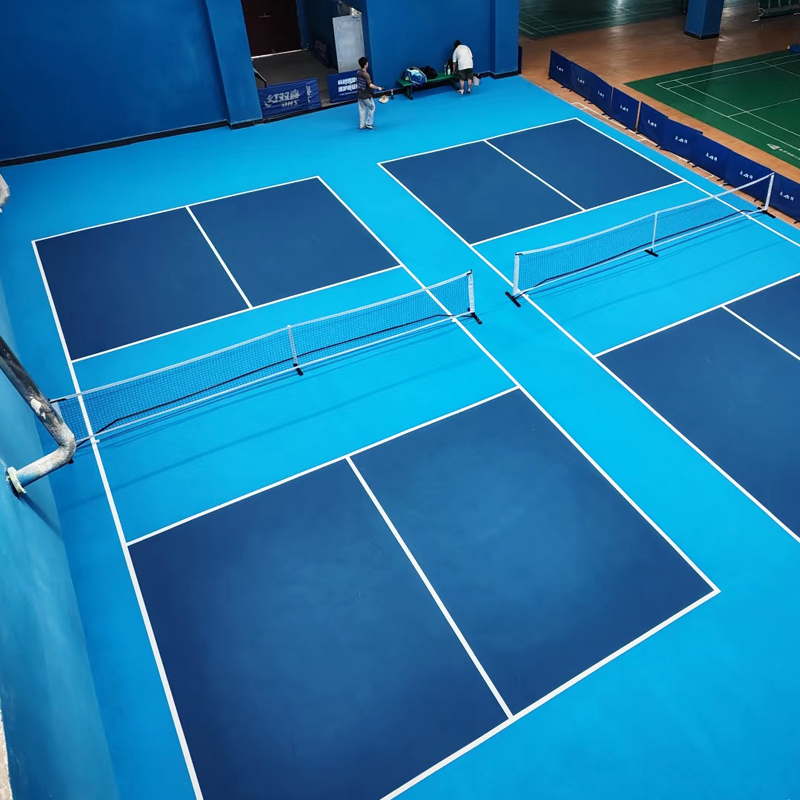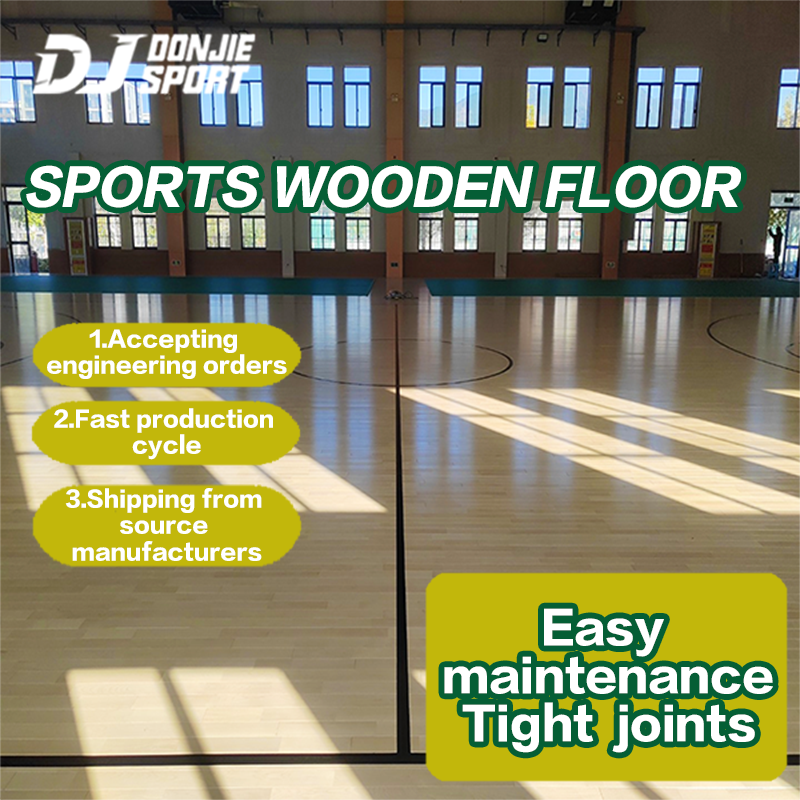
Selecting the right PVC sports flooring is more than just a design decision—it’s a foundation for athletic performance, safety, and long-term facility value. From professional basketball arenas to multipurpose gymnasiums, choosing the correct type of PVC sports flooring ensures players experience consistent traction, proper cushioning, and reliable durability.
Over the years, PVC roll flooring has become the top choice for modern indoor sports environments due to its versatility, shock absorption, and ease of maintenance. However, not all PVC sports flooring rolls are the same. Understanding the different types and their performance characteristics can help you make the right investment for your facility.
Understanding PVC Sports Flooring
PVC sports flooring is a synthetic vinyl-based flooring system designed specifically for indoor sports courts and fitness facilities. Unlike rigid tiles or wooden surfaces, PVC flooring rolls combine resilience, comfort, and aesthetic flexibility—creating an ideal surface for sports such as basketball, badminton, volleyball, and dance.
One of the defining features of PVC sports flooring is its multi-layer structure, typically consisting of:
-
Wear layer: Provides resistance to abrasion, scratches, and stains.
-
Fiberglass reinforcement layer: Ensures dimensional stability and prevents deformation.
-
Foam or elastic backing: Offers shock absorption and energy return for athlete comfort.
This layered construction delivers a unique balance of softness and support—reducing injury risk while enhancing play performance.
Types of PVC Sports Flooring Rolls
Homogeneous PVC Sports Flooring
Homogeneous PVC sports flooring is made of a single-layer vinyl material that maintains consistent composition throughout its thickness. It’s known for its durability, ease of maintenance, and resistance to wear and tear, making it suitable for high-traffic facilities like schools, multipurpose halls, and community gyms.
Its smooth, solid construction allows for seamless surface performance and simple cleaning, although it may not provide as much cushioning as layered flooring options.
Heterogeneous PVC Sports Flooring
Heterogeneous PVC sports flooring is composed of multiple layers, each serving a distinct function. Typically, it includes a wear layer, decorative film, glass fiber mesh, and foam backing. This layered design enhances shock absorption, acoustic insulation, and visual appeal.
It’s ideal for professional sports venues, dance studios, and training centers where both performance and aesthetics are equally important.
Homogeneous vs. Heterogeneous PVC Sports Flooring
While homogeneous PVC flooring excels in toughness and low maintenance, heterogeneous flooring provides better comfort, resilience, and versatility in appearance. For sports facilities prioritizing athlete comfort and design options, heterogeneous PVC sports flooring rolls are often the superior choice.
Surface Texture Options for PVC Sports Flooring
The surface texture of PVC sports flooring plays a crucial role in how athletes move, feel, and perform on the court. Beyond aesthetics, the texture determines grip, slip resistance, and even the ease of maintenance. Manufacturers offer various surface designs to match different facility needs and sports activities.
Crystal Sand Texture
Crystal sand PVC sports flooring provides a slightly rough yet balanced surface, offering excellent anti-slip performance without compromising movement. This type of texture is ideal for indoor multipurpose sports halls, including volleyball, badminton, and table tennis. It ensures a reliable grip for athletes during fast lateral movements and sudden stops.
Maple Grain Texture
Inspired by the look of hardwood courts, maple grain PVC sports flooring combines elegant wood aesthetics with the performance benefits of vinyl. Commonly used in basketball courts and gymnasiums, this texture delivers both professional appearance and stable traction. Its fine grain pattern also enhances surface friction, reducing the risk of slipping during high-intensity play.
Small Sand and Stone Textures
For facilities such as badminton courts, fitness studios, or training centers, small sand and stone textures provide enhanced control and comfort. These textures are particularly suitable for sports that require precise footwork and stability. They are also easy to clean, making them a popular choice for high-frequency indoor environments.
Texture and Performance Connection
Each texture type affects how the flooring interacts with shoes, influencing speed, grip, and confidence on the court. Choosing the right surface texture depends on the type of sport, player intensity, and visual preference of your facility.
Performance Comparison of PVC Sports Flooring Types
When comparing different types of PVC sports flooring rolls, it’s important to evaluate how each performs in real-world athletic conditions.
Shock Absorption and Energy Return
Heterogeneous PVC flooring, with its foam backing, offers superior shock absorption—reducing joint stress and fatigue during prolonged training. Homogeneous flooring, though slightly firmer, provides consistent rebound and energy return, making it suitable for multi-use environments.
Slip Resistance and Safety
Both homogeneous and heterogeneous types maintain excellent slip resistance when properly maintained. Textured surfaces such as crystal sand and maple grain further enhance grip, providing athletes with stable footing even under high-performance conditions.
Acoustic Comfort and Ball Rebound
The elastic layers in heterogeneous PVC flooring help reduce noise, making it ideal for indoor sports complexes and schools. Meanwhile, homogeneous flooring ensures a consistent ball rebound, which is critical for precision sports like basketball or volleyball.
Maintenance and Longevity
PVC sports flooring is highly resistant to wear, stains, and moisture. Homogeneous flooring requires minimal maintenance, while heterogeneous flooring—though slightly more layered—can last for many years with proper care. Both types are easy to clean, ensuring hygiene in busy facilities.
Choosing the Right PVC Sports Flooring for Your Facility
Every sports environment has unique requirements, and selecting the best PVC sports flooring depends on understanding your facility’s purpose and usage.
Basketball Courts
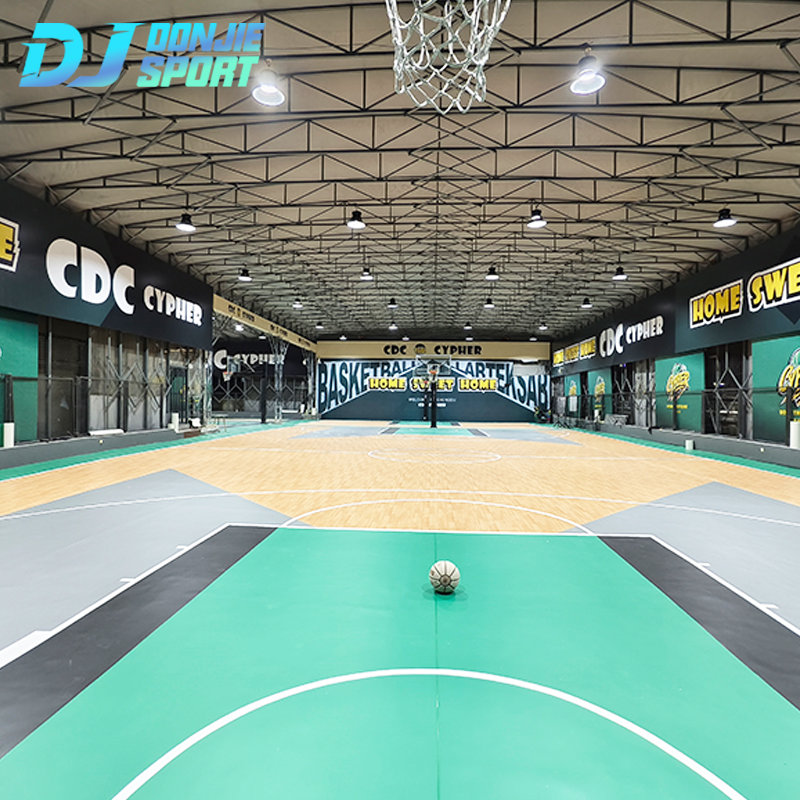
Opt for maple grain heterogeneous PVC sports flooring, which combines professional aesthetics with shock absorption, excellent for competitive and recreational games.
Badminton or Table Tennis Halls
Choose small sand or crystal sand textures, offering great grip, stability, and comfort for quick footwork and lateral movement.
Dance Studios and Fitness Areas
Go with heterogeneous PVC flooring featuring a smooth or matte finish, offering comfortable cushioning and noise control for aerobic or dance activities.
Multi-Purpose Sports Halls
Homogeneous PVC flooring is ideal for multi-use areas due to its toughness, easy maintenance, and versatility in hosting various sports and events.
When selecting flooring, also consider:
-
Subfloor compatibility: Smooth and dry concrete is preferred.
-
Installation method: Full glue or semi-glue installations ensure stable performance.
-
Budget and lifecycle cost: Quality PVC flooring may have higher upfront costs but delivers long-term savings through durability and low maintenance.
Manufacturing Insights: How Premium PVC Sports Flooring Is Made
High-quality PVC sports flooring rolls are the result of precise engineering and advanced manufacturing processes.
Raw Material Selection
Only non-toxic, eco-friendly PVC resins and plasticizers are used, ensuring safety and compliance with international standards. The materials are chosen for elasticity, stability, and environmental sustainability.
Multi-Layer Lamination Technology
The flooring undergoes a hot-press lamination process, combining wear-resistant surfaces with glass fiber reinforcement and elastic backing. Each layer is carefully fused to ensure perfect adhesion and performance consistency.
Embossing and Surface Treatment
Using advanced embossing technology, manufacturers create different surface textures—such as crystal sand, maple grain, or small stone—to optimize traction and visual appeal.
Quality Testing
Before shipping, each roll undergoes rigorous shock absorption, friction, and wear-resistance testing. These quality controls guarantee that the final product meets the needs of professional sports standards.

Packaging, Delivery, and Installation Tips
Proper packaging and delivery are essential to maintain the quality of PVC sports flooring rolls.
-
Packaging: Rolls are typically wrapped with waterproof film and secured in heavy-duty pallets or cartons to prevent moisture and deformation during transport.
-
Storage: Store the rolls in a dry, ventilated area, away from direct sunlight before installation.
-
Installation Tips: Always allow the flooring to acclimate to the room temperature for 24–48 hours. Use professional adhesive for secure bonding and ensure the subfloor is clean and level for the best results.
Finding the Best PVC Sports Flooring Solution
Selecting the right PVC sports flooring means balancing aesthetics, performance, and durability to suit your facility’s needs. Whether it’s a high-impact basketball court, a graceful dance studio, or a multipurpose sports hall, each type of PVC flooring offers unique advantages that can enhance athlete experience and facility value.
Working with a professional PVC sports flooring manufacturer like Donjie ensures that every product—from material sourcing to final installation—meets international sports performance standards. By understanding the distinctions between homogeneous and heterogeneous flooring, and by choosing the right surface texture and construction, you can create a court that looks professional, performs consistently, and lasts for years.