Creating an outdoor volleyball court requires careful consideration of the flooring materials to ensure both durability and safety for players. Whether it’s for recreational use, tournaments, or professional matches, the right flooring can significantly enhance the game experience while reducing the risk of injury. Outdoor volleyball courts are subject to various weather conditions, heavy foot traffic, and intense gameplay. Therefore, choosing the appropriate materials that can withstand these factors while providing a safe and comfortable environment is crucial.
In this article, we will explore the best outdoor volleyball court flooring materials, highlighting their key features, installation tips, and maintenance practices. By the end, you will have a clear understanding of how to choose the best flooring solution for your volleyball court.

Choosing the Right Outdoor Volleyball Court Flooring Materials
When it comes to selecting the right outdoor flooring for a volleyball court, several factors need to be considered:
-
Weather Conditions: The flooring should be able to withstand extreme temperatures, humidity, and rainfall without deteriorating. Materials like rubber, PVC, and composite options are more resistant to environmental factors than others.
-
Frequency of Use: A high-traffic court will require materials that are durable and low-maintenance. If the court is for recreational use, it may be acceptable to use a more cost-effective flooring material, whereas professional courts demand top-tier performance and durability.
-
Maintenance Needs: Some materials, such as artificial turf, may require more upkeep than others like interlocking tiles. Consider the level of maintenance you are willing to invest in over time.
These factors will guide your decision, ensuring that the flooring material you choose meets both functional and aesthetic needs for your volleyball court.
Key Characteristics of High-Quality Outdoor Volleyball Court Flooring
To ensure a high-performance outdoor volleyball court, the flooring must possess several key characteristics:
-
Durability: Volleyball courts are exposed to various weather elements like sun, rain, and wind. Durable flooring materials can withstand these elements while maintaining their structural integrity. Flooring materials like rubber tiles and composite wood are known for their long-lasting qualities.
-
Safety: Safety is the top priority when selecting any flooring material. The court surface should be slip-resistant to prevent accidents during intense gameplay. Additionally, the material should offer impact resistance, reducing the risk of injury from falls or jumps.
-
Comfort: The flooring should offer sufficient shock absorption, providing a softer feel underfoot, which helps reduce the risk of joint injuries. Materials like rubber or interlocking tiles are often favored for their ability to provide both comfort and support.
Types of Outdoor Volleyball Court Flooring Materials
Several materials are commonly used for outdoor volleyball courts, each offering distinct advantages and disadvantages:
-
Rubber Tiles: Rubber flooring is one of the most popular choices for outdoor volleyball courts. Known for its excellent durability and slip resistance, rubber is also shock-absorbent, making it ideal for reducing joint strain. However, rubber tiles may require more maintenance, particularly when exposed to harsh weather conditions for long periods.
-
Artificial Turf: Artificial turf is another excellent flooring option for outdoor volleyball courts. It offers a natural look and feel while being highly durable and easy to maintain. Turf is ideal for areas with frequent rainfall as it drains well, but it may lack the necessary shock absorption compared to rubber or foam-based options.
-
PVC Flooring: PVC flooring is a budget-friendly, low-maintenance flooring material that is resistant to UV rays, making it ideal for outdoor use. It’s also resistant to water damage and can withstand various environmental conditions. While not as cushioned as rubber or turf, PVC is durable and provides a smooth, even surface for volleyball.
-
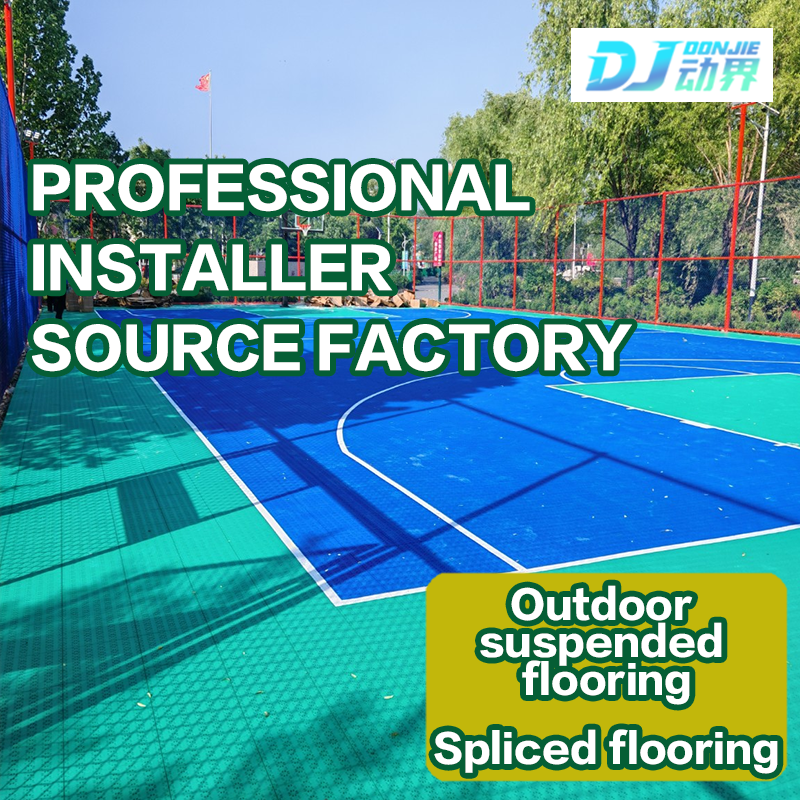
Interlocking Tiles: Interlocking tiles are modular pieces that can be easily assembled and disassembled. This flexibility allows you to adjust the size of your court or move the flooring when necessary. These tiles are typically made from durable plastic or rubber, making them resistant to wear and weather conditions. They are also comfortable underfoot, though they may not provide the same level of shock absorption as other materials.
-
Wood-Composite Materials: While less common for outdoor use, wood-composite flooring is an option for those seeking a natural wood look with the durability of synthetic materials. It is resistant to weather damage and provides a smooth, stable playing surface. However, wood-composite flooring may be more expensive and require additional maintenance to preserve its appearance.
Installation and Maintenance Tips for Outdoor Volleyball Court Flooring
Proper installation and maintenance are critical for ensuring the longevity and performance of your outdoor volleyball court flooring.
-
Installation Techniques:
-
Ensure the court area is level and well-drained to prevent water from accumulating on the surface.
-
For interlocking tiles, make sure they are tightly fitted to prevent gaps that could affect gameplay.
-
Use adhesive or secure fasteners for rubber tiles to ensure they stay in place and do not shift during play.
-
-
Regular Maintenance:
-
Clean the court regularly by sweeping away dirt and debris to prevent the accumulation of grime that could cause slips or surface damage.
-
Check for any signs of wear or cracks, particularly in high-traffic areas, and replace damaged tiles or sections promptly.
-
For turf flooring, ensure the fibers remain upright and free from tangles. Regular brushing or power cleaning may be necessary to maintain its appearance.
-
-
Protecting the Court:
-
Consider using covers or tarps during extreme weather conditions like heavy rain or snow to protect the flooring.
-
UV protectors can be applied to PVC or rubber tiles to help extend their lifespan and maintain their color over time.
-

Ensuring Compliance with Safety Standards
It’s essential to ensure that the flooring material you choose complies with safety standards and regulations. For professional volleyball courts, the flooring must meet specific requirements for player safety. Look for certifications that indicate the material meets standards for slip resistance, impact absorption, and durability. Additionally, check if your local municipality has any regulations regarding the type of flooring used in public or recreational courts.
Conclusion
In conclusion, selecting the right outdoor volleyball court flooring material is crucial for creating a safe, durable, and comfortable playing surface. Whether you opt for rubber tiles, artificial turf, PVC, or interlocking tiles, each material offers its unique benefits in terms of durability, comfort, and maintenance needs. With proper installation and regular maintenance, your volleyball court can serve as a high-performance facility for years to come.