When it comes to designing a dance studio, the flooring is one of the most important elements to consider. Dance floors aren’t just about aesthetics—they play a critical role in ensuring the safety, comfort, and performance of dancers. Whether you’re setting up a studio for ballet, hip-hop, contemporary dance, or any other style, the right flooring can make all the difference. In this guide, we will explore the various types of dance studio floors, factors to consider when selecting the best option for your space, and tips for installation and maintenance.
Types of Dance Studio Floors: Choosing the Right One
Hardwood Floors: Traditional and Timeless
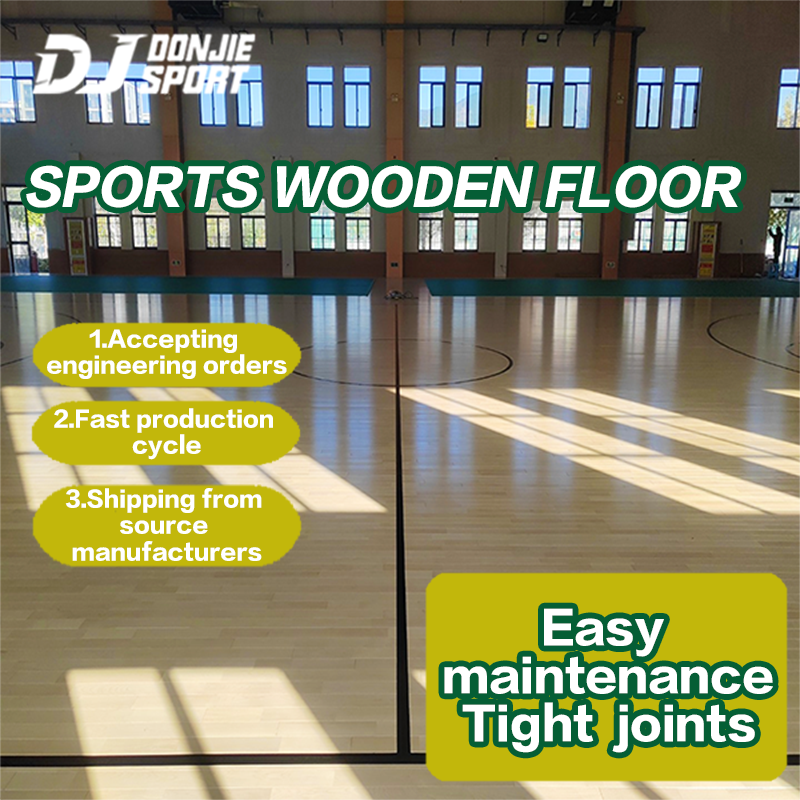
Hardwood floors are the classic choice for many dance studios, particularly for ballet and contemporary dance. These floors are known for their durability, aesthetic appeal, and timeless nature. The natural wood texture provides a smooth surface that offers both grip and slide, making it ideal for intricate footwork and jumps in ballet.
Benefits for Ballet and Contemporary Dance
Hardwood floors allow dancers to execute pirouettes, leaps, and other technical movements with precision. The natural flexibility of wood helps absorb some of the impact from jumps, reducing the risk of injury.
Durability and Maintenance Considerations
While hardwood floors are known for their longevity, they do require regular maintenance. The wood needs to be polished to maintain its sheen and protect it from scratches. This type of flooring also needs to be sealed periodically to prevent damage from moisture, ensuring that it lasts for years.
Aesthetic Appeal and Versatility
Wooden floors add warmth and elegance to any space, making them perfect for performance-based studios. They blend seamlessly with various interior designs and can be adapted for multiple styles of dance.

Vinyl Dance Floors: Practical and Cost-Effective
For studios that need a more budget-friendly option without compromising on functionality, vinyl dance floors are an excellent choice. These floors are commonly used in hip-hop, jazz, and modern dance due to their practical features.
Ideal for Various Dance Styles
Vinyl dance floors are smooth yet slightly cushioned, offering a comfortable surface for dancers. The material is slip-resistant, which helps minimize the risk of accidents during high-energy movements. Vinyl is also lightweight, making it easy to transport and set up in different locations.
Easy to Maintain and Install
One of the major advantages of vinyl floors is their low maintenance requirements. They are easy to clean and resistant to staining. Vinyl floors are also relatively simple to install, making them a good option for studios that need a quick setup.
How Vinyl Compares to Other Materials
While vinyl lacks the natural feel and elegance of hardwood floors, it compensates with affordability and resilience. However, it may not provide as much impact absorption as some other flooring options, making it less ideal for high-impact dance styles like ballet.
Sprung Floors: The Ultimate for Impact Absorption
Sprung floors are designed to absorb the impact from jumps and other high-intensity movements, making them the perfect option for ballet studios and other dance forms that involve heavy jumping and landing.
What Makes a Sprung Floor Unique
A sprung floor is built with a layer of cushioning beneath the surface, providing a level of shock absorption that traditional wood or vinyl floors can’t match. This cushioning layer is typically made of foam, rubber, or another flexible material that helps reduce stress on joints and muscles.
Why Ballet and High-Impact Dances Benefit from Sprung Floors
For ballet, in particular, a sprung floor is essential for preventing injuries during repetitive leaps and landings. The added support helps minimize the strain on dancers’ ankles, knees, and hips, allowing for longer practice sessions without discomfort.
Installation and Cost Considerations
Installing a sprung floor can be more expensive than other flooring types due to the complexity of its construction. However, its long-term benefits in terms of injury prevention and dancer comfort make it a worthy investment for professional ballet studios.
Marley Floors: A Popular Choice for Ballet and Beyond
Marley floors are another popular option for dance studios, especially in ballet, modern dance, and jazz. They are often used in both rehearsal spaces and performance venues because of their durability and versatility.
Features of Marley Flooring
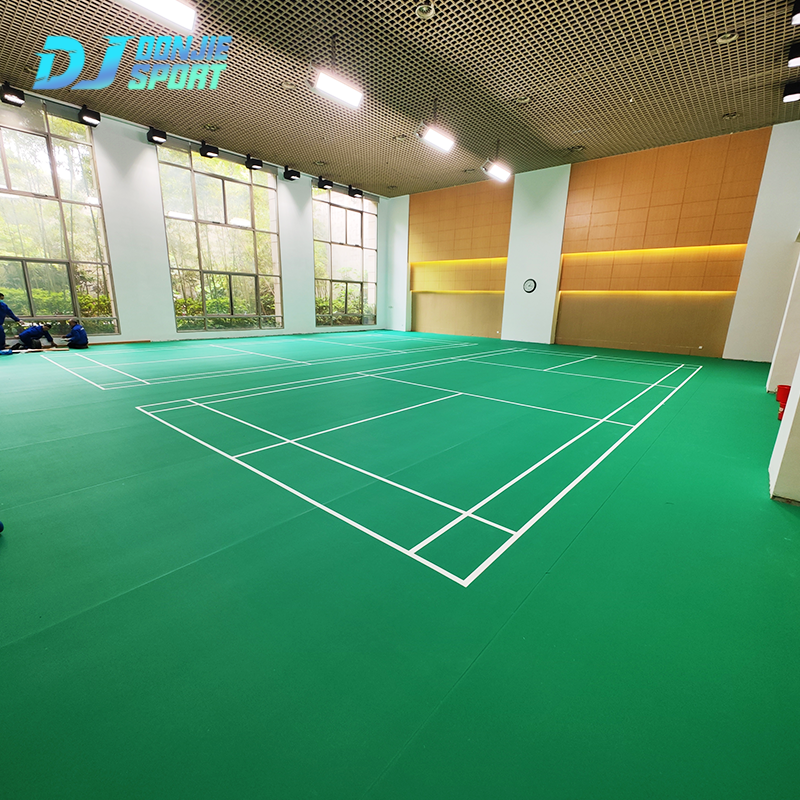
Marley floors are made of a vinyl surface that sits over a sprung subfloor. This design provides both a cushioned surface and excellent grip for dancers. The texture of Marley flooring makes it ideal for ballet, as it allows dancers to pivot easily while still offering sufficient resistance for jumps and turns.
Ideal for Both Rehearsals and Performances
Marley floors are a great choice for studios that need a versatile surface that works for both practice and performances. They are available in rolls or tiles, making them easy to install and remove as needed.
Pros and Cons of Marley Flooring
While Marley floors are great for minimizing injuries and improving performance, they do have a few drawbacks. They can be prone to tearing if not cared for properly, and they require regular cleaning to prevent buildup of dirt or debris.
Key Factors to Consider When Selecting Dance Studio Floors
Type of Dance Being Practiced
The type of flooring you choose should be tailored to the specific dance style your studio will focus on. Ballet, jazz, hip-hop, and modern dance all have unique requirements for grip, cushion, and impact resistance. Understanding the needs of your dancers will help you select the best flooring material.
Durability and Longevity
Dance floors undergo significant wear and tear over time, especially in busy studios. It’s important to select a floor that can withstand daily use while still maintaining its appearance and functionality. Consider the material’s resilience and how easily it can be repaired or resurfaced.
Comfort and Safety: Protecting Your Dancers
Safety should always be a top priority. Choose a floor that minimizes injury risks by offering proper cushioning and grip. This will not only ensure your dancers’ well-being but also enhance their performance.
Maintenance and Upkeep
Flooring materials require varying levels of maintenance. Some floors need to be sealed or resurfaced periodically, while others are easier to clean and maintain. Consider the time and cost of upkeep when making your decision.

Installing Dance Studio Floors: What to Expect
Installing the right flooring for your dance studio is a significant investment. The installation process can vary depending on the type of floor you choose. Some floors, like vinyl, are relatively easy to install, while others, such as sprung floors, require professional installation.
Step-by-Step Guide to Installation
-
Preparation: Measure the studio space to ensure you purchase the correct amount of flooring.
-
Subflooring: For sprung floors, the subfloor will need to be installed first.
-
Flooring Installation: Lay down the floor material, making sure it’s secure and free from wrinkles or seams.
-
Finishing: Apply any necessary sealants or finishes to protect the surface.
Costs
The cost of installation can vary widely. Vinyl and Marley floors tend to be more affordable, while hardwood and sprung floors can be more expensive, especially with professional installation.
Building the Ideal Dance Studio
Choosing the right dance studio floor is essential for creating a safe, functional, and inspiring space for your dancers. By considering the style of dance, durability, comfort, and maintenance requirements, you can select the flooring that best suits your needs. Whether you go for the elegance of hardwood, the practicality of vinyl, or the performance benefits of sprung or Marley floors, investing in quality flooring will ensure that your dance studio stands the test of time.