When designing a basketball court, whether for a school, community center, or professional arena, choosing the right outdoor flooring is essential. The surface not only influences the look of the court but also plays a critical role in the performance, safety, and longevity of the court. Outdoor basketball flooring must withstand the rigors of weather conditions, heavy foot traffic, and frequent play. With various materials available, each offering unique advantages, selecting the right option can significantly enhance the experience for players while reducing the need for constant maintenance. This article will explore the different outdoor flooring options, their benefits, and what to consider when creating the perfect basketball court.
Why Outdoor Flooring Matters for Basketball Courts
Choosing the right outdoor flooring for basketball courts is not just about aesthetics—it’s about performance, safety, and durability. The surface you select directly impacts how players move, how the ball bounces, and even how the court holds up over time under the harsh elements. Inadequate flooring can result in a slippery surface, leading to potential injuries, especially when it comes to falls or quick pivots.
Outdoor basketball court flooring needs to be resistant to weather conditions like rain, snow, and extreme heat. Without proper durability, outdoor courts can degrade quickly, leading to costly repairs. Additionally, flooring that provides shock absorption and traction can reduce the risk of ankle injuries and joint strain, making it an essential factor for player safety and comfort.
Ultimately, the right outdoor flooring can ensure a smoother, more consistent game, while also extending the life of your court.
Types of Outdoor Flooring Materials for Basketball Courts
Rubber Flooring
Rubber flooring is one of the most popular choices for outdoor basketball courts, particularly for recreational and community courts. It provides excellent shock absorption, reducing the impact on joints and minimizing the risk of injuries. Rubber also offers high traction, which helps players maintain a solid grip on the surface, even when it’s wet. While rubber flooring is highly durable, its softness can wear down over time with heavy use, so it’s best suited for less intense play.
Modular Interlocking Tiles
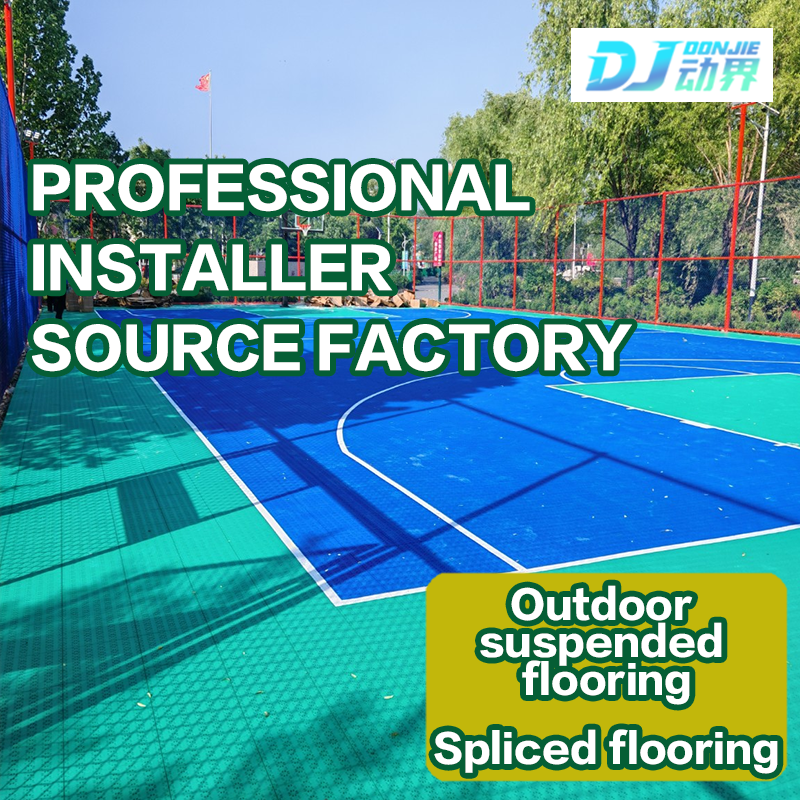
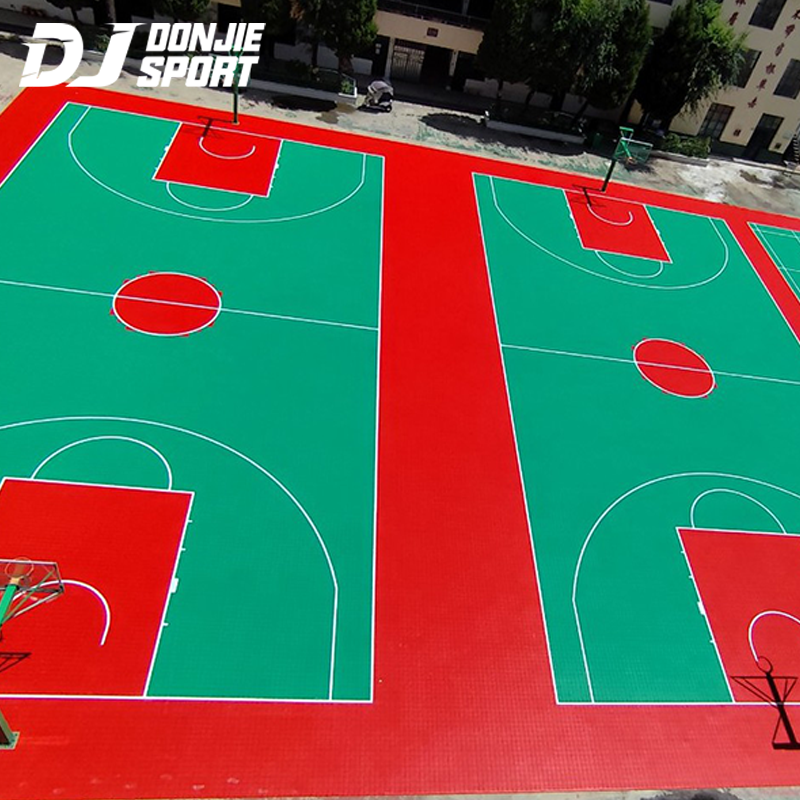
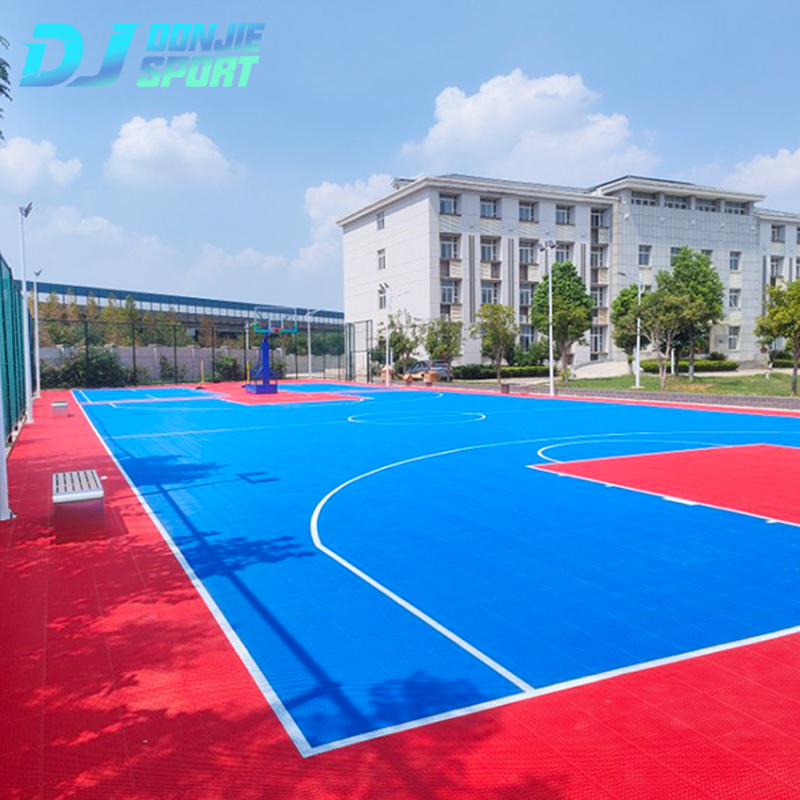
Interlocking modular tiles are another great option for outdoor basketball courts, particularly for areas where the court may need to be moved or adjusted frequently. These tiles are made from durable materials like PVC, providing a flexible surface that can withstand various weather conditions. The installation process is relatively easy, as they snap together without the need for adhesives or glue. They are also low-maintenance, with options that allow for quick repairs when tiles are damaged.
Modular tiles come in a variety of colors and can be customized with court markings, making them a versatile option for both aesthetic appeal and functionality. They are perfect for home courts, recreational centers, or schools, providing both safety and style.
Polyurethane Flooring
Polyurethane is a smooth, durable flooring material that is commonly used in professional-level courts and multi-sport arenas. It offers a high-performance surface that is ideal for serious play. This material is resistant to UV rays, preventing degradation from sunlight, and can handle extreme temperature changes without cracking. Polyurethane flooring also provides consistent bounce and speed for the ball, making it a favorite for players.
Though more expensive than some other options, polyurethane is highly durable and provides long-term value. It’s also relatively easy to maintain and clean, making it a practical choice for high-traffic courts.
Porous Asphalt
Porous asphalt is a classic choice for outdoor basketball courts, known for its ability to drain water efficiently and maintain a smooth, durable surface. This material is perfect for areas with heavy rainfall, as its porous nature helps prevent water accumulation, reducing the risk of slipping. Porous asphalt is also cost-effective and can withstand harsh weather conditions, making it an ideal choice for budget-conscious projects.
While asphalt courts may not offer the same level of grip or cushioning as rubber or modular tiles, they are still a reliable option for outdoor courts. However, it is important to maintain the surface properly to prevent cracks and surface degradation over time.
Key Features to Look for in Outdoor Basketball Court Flooring
When selecting outdoor flooring for a basketball court, certain features are essential to ensure both safety and performance:
-
Traction and Grip: The flooring must provide adequate grip to prevent players from slipping. This is especially important in rainy or humid conditions where water can create slick spots.
-
Shock Absorption: Flooring should reduce the impact on players’ joints, minimizing stress during fast movements and jumps. Materials like rubber and polyurethane are known for their excellent shock absorption properties.
-
UV Resistance: Exposure to the sun can cause materials to degrade over time. UV-resistant surfaces maintain their appearance and functionality, even after years of exposure to sunlight.
-
Drainage: Water accumulation can make outdoor basketball courts dangerous. Flooring that promotes efficient drainage is crucial for maintaining a playable surface, even during or after heavy rain.
Choosing the Right Outdoor Flooring for Your Basketball Court
Selecting the best outdoor flooring depends on several factors, including the court’s location, usage, and budget. Consider the following:
-
Budget: Some materials, like porous asphalt, are more cost-effective, while others, such as polyurethane, offer more advanced performance but come at a higher price.
-
Usage Frequency: For courts that will see heavy use, modular tiles or polyurethane may be the better option due to their durability and ease of maintenance. For occasional use, rubber or asphalt might suffice.
-
Local Climate: If you live in an area with extreme weather conditions (hot summers, heavy rainfall, or snow), you’ll need flooring that can withstand these changes. Polyurethane and porous asphalt are great for varying climates.
-
Maintenance Needs: Some flooring materials, like modular tiles, require minimal upkeep, while others may need more regular attention, such as asphalt or rubber.
By weighing these factors carefully, you can choose flooring that meets your court’s needs and fits your budget.
Installation Process: What to Expect
The installation of outdoor basketball court flooring can vary depending on the type of material selected. Here’s a brief overview:
-
Rubber Flooring: Installation involves laying down interlocking tiles or rolls, which is generally quick and easy. Ensure the surface beneath is level to avoid uneven play.
-
Modular Interlocking Tiles: These tiles are simple to install, snapping together without the need for adhesives. However, some surface preparation may be required to ensure a flat foundation.
-
Polyurethane Flooring: This type of flooring often requires professional installation, as the surface must be poured evenly and allowed to cure properly.
-
Porous Asphalt: Asphalt installation involves preparing the site, laying down a base, and then applying the asphalt layer. It’s recommended to hire professionals for this type of flooring due to the complexity of the process.
Maintenance Tips for Outdoor Basketball Flooring
Maintaining your outdoor basketball court flooring is essential to prolong its lifespan and ensure a safe playing surface. Here are some maintenance tips for each type of flooring:
-
Rubber Flooring: Sweep away debris regularly and hose down the surface to remove dirt. Repair any cracks or wear using a rubber patching compound.
-
Modular Interlocking Tiles: Keep the tiles clean by removing dirt and stains with a gentle detergent. If tiles get damaged, simply replace them with new ones.
-
Polyurethane Flooring: Clean the surface with a soft mop and non-abrasive cleaner. Periodically check for cracks or fading caused by UV exposure.
-
Porous Asphalt: Maintain drainage by clearing any blockages in the surface. Seal cracks and apply a fresh coat of sealant to prevent water damage.
Conclusion
Creating the perfect outdoor basketball court requires careful consideration of the flooring options available. Whether you choose rubber, modular tiles, polyurethane, or porous asphalt, each material offers distinct benefits for player performance, safety, and the longevity of the court. By selecting the right flooring for your needs, you ensure an optimal playing experience that will last for years to come.