Basketball court flooring is an essential part of any basketball facility, affecting both performance and player safety. Whether you’re designing a professional court or upgrading a community gym, choosing the right flooring can significantly impact the game. More than just a surface to play on, customized flooring adds a unique character to the space, while also improving durability and performance.
This article will dive into the different options for customizing your basketball court flooring, highlighting the benefits, ideas for creative designs, and essential factors to consider when making your choice. We’ll explore various types of flooring, from traditional hardwood to modern synthetic options, and provide insights into how these can be personalized for your needs.

Types of Basketball Court Flooring
When it comes to basketball court flooring, there are several options, each offering unique benefits depending on the needs of your facility. Here’s a deeper dive into the most popular types of flooring you can consider for your customized court.
Wooden Flooring
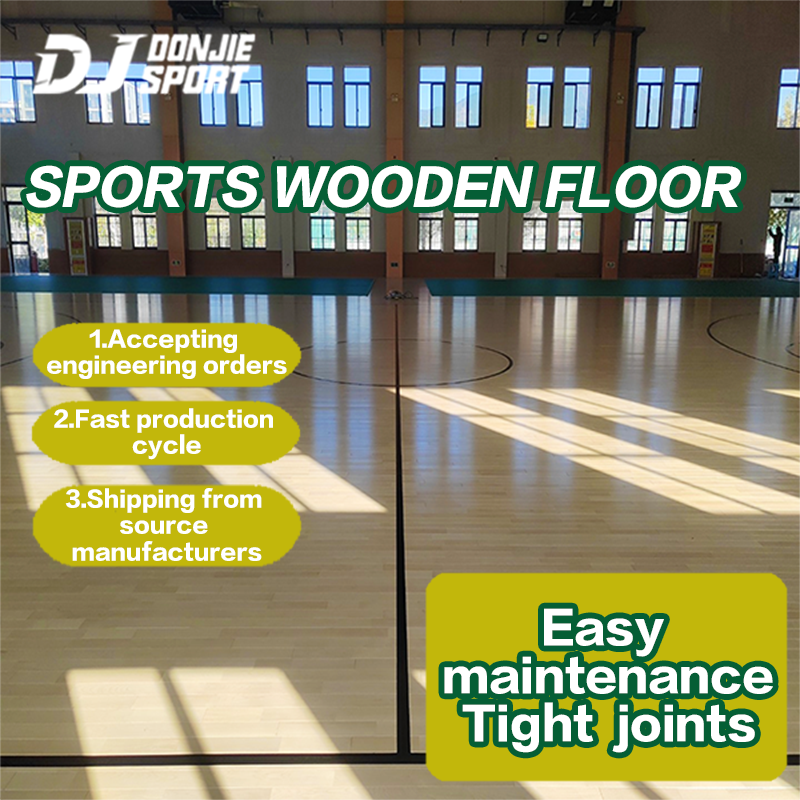
Wooden basketball court floors, particularly those made from maple, are the gold standard for professional courts. The rich, natural feel of wood enhances player comfort and provides an optimal bounce for the basketball. Hardwood floors are also known for their aesthetic appeal, adding a timeless elegance to any gymnasium or arena.
Benefits:
-
Durability: Hardwood floors are built to withstand high-impact play for years with proper maintenance.
-
Performance: Offers superior grip and bounce, making it ideal for high-performance basketball games.
-
Aesthetic Appeal: Wood floors can be easily customized with logos, team names, or even unique court markings to enhance the visual appeal.
While hardwood floors are more expensive than some other options, their long-lasting performance and classic look make them a favorite for serious basketball enthusiasts.
Rubber Flooring
Rubber flooring has become an increasingly popular choice for both recreational and professional courts. This material is often seen in gyms or indoor sports facilities, offering a safe and resilient surface.
Benefits:
-
Safety: Rubber provides excellent shock absorption, reducing the impact on players’ joints and preventing injuries.
-
Maintenance: It’s relatively easy to clean and maintain compared to hardwood, which requires periodic refinishing.
-
Durability: Resistant to wear and tear, especially in high-traffic areas.
However, rubber flooring tends to be less traditional and may not offer the same aesthetic appeal as wood or other more premium materials.
Interlocking Tiles
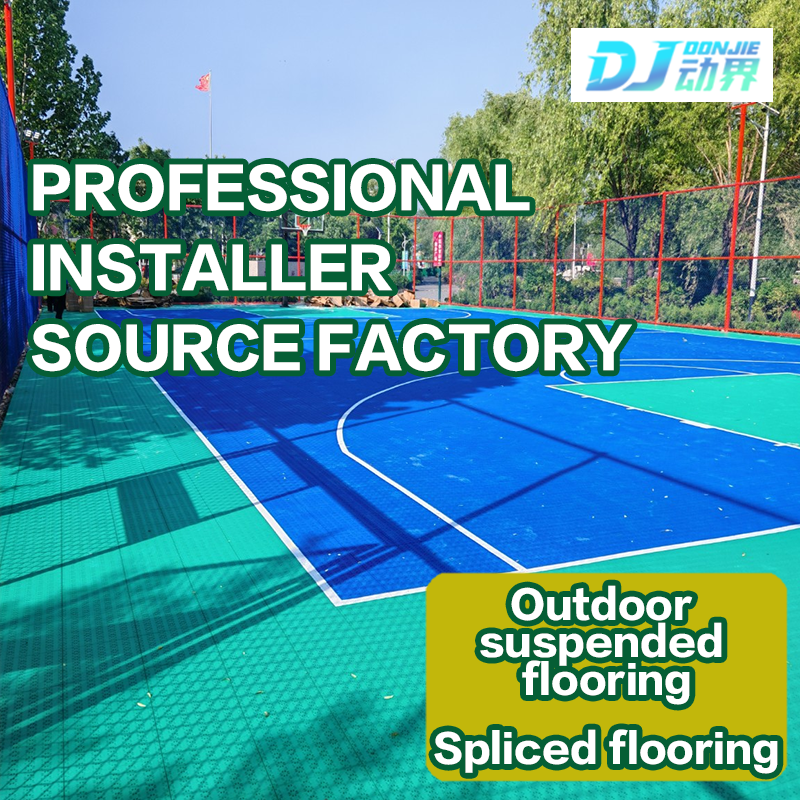
For those looking for a quick, customizable, and budget-friendly option, interlocking tiles can be a great solution. These tiles come in a variety of materials, including rubber, PVC, and vinyl, and can be arranged to create unique designs and patterns.
Benefits:
-
Easy Installation: Tiles are quick to install and don’t require glue or nails, making them perfect for both temporary and permanent setups.
-
Customizable: Interlocking tiles can be customized in terms of color, design, and even texture. You can create a unique layout or add branding elements such as team logos.
-
Portability: If your court needs to be moved or repurposed, these tiles can be disassembled and reinstalled in another location.
The ability to replace individual tiles as needed makes them an excellent choice for schools or recreational facilities on a budget.
Synthetic Materials
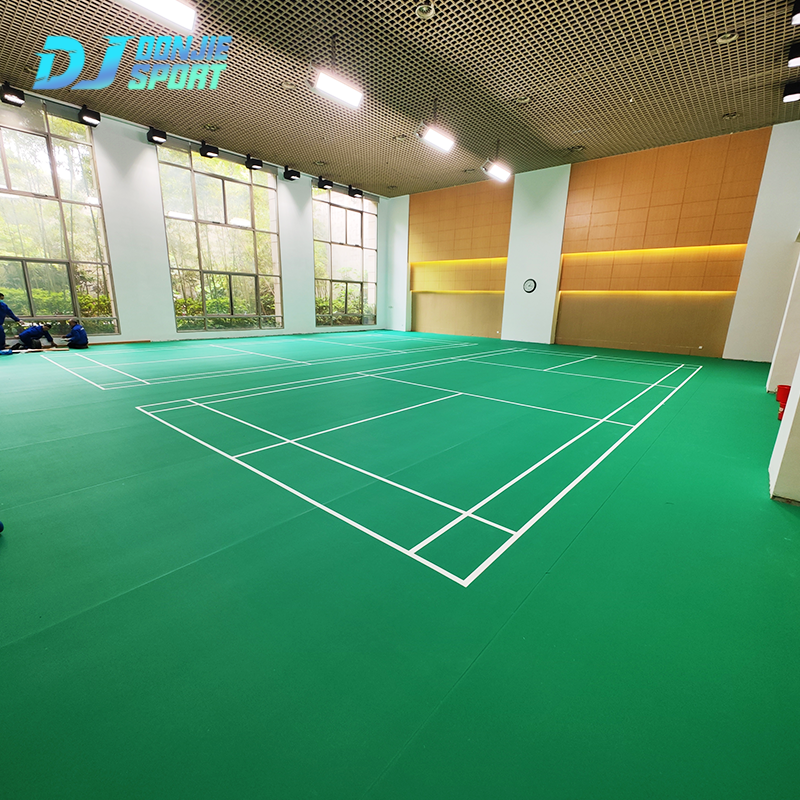
Synthetic basketball flooring materials like vinyl and polyurethane are also becoming popular due to their affordability and ability to mimic the feel of traditional hardwood. These materials are especially common in budget-friendly basketball courts and multipurpose gyms.
Benefits:
-
Cost-Effective: Synthetic flooring is generally more affordable than hardwood or rubber.
-
Durability: Modern synthetic materials are designed to withstand heavy use while maintaining their integrity over time.
-
Low Maintenance: These floors are easy to clean and maintain, requiring minimal upkeep.
Although synthetic materials do not provide the same bounce as wood, they are a viable option for non-professional settings where budget and ease of maintenance are priorities.
Benefits of Customizing Your Basketball Court Flooring
Customizing your basketball court flooring not only improves the court’s performance but also adds personality and uniqueness to the space. Here are some key benefits of personalization.
Performance Enhancement
A customized floor can significantly affect player comfort and performance. For example, choosing a surface with the right level of grip, bounce, and shock absorption can enhance the players’ movement and reduce the risk of injury.
-
Bounce and Grip: The correct texture on the flooring will ensure consistent ball bounce, critical for both recreational and competitive games.
-
Impact Resistance: Floors designed to absorb shock help prevent injury by reducing the strain on players’ knees, ankles, and joints.
Aesthetic Appeal
A customized court is a reflection of team spirit and identity. Whether it’s through team logos, colors, or even special markings, a custom basketball court can boost morale and make your facility stand out.
-
Team Branding: Incorporating team logos or colors into the design will make the court feel like home for players and fans alike.
-
Visual Impact: Creative designs, including custom court markings and floor textures, can make your gym or arena visually appealing to spectators.
Longevity and Maintenance
Custom flooring can extend the life of your court by using materials that better withstand specific types of wear and tear. For example, a floor designed with durability in mind will minimize the impact of daily use, maintaining its appearance and functionality longer.
-
Maintenance: Regular care is required for most customized floors, but the overall durability reduces the frequency of costly repairs or replacements.
Flooring Customization Ideas
There are several ways to make your basketball court unique through customized flooring. These ideas range from aesthetic choices to high-tech innovations.
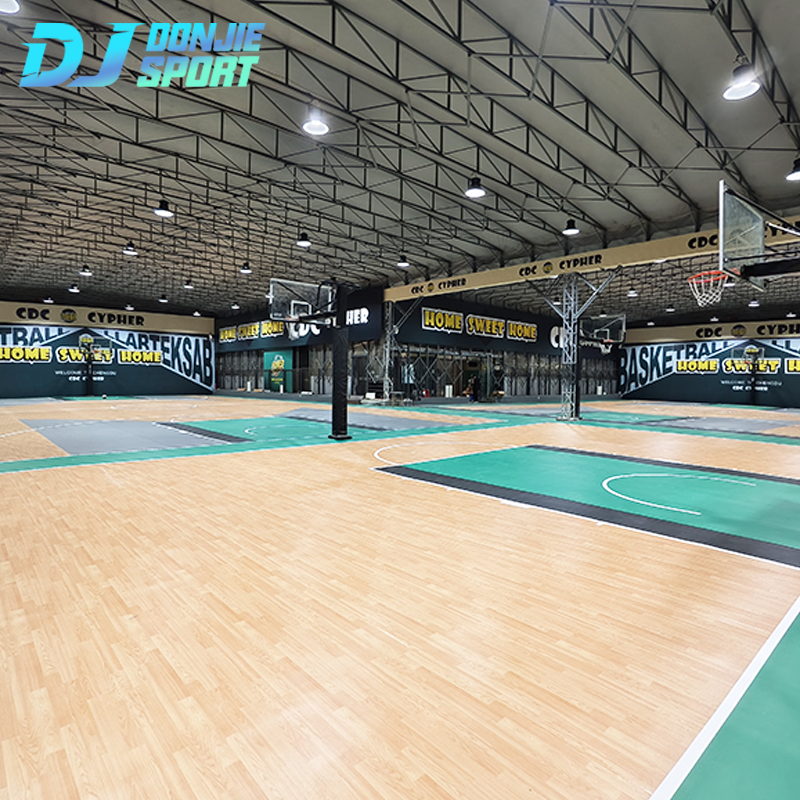
Color and Branding
Colors are an essential part of creating a personalized space. Customizing the color of your court is a powerful way to show team spirit and create a vibrant atmosphere.
-
Team Logos: Your team’s logo can be strategically placed at center court or along the sidelines for maximum visibility.
-
Color Scheme: Choose colors that represent the identity of your team or facility. Bold combinations can make the court look more dynamic.
Court Layout Variations
Custom court layouts allow you to design the space in a way that best fits your needs. For example, you can opt for a half-court design, which is perfect for practice sessions, or a full-court design for competitive play.
-
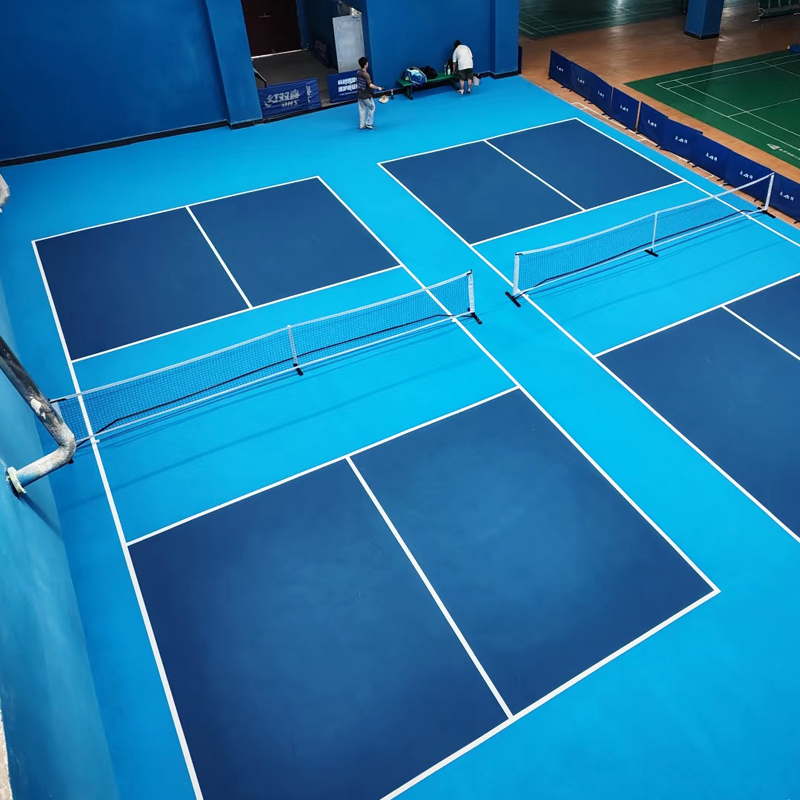
Multi-Sport Layouts: If the court is used for other sports like volleyball or tennis, consider creating a multi-sport design with removable or adjustable markings.
Texture and Finish
The texture of the flooring influences how players move and interact with the surface. Depending on your goals, you may choose a finish that provides more grip or a smooth surface for faster movement.
-
Matte vs. Glossy: Matte finishes reduce glare and provide better traction, while glossy finishes tend to be smoother and easier to clean.
Interactive Features
For a more modern touch, you could incorporate interactive elements such as LED lighting or sound systems that react to the game. These features are increasingly common in professional arenas and can be a major crowd-pleaser.
The Cost of Customizing Basketball Court Flooring
Customization can be an investment, but it’s important to understand the costs involved.
Factors Affecting Cost
The cost of customizing your basketball court will depend on several factors, including:
-
Materials: Hardwood floors are typically the most expensive, while synthetic materials and rubber are more budget-friendly.
-
Design Complexity: A custom logo, unique color schemes, and intricate patterns can add to the overall cost.
Budget-Friendly Customization Options
If you’re on a budget, there are ways to customize without overspending. Consider opting for interlocking tiles or synthetic flooring, which can be customized with color and simple branding elements. Additionally, you can focus on strategic, cost-effective customization like adding your team’s logo or color accents to certain sections of the court.
Installation Process and Maintenance
Installing customized basketball flooring requires planning and careful attention to detail.
Installation Tips
-
Professional Installation: For hardwood and rubber floors, professional installation is recommended to ensure proper alignment and finish.
-
DIY Options: Interlocking tiles are a great DIY option, allowing you to customize your court quickly and efficiently.
Floor Maintenance
-
Cleaning: Regular sweeping and cleaning are essential to prevent dirt buildup and maintain the integrity of the floor.
-
Repairs: Depending on the material, you may need to perform occasional touch-ups, such as refinishing hardwood floors or replacing damaged tiles.
Conclusion
Customizing your basketball court flooring is a fantastic way to enhance the performance, appearance, and longevity of the space. Whether you opt for a traditional wood surface, a budget-friendly synthetic material, or a high-tech design, the right choice will elevate your court’s functionality and style. From creative color schemes to interactive features, there are countless ways to make your court truly one-of-a-kind. By carefully considering your needs, budget, and the options available, you can create a floor that not only meets your practical requirements but also reflects the spirit of your team.