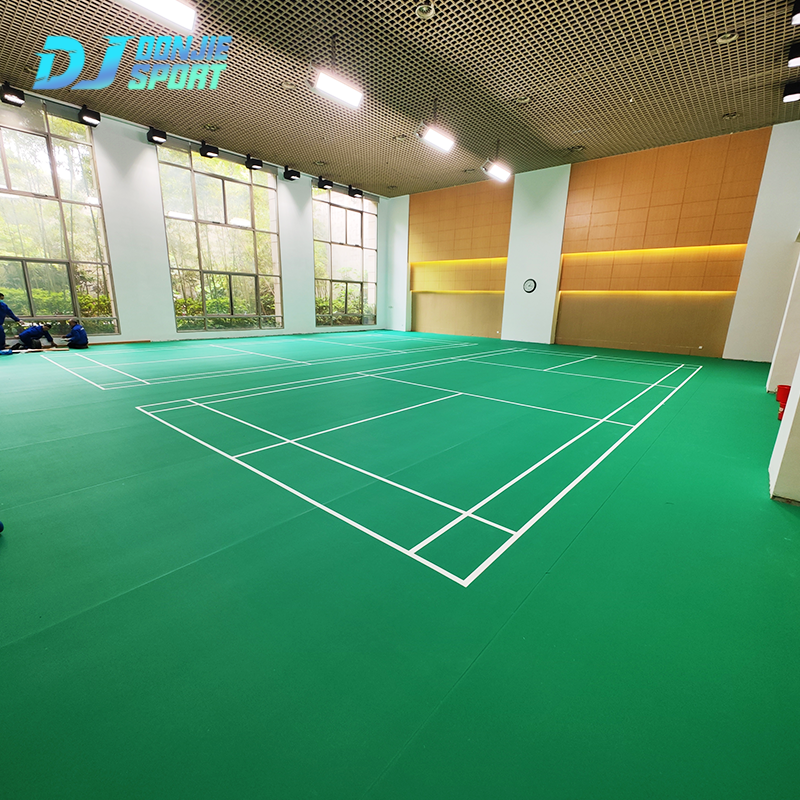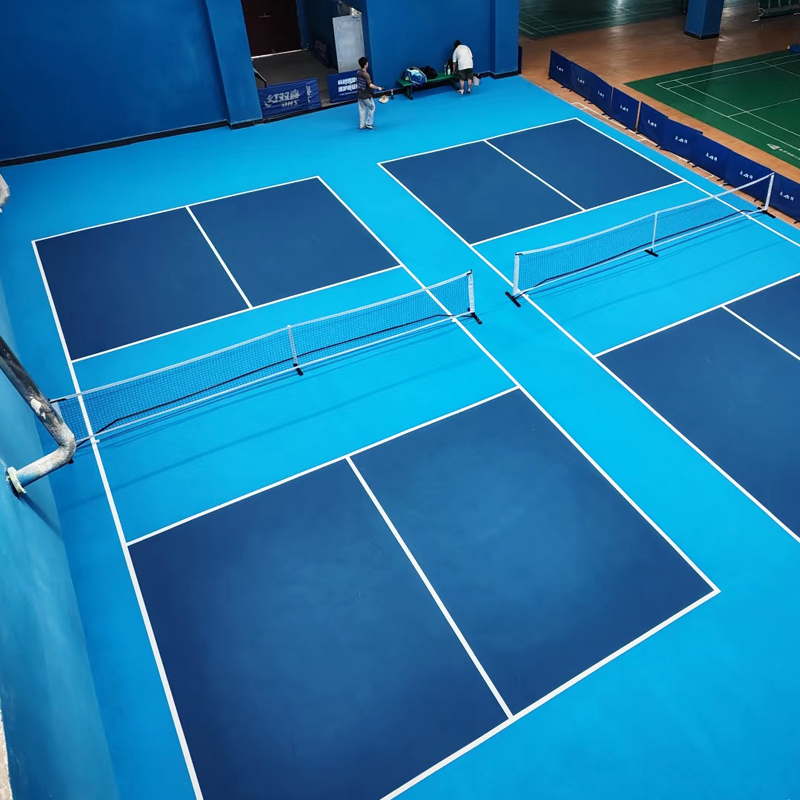
When it comes to creating the perfect environment for dancers, choosing the right dance studio floors is crucial. The flooring material directly influences a dancer’s performance, providing both the support and flexibility needed to execute movements safely and efficiently. Whether you’re a professional studio owner or a dancer looking to upgrade your practice space, understanding the materials available can help you make the best choice for your specific needs. In this guide, we’ll explore the most popular dance studio floor materials and discuss how each one enhances performance while prioritizing safety.
Types of Dance Studio Floor Materials
Wooden Floors
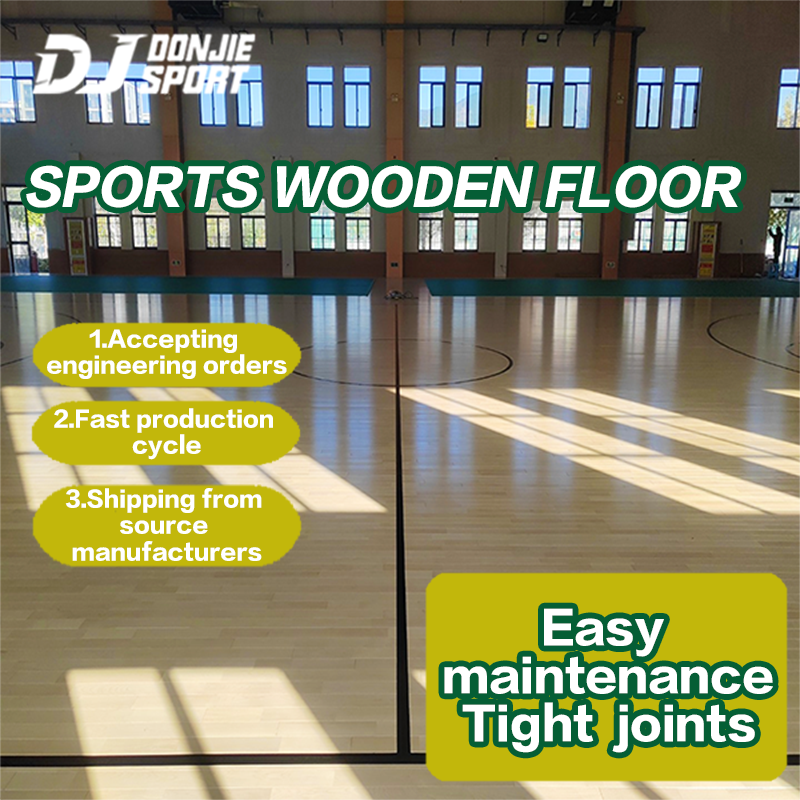
Wooden floors are often regarded as the gold standard for traditional dance forms such as ballet. Known for their aesthetic appeal and natural resilience, wood offers a balance of cushioning and firmness, making it ideal for dancers who perform intricate, controlled movements.
The natural elasticity of wood ensures a certain amount of give, which helps absorb the impact of jumps and reduces stress on joints. Additionally, wooden floors can be easily refinished, allowing them to maintain their smooth surface over time. A major advantage of wooden floors is their ability to offer excellent grip without being too slippery, allowing dancers to move freely while maintaining control.
Vinyl Floors
Vinyl is a durable and cost-effective option for dance studio floors, making it a popular choice for studios that host a variety of dance styles, including modern dance, hip-hop, and jazz. Unlike wood, vinyl is more resistant to wear and tear, which makes it a practical solution for high-traffic studios.
Vinyl floors come in rolls or tiles and can be customized with patterns, colors, and finishes to suit the aesthetic of your studio. They also provide a firm surface with just enough flexibility to allow for high-impact dancing without putting excessive strain on a dancer’s body. The versatility of vinyl allows it to be used for both rehearsals and performances, making it a popular multi-purpose flooring solution.
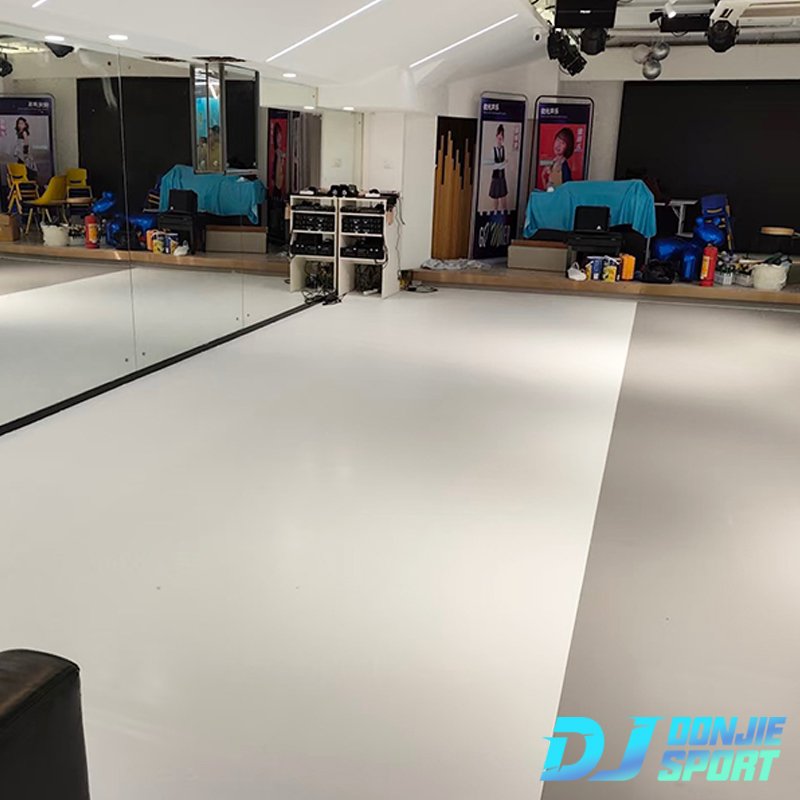
Marley Flooring
Marley flooring is a top choice for many professional dance studios because it provides an excellent balance of grip and slip resistance. This synthetic material is often used in studios that host ballet, contemporary, and modern dance. Marley floors are known for their ability to enhance a dancer’s performance by offering just the right amount of traction, which helps prevent slips during fast or intricate movements.
One of the main benefits of Marley flooring is its adaptability; it can be used in both permanent installations and temporary setups for touring performances. It’s also easy to clean and maintain, making it a practical option for busy dance studios.
Rubber Floors
Rubber flooring is known for its shock-absorbing properties, making it an excellent choice for dancers who perform high-impact routines or need extra joint support. The cushioning provided by rubber floors helps protect dancers from injuries caused by repetitive movements or hard landings.
Rubber floors are often chosen for fitness classes, hip-hop dance, or aerobics due to their ability to withstand heavy foot traffic and provide a cushioned surface. While rubber floors are durable and protective, they can be slightly less slip-resistant than other materials, making it important to balance cushioning with adequate traction.
Floating Floors
Floating floors are engineered to “float” above the subfloor, creating a cushion of air between the two layers. This design minimizes impact and reduces noise, providing a comfortable environment for dancers who need to focus on their craft without distraction. Floating floors are often used in studios that focus on modern and contemporary dance styles, where fluidity and movement freedom are key.
Another benefit of floating floors is their ability to absorb vibrations and reduce noise levels, which makes them ideal for multi-purpose spaces that host a range of activities.
Factors to Consider When Choosing a Dance Studio Floor
Type of Dance Performed
The style of dance being taught or performed is one of the most important factors to consider when choosing a dance studio floor. Different styles require different types of support. Ballet dancers typically need a floor that offers both support and some give, while hip-hop dancers may prefer a surface that allows for quick foot movements and dynamic performances.
Performance Requirements
The right material can help elevate a dancer’s performance by offering the ideal amount of grip, slide, and shock absorption. Studios focused on athletic or fitness-based dance styles may prioritize floors that absorb impact, while performance-based studios may look for materials that offer more slip resistance.
Maintenance and Durability
Maintaining a clean and well-cared-for dance floor is essential to ensure safety and longevity. Some materials, like wood, require regular refinishing, while others, like vinyl or rubber, may be easier to clean and maintain. Balancing durability with ease of upkeep is a key consideration for any dance studio owner.
Safety Features
Safety is paramount in any dance environment. Floors that offer adequate cushioning, anti-slip properties, and shock absorption can reduce the risk of injuries caused by falls or repetitive movements. Choosing the right material that caters to the specific needs of dancers ensures both performance and safety.

Conclusion
When choosing the ideal dance studio floor, it’s essential to consider the type of dance, performance needs, safety features, and the durability of the material. Whether you opt for the natural beauty of wood, the flexibility of vinyl, or the slip-resistant qualities of Marley flooring, the right choice will help enhance your dancers’ performance and protect their well-being. Take the time to evaluate your studio’s goals, and invest in the flooring that will best serve both your dancers and your space.