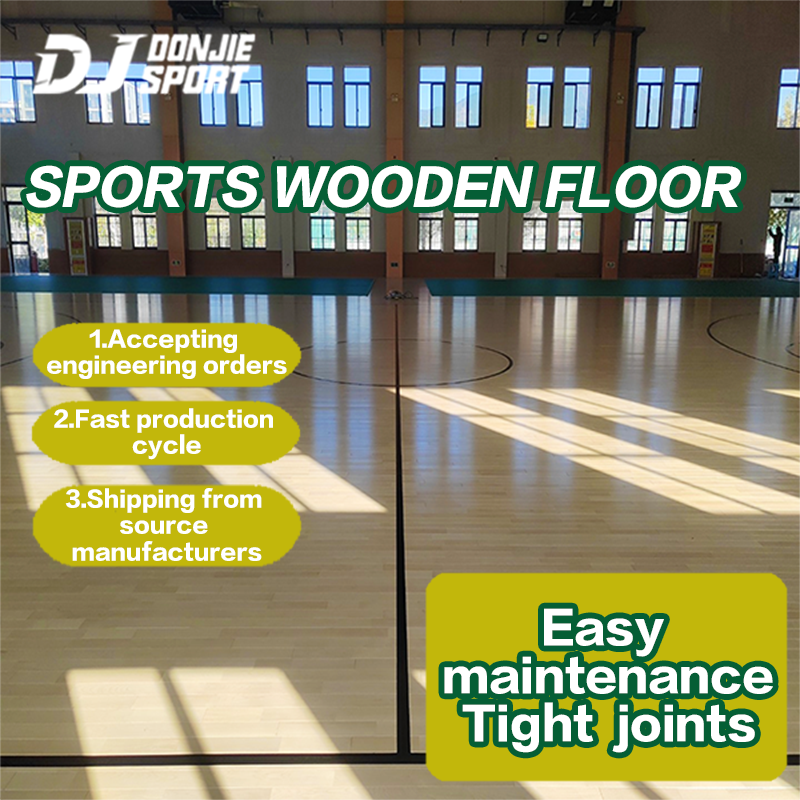
When it comes to building a basketball court, one of the most critical decisions you’ll make is the choice of flooring. Hardwood basketball court flooring stands out as a top choice for both professional and home courts. This material offers a variety of benefits that make it ideal for the sport, from durability and comfort to aesthetic appeal.
Hardwood is known for its resilience, providing a smooth surface that’s both consistent and responsive. The high shock absorption and traction it provides help reduce the risk of injury while enhancing the overall game experience. Furthermore, hardwood flooring has a classic, sleek look that adds elegance to any court, making it a popular option for gyms, schools, and recreational centers alike.
But the benefits don’t stop there. Hardwood flooring is relatively easy to maintain, durable over time, and offers a high-end feel to any basketball setup. Whether you are installing a court for personal use or in a commercial facility, understanding how to install this type of flooring yourself can save you significant costs and give you the satisfaction of completing the job on your own.

Materials Needed for the Installation
Before diving into the installation process, it’s important to gather all the materials and tools you’ll need to get the job done right. Here’s a list of essential items to have on hand:
Materials:
-
Hardwood planks (choose high-quality, dense wood for durability and performance)
-
Hardwood flooring adhesive (or nails if you’re opting for a nail-down installation)
-
Polyurethane finish (for sealing and protecting the surface)
-
Basketball court paint for line markings
Tools:
-
Tape measure and chalk line (for accurate measurements and straight lines)
-
Floor scraper (if removing old flooring)
-
Pneumatic flooring nailer (for nail-down installation) or a trowel (for glue-down)
-
Sanding block or floor sander
-
Paint roller or spray paint gun (for court lines)
-
Hammer and nails (if using the nail-down method)
-
Safety gear (gloves, knee pads, safety glasses)
Having these materials and tools ready will ensure that the installation process runs smoothly, so you can focus on getting the best results for your basketball court.
Step 1: Preparing the Area for Installation
The first step in installing hardwood basketball court flooring is preparing the space. This phase ensures that the surface is smooth, level, and ready for the new flooring. Follow these steps:
1.1 Clearing the Space and Removing Old Flooring
Begin by clearing the area of any existing furniture, debris, or equipment. If there is old flooring, such as carpet or tiles, it must be removed. Use a floor scraper or a crowbar to gently lift and remove the old flooring. Be careful to avoid damaging the subfloor beneath it.
1.2 Measuring and Marking the Area
Measure the space where the hardwood flooring will be installed. You’ll need to ensure that the area is square and level. Use a tape measure to confirm the dimensions of the court and mark any guidelines for alignment.
1.3 Preparing the Subfloor
The subfloor must be level, clean, and dry. If there are any bumps or uneven areas, use a floor leveling compound to smooth out the surface. Allow the compound to dry completely before proceeding with the installation. Make sure there’s no moisture or debris that could interfere with the adhesive or nails.
Step 2: Acclimating the Hardwood Flooring
Before laying down your hardwood planks, it’s essential to acclimate the wood to the environment where it will be installed. Hardwood can expand or contract depending on the temperature and humidity levels, so letting it adjust helps avoid warping or gaps later on.
2.1 Importance of Acclimating Hardwood
Hardwood should be allowed to sit in the installation area for at least 48 hours before installation. This gives the wood time to adjust to the temperature and humidity of the room. Failure to acclimate the wood can result in buckling or shrinkage after installation.
2.2 How Long Should You Let It Acclimate?
For best results, let the wood acclimate for 48 to 72 hours, depending on the type of wood and the local climate conditions. Ensure that the room is well-ventilated, and keep the planks off the floor by stacking them evenly with spacers between each layer.
2.3 Proper Storage Techniques
Store the wood in a dry, temperature-controlled environment. Keep the planks away from direct sunlight or heat sources, as extreme conditions can cause the wood to warp.
Step 3: Laying the Hardwood Basketball Court Flooring
Now that your area is prepared and your wood is acclimated, it’s time to start laying the flooring. The method you choose—whether glue-down or nail-down—will depend on the type of wood and your preferences.
3.1 Methods of Laying Down Hardwood
The most common installation methods for hardwood basketball court flooring are glue-down and nail-down.
-
Nail-Down Installation: This method involves nailing each plank directly into the subfloor. Use a pneumatic nailer to secure each piece, making sure the nails are driven into the tongue of the plank. This technique provides a secure fit, making it ideal for courts with heavy foot traffic.
-
Glue-Down Installation: For this method, apply adhesive to the subfloor and lay the hardwood planks on top. This method is less invasive and provides excellent stability, especially in areas where you don’t want to make holes in the subfloor.
3.2 Creating a Straight Line and Ensuring Even Spacing
Start by laying the first row of hardwood along the longest wall. Use a chalk line to ensure that the first row is perfectly straight. For nail-down installations, leave a small gap (around 1/4 inch) between the edge of the plank and the wall to allow for expansion. If you’re using glue, spread the adhesive evenly along the subfloor before laying the planks.
3.3 Tips for Achieving a Smooth Surface
To achieve a smooth and professional-looking result, work from one side of the room to the other, making sure each plank is firmly pressed into place. For glue-down installations, use a roller to press down each plank and eliminate air bubbles.
Step 4: Securing the Hardwood Flooring
Once the hardwood planks are in place, it’s important to secure them properly to prevent shifting or movement during play.
4.1 How to Properly Secure Hardwood
For a nail-down installation, make sure the nails are driven into the tongue of the planks and are spaced 6-8 inches apart. For a glue-down installation, follow the manufacturer’s instructions on adhesive application and allow the adhesive to set for the recommended time before walking on the floor.
4.2 Using the Right Nails and Adhesives
Choose high-quality nails or adhesives designed specifically for hardwood basketball court flooring. The right materials ensure that the floor is stable and won’t shift under heavy use.
4.3 Avoiding Common Mistakes
One common mistake to avoid is not allowing the adhesive to fully set before walking on the floor. Similarly, ensure that each nail is driven in at the correct angle to avoid splitting the wood.
Step 5: Sanding and Finishing the Flooring
After the floor is secured, sanding and finishing are necessary to create a smooth, durable, and visually appealing surface. This step also adds a protective layer to the wood.
5.1 Importance of Sanding Hardwood
Sanding is crucial for removing imperfections and smoothing out the surface of the hardwood. Use a floor sander or sanding block to gently sand the entire court.
5.2 Different Types of Finishes
Choose a finish that can handle the wear and tear of basketball games. Polyurethane is a popular choice for basketball court finishes, as it provides a high-gloss, durable surface that resists scuffing and moisture. Apply the finish in thin, even coats, allowing each coat to dry before applying the next.
5.3 How to Maintain a Smooth and Glossy Finish
After finishing, allow the floor to cure for at least 48 hours before using it. Regular maintenance, including cleaning and recoating the floor, will help preserve the finish over time.
Step 6: Installing the Court Lines and Markings
No basketball court is complete without the essential markings. Here’s how to add them to your hardwood court:
6.1 How to Lay Out Basketball Court Lines
Use a tape measure and chalk line to mark the boundaries and key lines, including the free-throw line, three-point line, and key area. Make sure that the lines are evenly spaced and perfectly straight.
6.2 Choosing the Right Paint
Select high-quality court marking paint that can withstand the wear and tear of basketball games. Acrylic or polyurethane-based paints are commonly used for their durability and vibrant colors.
6.3 Tips for Professional-Looking Markings
Use a stencil or masking tape to ensure that the lines are crisp and even. For the best results, apply two coats of paint and let the lines dry completely before using the court.
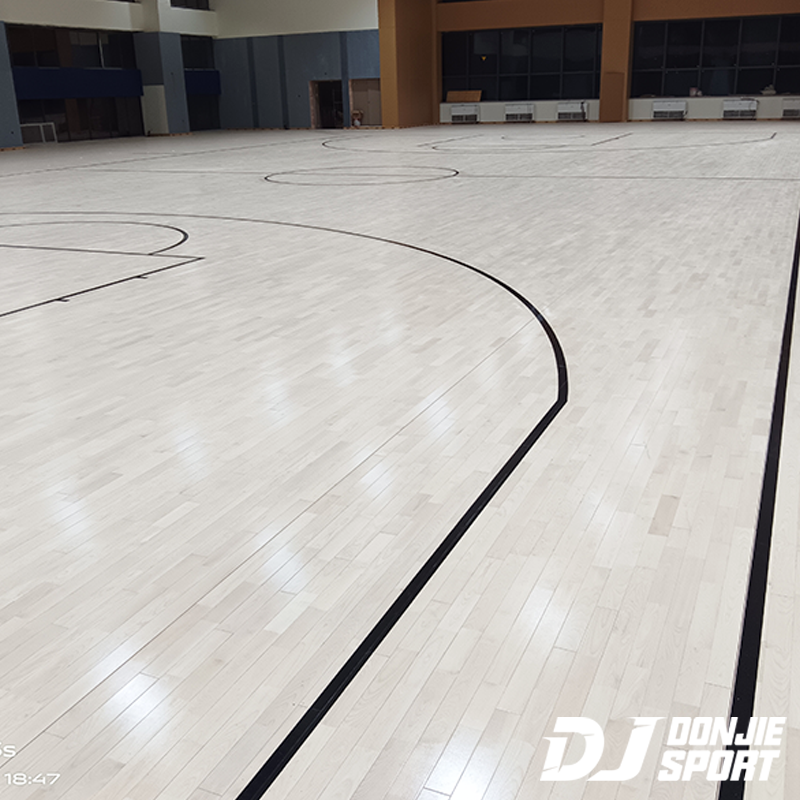
Step 7: Maintenance and Care for Hardwood Basketball Court Flooring
Maintaining your hardwood basketball court flooring is essential for keeping it in top condition. Here are some key tips for regular maintenance:
7.1 Daily, Weekly, and Monthly Maintenance
-
Daily: Sweep or vacuum the court to remove dirt and debris.
-
Weekly: Clean the floor with a damp mop to remove any grime or scuff marks.
-
Monthly: Inspect the flooring for any damage and repair small scratches with touch-up products.
7.2 How to Repair Minor Damages or Scratches
Minor scratches or scuff marks can be buffed out with a floor buffer. For deeper damages, you may need to sand and refinish the affected area.
Is DIY Hardwood Basketball Court Flooring Right for You?
Installing hardwood basketball court flooring is a rewarding DIY project, but it requires precision, patience, and the right materials. While the initial investment in quality hardwood and tools can be high, the end result is a durable and beautiful court that will last for years. If you’re up for the challenge, this guide provides the step-by-step instructions you need to complete the job successfully.