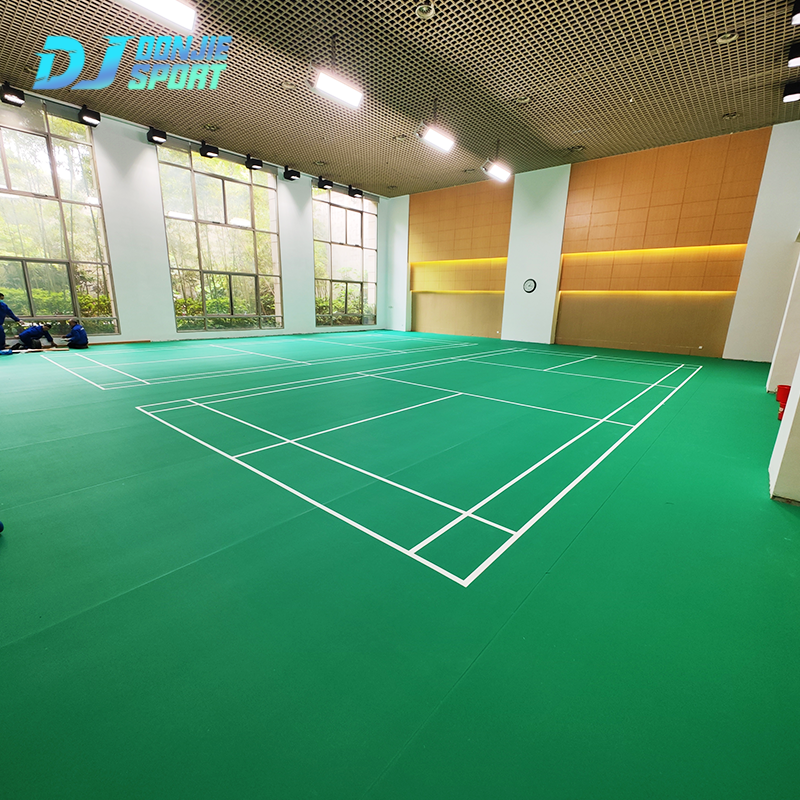
When designing or renovating an indoor sports facility, one of the most crucial decisions revolves around selecting the right flooring. Whether it’s for a basketball court, volleyball arena, or a multi-purpose gym, the flooring needs to meet specific performance standards, while also contributing to the overall aesthetics of the space. Among the most common options, wood flooring and PVC flooring have emerged as top contenders, each offering distinct advantages. In this article, we will explore the durability and aesthetic qualities of both wood and PVC flooring to help you make an informed decision for your sports facility.
Durability – A Key Factor for Sports Flooring

Wood Flooring: Pros and Cons
Wood flooring has long been considered the traditional choice for sports courts, and for good reason. It is renowned for its strength and ability to withstand the stresses associated with high-impact activities like basketball and volleyball. In terms of durability, wood is often perceived as a solid, long-lasting material. However, there are certain limitations to consider.
-
Strength and Impact Resistance: Wood floors are incredibly resilient to physical stress. When installed properly, they offer good support and can handle frequent foot traffic, especially in basketball courts where the floor sees constant pounding. However, over time, even the most robust wood can show signs of wear and tear, such as dents and scratches from constant impact.
-
Maintenance Challenges: One of the primary drawbacks of wood flooring is the level of maintenance required to keep it in top condition. Wood is susceptible to moisture, and when not properly sealed, it can warp or expand. Additionally, scratches and scuff marks are common on wood surfaces, particularly in high-use areas. To maintain its visual appeal and performance, wood flooring needs periodic refinishing, which can be both time-consuming and costly.
-
Lifespan: Wood flooring typically lasts for decades when well-maintained, but the investment in maintenance can add up over time. For venues that see a lot of traffic or host high-intensity sports, the lifespan of wood floors may be shortened, especially if they are not maintained regularly.
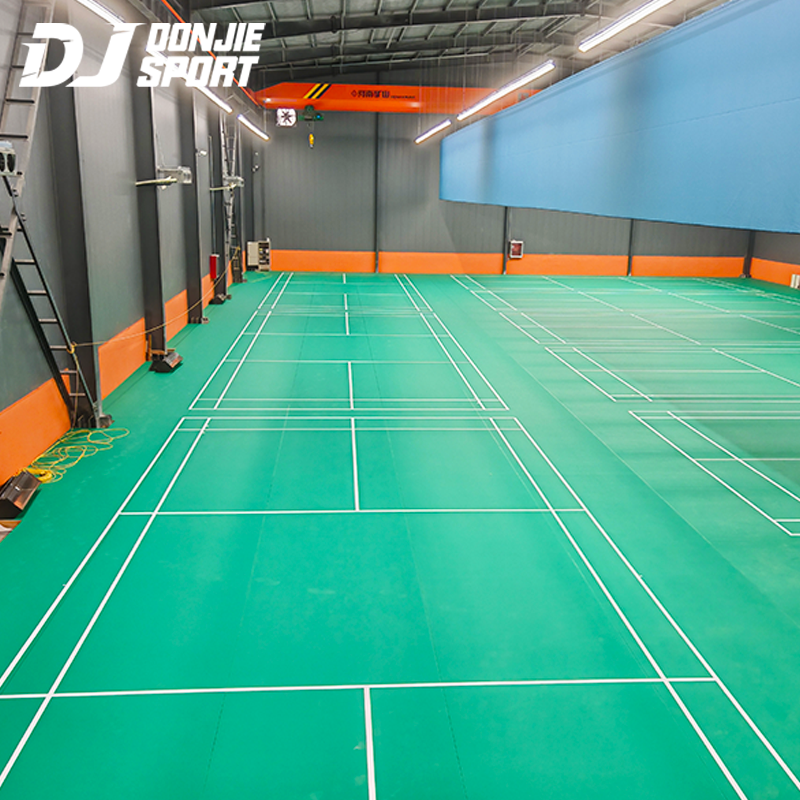
PVC Flooring: A Durable Alternative
PVC flooring, on the other hand, has become a popular alternative due to its durability and ease of maintenance. Often used in professional sports venues, PVC flooring offers several key benefits.
-
Impact and Shock Absorption: One of the key advantages of PVC flooring is its superior shock absorption capabilities. PVC flooring is designed to provide a cushioned surface, which reduces the risk of injuries from high-impact activities. This is especially beneficial for athletes who need joint protection during long practice sessions or games.
-
Resistance to Wear and Tear: Unlike wood, PVC flooring is highly resistant to scratches, stains, and fading. It can withstand the rigors of daily use without showing significant signs of wear. This durability makes PVC an excellent choice for busy sports facilities that need long-lasting, low-maintenance flooring.
-
Low Maintenance: PVC flooring requires minimal upkeep. Unlike wood, which needs regular refinishing and re-sealing, PVC flooring is simple to clean and maintain. A basic routine of sweeping and occasional mopping is usually enough to keep it in good condition. Additionally, if sections of PVC flooring become damaged, individual tiles can be replaced without having to redo the entire surface.
Aesthetics – Appearance Matters
Wood Flooring: Classic and Timeless
Wood flooring is often associated with luxury, tradition, and sophistication. Its natural appearance provides a warm and welcoming ambiance to any sports venue, making it a favored choice for premium facilities and high-end sports courts. The unique grain patterns and rich textures of wood offer an unmatched visual appeal that many find appealing in indoor sports environments.
-
Visual Appeal: The natural beauty of wood adds a timeless quality to any sports facility. Whether in a gymnasium or a professional sports court, wood flooring brings a sense of elegance. The natural variations in grain and color make each installation unique, adding to the aesthetic charm of the venue.
-
Customization: Wood floors can be customized with a variety of finishes, stains, and varnishes. These options allow facility managers to create a look that aligns with their venue’s branding, whether it’s a sleek, modern finish or a more rustic, traditional style. Logos and court markings can be seamlessly incorporated into the design, maintaining both functionality and style.
-
Perception of Quality: Wood flooring is often regarded as a high-quality material. In sports, it symbolizes performance, craftsmanship, and durability. A wood court can elevate the perception of any venue, suggesting both elegance and serious athleticism.
PVC Flooring: Modern and Versatile
While wood flooring offers timeless beauty, PVC flooring is quickly gaining ground due to its versatility and modern appearance. PVC flooring provides a wide range of design options and is increasingly seen in both professional and recreational sports environments.
-
Color Options: One of the most attractive features of PVC flooring is the variety of color options available. Whether you need a bright, bold color scheme or a more neutral, professional look, PVC can be tailored to fit your design needs. From vibrant courts to more subdued and corporate aesthetics, PVC flooring offers flexibility that wood simply cannot match.
-
Design Flexibility: PVC flooring is highly customizable, with options for various textures, finishes, and patterns. This makes it ideal for sports venues that need specific logos or graphics integrated into the floor design. Whether it’s a basketball court, volleyball arena, or multi-purpose space, PVC flooring can easily accommodate the necessary court markings and logos without compromising on aesthetics.
-
Professional Look: PVC flooring has earned its place in many professional arenas. Its clean, polished finish offers a sleek and modern look that suits both athletic facilities and multi-purpose venues. Its smooth surface, combined with vibrant color options, provides a visually striking environment that enhances both performance and appearance.
Comparison in Terms of Performance
Wood Flooring in Action
The performance of wood flooring is closely linked to its natural properties. Wood offers a firm and stable surface, ideal for sports like basketball, volleyball, and badminton, where players require reliable traction and stability.
-
Performance for Various Indoor Sports: Wood floors are specifically designed to meet the needs of indoor sports. Their smooth surface allows athletes to move freely without compromising speed or agility. However, the natural grain of wood can sometimes affect its grip, especially when it becomes worn or polished over time.
-
Shock Absorption and Athlete Safety: Wood flooring is naturally forgiving, offering some level of shock absorption, which is crucial in protecting athletes’ joints. However, as the floor ages, the shock absorption quality can diminish, increasing the likelihood of injuries. The need for refinishing or re-sealing wood floors can affect their overall performance over time.
-
The Risk of Injury: The main concern with wood flooring is the risk of injury due to surface damage. Scratches, dents, and uneven spots can develop over time, making the surface slippery or uneven, which may lead to slips and falls. Consistent maintenance is required to ensure that the floor remains safe for athletes.
PVC Flooring for Performance
PVC flooring provides a highly consistent playing surface that is specifically engineered for sports performance. It is often seen as the more modern and advanced choice, especially in high-performance venues.
-
Consistency Across the Court: One of the key advantages of PVC flooring is its uniformity. Unlike wood, PVC doesn’t warp or change shape over time, ensuring that the entire surface of the court provides the same level of grip and performance. This makes PVC a reliable choice for high-stakes sports environments, where consistent playing conditions are critical.
-
Shock Absorption: PVC flooring provides excellent shock absorption, which significantly reduces the impact on athletes’ joints. This is particularly important for sports that involve jumping or sudden changes in direction, such as basketball or volleyball. The cushioned surface reduces the risk of injuries and enhances overall player comfort during prolonged play.
-
Grip and Traction: PVC flooring is engineered to provide the perfect balance of grip and slide. The surface texture of PVC ensures that athletes have reliable traction while moving, which can help prevent injuries related to slipping or losing footing. This makes PVC an ideal choice for sports courts where quick movements and speed are essential.
Cost-Effectiveness and Long-Term Investment
Wood Flooring: Upfront Investment and Maintenance Costs
While wood flooring may appear to be a luxurious and prestigious choice, it comes with higher initial and ongoing costs that may not be ideal for every sports facility.
-
Initial Cost: The installation of wood flooring can be quite expensive. The high-quality materials and labor involved in installation contribute to its higher price point. For smaller sports venues or facilities with a limited budget, the upfront cost of wood flooring can be a significant investment.
-
Long-Term Costs: The ongoing maintenance of wood floors can also be costly. Regular refinishing, resealing, and repairs can add up over time. Additionally, the wear and tear on wood floors in high-traffic areas will require periodic refinishing, which can further increase the total cost of ownership.
-
Value for Money: Despite the higher initial costs, wood floors are known to last for many years if properly maintained. For venues that prioritize aesthetics and longevity, wood may still represent the best value in the long run.
PVC Flooring: Cost-Effective and Low Maintenance
PVC flooring provides a more affordable alternative to wood, offering high durability and low maintenance costs, making it a more attractive option for budget-conscious facilities.
-
Lower Initial Cost: The cost of installing PVC flooring is significantly lower than wood flooring. This makes it an appealing choice for schools, community centers, and other sports venues where cost-effectiveness is a priority.
-
Durability and Longevity: PVC floors are built to last, and their low maintenance requirements make them a smart investment. Since PVC floors do not require regular refinishing and are resistant to wear, they can continue to perform well for many years without incurring additional maintenance expenses.
-
Potential for Repairs: If a section of PVC flooring becomes damaged, it is easy and cost-effective to replace individual tiles or sections. This reduces the overall long-term costs associated with repairing and maintaining the flooring.
Environmental Impact and Sustainability
Wood Flooring: Natural, But Resource-Intensive
Wood flooring is a natural material that has a distinct environmental appeal. However, its production and sourcing come with environmental considerations that need to be addressed.
-
Sustainability of Sourcing Wood: While wood is a renewable resource, sourcing timber for flooring can have environmental implications if it is not done sustainably. It’s important to choose wood flooring from certified, responsibly managed forests to minimize deforestation and habitat destruction.
-
Carbon Footprint: The process of manufacturing, transporting, and installing wood flooring can be resource-intensive, contributing to a higher carbon footprint than some alternative flooring materials.
-
Recycling Potential: Wood flooring can be recycled, but it is often difficult to reuse or repurpose once it has been installed. In some cases, the materials may need to be disposed of, which can impact landfill waste.
PVC Flooring: Sustainable Innovations
PVC flooring is often seen as less environmentally friendly due to its plastic composition. However, advances in sustainable manufacturing practices are making PVC a more eco-conscious choice.
-
Recycled PVC: Some manufacturers use recycled PVC to create new flooring, reducing the environmental impact of the material. This helps to conserve resources and minimize waste.
-
Longevity and Waste Reduction: The durability of PVC flooring reduces the need for frequent replacements, which helps to reduce overall waste in sports venues. PVC’s ability to last for years without deteriorating makes it a more sustainable option in terms of longevity.
-
The Environmental Debate: While PVC is not entirely free from environmental concerns, the improvements in the recycling process and the longevity of PVC flooring can make it a more sustainable choice than traditional wood flooring in certain applications.
Conclusion
When deciding between wood and PVC flooring for your indoor sports venue, both materials offer distinct advantages. Wood flooring provides a classic, timeless aesthetic but requires more maintenance and higher costs. On the other hand, PVC flooring offers exceptional durability, low maintenance, and cost-effectiveness, making it ideal for busy, high-traffic sports facilities. Ultimately, the choice will depend on your facility’s needs, budget, and long-term goals.