As sustainability continues to rise as a key priority in design and construction, sports facilities are also turning to eco-friendly materials. One such material making a significant impact is wood sport flooring. Unlike synthetic flooring options, wood offers a range of environmental benefits that make it a highly sustainable choice for modern sports venues.
Sustainable Sourcing of Wood Sport Floors
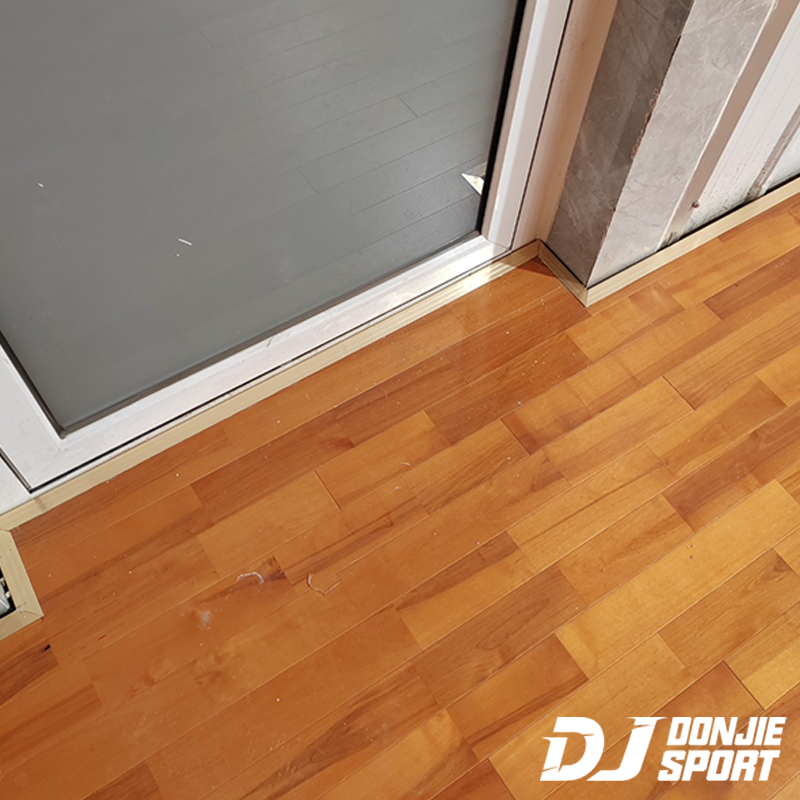
When considering any eco-friendly material, sourcing is paramount. Wood sport floors are often made from timber harvested from forests that follow sustainable practices. One of the most widely recognized certifications is the Forest Stewardship Council (FSC), which ensures that the wood is sourced from forests that are responsibly managed, socially beneficial, environmentally conscious, and economically viable. This guarantees that the timber used for sport floors is harvested in a way that preserves the natural habitat, promotes biodiversity, and helps prevent deforestation.
By opting for wood sourced from FSC-certified forests, sports facility owners can rest assured that their floors contribute to forest conservation efforts rather than depleting natural resources. This sustainable approach helps maintain the delicate balance of ecosystems while reducing the carbon footprint associated with floor manufacturing. It’s an investment in both the environment and future generations, promoting a healthier planet with every floor installed.
Longevity and Durability of Wood Sport Floors
One of the key reasons why wood sport floors are considered eco-friendly is their impressive longevity. Unlike synthetic materials, which often need to be replaced every few years due to wear and tear, wood floors are designed to last for decades with proper care and maintenance. This reduced need for replacement means fewer resources are required over time, and less waste ends up in landfills.
Wood is a highly durable material, able to withstand heavy traffic, intense usage, and even extreme temperature fluctuations without compromising performance. When compared to synthetic options, which often wear out or degrade quickly, the long lifespan of wood floors translates to fewer environmental impacts. A wood floor that lasts for 20–30 years, compared to synthetic options that may only last half that time, drastically reduces the need for new materials and the environmental impact associated with frequent replacements.
Reduced Carbon Footprint with Wood Sport Floors
The environmental impact of flooring extends beyond sourcing and durability—it also includes its carbon footprint during production. Wood sport floors have a distinct advantage here. Trees naturally absorb carbon dioxide (CO2) as they grow, and when timber is harvested for flooring, it continues to store that carbon throughout its life cycle. This means that wood floors can act as carbon sinks, helping to reduce the overall carbon footprint of a building.
In contrast, the production of synthetic floors, such as PVC or PP, is highly energy-intensive and releases more CO2 into the atmosphere. The processes involved in creating these materials—from petroleum extraction to manufacturing—contribute to higher greenhouse gas emissions. By choosing wood sport floors, facility owners make a significant impact on reducing the carbon footprint of their venues, supporting a greener, more sustainable approach to building.
Wood Sport Floors Are Biodegradable and Recyclable
Another eco-friendly advantage of wood sport floors is their biodegradability. At the end of their life cycle, wood can naturally decompose and return to the earth without harming the environment. Unlike synthetic flooring materials that can take hundreds of years to break down in landfills, wood sport floors break down naturally, reducing landfill waste.
Additionally, wood can be recycled or repurposed for other uses once it is no longer fit for sport floors. Old wood floors can be upcycled into furniture, paneling, or even used for energy generation in some cases. This recyclability ensures that wood sport floors do not contribute to environmental degradation but instead have the potential for a second life in a different form, further reducing waste.
Energy Efficiency in the Manufacturing of Wood Sport Floors
Wood is also more energy-efficient to produce compared to synthetic alternatives. The manufacturing process for wood sport floors requires significantly less energy than that for synthetic materials like PVC or PP. While synthetic floors require complex chemical processes and significant amounts of energy for production, wood floors can be created using simpler techniques, which require far less energy and emit fewer pollutants.
Additionally, wood is a renewable resource, which means it can be replenished through sustainable forestry practices. This makes wood an inherently energy-efficient option compared to non-renewable synthetic materials, whose production consumes vast amounts of energy and contributes to environmental harm. Choosing wood sport floors is an eco-friendly way to contribute to energy conservation efforts within the sports and construction industries.
Wood Sport Floors in Energy-Efficient Buildings
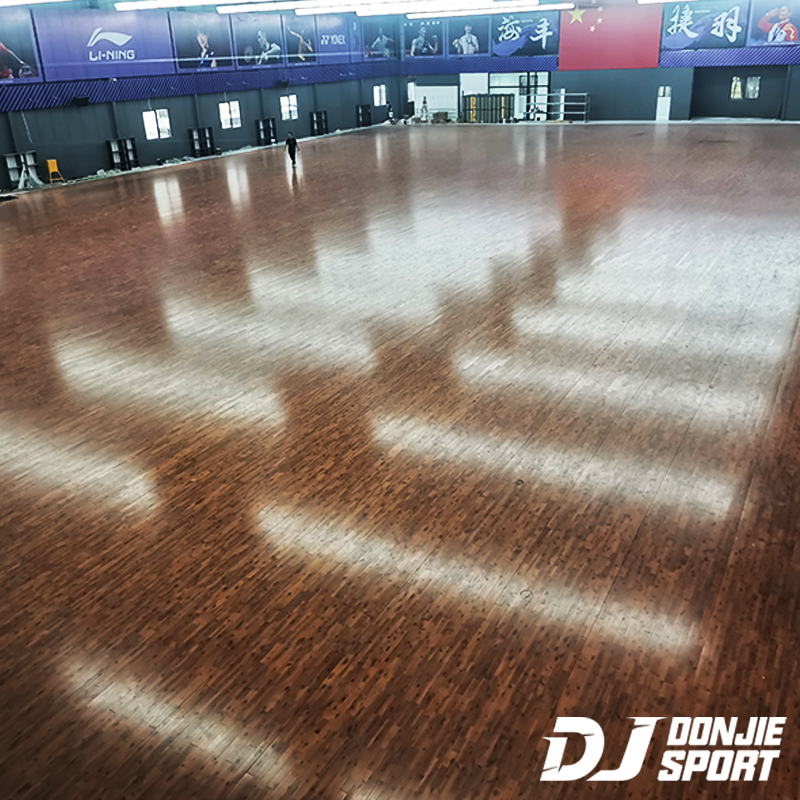
Wood also has a natural insulating property that contributes to energy efficiency in sports facilities. Wooden floors help maintain optimal indoor temperatures by naturally regulating heat, reducing the need for artificial heating and cooling systems. This can help sports venues save energy, lower operational costs, and reduce their overall carbon emissions. Furthermore, the presence of wood in indoor spaces has been shown to improve air quality by reducing the presence of volatile organic compounds (VOCs), which are commonly found in synthetic flooring options.
Incorporating wood sport floors into energy-efficient building designs is a win-win for both the environment and the facility’s operational costs. Not only do these floors help maintain a comfortable environment for athletes, but they also reduce the need for excessive energy consumption, which is a significant factor in sustainability efforts.
The Eco-Friendly Choice for the Future of Sports Facilities
Wood sport floors offer a wealth of eco-friendly benefits, from sustainable sourcing to reduced carbon footprints and enhanced durability. As the demand for environmentally conscious construction practices continues to rise, wood sport floors are proving to be the ideal choice for sports facilities looking to reduce their environmental impact. By opting for wood, facility owners not only choose a high-performance flooring solution but also support sustainability efforts that protect our planet for future generations.
As the sports industry embraces sustainability, wood sport floors will continue to play a crucial role in eco-friendly facility design. With their renewable, biodegradable nature, and minimal energy requirements during production, wood floors stand as a smart, long-term investment for both performance and the environment.