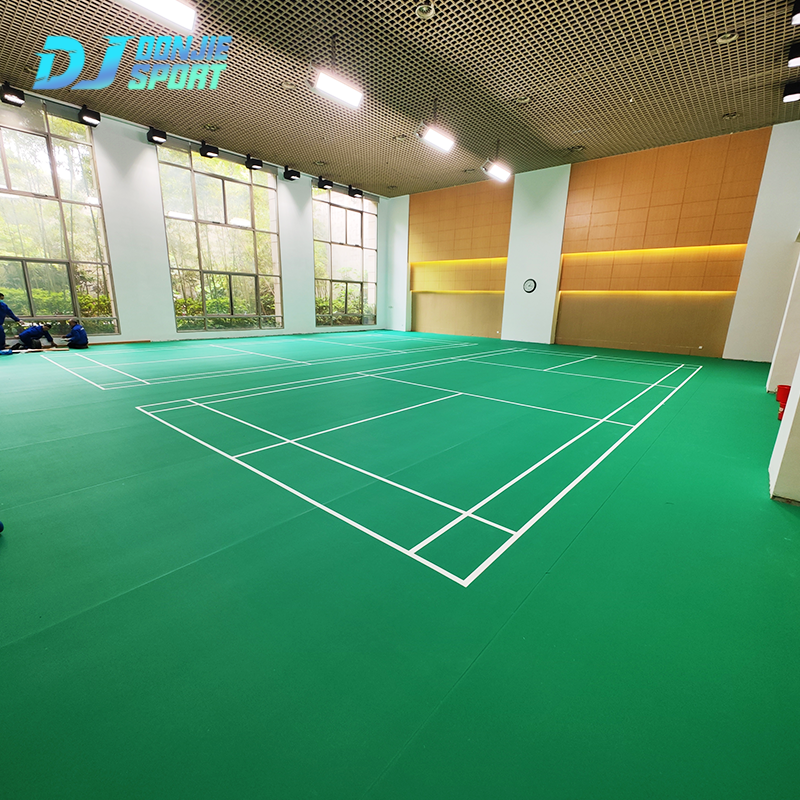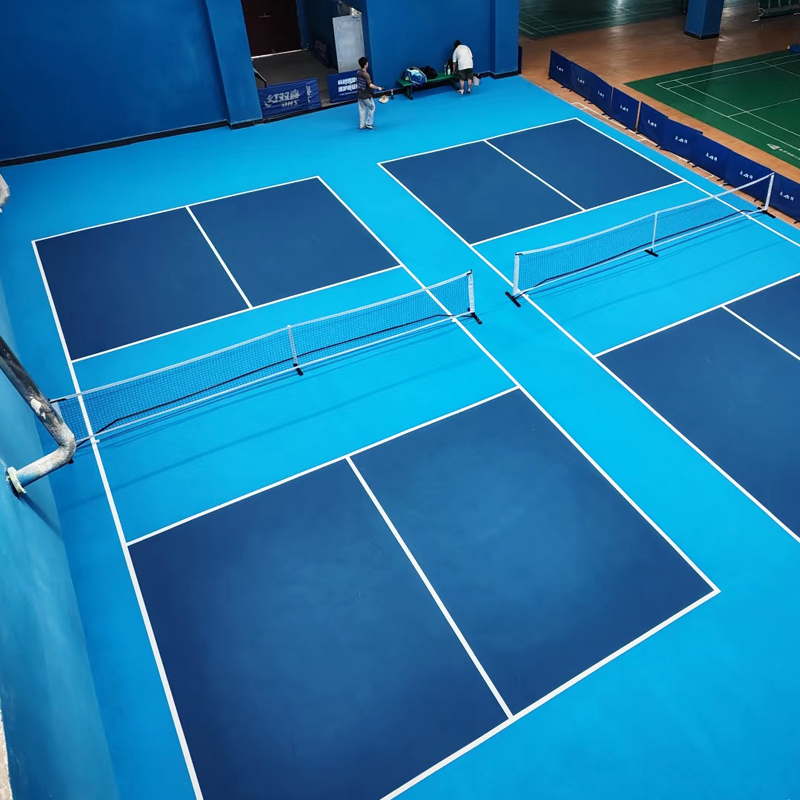
In recent years, the importance of sustainability in sports arenas has taken center stage. As demand for greener solutions increases, sports facility managers and contractors are increasingly looking for materials that contribute to both performance and environmental responsibility. PVC sport flooring has emerged as a leading option in this regard. Known for its durability, low maintenance, and eco-friendly characteristics, PVC flooring is reshaping the future of sustainable sports arenas.
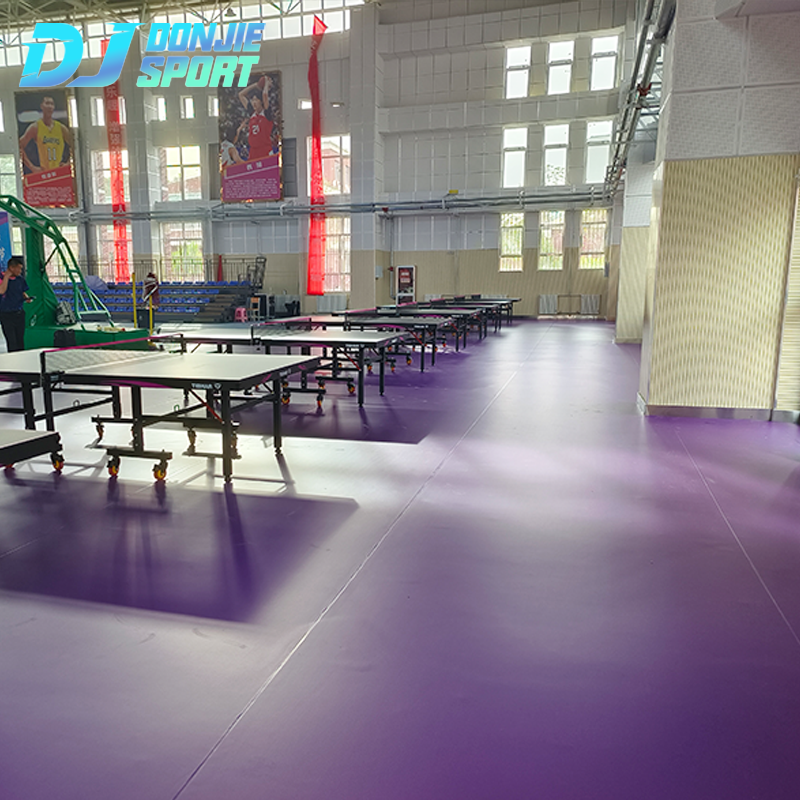
What Makes PVC Sport Flooring Environmentally Friendly?
PVC (Polyvinyl Chloride) sport flooring stands out for its eco-friendly attributes, primarily because of its production process and material properties. Unlike some traditional flooring options, PVC is produced with a lower carbon footprint. The manufacturing of PVC flooring consumes less energy compared to other materials, such as wood or certain types of rubber, making it an environmentally conscious choice.
One of the most significant advantages of PVC flooring is its recyclability. Unlike other synthetic flooring materials, PVC can be repurposed at the end of its life cycle, reducing the strain on landfills and promoting a circular economy. PVC flooring manufacturers are also focused on using recycled content, further minimizing the environmental impact during production.
Durability and Longevity: Reducing Waste Over Time
One of the key factors contributing to the sustainability of PVC sport flooring is its remarkable durability. Sports arenas face heavy traffic, whether from athletes, teams, or large crowds. PVC flooring is designed to withstand these stresses, ensuring that it remains intact for years without needing replacement. This longevity minimizes the need for frequent overhauls, which in turn reduces the amount of waste generated by sports facility renovations.
PVC sport flooring’s resistance to wear and tear also translates to fewer resources used in replacements and repairs. The longer the floor lasts, the fewer raw materials and energy are required to maintain it, which leads to reduced overall environmental impact.
Low Maintenance Needs: Reducing Resource Consumption
Maintaining a sports arena floor can be a costly and resource-heavy endeavor, but PVC flooring offers a solution that requires far less maintenance. The non-porous nature of PVC makes it resistant to staining, dirt, and mold growth, meaning less water and fewer chemical cleaning products are necessary. This not only cuts down on water usage but also helps to reduce the environmental impact of harsh cleaning agents, many of which contain harmful chemicals that contribute to pollution.
PVC sport flooring’s ease of cleaning makes it ideal for busy venues where upkeep must be efficient and cost-effective. A quick, regular sweep and occasional damp mop are often enough to keep the floor in top condition, further emphasizing its low-maintenance appeal.
Non-Toxic and Safe for the Environment
Safety is a critical concern in sports arenas, and PVC flooring contributes to a healthier environment in a variety of ways. Unlike some flooring options, PVC sport flooring is free from harmful toxins, which means it is safe during both installation and throughout its lifespan. This is particularly important in environments like gyms, arenas, and training facilities, where air quality and athlete health are top priorities.
PVC flooring also helps ensure better indoor air quality by not releasing volatile organic compounds (VOCs) that can contribute to poor air quality and respiratory problems. With the increased awareness of indoor environmental quality, choosing non-toxic flooring such as PVC is a proactive step towards creating safer spaces for both athletes and visitors.
Energy Efficiency: Saving Resources in Sports Arenas
Beyond its other eco-friendly benefits, PVC flooring plays a role in enhancing energy efficiency in sports arenas. Its insulating properties help regulate temperature fluctuations, reducing the need for excessive heating or cooling. This energy-saving capability can result in significant long-term savings in utility costs while also lowering the overall carbon footprint of the facility.
By improving indoor climate control, PVC flooring helps sports arenas maintain stable temperatures throughout the year, especially in large, open spaces. As the world moves toward more energy-efficient designs, this feature further strengthens PVC’s appeal as a sustainable flooring choice.
Cost-Effectiveness and Its Environmental Impact
While the environmental advantages of PVC sport flooring are compelling, it’s also worth noting the cost-effectiveness it offers. While the initial installation cost of PVC may be comparable to or slightly higher than other options, its long-term savings outweigh the upfront investment. The durability, low maintenance, and energy efficiency of PVC flooring contribute to significant cost savings over the years.
Moreover, the cost-effectiveness of PVC flooring benefits not just the facility’s budget but also its sustainability goals. By opting for a durable material that reduces the need for frequent replacements and minimizes resource consumption, sports venues can align their economic and environmental goals, creating a more sustainable future for the sports industry.
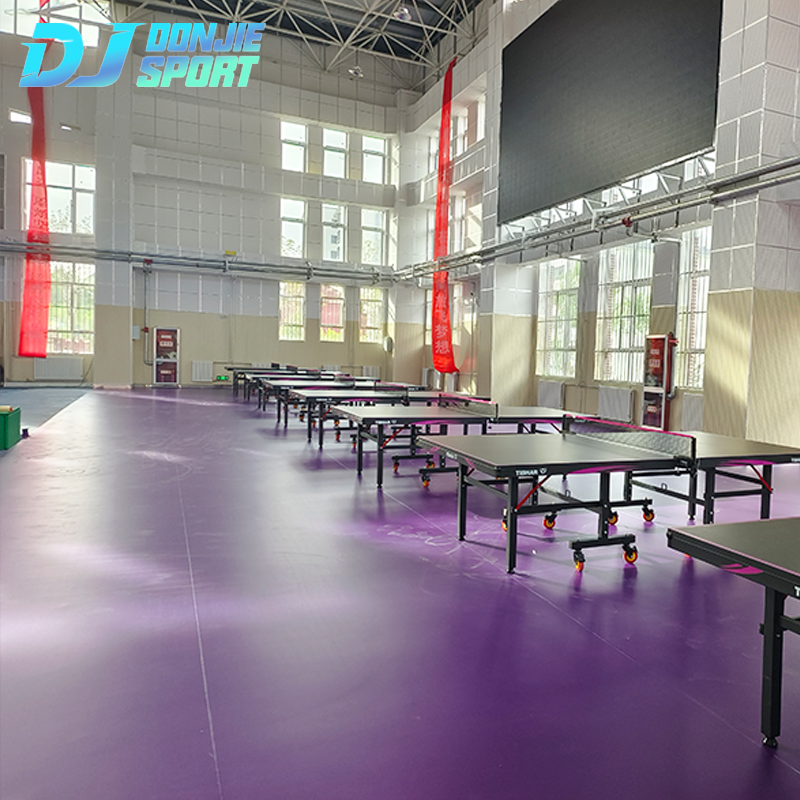
PVC Sport Flooring and Green Building Certifications
In today’s world, achieving green building certifications is a key consideration for many sports venues. PVC flooring plays a significant role in meeting the requirements for certifications like LEED (Leadership in Energy and Environmental Design) and other sustainable building standards. The low environmental impact, combined with its energy efficiency and recyclability, makes PVC flooring an excellent choice for facilities looking to earn recognition for their sustainability efforts.
The increasing adoption of PVC flooring aligns with broader trends in the construction and design industries, where eco-friendly materials are becoming the standard rather than the exception. Sports arenas that incorporate PVC flooring are not only making a smart financial choice but also contributing to the global movement toward greener, more sustainable buildings.
Embracing PVC Sport Flooring for a Sustainable Future
PVC sport flooring is a perfect example of how modern sports arenas can achieve sustainability goals without compromising performance or safety. From its recyclability and low-maintenance needs to its long-lasting durability and energy efficiency, PVC flooring provides a wealth of eco-friendly benefits that make it a top choice for sustainable sports venues.
As the world continues to prioritize environmental responsibility, PVC flooring stands as a strong contender in the push for greener, more sustainable sports facilities. By embracing PVC sport flooring, sports arenas can not only improve their sustainability practices but also ensure a safer, more comfortable environment for athletes and fans alike.