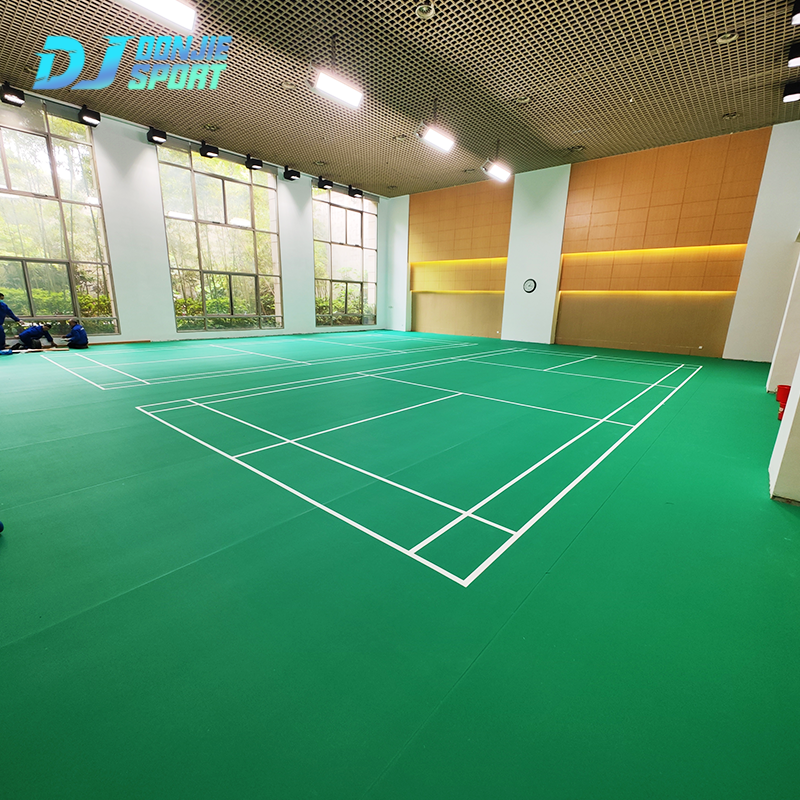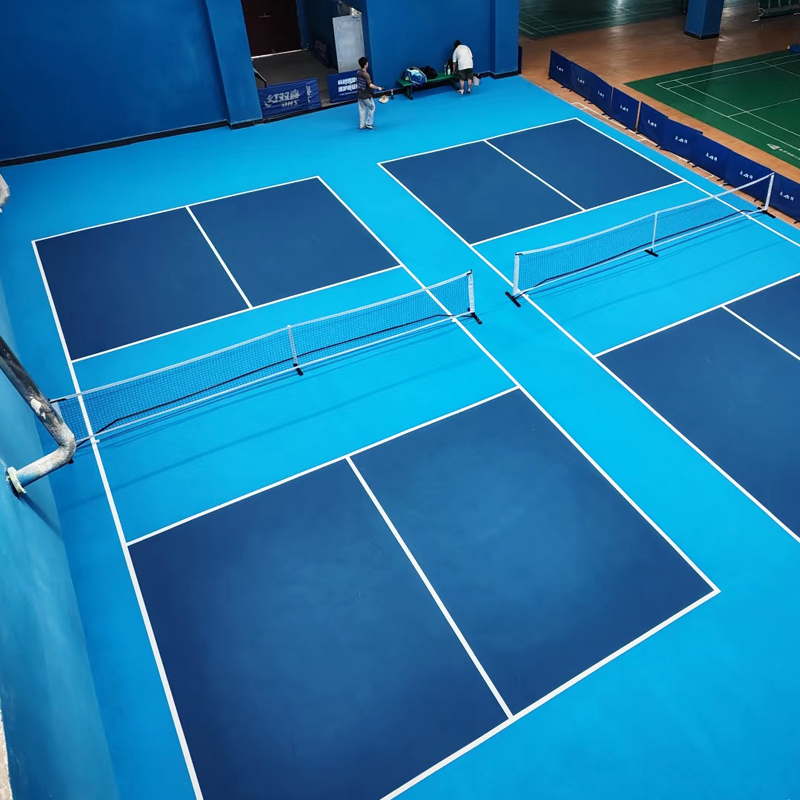
In recent years, the demand for eco-friendly products has surged across various industries, and sports flooring is no exception. As sustainability becomes a priority for both commercial and recreational spaces, choosing the right flooring material for your table tennis court can make a significant environmental impact. Eco-friendly table tennis flooring options not only contribute to a healthier planet but also provide long-lasting, durable, and high-performance surfaces for players. This article explores sustainable flooring choices that can help you create a green, safe, and efficient playing environment.

What Makes Table Tennis Flooring Eco-Friendly?
Eco-friendly table tennis flooring is defined by the materials used and the processes involved in its manufacturing. Sustainable flooring options are designed to minimize harm to the environment while maintaining performance standards that athletes require. Key aspects that contribute to eco-friendly flooring include:
-
Materials: Recycled and renewable resources that reduce reliance on virgin raw materials.
-
Manufacturing: Processes that lower energy consumption, water usage, and waste production.
-
End-of-Life Impact: Flooring that is recyclable, biodegradable, or has a reduced environmental footprint when replaced.
Choosing eco-friendly table tennis flooring means supporting these principles and opting for materials that prioritize both the environment and performance.
Sustainable Flooring Materials for Table Tennis Courts
Let’s explore some of the most popular sustainable flooring materials for table tennis courts:
Recycled PVC Flooring
Recycled PVC (Polyvinyl Chloride) is one of the most commonly used materials for eco-friendly table tennis floors. The material is durable, resistant to wear and tear, and easy to maintain. What makes recycled PVC particularly eco-friendly is that it reduces the need for virgin PVC, cutting down on the use of non-renewable resources.
Benefits of Recycled PVC Flooring:
-
Durability: Recycled PVC offers a long lifespan and can withstand heavy foot traffic and impact from table tennis equipment.
-
Low Maintenance: It requires minimal upkeep, saving water and chemicals typically used in cleaning and maintenance.
-
Recyclable: At the end of its lifespan, recycled PVC can often be reprocessed into new flooring or other products.
Rubber Flooring
Rubber flooring, made from natural or recycled rubber, is an eco-conscious choice for table tennis courts. Natural rubber is renewable, biodegradable, and has a low environmental impact compared to synthetic alternatives.
Advantages of Rubber Flooring:
-
Sustainability: Rubber is a renewable resource that grows in abundance, making it an ideal choice for eco-friendly products.
-
Shock Absorption: Rubber floors provide excellent cushioning, reducing the strain on players’ joints and enhancing overall comfort.
-
Durability: Rubber flooring is extremely durable and can last for many years, making it a cost-effective and sustainable investment.
Bamboo Flooring
Bamboo is one of the fastest-growing plants on Earth, making it an incredibly sustainable material. Bamboo flooring has gained popularity in various sports courts, including table tennis, due to its strength, flexibility, and environmentally friendly properties.
Why Bamboo Flooring Works for Table Tennis:
-
Renewability: Bamboo grows rapidly and requires minimal water, making it an eco-friendly resource.
-
Durability: Bamboo is naturally strong and can endure the impact of table tennis play, offering a stable and smooth surface.
-
Aesthetic Appeal: Bamboo floors bring a natural, stylish look to the court while maintaining sustainability.
Cork Flooring
Cork is another renewable material that provides excellent eco-friendly benefits for table tennis flooring. Sourced from the bark of cork oak trees, cork is biodegradable and can be sustainably harvested without harming the tree.
Why Choose Cork Flooring?
-
Sustainability: Cork is harvested from trees that continue to grow and regenerate after each harvest, making it a truly renewable resource.
-
Comfort and Performance: Cork floors provide excellent traction and a slight cushioning effect, reducing the risk of injury during play.
-
Natural Insulation: Cork offers natural thermal and acoustic insulation, which can improve the playing environment by maintaining consistent temperatures and reducing noise.
Advantages of Eco-Friendly Table Tennis Flooring
Opting for eco-friendly table tennis flooring comes with numerous benefits, including:
-
Reduced Carbon Footprint: Sustainable flooring materials often have a lower carbon footprint during production and transportation compared to traditional options.
-
Longevity: Materials like recycled PVC and rubber are designed to last longer, meaning fewer replacements and less waste.
-
Health Benefits: Eco-friendly materials are often non-toxic and free from harmful chemicals like phthalates, formaldehyde, or volatile organic compounds (VOCs), improving indoor air quality.
-
Improved Performance: Many sustainable flooring options, such as rubber and bamboo, offer excellent shock absorption, reducing fatigue and enhancing player performance.
How to Choose the Right Eco-Friendly Flooring for Your Court
Choosing the best eco-friendly flooring for your table tennis court requires balancing sustainability with performance. Here are some factors to consider:
-
Durability: Look for materials that can withstand the high impact and constant use typical of table tennis courts.
-
Environmental Impact: Consider the entire lifecycle of the flooring material, from sourcing and manufacturing to disposal and recyclability.
-
Cost: While eco-friendly flooring may have a higher initial cost, its long lifespan and low maintenance needs can lead to savings in the long run.
-
Certifications: Check for certifications such as FSC (Forest Stewardship Council) or Cradle to Cradle that indicate the flooring meets sustainability standards.
Installing Eco-Friendly Table Tennis Flooring
Installation of eco-friendly flooring is similar to traditional flooring but may require special attention to the adhesive and underlayment used to ensure compatibility with the material. Many eco-friendly flooring options, like interlocking tiles, offer easy DIY installation, while others might require professional installation. It’s essential to follow the manufacturer’s instructions to ensure the longevity and performance of the flooring.
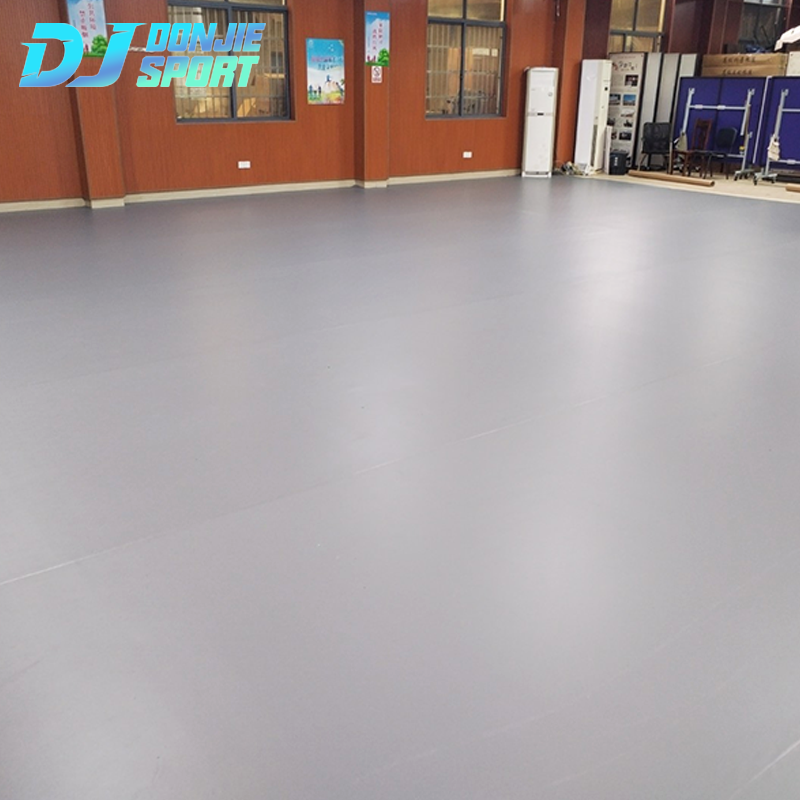
Maintenance and Care of Sustainable Table Tennis Flooring
Eco-friendly table tennis flooring typically requires less maintenance than conventional options, which often rely on harsh chemicals for cleaning and upkeep. Here are some easy maintenance tips:
-
Regular Sweeping: Prevent dirt and dust build-up by sweeping the floor regularly.
-
Gentle Cleaning: Use a damp cloth and non-toxic cleaner to wipe the surface, avoiding chemicals that can harm the environment.
-
Proper Ventilation: Ensure the court area is well-ventilated to maintain the integrity of the flooring and prevent moisture buildup.
By taking these simple steps, you can extend the life of your eco-friendly table tennis flooring and keep it in optimal condition for years.
Conclusion
Investing in eco-friendly table tennis flooring not only benefits the environment but also offers a safe, durable, and high-performance playing surface. Whether you choose recycled PVC, rubber, bamboo, or cork, each sustainable option provides unique advantages that contribute to a greener, healthier space. By carefully considering the materials, installation, and maintenance, you can make a responsible decision that meets both your performance needs and environmental values.