
When it comes to designing a top-tier badminton court, one of the most crucial decisions you’ll make is selecting the right flooring. The quality of the court surface can significantly impact player performance, safety, and even the overall aesthetic of the facility. Whether you’re building a new badminton venue or upgrading an existing one, the flooring material you choose will play a pivotal role in the game experience.
In 2026, the badminton court flooring market is evolving with exciting new options that provide enhanced durability, superior safety features, and an eco-friendly approach to construction. With numerous materials to choose from, it’s essential to understand how each type of flooring influences the game and meets the unique demands of badminton courts.
In this article, we’ll explore the top flooring choices for badminton courts in 2026, highlighting their benefits, key features, and the latest trends in flooring technology. From traditional wooden courts to advanced synthetic options, we’ll provide a comprehensive guide to help you make the best flooring choice for your venue.
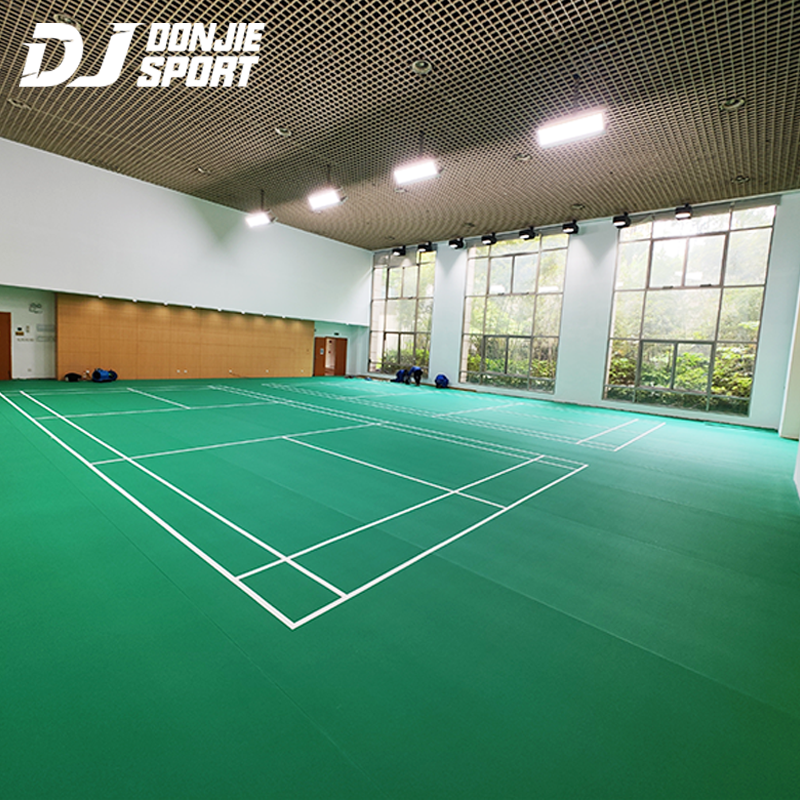
The Evolution of Badminton Court Flooring in 2026
Badminton court flooring has come a long way over the years, evolving from simple wooden surfaces to technologically advanced materials that improve performance and player safety. As we move into 2026, there is a noticeable shift towards more sustainable, high-performance flooring solutions that not only meet the demands of competitive play but also ensure environmental responsibility.
In the past, the focus was primarily on durability and cost-effectiveness, but today, the needs of modern sports venues go beyond just functionality. Players expect courts that enhance their performance, reduce the risk of injuries, and are easy to maintain. Moreover, with an increasing emphasis on sustainability, many badminton court owners are looking for flooring solutions that are eco-friendly and offer a longer lifespan.
Technological innovations, such as improved shock absorption, better traction, and advanced wear-resistant coatings, are transforming the way badminton courts are designed and maintained. Flooring solutions now offer a variety of benefits, from reducing impact on players’ joints to ensuring superior grip and responsiveness on fast-paced shots.
Key Factors to Consider When Choosing Badminton Court Flooring
When selecting flooring for a badminton court, it’s essential to evaluate several factors to ensure it meets both the needs of the players and the maintenance requirements of the facility. Below are some of the key considerations that will help guide your decision:
-
Surface Traction and Player Safety
Badminton is a fast-paced sport that demands excellent grip and stability. Flooring materials that offer good traction can prevent players from slipping, especially during quick lateral movements or sudden stops. Surfaces with low friction can lead to injuries, so ensuring the right balance of grip is crucial for safety. -
Shock Absorption and Injury Prevention
Badminton players often perform rapid movements that can place strain on the joints. High-quality flooring with good shock absorption properties helps reduce the impact on players’ knees, ankles, and hips. This is especially important for young athletes or those involved in heavy training sessions. -
Durability and Maintenance Requirements
High traffic and intense play can wear down flooring quickly. Durable materials that can withstand heavy use without losing performance are essential. Additionally, consider the ease of maintenance. Some materials, like synthetic flooring, are easier to clean and require less upkeep compared to traditional wood. -
Aesthetic Appeal and Design Versatility
The flooring material also plays a significant role in the visual appeal of the venue. Choosing a material that aligns with the overall design of the sports facility can elevate the ambiance. Flooring with customizable colors or designs can help reflect the branding of the venue while providing a professional atmosphere.
Top Flooring Materials for Badminton Courts in 2026
The following flooring options are considered the best choices for badminton courts in 2026, each offering a combination of performance, safety, and durability:
Polyurethane Flooring
Polyurethane flooring has gained popularity due to its ability to provide a consistent, high-quality playing surface. It is known for its excellent shock absorption, which helps protect players’ joints and reduce fatigue. This material also offers superior durability, making it ideal for high-traffic sports courts. Furthermore, polyurethane flooring can be customized in terms of colors and markings, offering both performance and aesthetic flexibility.
PVC Flooring
PVC flooring is a popular choice for indoor badminton courts due to its affordability and ease of maintenance. It provides a firm yet comfortable surface that enhances player performance without compromising safety. PVC flooring is also resistant to moisture and wear, making it a great option for sports halls that see frequent use. Its versatility allows it to be used in both recreational and professional badminton venues.
Wooden Flooring
Wooden flooring has been the traditional choice for badminton courts, especially in elite and professional settings. It is valued for its classic look, high resilience, and natural ability to provide both traction and comfort. Hardwood floors, particularly maple, are known for their stability and performance. However, wood floors require more maintenance compared to synthetic options and can be affected by changes in humidity or temperature.
Rubber Flooring
Rubber flooring is a versatile and durable option for badminton courts. Known for its ability to withstand heavy impact and provide excellent traction, rubber flooring is also praised for its noise-reducing properties. It offers superior slip resistance and shock absorption, making it an excellent choice for ensuring player safety during intense games.
How Technology is Shaping Badminton Court Flooring in 2026
Advancements in flooring technology are transforming the badminton court experience. Here are some of the innovations shaping the industry in 2026:
-
Smart Flooring Solutions: Some manufacturers are integrating smart technologies into badminton court floors. These systems can track player movements, measure performance, and even provide real-time feedback on court conditions. This can be especially useful for training or for coaches analyzing players’ techniques.
-
Advanced Coatings and Finishes: Flooring materials are now being treated with advanced coatings that enhance durability, resistance to wear, and grip. Anti-slip and anti-bacterial finishes are becoming standard, offering additional safety and hygiene benefits.
-
Sustainability Features: Eco-friendly coatings, recyclable materials, and energy-efficient manufacturing processes are part of the growing trend toward sustainable sports flooring. These technologies aim to reduce the environmental impact of flooring products while maintaining high levels of performance.
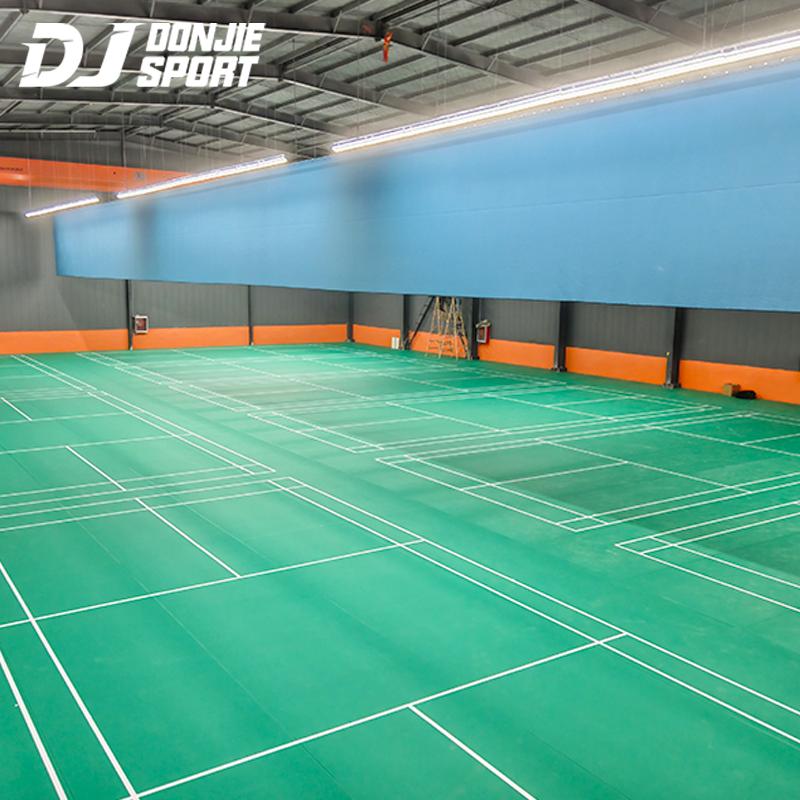
Cost-Effectiveness and Longevity of Different Flooring Options
Choosing the right badminton court flooring is also about understanding the long-term value. Here’s a comparison of how different materials stack up when it comes to cost-effectiveness:
-
Polyurethane Flooring: While initial costs may be higher, polyurethane floors provide exceptional longevity and minimal maintenance costs. Their durability and performance make them a solid investment in the long run.
-
PVC Flooring: PVC flooring is generally more affordable upfront, but its lower lifespan compared to other materials may lead to more frequent replacements. However, the lower maintenance costs make it an attractive option for many facilities.
-
Wooden Flooring: Wooden courts are often the most expensive due to installation and ongoing maintenance requirements. However, they offer unmatched aesthetic appeal and are commonly preferred for professional or high-end venues.
-
Rubber Flooring: Rubber floors are typically cost-effective and durable, with excellent long-term value due to their resistance to wear and tear. They may require occasional resurfacing but offer good performance at a reasonable cost.
Conclusion
As we move into 2026, the choices for badminton court flooring have expanded, offering a range of materials that cater to different needs and budgets. Whether you’re designing a new facility or upgrading an existing court, it’s essential to consider factors such as player safety, durability, performance, and environmental impact. From high-performance polyurethane and PVC options to traditional wooden surfaces, the right flooring will elevate the badminton experience for both players and spectators alike.
Selecting the best flooring for your badminton court is about balancing these various factors to create a safe, durable, and aesthetically pleasing environment. As new technologies continue to emerge, the future of badminton court flooring looks brighter and more sustainable than ever.



