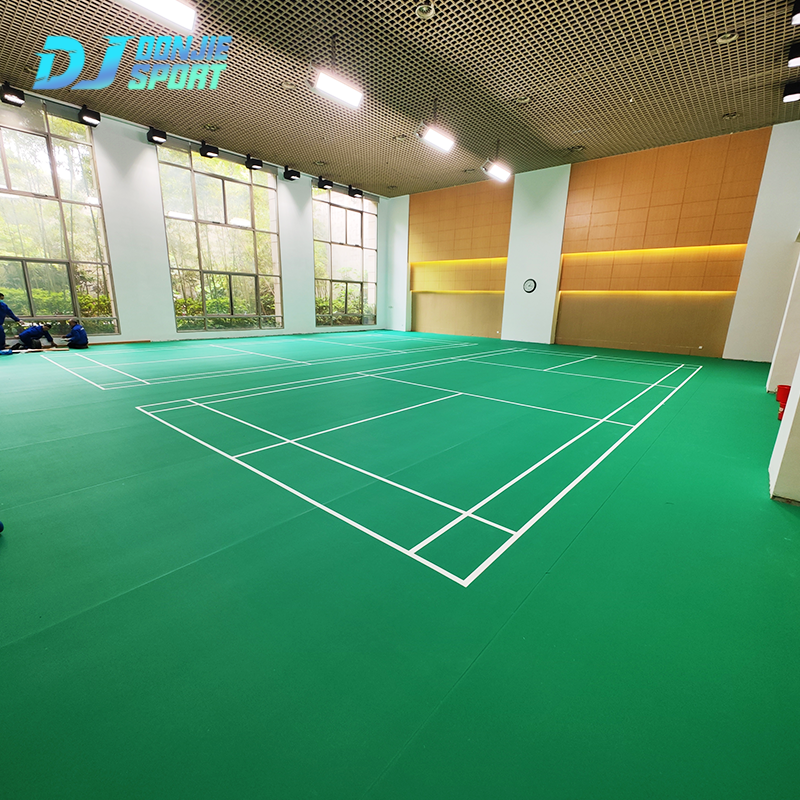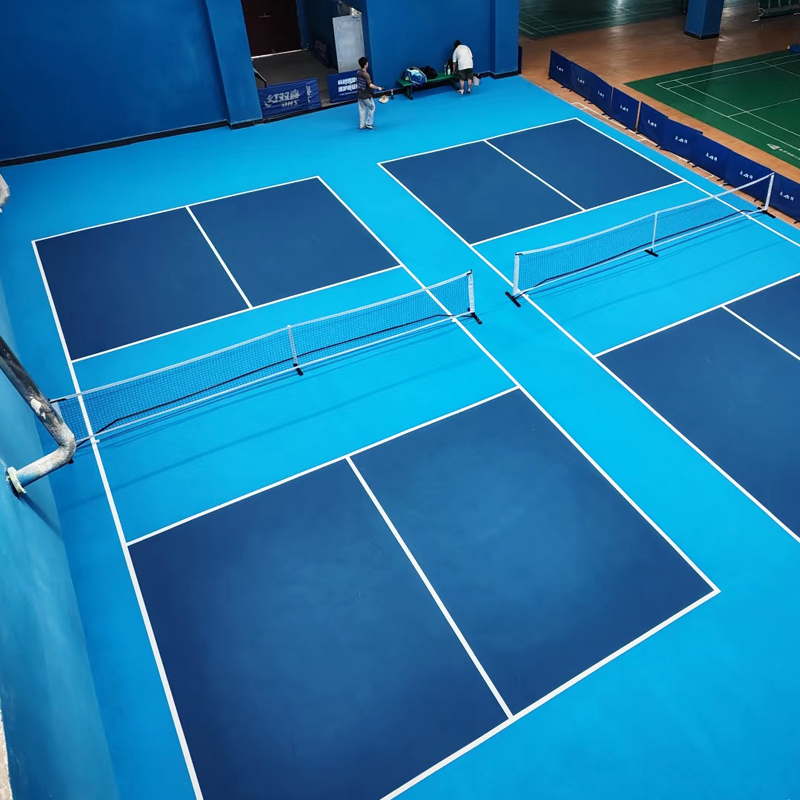
When it comes to table tennis, the playing surface is more than just a foundation for the game; it is a vital element that can directly influence the quality of play. The right flooring for table tennis enhances the players’ experience, providing both comfort and performance advantages. A carefully chosen floor helps to maintain the right speed and consistency of the ball’s bounce, which is crucial for the fast-paced nature of the game.
In table tennis, the speed at which the ball moves and the way it bounces can be affected by the flooring type. If the surface is too soft, the ball might absorb too much energy, causing it to lose speed. On the other hand, an overly hard surface might cause the ball to bounce unpredictably. The ideal flooring ensures that the ball bounces in a controlled and consistent manner, allowing players to make precise shots and react quickly.
Aside from game performance, the flooring also plays a critical role in player comfort and safety. The right flooring can reduce the risk of injuries caused by slips or excessive joint impact, providing essential shock absorption to protect the players during their movements.
Choosing the right flooring for table tennis not only impacts game performance but also contributes to the longevity of the facility. Floors designed for table tennis are built to withstand the high demands of frequent use, offering durability and easy maintenance.
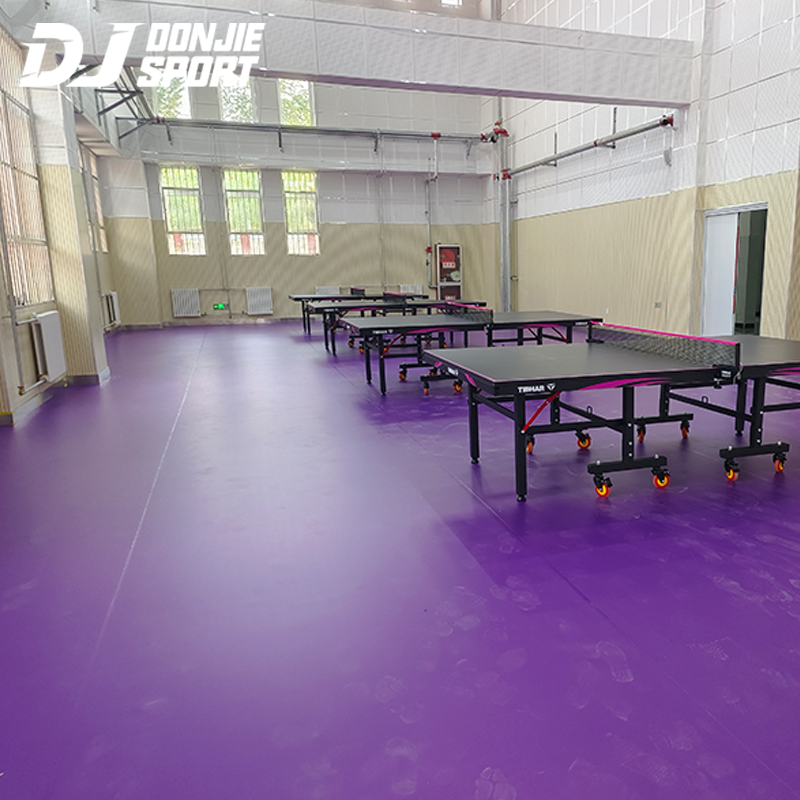
Key Factors to Consider When Choosing Flooring for Table Tennis
Choosing the right flooring for table tennis requires careful consideration of several factors. Each aspect of the flooring impacts the way players perform and how the game is played. Here are some essential factors to keep in mind:
Surface Type
The surface texture of the flooring plays a significant role in the bounce and control of the ball. A smooth surface allows for a fast and predictable ball bounce, which is essential for professional play. Conversely, textured surfaces can provide more grip, giving players better traction during movements. The balance between smoothness and texture is crucial for achieving optimal ball control.
Material Durability
When selecting flooring for table tennis, it’s essential to choose a material that can withstand high-impact usage. Whether you choose wood, PVC, rubber, or vinyl, durability should be a primary concern. High-quality flooring for table tennis will endure heavy foot traffic, the occasional spill, and constant exposure to the impact of fast-moving balls. Materials like PVC and rubber are known for their long-lasting qualities and resistance to wear and tear.
Comfort and Safety
Player safety and comfort should never be overlooked. Flooring that provides adequate shock absorption helps protect the joints, reducing the risk of injuries during prolonged games or practice sessions. A soft yet firm surface ensures that players can pivot and dive without risking harm. Additionally, a slip-resistant surface is essential, especially for fast-paced games where players may make quick and sudden movements.
The Best Flooring Materials for Table Tennis
When it comes to flooring for table tennis, different materials offer distinct benefits. Understanding the advantages and disadvantages of each material will help you choose the most suitable option for your needs.
Wooden Flooring
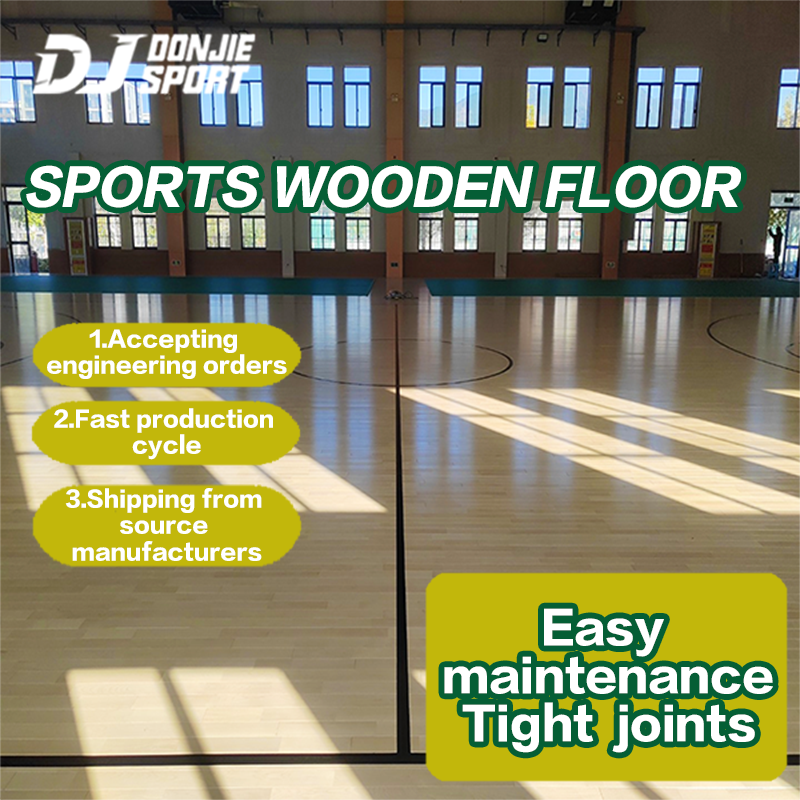
Wooden floors are a traditional and high-quality choice for table tennis courts, especially for competitive settings. They provide excellent ball bounce consistency, which is crucial for professional players. The natural texture of wood also enhances player comfort. However, wooden floors can be more expensive and require more maintenance, including periodic sealing to protect against wear.
PVC Flooring
PVC flooring is increasingly popular due to its durability, ease of maintenance, and cost-effectiveness. It is particularly suitable for multi-purpose venues where different types of sports may be played. PVC offers a smooth, controlled bounce that is ideal for table tennis, and its shock-absorbing properties make it a comfortable option for players. It’s also a low-maintenance material, requiring minimal cleaning and care.
Rubber Flooring
Rubber is a highly durable material that provides excellent shock absorption, making it an ideal choice for reducing fatigue and preventing injuries. Rubber floors are especially effective in spaces where noise reduction is necessary, as they have soundproofing qualities. While rubber flooring offers great performance and comfort, it might not provide the same consistent ball bounce as wood or PVC, making it more suitable for casual or multi-use spaces.
Vinyl Flooring
Vinyl flooring is another affordable yet high-performing option for table tennis. Like PVC, it is easy to maintain, water-resistant, and durable. Vinyl can be designed to mimic the look and feel of wood, providing the aesthetics of a traditional table tennis floor at a fraction of the price. Its non-slip surface provides added safety and stability for players, making it a solid choice for recreational and commercial facilities.
How Flooring Affects Game Play
Flooring has a direct impact on the gameplay of table tennis, affecting both the ball’s behavior and the player’s performance. Let’s break down the key elements:
Bounce Consistency
One of the most crucial factors in flooring for table tennis is how it affects the ball’s bounce. A high-quality floor will ensure that the ball bounces consistently, allowing players to anticipate its movement accurately. Floors with unpredictable bounce can disrupt the rhythm of the game and make it harder for players to react quickly. Materials like wood and PVC are known for providing a reliable, consistent bounce, which is vital for professional and competitive play.
Speed and Movement
The right flooring can also impact player movement. Smooth surfaces, such as those found with PVC or vinyl, allow players to move quickly and freely, enhancing their ability to react and position themselves properly. Flooring that is too soft or too textured may slow down a player’s movement or make it more difficult to pivot. The ideal floor allows for quick, fluid motion without sacrificing safety.
Installation and Maintenance of Table Tennis Flooring
When selecting flooring for table tennis, it’s important to consider both installation and long-term maintenance requirements. The easier the installation and upkeep, the more cost-effective the floor becomes over time.
Easy Installation Options
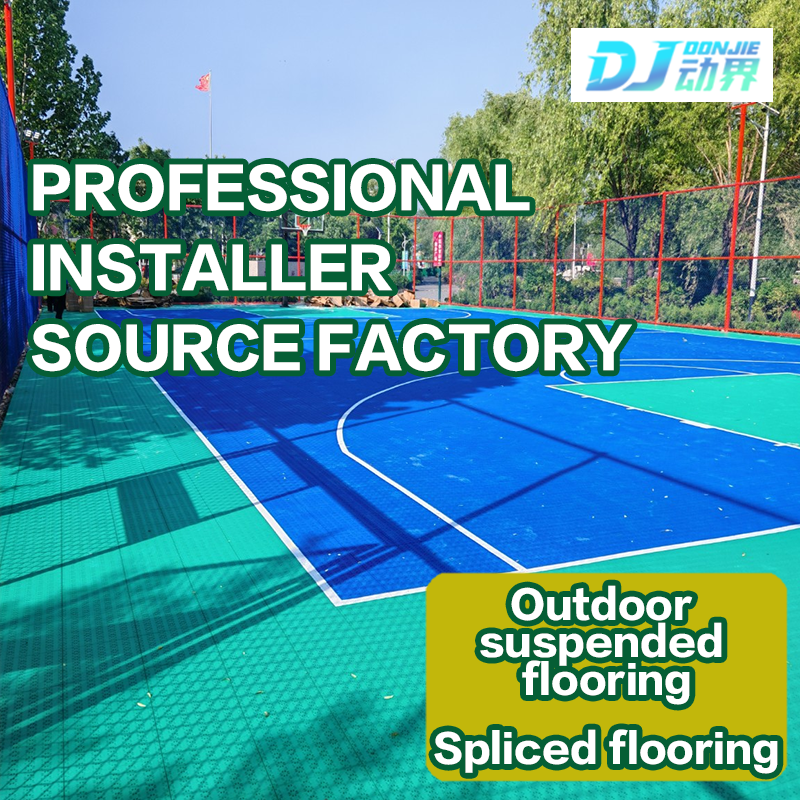
Interlocking tiles and roll-out sheets are among the easiest flooring options to install, making them ideal for facilities that need a quick setup. These options allow you to customize the court’s dimensions and easily replace damaged sections, saving time and money. Professional installations, such as wooden or PVC floors, may require more expertise but offer a more permanent solution.
Cleaning and Maintenance
Proper maintenance is essential to ensure the longevity of your table tennis flooring. Regular cleaning helps to remove dust and dirt that could affect ball bounce and player comfort. For wood floors, it’s recommended to use specialized cleaning products to preserve their shine and prevent damage. PVC, rubber, and vinyl floors are relatively easy to maintain with regular sweeping and occasional mopping.
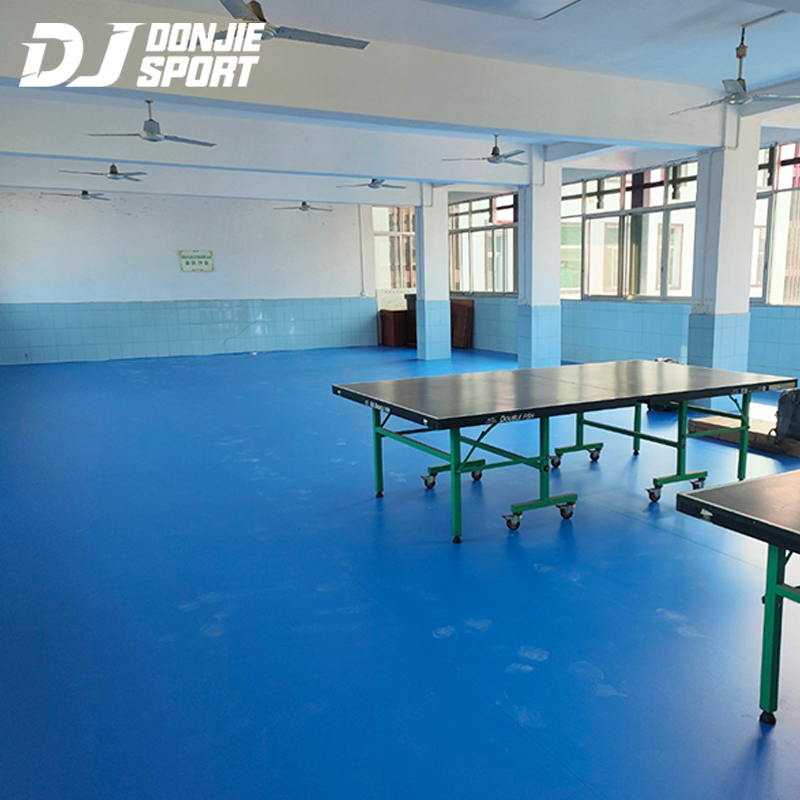
Choosing Flooring Based on Your Facility
The type of flooring for table tennis you choose will depend on the specific needs of your facility, whether it’s a home, school, or professional arena.
For Home Use
For residential use, budget-friendly options such as vinyl or PVC flooring offer great value while maintaining quality performance. These materials are easy to install, cost-effective, and durable enough to handle casual play.
For Professional Arenas
High-end wooden or PVC floors are often preferred for professional arenas and competition spaces. These materials meet the strict performance standards required for high-level play, providing consistent bounce and optimal player comfort.
For Schools and Clubs
Schools and recreational clubs may benefit from flooring for table tennis that offers both affordability and durability. PVC and rubber floors are perfect for spaces with heavy foot traffic and frequent use. They are easy to install and maintain, offering great value without compromising performance.
Making the Right Choice for Your Table Tennis Flooring
In summary, selecting the right flooring for table tennis is essential for creating a space that enhances player performance, provides safety, and stands the test of time. Whether you’re outfitting a home court, a school gym, or a professional arena, consider the bounce, durability, and comfort each material offers. Wooden floors provide the classic feel and performance required for professional play, while PVC and rubber options offer great alternatives for multi-purpose use.