When it comes to setting up a dance studio, one of the most crucial decisions you’ll make is choosing the right flooring. The flooring in your dance studio directly affects the performance, safety, and comfort of your dancers. Not only does it influence how well dancers can execute their moves, but it also plays a significant role in preventing injuries. With so many flooring options available, it’s essential to understand what works best for different types of dance and how to install and maintain your floors to ensure long-term durability.
In this guide, we will explore the best practices for selecting, installing, and caring for flooring for dance studios, so you can create a safe, comfortable, and durable environment for your dancers.
Choosing the Right Flooring for Your Dance Studio
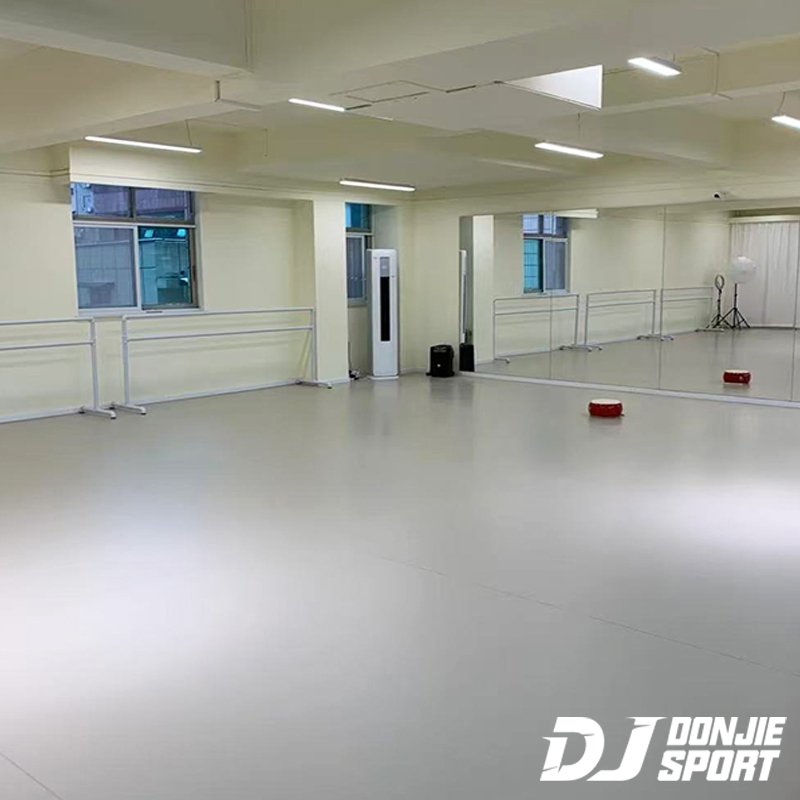
Selecting the right flooring for dance studio is the first and most important step in creating an ideal training environment. Different types of dance require different kinds of surfaces, and you should consider several factors before making your decision.
-
Factors to Consider: Budget, Dance Style, and Space Size
When choosing dance studio flooring, it’s important to balance your budget with your specific needs. Some floors, like hardwood or sprung floors, are on the higher end of the price spectrum but offer superior performance and safety features. Vinyl and rubber floors, on the other hand, are more affordable but may not provide the same level of support for high-impact dance styles.The type of dance being performed in the studio is another key consideration. Ballet, contemporary, and jazz require smooth, flexible surfaces that absorb shock to prevent injury. Hip-hop, tap, and other forms of street dance benefit from floors that allow for more grip and durability. If your studio hosts multiple dance styles, a versatile flooring option may be ideal.
-
Types of Flooring: Wood, Vinyl, Sprung, Rubber
Each flooring option has its unique benefits:-
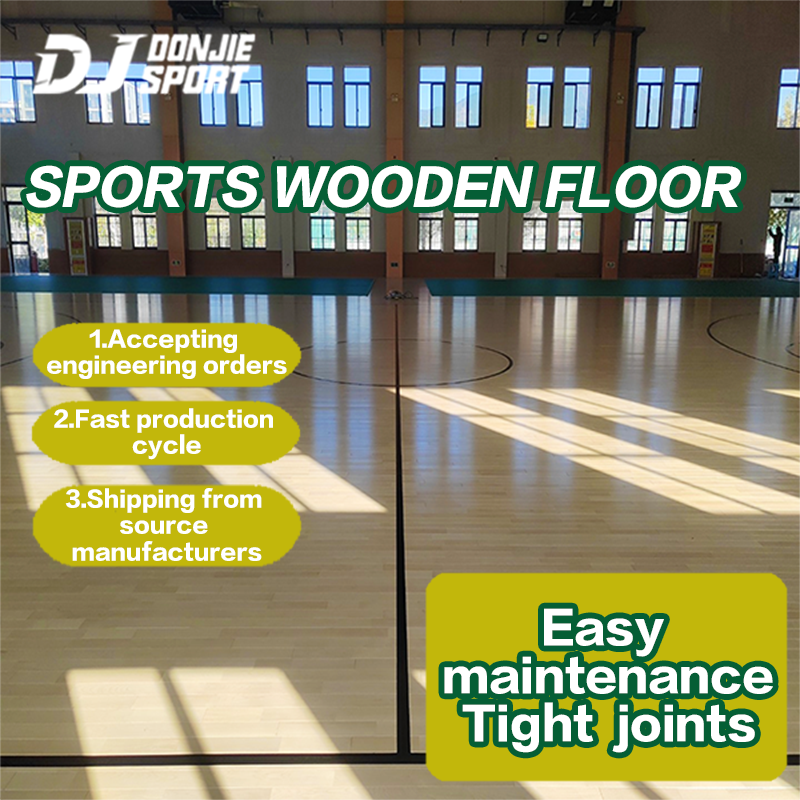
Wood Floors: Traditional and aesthetically pleasing, wood floors are a favorite in ballet and contemporary dance studios due to their ability to absorb shock and provide the necessary support for turns and jumps.
-
Vinyl Floors: Affordable, easy to clean, and available in various textures, vinyl floors are ideal for a wide range of dance styles, particularly modern and hip-hop.
-
Sprung Floors: Sprung floors feature a cushioned underlayer that offers excellent shock absorption, making them perfect for high-impact dancing like ballet or contemporary.
-
Rubber Floors: Rubber floors are durable and non-slip, providing excellent grip for dance styles like hip-hop and tap, where stability is critical.
-
-
Pros and Cons of Each Flooring Type
-
Wood: Pros – Elegant look, great for ballet, long-lasting. Cons – Expensive, can get scratched.
-
Vinyl: Pros – Budget-friendly, versatile, low maintenance. Cons – May not have the shock absorption needed for certain styles.
-
Sprung: Pros – Reduces the risk of injury, ideal for heavy-impact styles. Cons – Expensive and may require more maintenance.
-
Rubber: Pros – Durable, non-slip, easy to clean. Cons – Less aesthetic, not suitable for all dance styles.
-
Key Considerations for Dance Studio Flooring Installation
Once you’ve chosen the right flooring, proper installation is key to ensuring your dance floor performs as expected. Here are some essential considerations for installing dance studio flooring:
-
Preparing the Subfloor: Leveling and Moisture Control
Before installing any flooring, the subfloor needs to be properly prepared. A level, smooth subfloor will prevent uneven surfaces and premature wear on your dance floor. Additionally, moisture control is critical—ensure the space is dry and the subfloor is moisture-resistant to prevent mold or damage to your new flooring. -
Proper Installation Methods for Different Flooring Types
Each flooring type requires specific installation methods:-
Wood floors should be installed using tongue-and-groove planks or a floating floor method to allow for natural expansion and contraction.
-
Vinyl floors can be glued or click-together, depending on the style and design.
-
Sprung floors require special underlayment systems to absorb shock.
It’s essential to follow the manufacturer’s installation guidelines closely to ensure the floor is installed correctly.
-
-
Professional vs DIY Installation: When to Hire Experts
For smaller or simpler installations, DIY may be a feasible option, especially for vinyl flooring. However, more complex systems like sprung floors or hardwood installations are best left to professionals to ensure the proper structure and safety. -
Understanding Expansion Gaps and Flooring Movement
Dance floors naturally expand and contract due to temperature and humidity changes. Make sure there is adequate space between the flooring and the walls to accommodate this movement without causing damage.
Maintenance Practices for Dance Studio Flooring
To keep your dance studio flooring looking and performing its best, regular maintenance is necessary. Here are some key practices to follow:
-
Regular Cleaning and the Right Cleaning Products
Keeping your floor clean is essential for both performance and longevity. Sweep or vacuum the floor regularly to remove dirt and debris that can scratch the surface. Use cleaning products that are specifically designed for the type of flooring in your studio to avoid damage. -
How to Maintain the Floor’s Shine and Smoothness
For wood floors, regular polishing can help maintain the shine and smoothness. Vinyl and rubber floors may need occasional buffing to remove scuff marks and restore their finish. Avoid harsh chemicals or abrasive tools that can damage the surface. -
Importance of Preventing Moisture Damage
Moisture is one of the biggest threats to dance floors. Ensure the studio is properly ventilated to prevent the accumulation of moisture, which can warp or discolor the floor. In areas with high humidity, consider installing a moisture barrier underneath the flooring. -
Steps to Take to Avoid Scratches, Scuffs, and Wear
Encourage dancers to wear appropriate footwear for the style of dance they are performing, as certain types of shoes can cause damage to the floor. Also, using floor covers when the studio isn’t in use can prevent unnecessary wear and tear.
Long-term Care and Durability of Dance Studio Flooring
Maintaining the durability of your dance studio flooring over time requires attention to detail and preventative care.
-
Protecting the Floor from Heavy Traffic and Outdoor Dirt
Place mats or rugs at entrances to prevent dirt from being tracked onto the floor. Encourage dancers to wipe their shoes before entering the studio to avoid bringing in dust, debris, and moisture. -
How to Prevent Wear and Tear from Footwear and Equipment
Footwear, especially hard-soled shoes, can cause wear on the surface of the floor. Be sure to use mats or flooring protectors for equipment, as items like poles or heavy weights can create permanent indentations or scratches. -
The Role of Floor Refinishing in Extending Lifespan
For wood floors, refinishing is a necessary step to maintain smoothness and remove any damage that occurs over time. Sprung floors may need to be re-cushioned after years of use to maintain their shock absorption properties. -
How to Handle Repairs for Damaged Flooring
Small cracks, chips, or scuff marks can be repaired with patch kits or refinishing products. However, major damage (e.g., warped or cracked boards) may require professional repair or replacement.
Upgrading Your Dance Studio Flooring for Special Needs
As your dance studio evolves, so too may your flooring needs. Here’s how to adapt:
-
Adding Cushioning for Specific Dance Styles
Ballet and other high-impact styles benefit from extra cushioning. Consider adding a sprung floor or additional padding underneath the surface to provide more support and reduce injury risk. -
Custom Flooring Options for Advanced Performance and Training
If your studio is used for advanced training, you may want to invest in specialized flooring systems that can provide extra durability and support for intensive practice sessions. -
Adapting Flooring for Multi-Purpose Use
If your studio is used for a variety of activities beyond dance (e.g., fitness classes, yoga), choose versatile flooring that can handle different types of activities without compromising safety or comfort. -
How Technology in Flooring Can Enhance Your Studio
Some advanced flooring options come equipped with technology, such as heated floors for comfort in cooler environments or sensors that track movement and performance. Consider these options for a cutting-edge experience.
Conclusion
Choosing, installing, and maintaining dance studio flooring is an essential part of creating a safe and effective space for dancers. By selecting the right flooring type, following best practices for installation, and committing to regular care and maintenance, you can ensure your studio remains a high-performance environment for years to come.
By investing in quality flooring and keeping it well-maintained, you’ll help your dancers perform at their best while minimizing injury risks and preserving the aesthetic appeal of your studio.