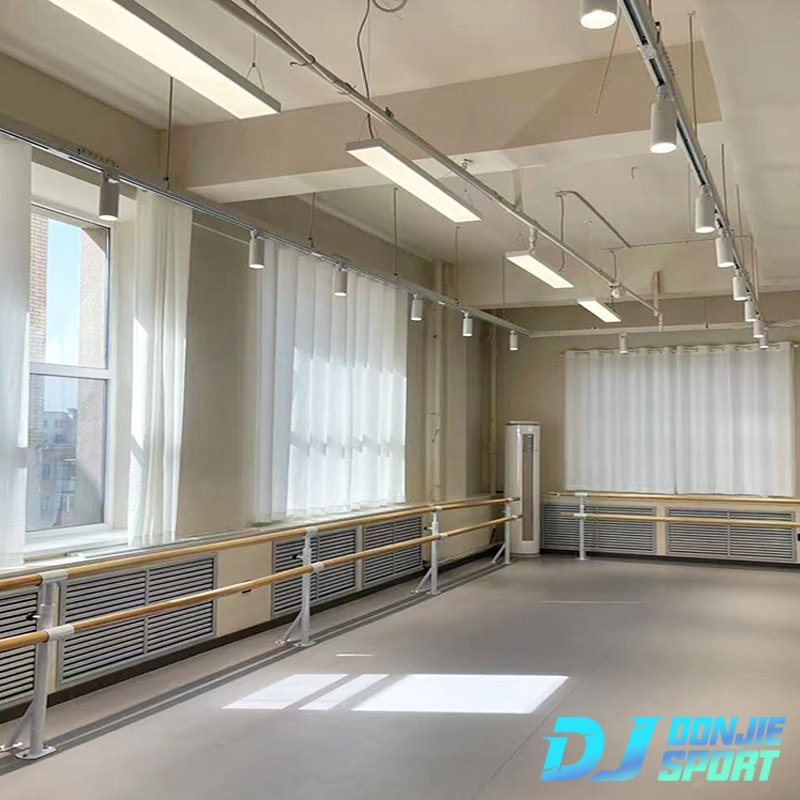
Choosing the right flooring for your dance studio is one of the most important decisions you’ll make when setting up your space. A high-quality floor is not just about aesthetics; it’s essential for the safety, comfort, and performance of your dancers. Whether you’re running a professional ballet studio or a multi-discipline facility, the type of flooring you select can have a significant impact on the dancers’ technique, safety, and overall experience.
While it’s tempting to go for a budget-friendly option, investing in superior flooring is always worth it in the long run. The right flooring provides the right amount of cushioning to prevent injuries, enhances performance through the perfect balance of grip and smoothness, and ensures your studio remains a welcoming and inspiring place for dancers of all ages and skill levels.
In this post, we’ll explore why high-quality materials matter when it comes to flooring for dance studios, discuss the various types of flooring available, and help you make an informed choice that will support both your studio’s needs and your dancers’ goals.
Why Flooring Quality is Crucial for Dance Studios
The flooring in your dance studio is more than just a surface to move on. It plays a critical role in the health and performance of your dancers. Poor-quality flooring can lead to injuries, decreased comfort, and even hinder a dancer’s ability to perform at their best. Below are the primary reasons why high-quality flooring is essential:
-
Injury Prevention: Dance, especially at professional levels, can be physically demanding. High-quality flooring provides the right balance of cushioning and support, reducing the risk of strains, sprains, and joint injuries. A floor with proper shock absorption helps minimize the impact on a dancer’s knees, hips, and spine, allowing them to practice longer and with less fatigue.
-
Improved Performance: The right floor enhances a dancer’s performance by offering the correct amount of grip and slide. Too much friction can slow down movement, while too little can cause slipping. A well-chosen floor provides the ideal balance, enabling dancers to execute their moves with precision and fluidity.
-
Long-Term Durability: High-quality flooring materials tend to last longer and require less maintenance, making them a better investment. Over time, cheap flooring options can wear down, crack, or lose their grip, requiring costly repairs or replacements. Premium materials like sprung floors or vinyl options ensure longevity and help avoid these additional costs.
Types of Flooring for Dance Studios
Different dance styles require different types of flooring. Let’s dive into the most common materials used in dance studios and the benefits they bring to the table.
-
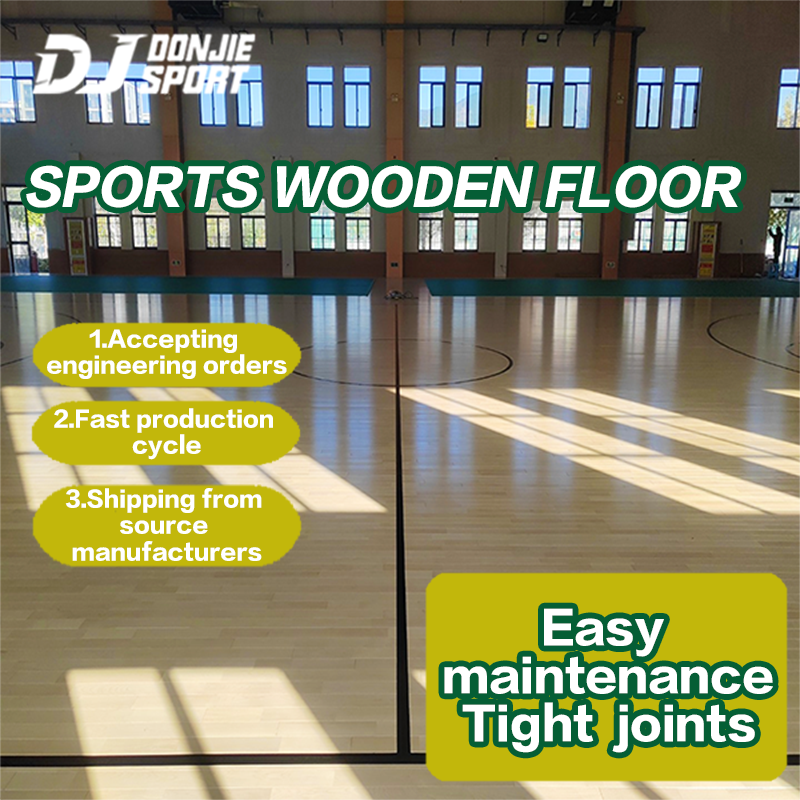
Wooden Dance Floors
Wooden floors, often made from hardwoods like maple or oak, are a classic choice for many dance studios, especially for ballet, contemporary, and tap dancing. These floors are known for their aesthetic appeal, providing a natural, elegant look that suits a variety of dance styles.-
Pros: Timeless appearance, strong, and durable; offers some level of flexibility for certain movements.
-
Cons: High maintenance (requires refinishing), can be slippery if not maintained properly, may not provide enough cushion for high-impact dances.
-
-
Vinyl Dance Floors
Vinyl is one of the most cost-effective options for dance studios. This type of flooring is popular in multi-discipline studios because it’s affordable, easy to install, and low-maintenance. Vinyl floors are available in various textures and colors, allowing for customization.-
Pros: Budget-friendly, easy to clean, non-slip, suitable for many dance styles.
-
Cons: Less durable than wood or sprung floors, may not provide enough cushioning for intense dance forms like ballet or modern.
-
-
Sprung Floors
Sprung floors combine a wooden or vinyl surface with a layer of shock-absorbing material beneath. These floors are ideal for high-impact activities like ballet, hip-hop, and jazz, as they reduce the risk of injury by absorbing shock and providing energy return to the dancer.-
Pros: Excellent shock absorption, reduces stress on joints, ideal for professional settings.
-
Cons: More expensive and complex to install.
-
-
Marley Flooring
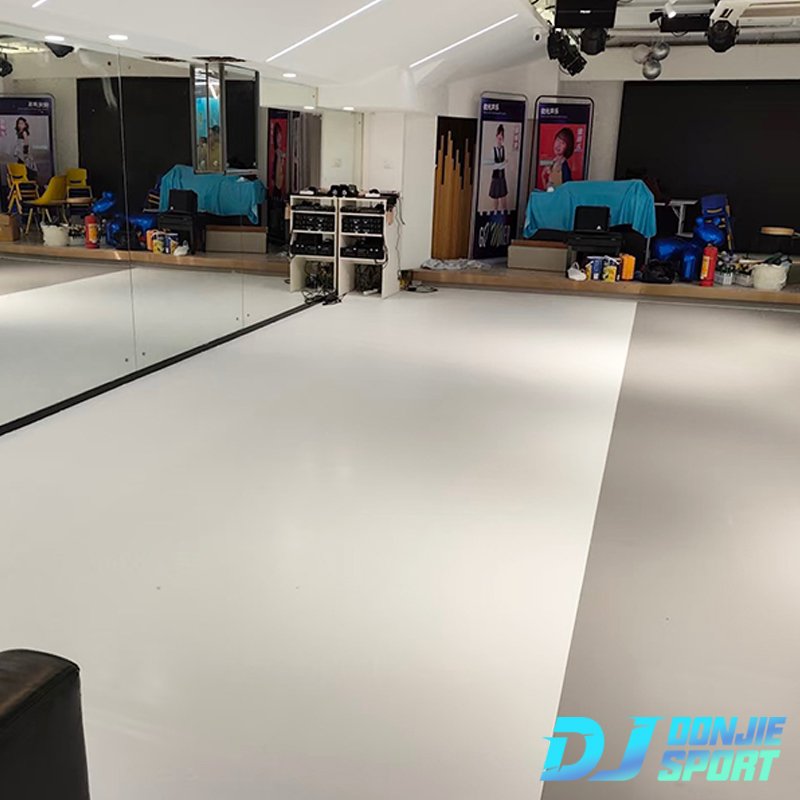
Marley flooring is a popular choice in professional dance studios, particularly in ballet and modern dance environments. It is a smooth, non-slip vinyl floor that’s laid on top of another surface. It offers a consistent, smooth surface that provides just the right amount of resistance for various techniques.
-
Pros: Non-slip, smooth surface for advanced techniques, highly durable.
-
Cons: Requires a smooth subfloor; can be costly.
-
Factors to Consider When Choosing Flooring for Dance Studios
When selecting flooring, it’s important to consider a variety of factors to ensure you choose the best material for your studio. Here are the key aspects to keep in mind:
-
Dance Style: Each style of dance has unique requirements. Ballet, for example, needs a floor that provides both cushion and grip, while hip-hop dancers might prioritize a more rigid surface for swift movements. Think about the predominant style(s) of dance your studio offers and select the flooring material that best suits these needs.
-
Studio Usage: If your studio is in constant use, you’ll need a durable floor that can withstand heavy foot traffic and maintain its quality over time. Similarly, consider whether the floor will be exposed to high levels of moisture (e.g., from sweat or spills), which could affect certain materials.
-
Budget: High-quality flooring can be expensive, but it’s an investment that pays off in the long run. When working within a budget, consider options like vinyl or Marley flooring, which provide excellent quality at a more affordable price point.
-
Maintenance: Some floors, like wooden dance floors, require frequent maintenance to preserve their appearance and functionality. On the other hand, vinyl and Marley floors are relatively low-maintenance and can be cleaned with ease. Consider the time and cost you’re willing to dedicate to upkeep.
-
Installation: Flooring installation can vary significantly depending on the material. Some floors (like Marley or vinyl) are easier and quicker to install, while sprung floors or hardwood floors may require more professional labor.
Benefits of High-Quality Dance Flooring
Investing in top-tier flooring comes with several benefits that go beyond simply having a smooth, functional surface. Here’s how the right flooring can positively affect your studio:
-
Safety: High-quality floors help prevent injuries by providing the right amount of shock absorption. They help reduce stress on dancers’ joints, prevent slipping, and minimize the impact of falls.
-
Comfort: Dancers spend hours on the floor, so comfort is a top priority. High-quality flooring options like sprung floors or cushioned vinyl ensure that dancers feel supported throughout long practice sessions, reducing strain and fatigue.
-
Performance Enhancement: The right type of floor enables optimal movement. With the proper level of grip and slide, dancers can execute difficult moves with precision. Flooring that allows for proper technique will help dancers improve their skills.
-
Aesthetic Appeal: The flooring in your dance studio also contributes to the overall ambiance. Whether it’s the natural look of wood or the sleek, modern feel of vinyl, flooring enhances the studio’s visual appeal and creates a welcoming environment for dancers.
How to Maintain Dance Flooring for Longevity
To ensure your dance floor lasts for years, regular maintenance is essential. Here are a few tips for keeping your flooring in top shape:
-
Regular Cleaning: Sweep or vacuum the floor after every class to remove dirt, dust, and debris that can cause damage. Clean with mild cleaners suited to your flooring material to avoid wear.
-
Protective Measures: Use floor protectors and mats to prevent damage from heavy equipment or furniture. For high-traffic areas, consider using mats to protect the surface.
-
Professional Maintenance: For wooden floors, regular refinishing may be required. For vinyl and Marley floors, periodic inspections for wear and tear will help catch issues early.
Conclusion
In conclusion, choosing high-quality flooring for your dance studio is one of the most impactful decisions you can make. Not only does it enhance the safety, comfort, and performance of your dancers, but it also reflects your commitment to providing the best possible environment for their development. With various options like wood, vinyl, sprung, and Marley flooring, each with its own set of advantages, you can find the perfect material that suits both your budget and studio needs.