Choosing the right dance floor is more than just a matter of aesthetics; it’s crucial for performance, safety, and long-term durability. Whether you’re running a ballet studio or a mixed-use dance space, the flooring you choose will directly affect the comfort and success of your dancers. In this article, we’ll dive into the best flooring options for various dance styles, from ballet to jazz, and explore the key factors that make a floor perfect for dance.
Key Factors in Choosing Dance Floors
When selecting the best dance floor, several factors must be considered to ensure it meets both the practical and aesthetic needs of a dance studio.
Durability
Dance floors experience high levels of stress, especially in busy studios. The flooring must withstand heavy foot traffic and intense movements without losing its shape or integrity. Long-lasting materials like hardwood and specialized dance vinyl are ideal choices for their ability to endure years of use.
Comfort and Safety
A comfortable floor is essential for dancers to perform at their best. A floor that is too hard can cause injury over time, while one that is too soft may lack the necessary support for quick movements. The right balance between cushioning and firmness can help prevent strain and injury.
Sound Quality
The right floor can enhance the acoustics in a studio, making music and movement more synchronized. Hardwood floors, for instance, provide a rich sound, while vinyl floors can offer a softer tone, depending on the type of performance being staged.
Aesthetic Appeal
A dance studio’s floor contributes to the overall aesthetic of the space. From natural wood finishes to sleek, modern vinyl designs, the floor should complement the atmosphere and branding of the studio while also being functional.
Ballet Dance Floors: What Makes Them Unique?
Ballet demands a unique combination of grace, precision, and control, all of which are impacted by the type of flooring used. The best ballet floors need to provide a stable, supportive surface that allows for both smooth movements and stability during turns, jumps, and other intricate techniques.
Ideal Features for Ballet Studios
For ballet, a floor must have a certain level of spring or shock absorption. This is crucial for reducing the impact on joints, especially in jumps and landings. A surface that is too hard can cause long-term injuries, while a floor that is too soft can throw off balance and technique.
Flooring Materials for Ballet: Wood vs. Marley
The two most popular flooring options for ballet are traditional hardwood and Marley vinyl floors. Hardwood is ideal for creating a natural, elegant look that is often preferred in professional ballet environments. It provides a firm yet slightly springy surface, allowing dancers to maintain proper alignment and control. On the other hand, Marley floors are more commonly used in modern ballet studios because of their slip-resistant, smooth surface, which works well for pirouettes and fouetté turns.
The Role of Cushioning in Ballet Flooring
Cushioning is essential for ballet flooring. Dancers performing barre exercises or floor work need a floor that absorbs some shock while still providing enough support to avoid injury. Many Marley floors have built-in cushioning layers, providing a balance between comfort and responsiveness.
Jazz Dance Floors: What to Look for in Flooring Options
Jazz dance is energetic and fast-paced, requiring flooring that can handle quick footwork, sharp turns, and high-impact jumps. The flooring for jazz dance should be durable, flexible, and able to support a wide range of movements.
The Best Surfaces for Jazz Dance Movements
For jazz, the floor should provide enough slip resistance to prevent accidents while still allowing for smooth gliding during turns and slides. A good jazz dance floor allows dancers to move freely while also supporting quick pivots and jumps.
How Flooring Affects Quick Turns and Jumps
The right floor can make or break a jazz dancer’s performance. Too much friction can slow down spins, while too little can make it hard to maintain balance. Floors like vinyl or wood with a smooth, glossy finish are ideal for jazz, as they provide the perfect balance of slip resistance and speed.
Choosing Between Vinyl and Wood Flooring for Jazz
Both vinyl and wood floors can work for jazz, but each has its benefits. Vinyl floors are popular for their durability, low maintenance, and comfort. They are often used in studios where multiple dance styles are practiced. Wood floors, on the other hand, provide a more natural, resonant sound that some dancers and choreographers prefer for performance spaces.
Versatility for Mixed Dance Styles
Many dance studios cater to more than one style, and choosing the right flooring for versatility is key. A floor that can seamlessly transition between ballet, jazz, hip hop, contemporary, and other dance forms offers practicality and cost-effectiveness for studio owners.
Multi-Use Studios: Flooring That Adapts to Different Dance Forms
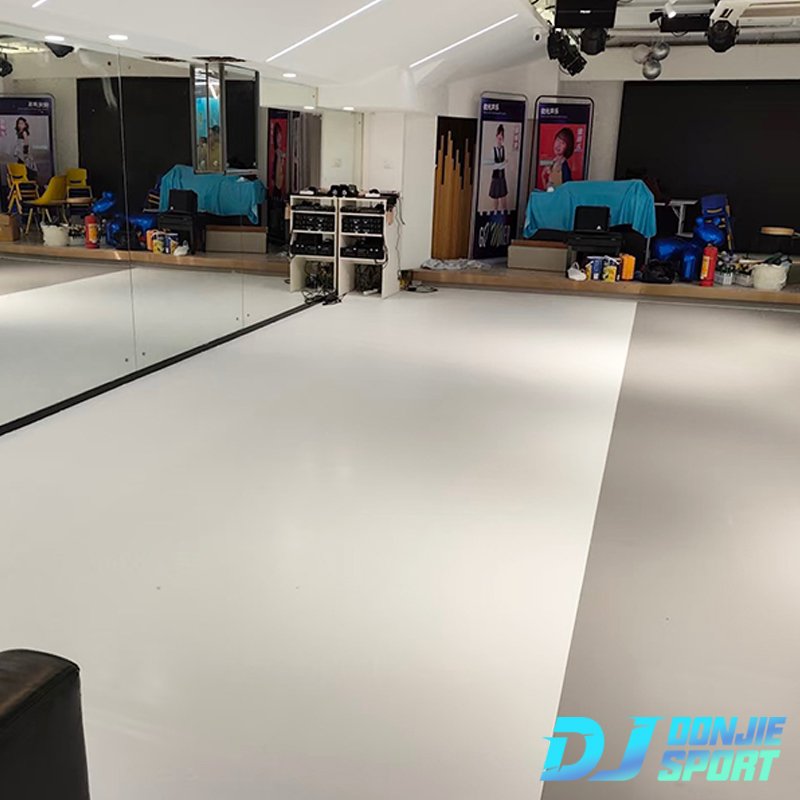
In a multi-use studio, flooring needs to support various dance styles without compromising performance quality. A surface that is too hard for ballet may be too soft for jazz. In such cases, specialized multi-purpose dance floors are the solution. These floors often combine the cushioning and durability of vinyl with the slip-resistance of Marley, offering an optimal solution for diverse dance needs.
Benefits of Modular and Portable Dance Floors
For studios that host a wide variety of classes or performances, modular and portable floors provide flexibility. These floors are easy to install and remove, making them ideal for temporary setups, such as dance performances or guest instructors. They are also great for those who may need to adjust their flooring based on different types of events or performances.
Hybrid Flooring: Combining Features of Ballet and Jazz
Hybrid flooring options are designed to combine the best features of both ballet and jazz floors. For example, a floor that uses both vinyl and wood components can offer the cushioning needed for ballet along with the slip resistance required for jazz. These versatile floors allow dancers of all styles to practice safely and effectively.

Floor Maintenance: Keeping Your Dance Floors in Top Condition
Maintaining dance floors is essential to ensure longevity, safety, and performance quality. Proper care will keep floors in excellent condition, prevent accidents, and maintain their aesthetic appeal.
Daily Cleaning and Long-Term Care Tips
Regular cleaning is necessary to maintain the quality of dance floors. Sweeping or vacuuming the floor daily removes dirt and debris that can cause scratches. It’s important to use non-abrasive cleaning solutions designed specifically for dance floors. For deeper cleaning, studios should follow the manufacturer’s instructions to prevent damage to the surface.
Managing Wear and Tear
In high-traffic studios, floors may show signs of wear over time. Minor repairs, such as fixing chips or replacing damaged tiles, can extend the life of the flooring. Studios should invest in protective mats and encourage dancers to wear proper footwear to reduce unnecessary damage.
Choosing Low-Maintenance Options for High-Traffic Studios
For busy studios, low-maintenance flooring options, like vinyl, are ideal. These floors are easy to clean, durable, and resistant to dirt and scuff marks. Additionally, they often come with built-in cushioning, which helps prevent wear while maintaining comfort.
Conclusion
The right dance floor is more than just a surface; it plays a vital role in enhancing a dancer’s performance, preventing injury, and ensuring the longevity of a studio. Whether you’re looking for the best flooring for ballet, jazz, or a mix of dance styles, understanding the unique needs of each style and the benefits of various flooring options is crucial. Investing in the right flooring is not just a practical choice—it’s an investment in the health, safety, and performance of your dancers.