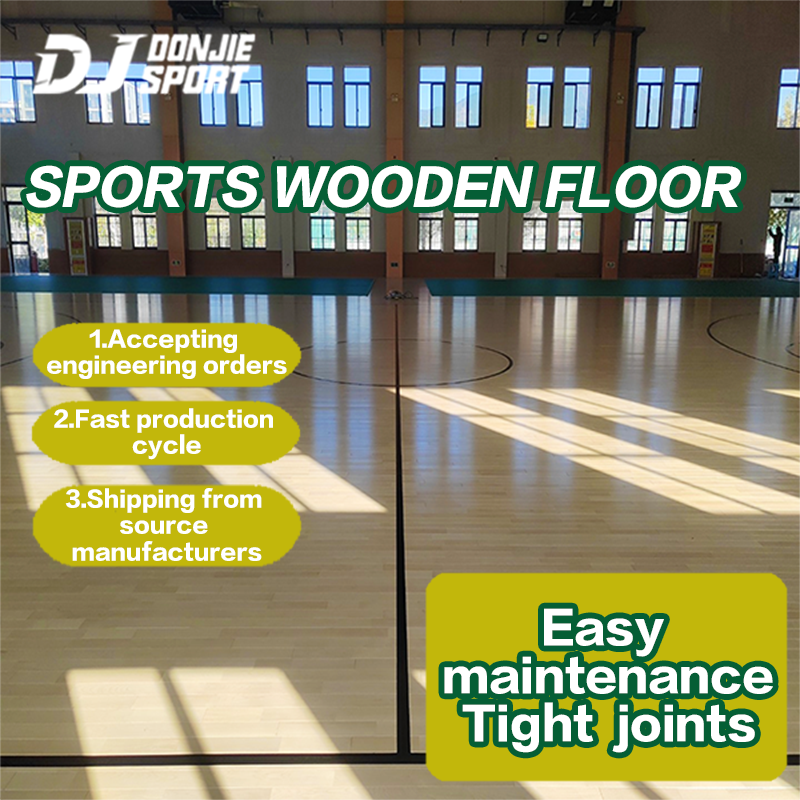
When it comes to designing a basketball court that maximizes performance, safety, and longevity, hardwood basketball court flooring stands out as the top choice for serious athletes. Unlike synthetic options like rubber or vinyl, hardwood provides a premium surface that enhances athletic performance while maintaining the integrity of the game. Whether you’re a professional athlete or a basketball enthusiast looking to set up a high-quality home gym, investing in hardwood flooring can make all the difference. In this article, we’ll explore why hardwood basketball court flooring is the best investment for athletes who take their game seriously.
The right flooring doesn’t just impact how the game is played; it plays a crucial role in player safety and the longevity of the court itself. Athletes often spend hours practicing and playing on their courts, and the material they play on affects everything from foot traction to joint health. Additionally, hardwood floors offer aesthetic appeal, making them the preferred choice for both indoor courts and professional basketball venues.
With so many options available, it’s essential to understand why hardwood should be the flooring of choice for anyone serious about their game. From unparalleled durability to long-term value, let’s dive into the numerous benefits of hardwood basketball court flooring and why it’s worth every penny for athletes aiming for peak performance.
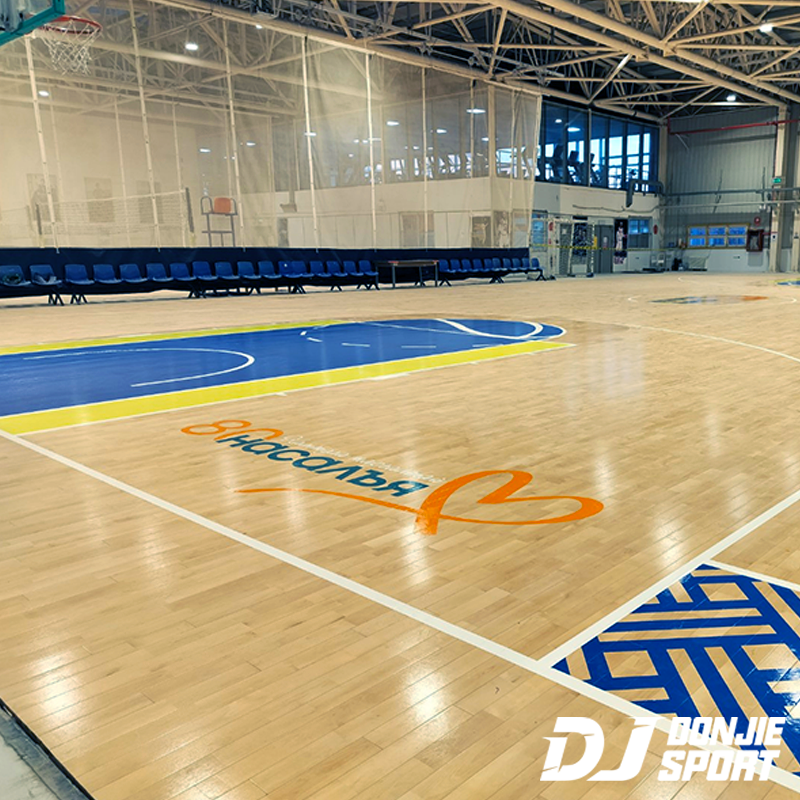
Benefits of Hardwood Basketball Court Flooring
Durability and Longevity
One of the primary reasons athletes and gym owners choose hardwood basketball court flooring is its remarkable durability. Hardwood floors are built to withstand the rigorous demands of constant play, including heavy foot traffic, high-impact movements, and sharp turns. Over time, hardwood surfaces maintain their structural integrity, offering a long lifespan compared to many synthetic options that wear down quickly with heavy use.
A high-quality hardwood court can last for decades with proper maintenance, making it an excellent long-term investment. While the initial cost may be higher than alternatives like vinyl or rubber, the durability of hardwood ensures that you won’t need to replace the surface frequently, saving you money in the long run.
Enhanced Performance
The performance benefits of hardwood basketball court flooring are undeniable. The surface provides an optimal balance of grip and slip-resistance, allowing players to make quick cuts and sudden stops without compromising safety. Hardwood offers the ideal level of traction, which is critical for basketball players who rely on fast footwork and explosive movements.
Additionally, hardwood floors have a natural “bounce” that enhances ball response. This responsiveness can significantly improve the quality of play, as players experience better ball control during dribbling, passing, and shooting. This is particularly crucial in competitive settings, where every movement counts.
Aesthetic Appeal
A well-maintained hardwood basketball court exudes professionalism and sophistication. The sleek, polished surface not only improves gameplay but also adds aesthetic value to the space. Whether in a gym, a high school, or a professional basketball arena, hardwood flooring elevates the overall ambiance and makes the court more inviting.
In addition to its visual appeal, hardwood’s warm, natural tones create a timeless, classic look that suits any gym setting. It can easily be customized with logos, team colors, or design elements to reflect personal or brand identity. This makes it an attractive option for those looking to create a professional-level court that also serves as a statement piece.
Why Hardwood is Superior to Other Flooring Options
Comparison with Rubber, Vinyl, and Other Surfaces
While hardwood basketball court flooring may come with a higher upfront cost, it is by far superior to alternatives such as rubber or vinyl in terms of performance and longevity. Rubber floors, though soft and cushioned, can become slippery over time, especially under the stress of continuous use. Vinyl, while affordable, lacks the natural feel and rebound characteristics that hardwood offers, leading to suboptimal playing conditions.
Hardwood is the most versatile flooring type for basketball, providing a consistent and professional-grade experience. Unlike synthetic floors, which may develop dents or permanent damage after heavy use, hardwood can be resurfaced or refinished to restore its original quality. This makes hardwood an investment that maintains its value over the years.
Cost-Effectiveness in the Long Run
Though hardwood flooring can have a higher initial cost compared to synthetic options, it proves to be more cost-effective in the long run. The durability of hardwood means fewer replacements and repairs are needed, reducing the overall cost of ownership over time. Furthermore, the performance benefits—such as reduced injuries and enhanced player experience—can contribute to the success and reputation of any basketball facility.
While synthetic floors might be cheaper to install initially, they tend to degrade faster, resulting in higher long-term maintenance costs. In contrast, a well-maintained hardwood floor can last for decades, making it a smart investment for serious athletes and basketball institutions.
Maintenance of Hardwood Basketball Court Flooring
Regular Care
Maintaining hardwood basketball court flooring is essential for ensuring its longevity and performance. Regular cleaning and dusting are necessary to keep the surface free from dirt, debris, and moisture that could cause wear and tear. Sweeping the floor regularly and using specialized wood-cleaning products will help preserve the finish and keep it looking new.
Additionally, protective mats or rugs should be placed in high-traffic areas to minimize dirt accumulation. Ensuring that the court is kept dry and clean helps prevent slipping hazards and reduces the chances of long-term damage.
Refinishing and Resurfacing
Over time, hardwood floors may begin to show signs of wear, particularly in high-use areas. This is where refinishing and resurfacing come into play. These processes involve sanding down the top layer of the wood and applying a fresh coat of finish, which restores the court’s smooth surface and protects it from further damage.
Refinishing a hardwood basketball court is a relatively simple and cost-effective way to extend the lifespan of the flooring, ensuring that it remains safe and functional for years to come. It’s generally recommended to refinish the court every 5-7 years, depending on the amount of use it gets.
Ideal for High-Impact Sports
Why Hardwood Floors Are Perfect for the Demands of Basketball
Hardwood basketball court flooring is designed to handle the high-impact nature of basketball. The shock absorption qualities of hardwood help reduce the risk of injuries, such as sprains and strains, by providing a slightly cushioned surface. This is crucial for athletes who perform intense physical movements on the court, as it minimizes stress on their joints and ligaments.
Unlike harder surfaces like concrete, which can increase the likelihood of impact-related injuries, hardwood flooring offers a forgiving yet responsive surface that supports quick lateral movements, jumps, and sudden stops.
Impact on Players’ Health and Safety Compared to Other Materials
Studies have shown that hardwood floors contribute to better overall player health by reducing the strain on athletes’ knees, ankles, and back. This is especially beneficial for professional athletes who engage in frequent high-intensity training and competitions. The cushioning effect of hardwood also makes it more comfortable for athletes to play for extended periods without feeling fatigued or experiencing discomfort.
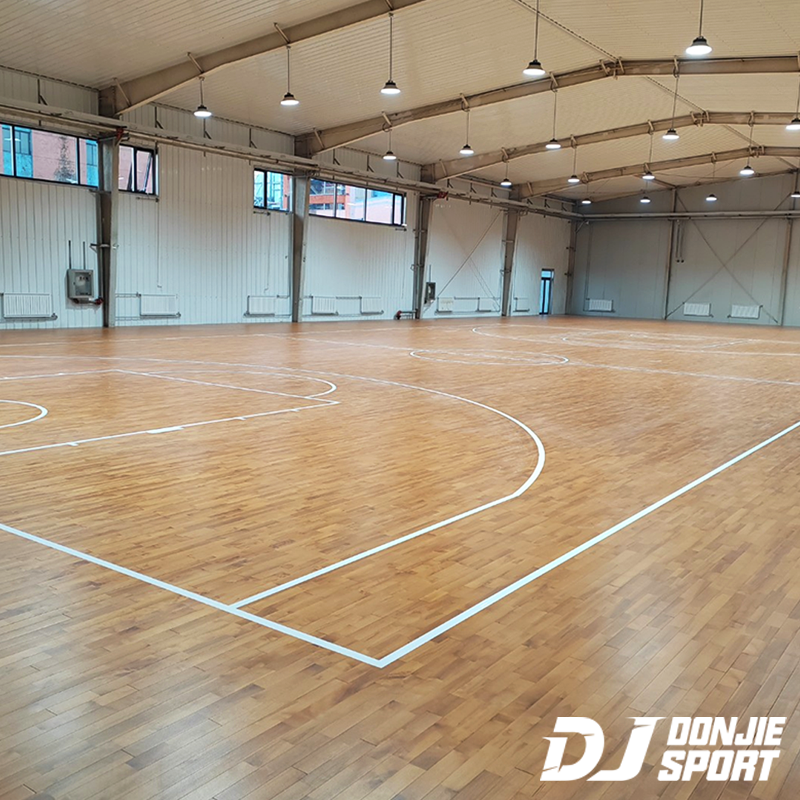
Choosing the Right Hardwood Flooring for Your Court
Types of Hardwood Materials Best Suited for Basketball Courts
There are several types of hardwood that are commonly used for basketball courts, each with its own characteristics. Maple is the most popular choice due to its durability, shock-absorbent qualities, and ability to withstand heavy use. It is the wood of choice for professional NBA courts because of its dense, strong grain and ability to maintain a smooth finish over time.
Oak and hickory are also popular hardwood choices, though they tend to be less common in basketball court applications due to their heavier weight and increased difficulty in installation.
Factors to Consider Before Making a Decision
When choosing hardwood basketball court flooring, several factors should be considered, including:
-
Budget: Hardwood is an investment, so it’s important to ensure it aligns with your financial goals.
-
Court Size: The size of your court may impact your choice, as larger courts may require more hardwood or additional considerations for proper installation.
-
Usage Frequency: If the court will be used heavily by athletes, it’s important to choose a high-quality, durable hardwood to withstand frequent use.
Installing Hardwood Basketball Court Flooring
DIY vs. Professional Installation
While some may opt to install their hardwood basketball court flooring themselves, professional installation is highly recommended for optimal results. Professional installers have the expertise to ensure the wood is properly laid, sealed, and finished, reducing the chances of errors or subpar results.
Tips for a Smooth Installation Process
-
Prepare the subfloor: Ensure the base is level, clean, and dry before installation.
-
Choose the right wood: Select a high-quality hardwood like maple for the best performance.
-
Seal the edges: Proper sealing is essential to prevent moisture damage and ensure longevity.
Conclusion
In conclusion, hardwood basketball court flooring is without a doubt the best investment for serious athletes who want to maximize their performance and ensure a safe, long-lasting playing surface. From its durability and aesthetic appeal to its impact on player safety and game quality, hardwood provides a level of performance and value that synthetic materials simply can’t match. While the initial investment may be higher, the long-term benefits make hardwood a smart choice for any basketball court.
Whether you’re installing a new court for your home gym, upgrading your existing facility, or outfitting a professional venue, hardwood flooring offers unparalleled advantages in both functionality and appearance. By choosing hardwood, athletes can enjoy a high-performance court that supports their training, enhances their skills, and lasts for decades.