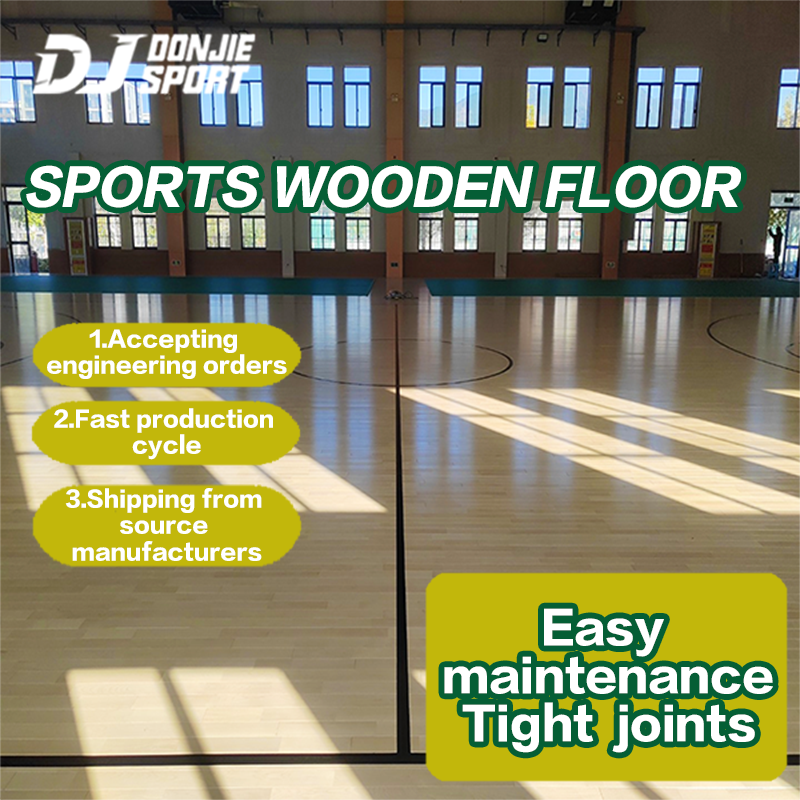
In schools across the globe, basketball courts serve as the central hub for athletic activities and student events. When it comes to selecting the right flooring for these courts, the choice of material can make a world of difference. Hardwood basketball flooring stands out as the ideal option for schools seeking the perfect balance between durability, performance, and style. This guide explores the numerous benefits of choosing hardwood for school basketball courts, from its longevity and aesthetic appeal to its role in enhancing player safety and comfort.
Why Schools Choose Hardwood Basketball Flooring
Hardwood basketball flooring is the go-to choice for schools, thanks to its unmatched combination of performance and style. One of the primary reasons schools select hardwood is its incredible durability. Basketball courts are subjected to constant foot traffic, high-impact sports activity, and occasional heavy equipment. Hardwood floors, especially those made from maple, are incredibly tough and can withstand these demands year after year, maintaining their integrity under pressure.
Beyond durability, hardwood flooring adds a touch of elegance to any gymnasium. The warm tones and natural grain patterns create an inviting, professional atmosphere that enhances the overall aesthetic appeal of the school. Whether it’s a high school gym or a university sports complex, hardwood floors contribute to the prestige and visual appeal of the facility.
Lastly, safety is paramount when selecting flooring for basketball courts, and hardwood excels in this area as well. The surface provides excellent grip, which reduces the risk of slips and falls, ensuring a safer playing environment for athletes of all skill levels.
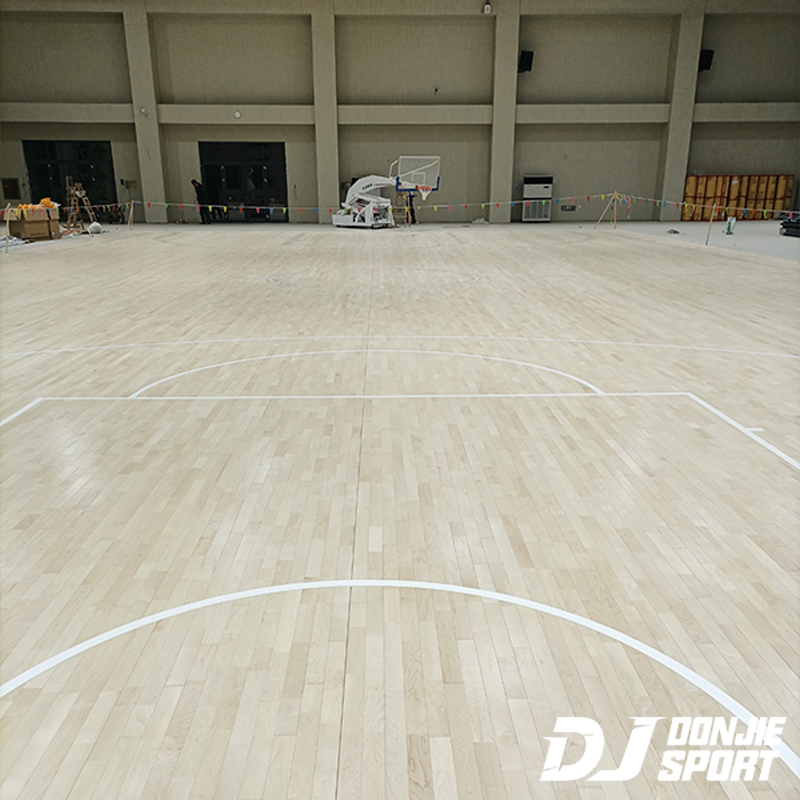
The Benefits of Hardwood Basketball Flooring for Schools
There are numerous benefits to installing hardwood basketball flooring in school gyms. Let’s explore why it’s such a valuable investment for educational institutions.
Longevity
Hardwood floors are designed to stand the test of time. Unlike other flooring materials, which may degrade over time or require frequent replacement, hardwood floors can last for decades with proper care. This makes hardwood a wise choice for schools, as it offers long-term value and durability.
Easy Maintenance
Maintaining hardwood basketball floors is straightforward, which is another reason why many schools opt for this material. Regular sweeping and periodic mopping help keep the floor clean, and periodic refinishing can restore its shine and smoothness. Compared to other flooring options that may require costly repairs or complete replacement, hardwood floors are easy to care for and maintain.
Environmental Benefits
Sustainability is increasingly important in today’s world, and hardwood floors are an environmentally friendly option. When sourced responsibly, hardwood flooring can be a renewable material, making it a sustainable choice for schools looking to reduce their environmental impact. Additionally, many hardwood manufacturers follow strict sustainability practices to ensure that the wood is harvested ethically.
Performance
From a performance standpoint, hardwood flooring offers a superior playing experience. The surface provides optimal traction, helping players move with ease while preventing unnecessary injuries. It also provides the perfect amount of shock absorption, which reduces the strain on joints and promotes better overall player comfort.
Hardwood Basketball Flooring Installation for Schools
Installing hardwood basketball flooring in a school gymnasium is a complex process that requires expert knowledge and precision. While some schools may attempt to handle installation in-house, it’s highly recommended to hire a professional flooring company to ensure the job is done right.
Professional Installation
Professional installers bring a wealth of experience to the table. They know how to properly assess the existing space, measure it, and account for factors such as humidity, temperature, and subfloor conditions, which can impact the floor’s longevity and performance. Their expertise ensures that the hardwood is installed according to industry standards, leading to a smooth, durable surface that will withstand the test of time.
Step-by-Step Process
The installation process begins with preparing the subfloor. It must be level, clean, and dry before the hardwood can be laid. Once this is done, the hardwood planks are carefully installed using either glue, nails, or staples, depending on the preferred method. After the boards are in place, they are sanded, refinished, and sealed to create a smooth, glossy finish.
Cost Considerations
Although hardwood flooring installation can be a more expensive upfront investment compared to other flooring options, the long-term savings are significant. Hardwood floors require minimal repairs and maintenance over their lifetime, which can save schools money over time. Additionally, they add value to the school’s athletic facility, which may be an important consideration when it comes to future fundraising or marketing efforts.
Trends in Hardwood Basketball Flooring Design
As schools continue to seek ways to personalize their sports facilities, hardwood basketball flooring designs have evolved beyond just functionality. Today, schools have more design options than ever before to make their courts stand out.
Customization
One of the biggest trends in hardwood basketball flooring is customization. Many schools now choose to incorporate their logos, team colors, or even specific patterns into the floor design. This personalized touch not only enhances the appearance of the court but also creates a sense of pride and ownership for students, athletes, and staff.
Innovations in Design and Technology
Technological advances in hardwood flooring materials have led to more durable and efficient designs. For instance, new finishes are now more resistant to scratches, scuffs, and moisture, making them more practical for high-traffic areas. Some manufacturers also offer hybrid flooring options that combine hardwood with synthetic materials for added durability and enhanced performance.

How to Maintain Hardwood Basketball Flooring in Schools
Maintaining hardwood basketball flooring in a school environment requires regular upkeep to ensure its longevity and performance. Here’s a breakdown of how to care for your hardwood basketball floor.
Regular Maintenance
Daily and weekly cleaning routines are essential to keep hardwood basketball floors in top condition. Sweeping with a soft-bristle broom or using a dust mop is the best way to remove dirt, dust, and debris without damaging the surface. For cleaning, a mild cleaning solution designed for hardwood floors can be used to remove any sticky residue or dirt buildup.
Deep Cleaning and Refinishing
Periodically, schools should conduct a deep cleaning of their hardwood floors. This involves stripping the old finish, sanding down the surface, and applying a fresh coat of finish to restore the floor’s luster. Typically, refinishing is done every 3-5 years, depending on the usage and wear and tear. The process can help eliminate surface imperfections, such as scratches and stains, while prolonging the life of the floor.
Protecting Against Wear and Tear
To protect hardwood basketball floors from excessive wear, consider using floor mats or rug runners in high-traffic areas outside the court. This will help prevent dirt and grime from being tracked onto the playing surface. Additionally, schools can use chair mats or protective covers in areas that see heavy foot traffic from non-athletic activities.
Choosing the Right Hardwood for Basketball Courts
Not all hardwoods are created equal. When selecting hardwood flooring for a school basketball court, there are a few key factors to consider.
Types of Hardwood Used in Basketball Courts
Maple is the most commonly used hardwood for basketball courts due to its hardness, durability, and availability. It provides a smooth, consistent surface and excellent shock absorption, making it ideal for high-impact sports. Other hardwoods, like oak and cherry, may be used in some cases, but they are typically not as durable as maple.
Factors to Consider
When choosing the right hardwood, schools should consider factors such as the floor’s moisture resistance, hardness, and cost. Hardwoods with a higher Janka hardness rating, such as maple, are best suited for the heavy wear and tear associated with basketball games and practices. Additionally, the moisture content of the wood must be balanced, as excessive moisture can cause warping or cracking over time.
Case Studies: Schools That Have Benefited from Hardwood Basketball Flooring
Many schools have made the switch to hardwood basketball flooring and have seen tangible benefits. Take, for example, [School Name], which upgraded its gymnasium floor to hardwood three years ago. Not only did the court receive positive feedback from athletes for its improved performance, but the school also noticed a reduction in maintenance costs and an increase in the overall appeal of their athletic facility.
Another success story comes from [School District Name], where multiple schools upgraded to hardwood basketball floors. The investment not only improved player safety and performance but also contributed to a more professional image for their athletic programs, helping to attract more local sponsorships and community involvement.
Conclusion
In conclusion, hardwood basketball flooring offers the perfect combination of durability, performance, and style for schools. From its long-lasting durability to its ease of maintenance, hardwood flooring enhances the safety and performance of athletes while adding aesthetic value to school gyms. Choosing the right hardwood, working with professionals for installation, and maintaining the floor properly can ensure that it serves students and athletes for years to come. If you’re looking to upgrade your school’s basketball court, hardwood flooring is the smart and stylish choice.