When it comes to building or upgrading sports facilities, the flooring choice plays a pivotal role in ensuring not only the aesthetic appeal but also the safety, performance, and longevity of the court. Among the various options available, hardwood sports flooring stands out as the preferred material for many elite athletes, coaches, and facility managers. Its timeless appeal and unmatched performance capabilities make it the secret ingredient for high-performance courts that last.
Hardwood sports flooring has been the foundation of countless professional and recreational venues worldwide. It’s a material trusted by the best because it offers a unique combination of durability, safety, and performance enhancements that no other flooring material can match. In this blog post, we’ll explore why hardwood sports flooring is the best choice for creating courts that perform at the highest levels, both now and in the years to come.
As we move forward, we’ll break down the science behind hardwood’s ability to enhance performance, its long-term cost benefits, and how it supports players in their quest for excellence. Let’s uncover the secrets behind this flooring material that has stood the test of time.
Why Hardwood? Understanding the Material’s Unique Benefits
Hardwood sports flooring is celebrated for its natural resilience and superior performance qualities. Unlike synthetic options, hardwood brings a unique blend of strength and beauty that few other materials can match. Here are some key benefits that make hardwood the flooring of choice for high-performance sports courts:
Natural Resilience and Strength
The inherent strength of hardwood makes it an ideal choice for sports environments where flooring faces intense pressure and constant impact. Hardwood is dense and durable, which means it can withstand the high-traffic conditions of busy sports venues without losing its structural integrity. Unlike softer flooring materials, which may dent or show signs of wear over time, hardwood maintains its sleek appearance and functionality.
Durability in High-Traffic, High-Impact Environments
Sports venues see a lot of action, from athletes practicing daily to teams playing at professional levels. Hardwood floors are built to last, handling constant foot traffic, aggressive sports movements, and equipment wear. When properly installed and maintained, hardwood sports floors can last decades, making them an investment that pays off in the long run.
Aesthetic Appeal
The beauty of hardwood is unmatched in the world of sports flooring. Its rich texture and classic finish provide an elegant look that elevates the entire facility. Whether in a high school gym or a professional basketball arena, hardwood floors create an atmosphere that reflects quality and professionalism. This aesthetic appeal enhances the experience for both athletes and spectators, contributing to the overall atmosphere of the venue.
The Science of Hardwood Sports Flooring
While the aesthetic and durable qualities of hardwood are evident, the real secret lies in the science behind its performance. Hardwood sports flooring is designed to not only look great but also support athletes in their physical performance.
Player Safety: Shock Absorption and Joint Protection
One of the primary advantages of hardwood sports flooring is its ability to provide optimal shock absorption. When athletes move, jump, or pivot on the court, hardwood flooring helps reduce the strain on their joints and muscles. This safety feature is particularly important for sports like basketball and volleyball, where players are frequently landing from jumps. Hardwood’s ability to cushion the impact ensures fewer injuries and enhances comfort for athletes during both practice and competition.
Performance Enhancement: Improved Grip and Ball Bounce
The textured surface of hardwood flooring offers the perfect amount of traction for athletes, reducing the risk of slips while promoting quick and fluid movement. Moreover, hardwood provides an ideal surface for ball bounce. Unlike synthetic flooring, which may alter the way the ball reacts, hardwood ensures consistent and predictable bounce, which is crucial for basketball, volleyball, and other ball sports. This consistent performance enhances the overall game experience.
Consistent Quality Over Time
Hardwood flooring is known for its consistent quality. As long as it is properly maintained, hardwood retains its performance qualities for years. While some synthetic materials may degrade or lose their functionality over time, hardwood’s longevity makes it a reliable choice. This consistency is one reason why so many professional venues trust hardwood flooring, knowing it will continue to meet the high standards of the athletes using it.
Key Features of High-Performance Hardwood Sports Flooring
When selecting hardwood sports flooring, several important features contribute to its effectiveness and longevity. Here are the key factors to consider:
Surface Finish Options
Hardwood sports flooring is available in a variety of surface finishes, from matte to glossy. These finishes not only affect the floor’s appearance but also its functionality. A matte finish, for example, provides more grip, which is crucial for sports like basketball and volleyball. On the other hand, a glossy finish can create a more aesthetically pleasing look while still offering the necessary traction for performance.
Board Construction: Solid vs. Engineered Hardwood
Hardwood sports flooring comes in two primary types: solid hardwood and engineered hardwood. Solid hardwood is a single piece of wood, while engineered hardwood is constructed with multiple layers of wood. Both have their advantages, but engineered hardwood tends to be more stable and less prone to warping, making it an ideal choice for environments with fluctuating temperatures and humidity levels.
Maintenance Considerations
Hardwood sports flooring requires regular maintenance to keep it looking and performing at its best. Routine cleaning, refinishing, and inspections are necessary to maintain the floor’s durability and safety. However, when compared to other flooring materials, hardwood requires relatively little maintenance to maintain its top-tier performance, which makes it a convenient choice for busy sports venues.
The Role of Hardwood Flooring in Elite Athletic Performance
Hardwood sports flooring plays a significant role in optimizing athletic performance. Its superior qualities can make a noticeable difference in how athletes train, perform, and recover during and after games.
Impact on Player Movement and Comfort
Athletes spend hours on the court, and the quality of the flooring beneath them directly affects their comfort and performance. Hardwood flooring provides the right balance of firmness and flexibility, offering both support and cushioning. This promotes smoother movements, quicker reactions, and less fatigue, which is crucial for high-level athletes who require peak performance.
Supporting Different Sports
Hardwood floors are versatile and can accommodate a range of sports, from basketball to volleyball to badminton. The consistent bounce and grip that hardwood provides are ideal for fast-paced sports like basketball, where players require precise control over the ball. Whether in an arena or a smaller gymnasium, hardwood flooring enhances the quality of play across various sports disciplines.
Case Studies of Professional Venues
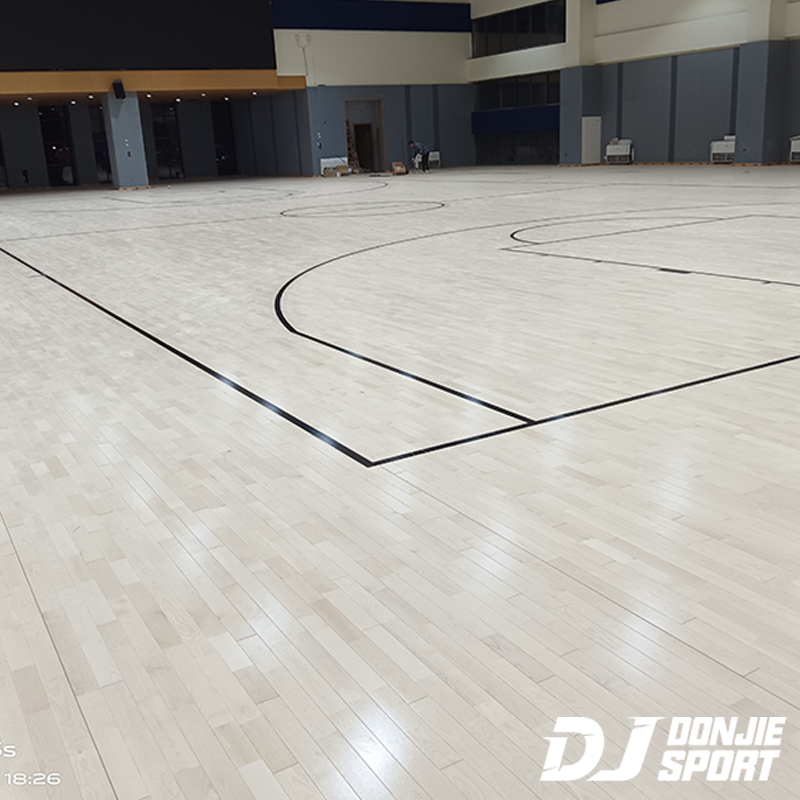
Many professional venues, such as the NBA and NCAA basketball courts, have long trusted hardwood sports flooring to support their athletes. These courts are built to withstand the rigorous demands of professional-level play while also maintaining optimal performance throughout each season. The longevity and reliability of hardwood flooring in these high-pressure environments demonstrate its value in elite sports venues.
How Hardwood Sports Flooring is Installed for Maximum Performance
The installation of hardwood sports flooring is a critical factor in its performance. A poorly installed floor can lead to uneven surfaces, safety hazards, and early deterioration. Professional installation is essential to ensure the flooring lasts and performs as expected.
Importance of Professional Installation
While hardwood is a durable material, the way it is installed can significantly impact its overall lifespan and functionality. A professional installation ensures that the subfloor is properly prepared, and the boards are securely fastened. This prevents gaps, warping, or buckling that may occur with DIY installations.
Subflooring Considerations
Before installing hardwood flooring, the subfloor must be thoroughly prepared. This includes ensuring the surface is level, clean, and dry. The type of subfloor can also affect the longevity of the hardwood flooring, so selecting the right underlayment is crucial for both performance and durability.
Tiling vs. Strip Hardwood Flooring
Hardwood sports flooring comes in different configurations, with tile and strip options being the most common. Tile flooring is easier to replace, while strip flooring offers a more traditional look. Both options have their benefits, and the choice largely depends on the specific needs and preferences of the facility.
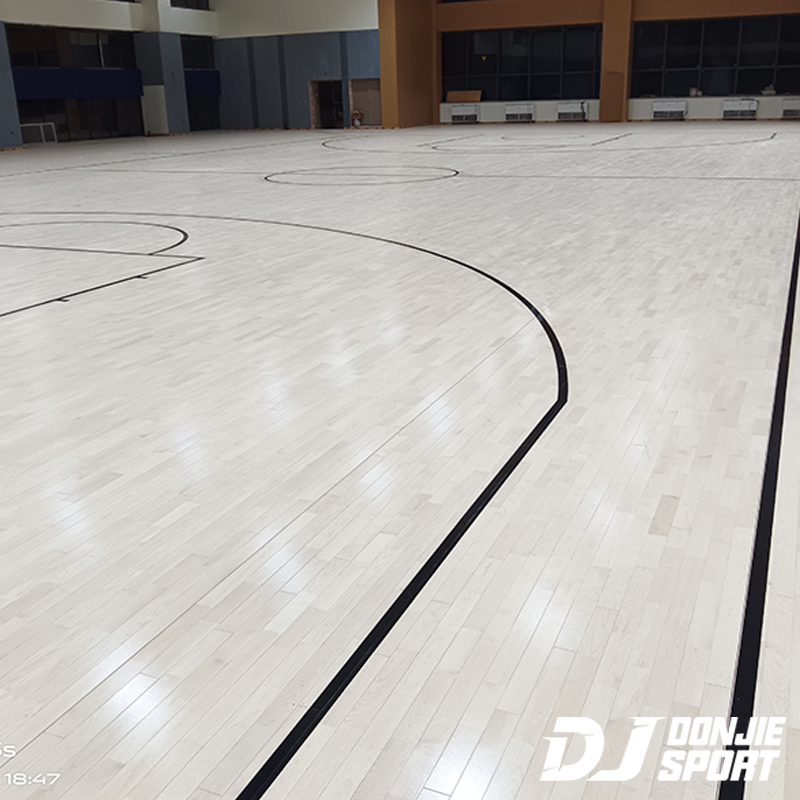
Why Hardwood Sports Flooring is a Long-Term Investment
Investing in hardwood sports flooring is more than just about aesthetics or performance—it’s a smart financial decision that can save money in the long run.
Cost-Effectiveness
Although hardwood sports flooring may have a higher initial cost than other materials, its longevity and low maintenance requirements make it an excellent value over time. Given its durability, hardwood flooring does not need to be replaced as frequently as synthetic options, which means fewer replacement and repair costs.
Sustainability
Hardwood is a renewable resource, making it an environmentally friendly option. When sourced responsibly, it can help reduce a facility’s carbon footprint. Additionally, hardwood flooring is biodegradable, meaning it has a smaller environmental impact when it reaches the end of its lifecycle compared to synthetic alternatives.
Long-Term Value
The ability to withstand the test of time without degrading makes hardwood a valuable investment. The flooring remains functional and visually appealing for decades, ensuring that facilities enjoy the benefits of their investment for years to come.
Elevating Your Facility with Hardwood Sports Flooring
In conclusion, hardwood sports flooring is not just a surface to play on; it is a foundation for success. Its combination of durability, performance-enhancing qualities, and aesthetic appeal make it the go-to choice for sports facilities worldwide. Whether you’re building a gymnasium for local athletes or a professional sports arena, hardwood flooring is the secret to creating a high-performance court that lasts.
By choosing hardwood, you’re investing in a flooring solution that offers unparalleled benefits for both athletes and facility managers. Its longevity, versatility, and ability to support optimal performance make it an investment worth considering for any sports venue.