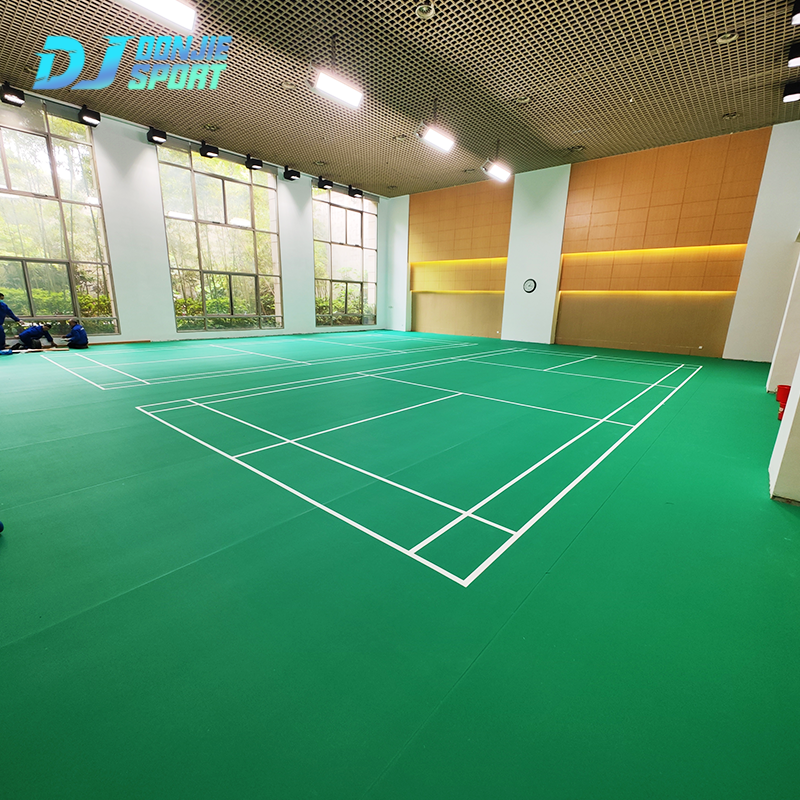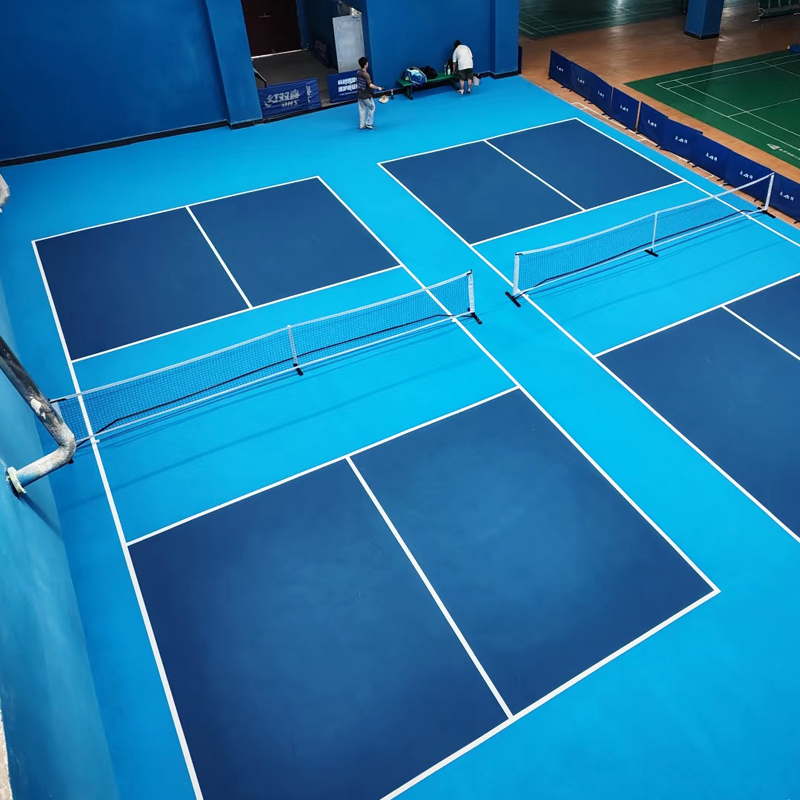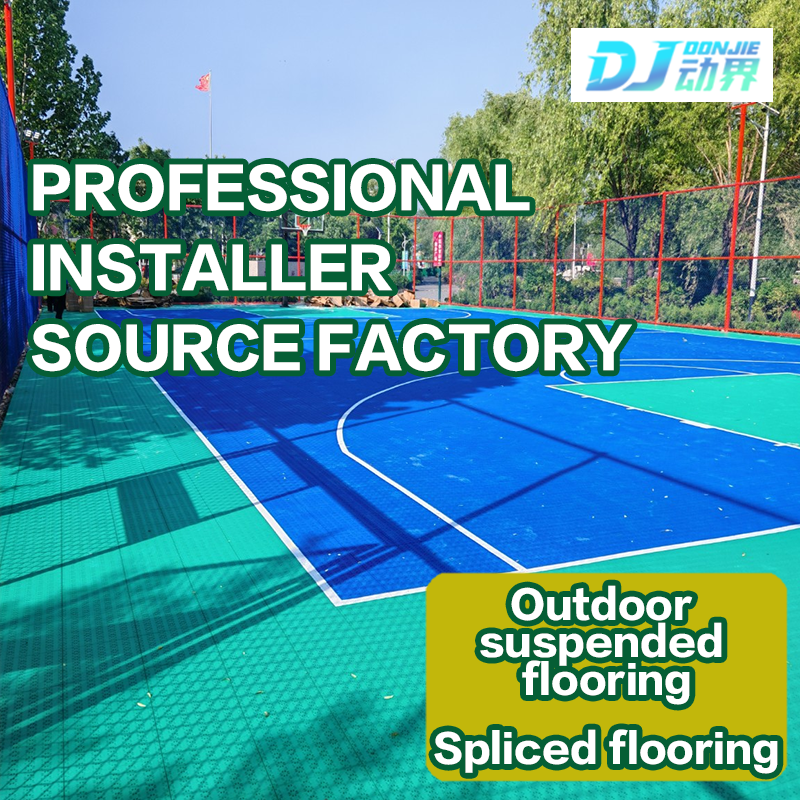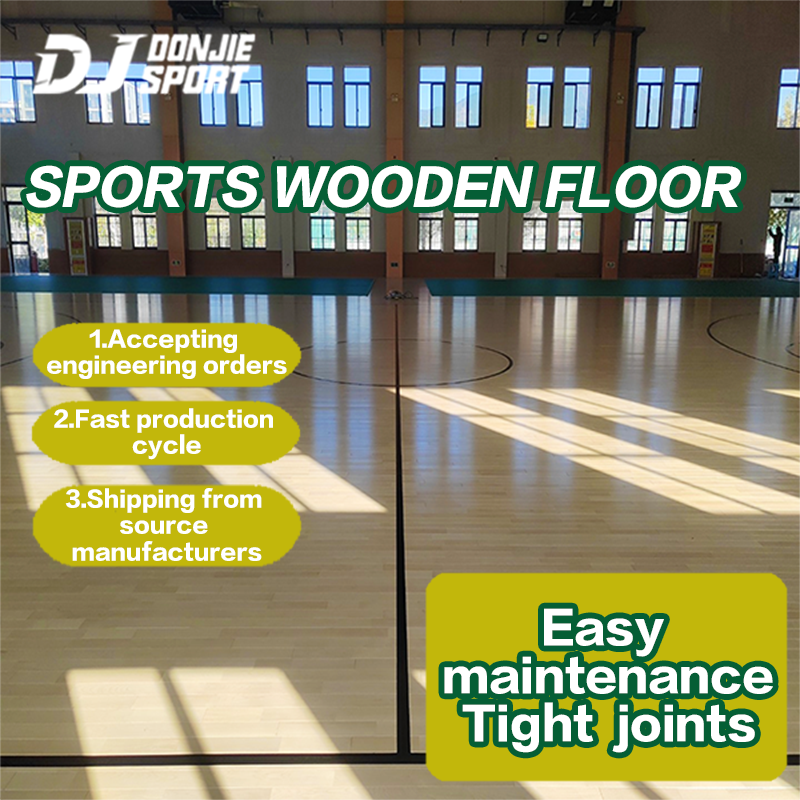
Basketball court design has come a long way from traditional hardwood floors to more modern and innovative solutions. Among these innovations, basketball court tiles have emerged as a game-changer in both the design and functionality of courts. Offering a versatile alternative to the classic hardwood, basketball court tiles are rapidly becoming the preferred choice for schools, recreational centers, gyms, and even professional basketball arenas. This transformation is not just about aesthetics—basketball court tiles offer several advantages that enhance the overall player experience, improve safety, and reduce long-term costs.
As technology and design continue to evolve, the introduction of modular and interlocking basketball court tiles has revolutionized how courts are built, maintained, and enjoyed. In this post, we will explore how basketball court tiles have redefined the landscape of court design, looking at their benefits in terms of customization, durability, safety, environmental impact, and cost-effectiveness.
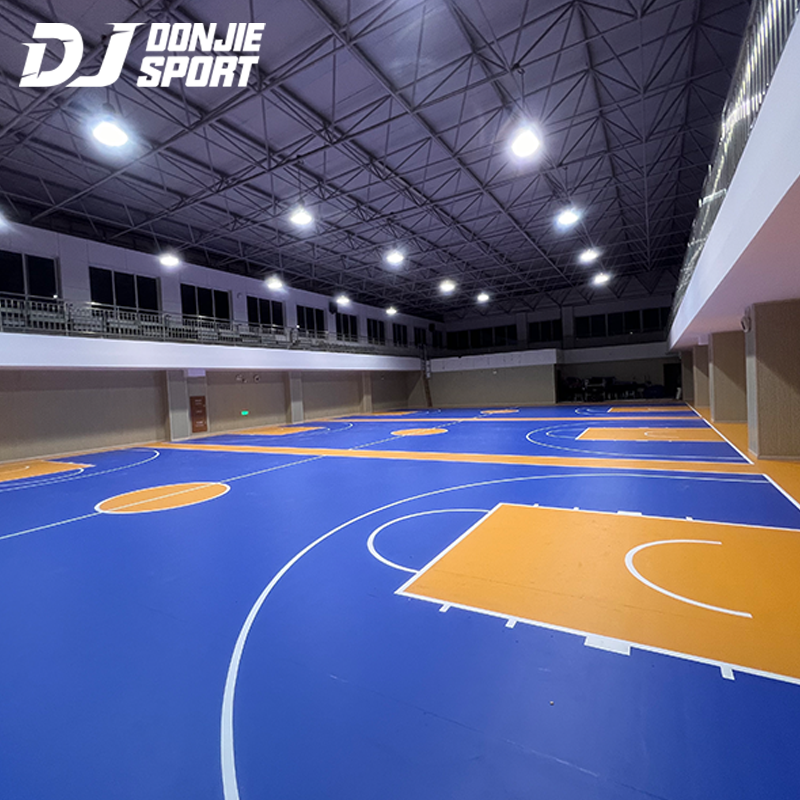
What Are Basketball Court Tiles?
Basketball court tiles are modular, interlocking flooring systems designed specifically for basketball courts. Unlike traditional flooring options, such as hardwood or synthetic rubber, these tiles are made from durable materials like PVC, rubber, or high-density polyethylene. Each tile fits securely together to create a seamless, stable playing surface, offering a practical and flexible solution for both indoor and outdoor courts.
One of the biggest advantages of basketball court tiles is their versatility. They come in various sizes and designs, allowing courts to be customized to suit any space. Whether you’re outfitting a professional basketball arena or a community gym, basketball court tiles can be tailored to meet the specific needs of the facility, with colors, logos, and court markings integrated into the design.
Compared to traditional hardwood floors, basketball court tiles are easier to install, maintain, and replace. While hardwood requires frequent sanding, refinishing, and sealing to maintain its aesthetic and performance, basketball court tiles are designed for quick cleaning and minimal maintenance. In addition, tiles can be replaced individually, making repairs faster and more cost-effective.
The Design Flexibility of Basketball Court Tiles
One of the standout features of basketball court tiles is the exceptional level of design flexibility they offer. Traditional hardwood floors, while classic and beautiful, are limited in terms of customization and are challenging to modify once installed. In contrast, basketball court tiles allow for near-limitless design options, making it easier for facility owners to express their unique identity.
Tiles can be customized in a variety of ways, from color schemes to the incorporation of logos and branding. Whether you’re creating a court for a high school team, a corporate-sponsored facility, or a community basketball league, the modular design of basketball court tiles provides an opportunity to align the court’s appearance with the facility’s branding and aesthetic goals.
Moreover, tiles come in interlocking systems, allowing courts to be designed in various configurations. Courts can be expanded or downsized as needed, providing flexibility in terms of usage and space. Whether designing a full-size professional basketball court or a smaller, multi-purpose recreational space, basketball court tiles can adapt to your needs.
Durability and Maintenance of Basketball Court Tiles
Durability is a key selling point when it comes to basketball court tiles. Unlike traditional hardwood flooring, which is prone to warping, scratching, or cracking under pressure, basketball court tiles are engineered to withstand high levels of foot traffic, impacts from the ball, and even extreme weather conditions in outdoor settings.
The materials used in basketball court tiles, such as rubber or PVC, offer superior resistance to moisture, temperature fluctuations, and UV exposure. This makes them ideal for both indoor and outdoor courts, where weather conditions and frequent use can take a toll on traditional flooring. Additionally, tiles are designed to be low-maintenance. Cleaning the surface is as simple as sweeping or mopping, and unlike hardwood, they don’t require refinishing or resealing over time.
In the event of damage, basketball court tiles can be easily replaced without the need to replace the entire court. If a tile becomes cracked or worn, it can be removed and swapped out for a new one, eliminating the need for costly repairs or downtime.
The Safety Factor: Slip Resistance and Player Comfort
Safety is paramount in any sports facility, and basketball court tiles excel in this area. One of the most important features of these tiles is their slip-resistant surface, which helps to prevent accidents and injuries during play. The interlocking design creates a stable, non-slip playing surface that provides athletes with the grip they need, especially when making quick cuts, pivots, or jumps.
In addition to enhancing traction, basketball court tiles also provide superior shock absorption. The cushioning effect of the tiles helps to reduce the impact on players’ joints, particularly during high-intensity games. This feature can be particularly beneficial for players who are prone to knee or ankle injuries. The comfort provided by basketball court tiles can help extend athletes’ playing careers by reducing the risk of long-term joint damage.
The Environmental Impact of Basketball Court Tiles
In today’s world, sustainability is an increasingly important consideration when selecting building materials. Basketball court tiles offer several eco-friendly benefits over traditional flooring options. Many tiles are made from recycled materials, such as rubber or plastic, making them a sustainable choice for environmentally conscious facility owners.
Additionally, the modular nature of basketball court tiles reduces waste during installation and replacement. Unlike traditional flooring, where large sections of material may need to be discarded due to wear or damage, tiles can be replaced individually, which minimizes the amount of waste generated.
With growing concerns about the environmental impact of construction, basketball court tiles offer an ideal solution for those looking to build or renovate courts with sustainability in mind. Some manufacturers also offer products that are certified by green building organizations, ensuring that the materials meet specific environmental standards.
Installation and Cost-Effectiveness
When it comes to installation, basketball court tiles offer significant advantages over traditional flooring options. Installing hardwood or synthetic flooring requires specialized labor, adhesives, and a lengthy installation process. In contrast, basketball court tiles are designed for easy, DIY installation. The interlocking system allows even untrained individuals to assemble the court quickly and efficiently, saving both time and money.
From a cost perspective, basketball court tiles are often more affordable than hardwood flooring, especially when considering long-term maintenance costs. Hardwood floors require regular sanding, refinishing, and cleaning, all of which contribute to ongoing expenses. In contrast, basketball court tiles have low-maintenance requirements and can be replaced individually, making them a more cost-effective option in the long run.
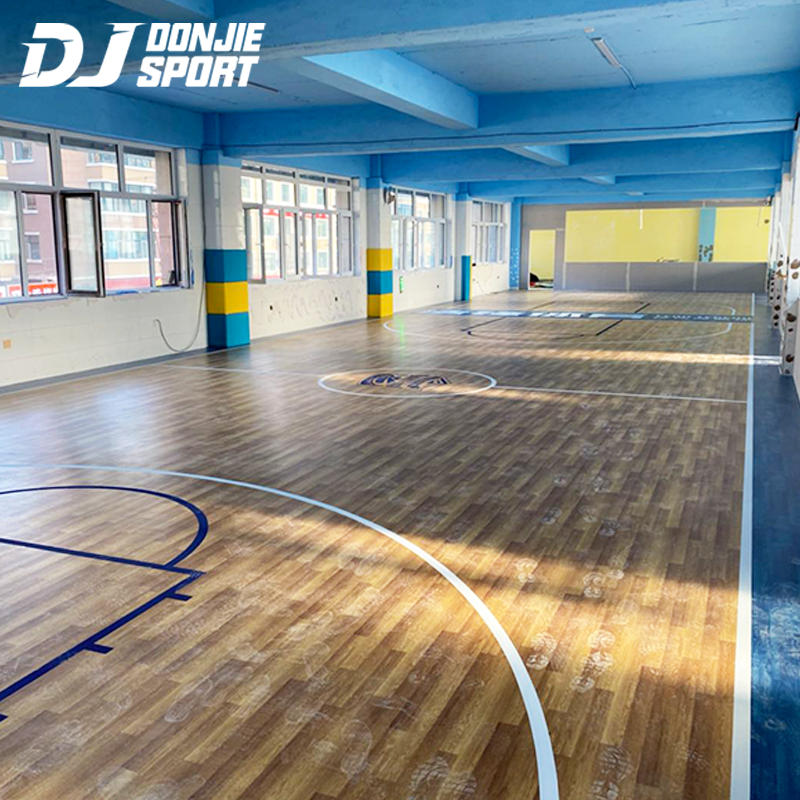
Where Are Basketball Court Tiles Used?
Basketball court tiles are versatile enough for a variety of settings. They’re commonly used in schools, universities, recreational centers, and gyms. However, their benefits extend beyond indoor courts; they are also ideal for outdoor courts where weather resistance is crucial.
Many professional basketball arenas also utilize basketball court tiles to reduce maintenance costs and enhance the functionality of the court. The tiles can be customized with team logos, markings, and unique designs, creating a distinctive look that aligns with the facility’s brand.
Additionally, basketball court tiles are increasingly popular for multi-use spaces. Courts that are shared by different sports or recreational activities can benefit from the flexibility and durability offered by tiles, as they can withstand heavy usage without compromising performance.
Future Trends in Basketball Court Tile Technology
As with many other industries, the future of basketball court tiles is closely tied to technological advancements. Manufacturers are continuously exploring new materials and designs that enhance the functionality of basketball court tiles. Innovations such as self-healing surfaces, antimicrobial coatings, and smart tiles with embedded sensors for performance tracking are on the horizon.
These new developments aim to further improve player safety, comfort, and performance while also enhancing the overall aesthetics of the court. As technology continues to advance, basketball court tiles are expected to evolve even further, offering more durable, sustainable, and performance-driven solutions.
Conclusion
Basketball court tiles have revolutionized the way courts are designed, built, and maintained. Offering flexibility in design, durability, safety, and environmental sustainability, these modular flooring systems are quickly becoming the go-to choice for courts of all kinds. Whether you’re upgrading a gymnasium, installing a new court, or looking for a cost-effective and long-lasting solution, basketball court tiles offer an ideal combination of form and function.
As the industry continues to innovate, basketball court tiles are set to play a pivotal role in shaping the future of court design and functionality, ensuring that basketball players can enjoy a safer, more efficient playing environment for years to come.