The choice of flooring in a dance studio is much more than an aesthetic decision—it plays a crucial role in a dancer’s performance, safety, and overall comfort. Whether you’re running a professional dance studio or practicing at home, the right flooring can enhance technique, prevent injuries, and ensure a comfortable environment during long hours of rehearsal. In this article, we will explore the vital factors to consider when selecting the best dance studio flooring and how it directly influences dancers’ experiences.
Impact on Performance
Enhancing Movement Efficiency
The primary goal of any dancer is to execute movements as efficiently and gracefully as possible. The type of flooring used in a dance studio has a direct impact on this. A floor that is too soft or too hard can hinder a dancer’s ability to move freely, making it more difficult to achieve precise footwork, smooth transitions, or controlled jumps.
The right flooring, on the other hand, provides the perfect balance of cushioning and resistance, allowing dancers to execute fluid, high-impact movements with ease. The floor’s texture also matters, as it can either support or hinder turns, spins, and other intricate foot movements.
Flooring and Dance Styles
Different types of dance require different flooring characteristics. For example:
-
Ballet: Ballet dancers require a smooth, firm surface with a bit of “give” to allow for the controlled glide of pointe work. Hardwood floors or specialized Marley floors are typically ideal.
-
Hip-Hop: Hip-hop dancers often perform high-impact moves such as jumps and spins. A floor with more cushioning, like vinyl or rubber, will provide shock absorption to reduce the risk of injury.
-
Contemporary/Modern Dance: For contemporary styles that combine floor work with standing movements, a versatile Marley floor provides enough flexibility without compromising on support.
By selecting the right floor for the dance style, you can maximize dancers’ movements, allowing them to perform to their full potential.
Bounce and Rebound
The level of “bounce” a floor provides directly affects a dancer’s performance, especially in high-impact styles like jazz or acro. A floor that offers minimal rebound can make it harder for dancers to jump and land smoothly. On the other hand, a floor with too much bounce can make it challenging to control landings, increasing the risk of falls or joint stress.
It’s important to find a floor that provides an appropriate amount of rebound based on the type of dance. A moderately firm surface works best for many dance forms, allowing dancers to spring from the floor and land with proper control.
Slippage and Grip
Slippage is a key factor when considering flooring for dance studios. The last thing a dancer needs is a slippery surface that increases the risk of falls. Conversely, flooring with excessive grip can make it harder for dancers to pivot or slide smoothly. The best dance floors strike a balance, offering enough grip for stability while ensuring that dancers can execute turns, slides, and other movements without losing momentum.
Ensuring Safety
Injury Prevention
One of the most important functions of dance studio flooring is injury prevention. Dancers are at a higher risk of injuries such as sprains, strains, and fractures due to the high-impact nature of their movements. A floor that lacks proper cushioning or support can exacerbate these risks.
Flooring options like sprung wood floors or cushioned vinyl offer shock absorption, which helps reduce the strain on a dancer’s joints, ligaments, and muscles. These floors are designed to absorb some of the impact, minimizing the stress placed on the body, particularly during jumps or fast movements.
Shock Absorption
Shock absorption is particularly important for protecting a dancer’s joints. Floors with appropriate cushioning allow the feet and body to “sink” slightly, thereby absorbing impact and reducing the stress transmitted to the knees, ankles, and spine. For high-impact dance styles, such as jazz or hip-hop, selecting a floor with optimal shock absorption is key to minimizing injury risk.
Maintenance and Wear
A floor’s safety features can diminish over time due to wear and tear. Scratches, dents, or worn-out sections of flooring can lead to unpredictable slip hazards or make certain areas of the studio less safe. Therefore, regular maintenance is essential. By ensuring that floors are kept in good condition, you can maintain a safe environment for dancers, as damaged flooring can hide potential hazards, causing injury.
ADA Compliance
For studios catering to dancers with disabilities, flooring also needs to be ADA-compliant. This means choosing surfaces that not only prevent injuries but also allow for wheelchair access and movement. ADA-compliant flooring often includes features like smooth transitions, non-slip surfaces, and cushioned layers to support both mobility and comfort.
Improving Comfort
Cushioning and Support
Long hours of practice can be tough on dancers, especially if the flooring is hard or uncomfortable. Proper cushioning provides support, reducing fatigue and discomfort. Floors that offer some level of flexibility allow dancers to move for extended periods without unnecessary strain on their bodies.
The key to comfort is finding the right balance of cushion and support. Too much cushion can lead to instability, while too little can make it feel like you’re dancing on concrete. A moderate amount of give will provide enough relief for the dancer’s body without compromising their movement.
Temperature Regulation
Flooring materials also play a role in the studio’s temperature regulation. For example, wood and vinyl floors have different thermal properties. Wood may feel colder or warmer depending on the season, whereas vinyl can be more neutral. In colder climates, radiant heating under wood floors or vinyl can help keep dancers comfortable during long sessions.
Sound Control
Flooring also affects the acoustics of a dance studio. For a quieter environment, choose flooring that can absorb sound, such as rubber or foam. This is particularly useful for those who wish to limit noise disruptions during practice, especially for studio environments where concentration is key.
Aesthetic Appeal
While not a functional element, the look and feel of a floor can have an indirect effect on comfort and motivation. A well-designed, visually appealing floor can contribute to a positive atmosphere, boosting the dancer’s mental state and overall satisfaction. This aspect is especially important in professional settings, where the studio environment can influence creativity and performance.

Choosing the Best Flooring for Your Dance Studio
Wooden Floors
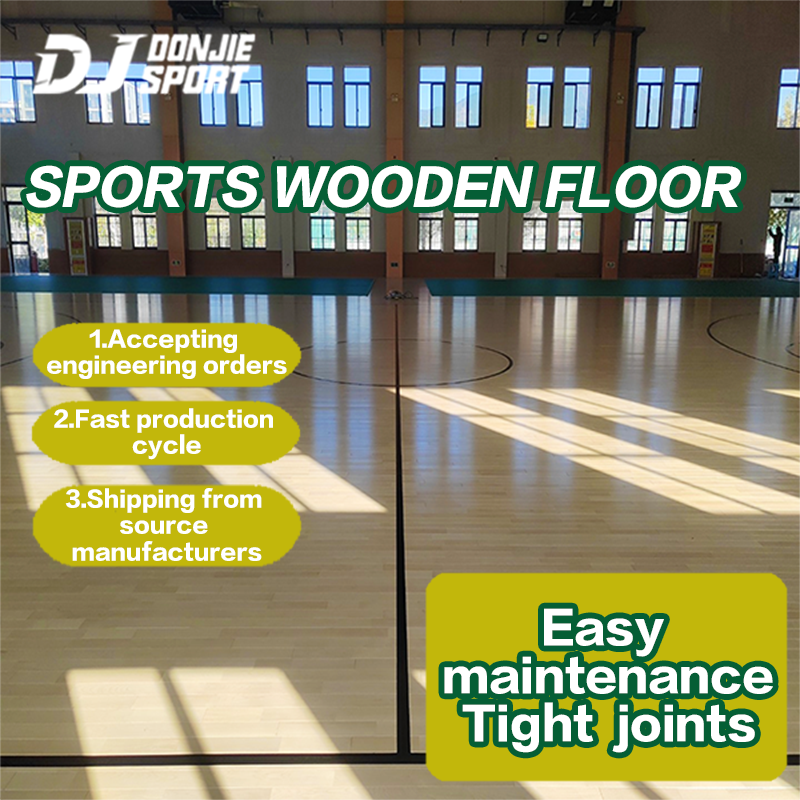
Wooden floors are one of the most popular choices for ballet and other classical dance forms. They provide the perfect balance of firmness and resilience, with just enough give for dancers to perform en pointe. However, they require regular maintenance to keep them in top shape and avoid slipping hazards.
Vinyl Floors
Vinyl flooring is a versatile and cost-effective option for dance studios. It offers durability and resistance to wear while providing some cushioning for comfort. Vinyl floors are especially suited for modern dance styles, such as contemporary and hip-hop, which involve both standing and floor-based movements.
Marley Floors
Marley floors are a popular choice for dance studios due to their durability, non-slip surface, and versatility. They are ideal for various dance styles, especially modern and jazz, and can be used for performances as well as practice.
Rubber and Foam Floors
Rubber and foam floors are great options for studios focusing on high-impact dance styles, such as hip-hop or acro. These floors provide excellent shock absorption, reducing the risk of injury during jumps or quick movements.
Eco-friendly Options
Sustainability is increasingly important in the dance world. Many dance studios are opting for eco-friendly flooring options made from recycled materials or renewable resources. Bamboo floors, for example, are a sustainable choice that offers both durability and comfort.
Conclusion
Selecting the right flooring for a dance studio is an investment in both the performance and well-being of the dancers. From performance enhancement to injury prevention, the right floor can make a significant difference in a dancer’s experience. Always consider the type of dance, safety features, comfort, and maintenance needs when choosing flooring for your studio. A well-chosen floor can improve the quality of practice and performance while minimizing injuries and ensuring dancers stay comfortable.